
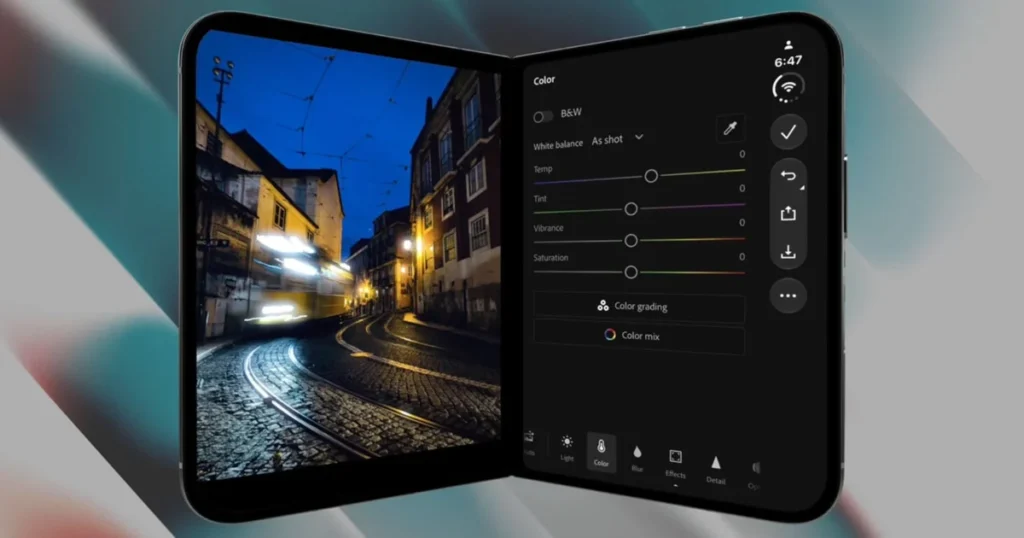

One month following the commercial release of the iPhone Duo, Apple’s inaugural foray into the foldable smartphone market, the ecosystem of software support is beginning to mature. Among the most significant developments in this early adoption phase is a comprehensive update to Adobe Lightroom, which now features native optimization for the device’s dual-screen architecture. This update marks a pivotal moment for mobile photographers, demonstrating how specialized hardware form factors can necessitate—and improve—pro-level creative workflows.
A New Paradigm for Mobile Creativity
The iPhone Duo represents a departure from the traditional rigid slab design that has defined the smartphone industry for nearly two decades. By incorporating a foldable internal display, the device provides a significantly larger canvas, which serves as an ideal interface for high-precision tasks such as photo editing.
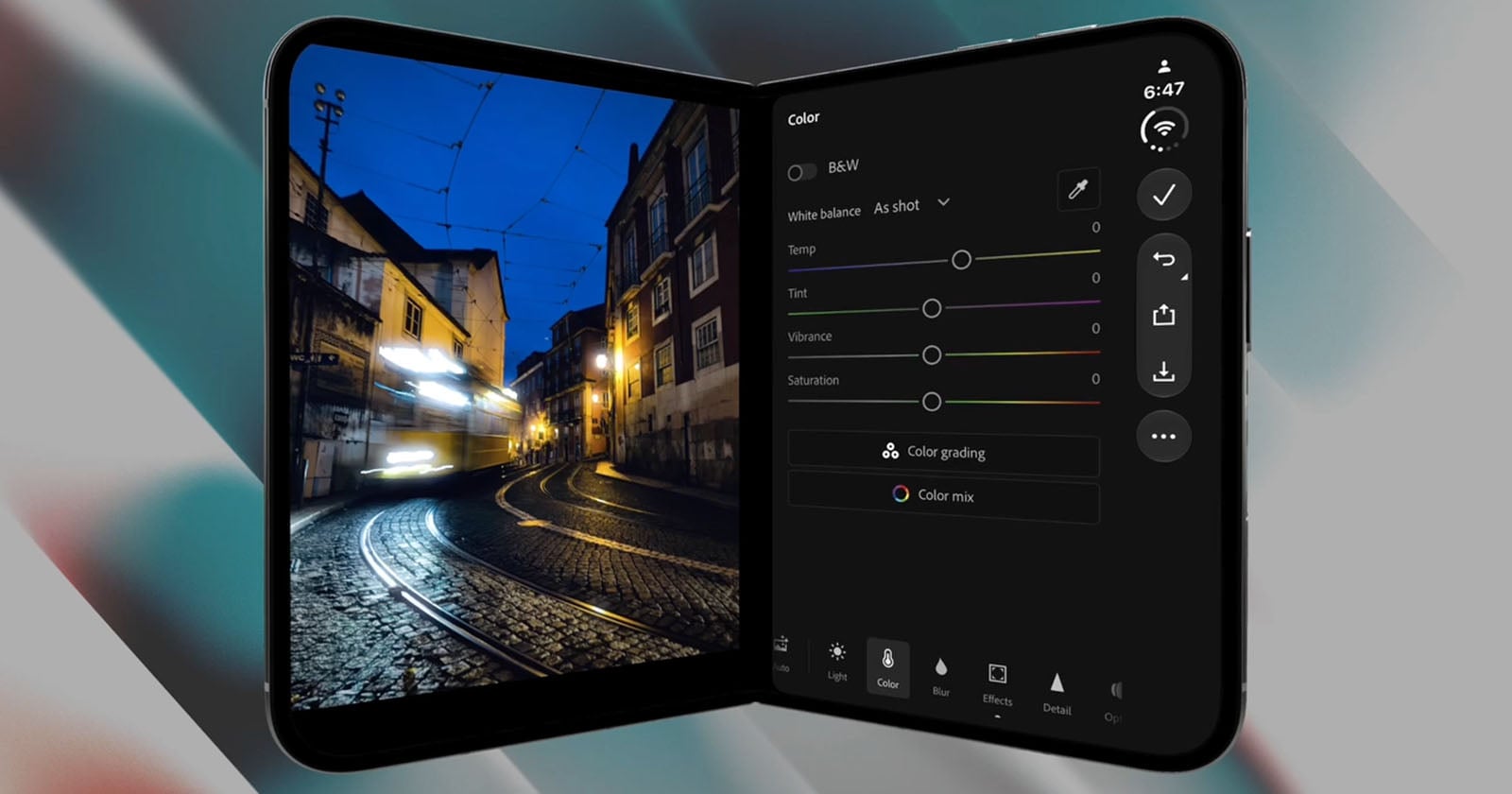
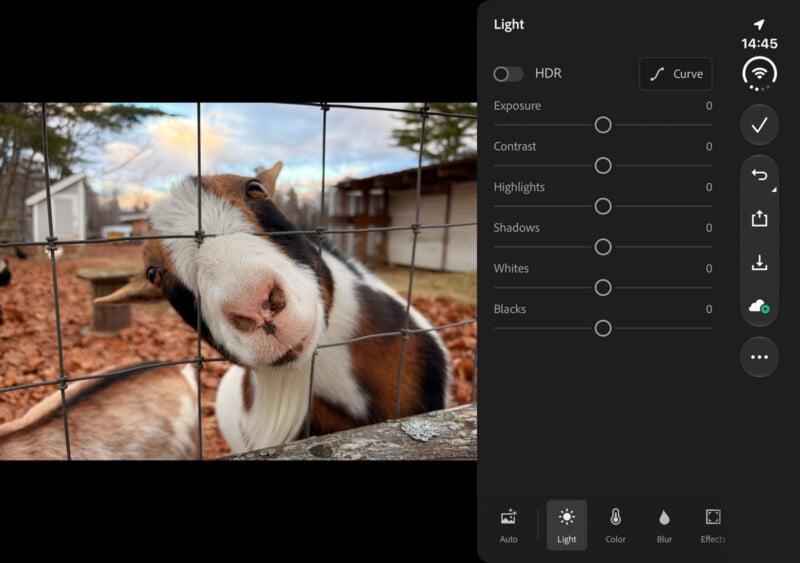
Prior to this update, editing on mobile devices often required a compromise: users had to choose between viewing their image in full-screen mode or accessing the necessary adjustment tools, such as exposure sliders, color grading, or masking brushes. These tools frequently obscured significant portions of the image, hindering the user’s ability to assess subtle changes in contrast or color accuracy. With the latest Lightroom update, Adobe has fundamentally rearchitected the user interface to leverage the Duo’s expanded display.
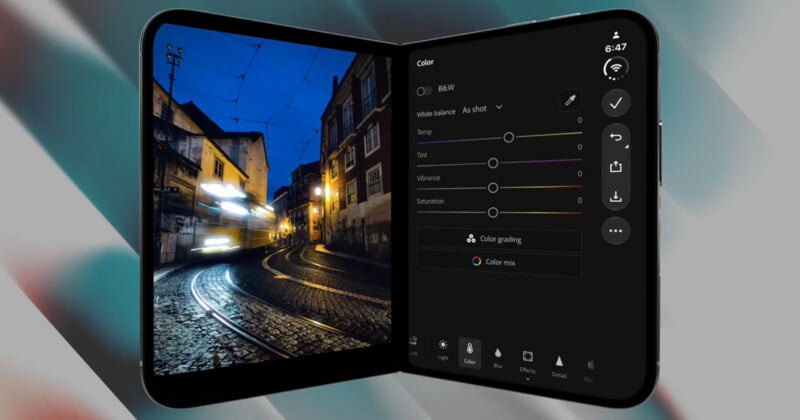
When the device is unfolded, the application transitions to a desktop-class layout. The image is rendered on the left side of the display, while the editing workspace is shifted to the right. This separation ensures that the photograph remains unobstructed at all times, allowing for a more fluid and professional editing session.
The "Laptop Pose" and Ergonomic Workflow
A critical feature highlighted by Johannes Eckert, Product Designer for Adobe Photoshop and Lightroom, is the "laptop pose." By partially folding the iPhone Duo, users can rest the device on a surface, allowing the bottom half of the screen to serve as a dedicated command center for sliders and tools, while the top half displays the image in a horizontal orientation.

This configuration effectively mimics the utility of a traditional workstation, offering a level of ergonomic comfort previously unavailable on handheld devices. For photographers working in the field—whether on location or traveling—the ability to perform complex edits without needing to carry a laptop represents a significant shift in mobile productivity.
Development Chronology and User Feedback
The integration process has been an iterative journey, characterized by close collaboration between Adobe’s development team and the early-adopter community.
- October 2026: Apple officially launches the iPhone Duo, introducing the foldable segment to its hardware portfolio.
- Early November 2026: Initial reports from professional photographers highlight the limitations of standard mobile apps on the dual-screen display, specifically regarding screen real estate and UI placement.
- Mid-November 2026: Adobe acknowledges the feedback and begins internal testing of a split-screen interface.
- Late November 2026: The official update for Lightroom is released, introducing the layout optimization and the "laptop pose" functionality.
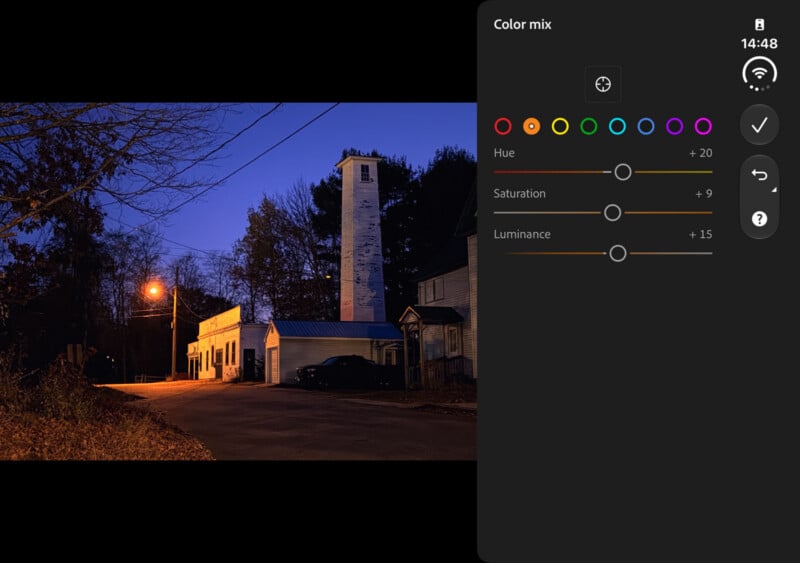
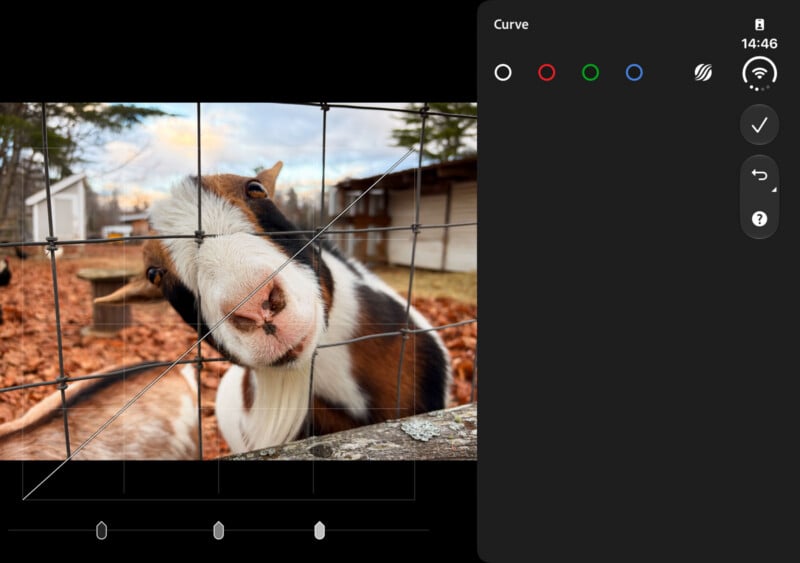
The rapid development of this update was influenced by direct feedback from users on platforms like Threads, where developers like Eckert have engaged with the community to refine the experience. A notable example of this responsiveness involves the "Curves" tool. Early testers pointed out that the Curves overlay occupied an unnecessary amount of screen space, leaving the rest of the display underutilized. Upon receiving this feedback, Adobe confirmed that a forthcoming update would relocate the tool to the side panel, further optimizing the workspace.
Technical Capabilities and Hardware Utilization
The efficacy of the Lightroom update is intrinsically tied to the hardware specifications of the iPhone Duo. Powered by the A20 Pro chip, the device boasts significantly higher processing power than its predecessors. This is essential for rendering high-resolution RAW images and applying complex AI-driven edits in real time.
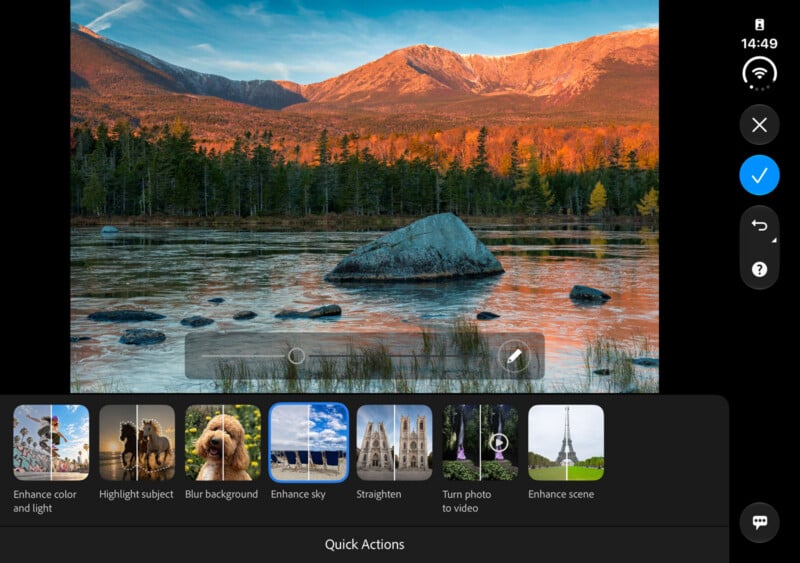
Data from recent performance benchmarks suggest that the A20 Pro chip is capable of handling intensive computational tasks, such as background blur, subject masking, and noise reduction, with minimal latency. Consequently, there is growing pressure from the professional creative community for Adobe to port more advanced features from the iPad version of Lightroom to the iPhone Duo.
Currently, users are advocating for the inclusion of:
- AI-Powered Noise Reduction: Utilizing the A20 Pro’s Neural Engine to clean up high-ISO imagery.
- Automatic Dust Removal: A feature currently reserved for desktop and tablet environments that would greatly benefit mobile-first workflows.
- Enhanced Tethering Support: Allowing for a more seamless handoff between the iPhone Duo and professional cameras.
While Adobe has not officially commented on the development roadmap for these specific features, the company’s recent focus on the iPhone Duo suggests that they view the device as a serious platform for professional-grade photography.
Implications for the Foldable Market
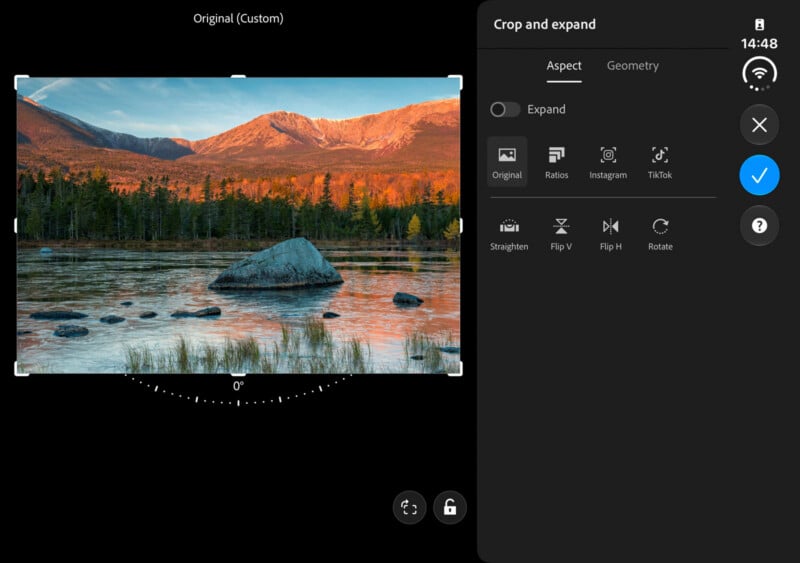
The success of Lightroom on the iPhone Duo provides a blueprint for other software developers navigating the foldable market. The "tablet-phone hybrid" nature of the device forces a reconsideration of mobile UI/UX design. Apps that rely on simple, linear menus are no longer sufficient; to provide value on a foldable, developers must account for multiple screen states—folded, partially folded, and fully expanded.
For Adobe, the iPhone Duo is not just another device to support; it is an opportunity to unify the creative suite across platforms. If the company can achieve feature parity between the mobile, tablet, and desktop versions of Lightroom, it could solidify the iPhone Duo as an essential tool in the modern photographer’s kit.
Furthermore, the consumer reaction to this update serves as a barometer for the broader foldable industry. Hardware innovations often precede software utility, leading to a "chicken and egg" scenario where devices are released without the apps to justify their higher price points. By demonstrating an immediate, high-quality optimization for the iPhone Duo, Adobe is helping to validate Apple’s investment in foldable technology.
Looking Ahead
As the iPhone Duo reaches a wider consumer base, it is expected that user feedback will continue to drive software refinements. Adobe’s commitment to addressing specific UI grievances—such as the aforementioned adjustment of the Curves tool—indicates a sustained effort to iterate based on professional use cases.
The integration of Lightroom into the iPhone Duo’s workflow is a testament to how hardware and software must evolve in tandem to redefine productivity. While there remains room for growth, particularly regarding the integration of high-end AI features, the foundation laid by this update is robust. For photographers, the choice of a mobile device is no longer just about camera sensor quality, but about the ecosystem of software that allows for the creation, manipulation, and professional presentation of their work. As the industry moves forward, the iPhone Duo stands as a promising development, setting a new standard for what a mobile device can achieve in the hands of a creative professional.