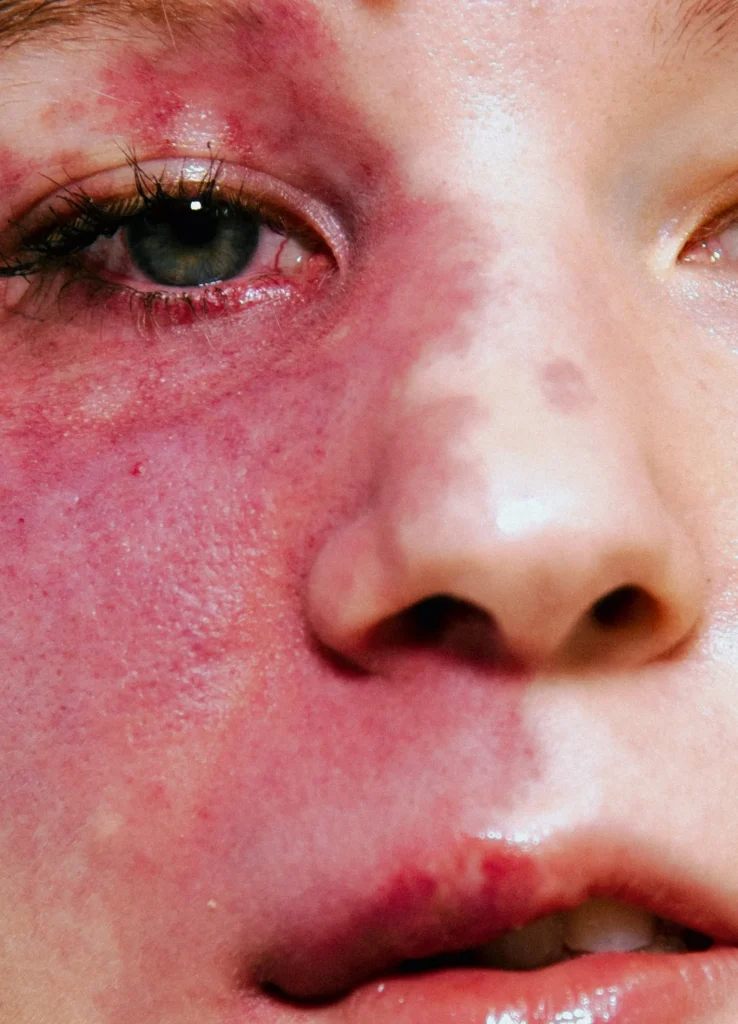

In an era dominated by hyper-curated digital aesthetics, algorithm-driven perfection, and the pervasive cultural phenomenon of looksmaxxing, contemporary visual culture is increasingly preoccupied with an unattainable standard of physical form. Into this climate steps photographer Debora Brune with her provocative and refreshing new photobook, UNCOOL. Featuring uncompromising portraits of 27 individuals whose physical forms fall outside conventional societal norms, the publication serves as a stark counter-narrative to modern aesthetic pressures, prompting a fundamental reevaluation of how society perceives, values, and visualizes the human body.
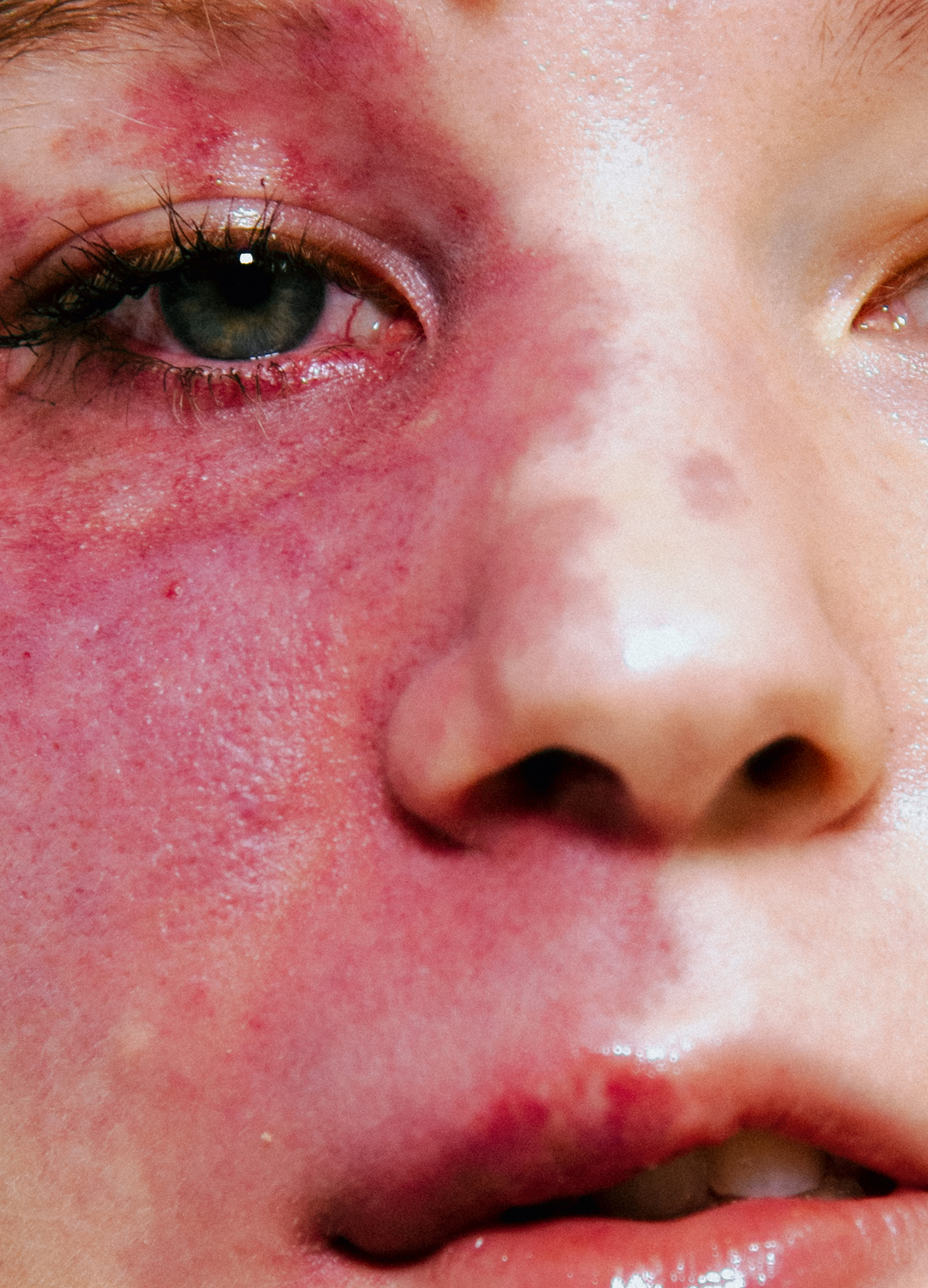
The Genesis and Core Concept of UNCOOL
The conceptual framework of UNCOOL was born out of a critical examination of visual representation: Which bodies are normally granted visibility, and under what exact conditions? To answer this, Brune embarked on a multi-year creative endeavor, photographing and interviewing fellow wheelchair users, amputees, cancer survivors, individuals with Down syndrome, and those living with hearing loss, vision impairment, and other medical conditions that society frequently categorizes as disorders or disabilities.

Rather than approaching her subjects through the traditional lenses of medical documentation, cautionary tale, or sentimental inspiration, Brune chose to apply the same high-end creative freedom, editorial rigor, and ambition typically reserved for high-fashion spreads and commercial portraiture. The resulting imagery strips away the paternalistic caution that so often characterizes media representation of disabled individuals. Instead, what mainstream culture might mistakenly code as "flawed" or "undesirable" is reframed by Brune as visually specific, striking, and intrinsically fascinating. Rather than attempting to soften, integrate, or apologize for physical differences, she uses these unique attributes as the foundational visual starting point for her art.
A Diverse Ensemble Beyond the Lens

At the heart of UNCOOL is a diverse collective of 27 individuals, including Brune herself, whose lived experiences challenge the monolithic standards upheld by mass media. Among the portrait subjects featured in the book are Grace, Natalie-Amber, Hannah, Gui, Apollonia, Lauren H, Sophie, Catrin, Kjell, Lauren, and Helene. Each subject brings a distinct presence to the collection, refusing to conform to the passive role often assigned to marginalized bodies.
A particularly poignant sentiment comes from subject Kjell, who encapsulates the overarching ethos of the project with a powerful declaration: “I no longer want to explain myself as a body.” This statement speaks directly to the exhaustion many individuals with non-conforming bodies feel—the constant burden of either justifying their physical existence, playing the role of an inspirational archetype, or enduring societal erasure. By capturing her subjects with raw dignity and aesthetic confidence, Brune allows them to exist simply as individuals, unburdened by the need to educate or appease the viewer.

Shifting Cultural Paradigms: The Backdrop of Modern Aesthetics
To understand the cultural weight of UNCOOL, one must examine the broader socio-technological landscape of the mid-2020s. The digital ecosystem is currently saturated with "looksmaxxing"—an internet-born subculture focused on maximizing one’s physical attractiveness through rigorous regimens, cosmetic procedures, and digital enhancement. While this trend is often viewed as a niche youth movement, its underlying anxieties about physical inadequacy permeate mainstream media, advertising, and social platforms.

Simultaneously, the conversation surrounding diversity, equity, and inclusion (DEI) has increasingly brought disability representation into corporate boardrooms and casting calls. However, critics frequently point out that corporate inclusion tends to sanitize disability, opting for sanitized, palatable representations that avoid confronting the raw reality of physical difference. Brune’s work disrupts this trend. By refusing to soften the edges of her subjects’ physical realities, UNCOOL bypasses corporate tokenism and enters the realm of radical honesty.
Chronology and Artistic Development

The development of UNCOOL spans several years of meticulous photographic exploration, interviewing, and editorial curation. Brune’s artistic trajectory has long been informed by an interrogation of corporeality. Her previous works similarly probed the boundaries of how human bodies occupy space and how cameras dictate social hierarchies.
The timeline of UNCOOL’s creation involved:

- Initial conceptualization and research into the visual sociology of disability representation.
- Extended engagement and qualitative interviews with the 27 participants to establish mutual trust and collaborative portraiture.
- Photographic production utilizing specialized lighting, framing, and compositional techniques traditionally found in haute couture fashion photography.
- Post-production, sequencing, and global publishing efforts, culminating in its release through independent platforms to ensure uncompromising artistic integrity.
Implications for Contemporary Photography and Visual Culture
The publication of UNCOOL arrives at a critical juncture for contemporary photography. For decades, the photographic medium has been complicit in reinforcing exclusionary beauty standards, often acting as an arbiter of what is deemed desirable or acceptable to the public gaze. By subverting these historical conventions, Brune challenges galleries, publishers, and consumers of art to expand their visual vocabularies.

Art critics and cultural theorists have noted that works like UNCOOL force a confrontation with viewer bias. When confronted with an unvarnished, highly aestheticized portrait of an amputee or an individual with Down syndrome shot with the lighting and drama of a Vogue cover, the viewer’s habitual gaze is disrupted. This disruption creates a psychological space for reflection, dismantling entrenched stigmas regarding physical capability and aesthetic worth.
Broader Impact and Reception

Early reception from the artistic community and disability advocacy groups suggests that UNCOOL is filling a vital gap in contemporary discourse. While mainstream media often oscillates between tragic framing and superficial inspiration porn, Brune’s work offers a third way: autonomous, aesthetically rigorous representation.
By treating her subjects as muse-like figures of fascination rather than subjects of charity, Brune elevates the discourse surrounding physical diversity. The book challenges viewers to discard outdated hierarchies of representation and recognize that beauty is not a singular, narrow metric, but a vast, multifaceted spectrum encompassing the entirety of the human experience. As UNCOOL circulates globally, its ultimate legacy may well be its insistence that visibility must be unconditioned, and that every individual deserves to be seen precisely as they are.