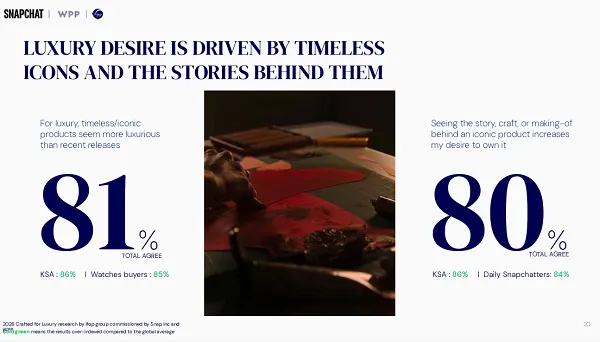

The landscape of luxury retail has undergone a profound structural evolution over the past decade, shifting away from exclusive brick-and-mortar storefronts and traditional print advertising toward digital-first engagement. In an effort to decode these shifting consumer behaviors, Snapchat has published a comprehensive new research report examining key trends among high-end shoppers. The findings highlight not only how modern consumers discover and evaluate luxury goods, but also the vital role that social media platforms play in bridging the gap between elite fashion houses and everyday buyers.
Based on an expansive global survey, the report provides a granular look at the psychology of the modern luxury consumer. As legacy brands increasingly embrace digital transformation, understanding how platforms like Snapchat influence purchase intent, brand perception, and peer validation has become critical for marketers aiming to capture younger, digitally native demographics.
Global Survey Methodology and Scope
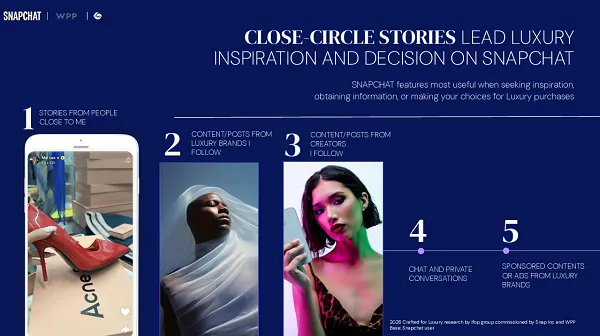
To ensure statistical significance and a well-rounded global perspective, the study was commissioned by Snapchat and executed through a rigorous partnership between APP Media and the Ifop group. Together, these research entities surveyed more than 9,000 luxury consumers across nine distinct global markets. This wide-reaching sample size encompasses diverse economic climates, cultural attitudes toward high-end goods, and varying levels of digital platform penetration.
The research methodology was designed to capture both quantitative data and qualitative insights regarding consumer motivations. Participants were evaluated on their shopping frequencies, preferred discovery channels, reactions to product scarcity, and the psychological impact of digital connectivity. By polling thousands of active luxury purchasers across North America, Europe, Asia, and other key regions, the resulting data offers an authoritative snapshot of contemporary high-end consumer habits.
Bridging the Gap: Social Media and the Luxury Universe
Historically, the luxury sector relied heavily on an aura of unreachability—cultivating exclusivity through high price points, limited distribution, and guarded brand messaging. However, the new data indicates that digital ecosystems are democratizing access to high-end brands while simultaneously heightening consumer desire.

According to the report, 76% of all surveyed luxury shoppers agreed that social media platforms make them feel remarkably close to the luxury universe. This sentiment is even more pronounced among Snapchat’s specific user base, where 84% of respondents reported feeling a direct connection to high-end brands through social channels.
This statistic underscores a critical paradigm shift: rather than diluting exclusivity, digital visibility invites consumers into the brand narrative. By offering behind-the-scenes access, interactive augmented reality (AR) try-ons, and immersive storytelling, social platforms allow users to experience the luxury lifestyle daily, fostering a sense of emotional ownership long before a transaction occurs.
The Power of Peer Validation and Close Connections
While public-facing social networks often focus on broadcast-style content and follower counts, Snapchat’s ecosystem operates differently. The platform’s architecture primarily encourages engagement within smaller, closed circles of close friends and family members through direct messaging streams and intimate sharing features.
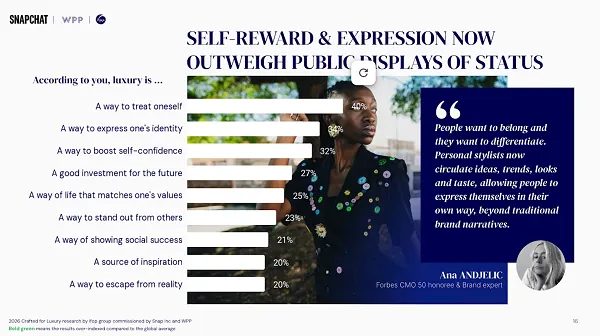
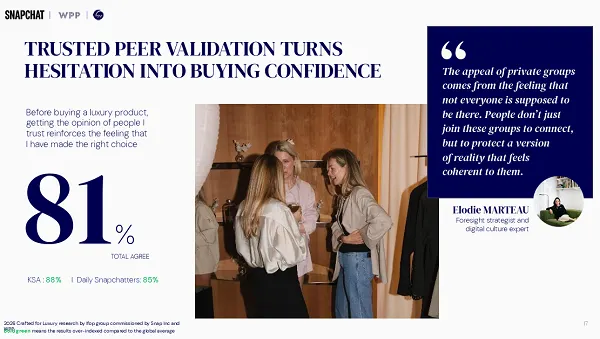
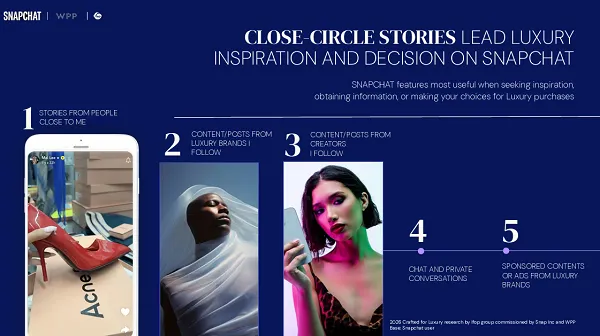
The survey data reveals that this interpersonal dynamic heavily influences luxury purchasing behavior. Content shared directly by close connections emerges as a primary driver of luxury purchase decisions among Snapchat users. In the high-end retail segment, where purchases often represent significant financial investments and personal statements of identity, validation from trusted peers carries immense weight.
Consumers are increasingly turning to their immediate social circles for opinions, recommendations, and aesthetic validation. For luxury brands, this means that viral public campaigns must be complemented by strategies that encourage private sharing and word-of-mouth advocacy among friends.
Strategic Insights: Scarcity, Motivation, and Content Resonance
Beyond connectivity and peer influence, the Snapchat report delves into the foundational mechanics of luxury shopping, offering actionable data points for brand marketers and media planners.
-
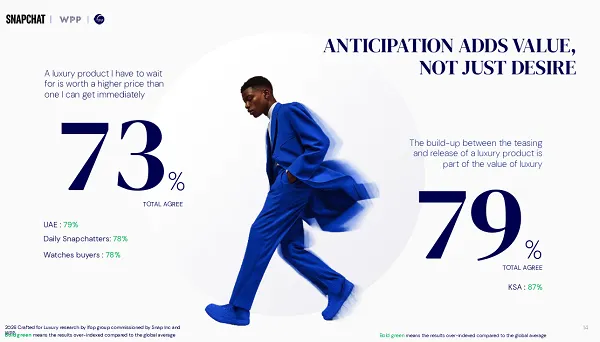
The Psychology of Scarcity: The report examines how perceived scarcity impacts modern luxury shoppers. While artificial scarcity has always been a hallmark of high-end branding, the digital age accelerates how scarcity is communicated and perceived. The study provides metrics on how limited-edition drops and exclusive digital assets drive urgency among consumers.
-
Consumer Motivations: Understanding why consumers purchase high-end goods is vital for crafting resonant messaging. The data categorizes the primary emotional and functional drivers behind luxury acquisitions, helping brands align their value propositions with shifting consumer values, such as self-expression, status signaling, and investment value.
-
Content Preferences: Not all digital content is consumed equally by luxury buyers. The report highlights the specific content formats, visual styles, and storytelling approaches that elicit the strongest positive responses from this demographic, giving brands a blueprint for optimizing their media spend.
Implications for Luxury Brand Marketing
The release of this report arrives at a pivotal time for the luxury goods industry. As macroeconomic pressures fluctuate and consumer demographics skew younger—with Millennials and Generation Z representing an increasingly dominant share of luxury spending—brands are forced to rethink their marketing mix.
Traditionally, luxury houses approached digital platforms with caution, fearing that mass-market visibility might compromise their prestigious positioning. However, the data compiled by Snapchat, APP Media, and Ifop suggests that digital platforms do not detract from luxury appeal; rather, they amplify brand messaging and accelerate purchase intent when utilized correctly.
Marketers can leverage these insights in several concrete ways:
- Integrating Immersive Technologies: Utilizing AR lenses and virtual showrooms to let consumers interact with products intimately.
- Fostering Community Advocacy: Designing campaigns specifically tailored to encourage private sharing among peer groups.
-
Leveraging Data-Driven Storytelling: Crafting narratives that address modern consumer motivations,
such as individuality, heritage, and experiential luxury.
Conclusion
Snapchat’s latest research offers a clear window into the mindset of the modern luxury consumer. By demonstrating that 84% of its users feel a tangible closeness to the luxury universe through social platforms, the app positions itself as an essential partner for high-end brands seeking to connect with digitally savvy audiences. As the boundary between physical luxury and digital engagement continues to blur, insights derived from comprehensive global studies like this one will undoubtedly shape the future of high-end retail marketing strategies worldwide.