
In today’s hyper-competitive and saturated marketplace, a striking initial product design or a clever, high-budget marketing campaign may be enough to capture a consumer’s fleeting attention. However, moving past initial interest to secure a lasting conversion, a word-of-mouth referral, or a loyal returning customer requires a much deeper asset: authentic, resilient brand trust.
As digital landscapes shift and the proliferation of artificial intelligence raises new questions regarding authenticity and digital truth, modern consumers are growing increasingly discerning. They are inspecting product claims with microscopic precision, scrutinizing corporate messaging, and seeking out unvarnished, honest opinions from peers rather than polished executive statements. According to consumer data from Sprout Social’s Q2 Pulse Survey, a commanding 57% of consumers place their highest trust in everyday product users for recommendations. This figure towers far above recommendations from subject matter experts, who command 26% of consumer trust, mega-influencers at 9%, and internal brand employees at a meager 8%.
This dramatic shift in consumer reliance presents organizations with an imperative challenge and a rare opportunity to overhaul how they earn and retain public confidence. Contemporary consumers expect corporate entities to deliver unequivocally on their promises, understanding implicitly that authentic, real-world experiences with a brand speak exponentially louder than any ad campaign. For enterprises that successfully navigate this paradigm, the ultimate payoff transcends immediate sales conversion, laying the groundwork for sustainable, long-term enterprise value.
Defining Brand Trust in the Modern Economy
Brand trust is fundamentally defined as the absolute confidence a consumer base holds in a business and its proven operational capacity to consistently meet or exceed expectations. This confidence is not established overnight; rather, it is a cumulative asset shaped over time by every touchpoint of the enterprise. From the clarity of a public communication strategy to the empathetic efficiency with which a company handles critical customer service complaints, every interaction serves as a building block.
Central to this dynamic is the concept of authenticity. Data from Sprout Social’s Q3 Pulse Survey indicates that authenticity is universally ranked as the single most vital trait consumers look for in brands on social media channels. Yet, this public hunger for sincerity is not confined to digital platforms. Today’s buyers expect this same uncompromised transparency to permeate every facet of business operations, from ethical supply chain sourcing to equitable treatment of everyday buyers.

Furthermore, corporate reputation functions as a crucial risk-mitigation tool for prospective purchasers. A well-established track record of reliability provides hesitant consumers with the psychological safety net required to choose an unfamiliar brand over legacy alternatives, proving that historical credibility serves as a powerful market differentiator.
The Tangible Business Value of Credibility
Far from being a mere psychological objective or a feel-good corporate metric, brand trust operates as a core driver of bottom-line profitability, enterprise resilience, and sustainable expansion. While no organization can maintain an unblemished public record indefinitely, companies that systematically cultivate long-term trust are fundamentally better insulated against market volatility and disruption.
Enhanced Customer Retention and Reduced Churn
When consumers harbor deep-seated confidence in a brand, they are statistically far more inclined to bypass competing alternatives. Positive customer experiences continually reinforce this trust, driving down customer churn and bolstering overall retention rates. Product and service quality remain the bedrock of this dynamic. According to Sprout Social’s Q3 data, 44% of consumers cite product quality as the single most critical driver of enduring brand loyalty. By consistently delivering on quality, organizations secure baseline retention even amidst aggressive market competition.
Amplified Customer Advocacy and Organic Evangelism
Trusted enterprises naturally cultivate higher tiers of organic brand advocacy. This advocacy manifests as powerful word-of-mouth recommendations that fortify corporate reputation far more effectively than paid media. This dynamic extends past everyday buyers; endorsements from key opinion leaders and industry thought leaders can dramatically validate an organization’s market standing, opening doors to lucrative strategic partnerships.
Maximized Customer Lifetime Value
Consumer trust directly correlates with financial commitment. Individuals who trust a brand are fundamentally more willing to engage in extended customer journeys, execute repeat transactions, and willingly upgrade to higher-value product tiers. Furthermore, trusting consumers appreciate the intrinsic value of goods and services, making them significantly less price-sensitive and more willing to pay a premium for guaranteed quality and customer experience.
Strategic Frameworks for Constructing Brand Trust
While understanding the theoretical architecture of brand trust is relatively straightforward, executing its construction requires cross-departmental coordination. Every corporate division—from legal and supply chain to marketing and customer service—must align to preserve consumer confidence.
Maintaining Cross-Channel Brand Consistency
Consistent messaging ensures that target audiences immediately recognize an enterprise and understand its core value proposition. Whether a consumer interacts with an ad, navigates a desktop website, or receives an automated promotional email, the underlying tone and identity must remain coherent.
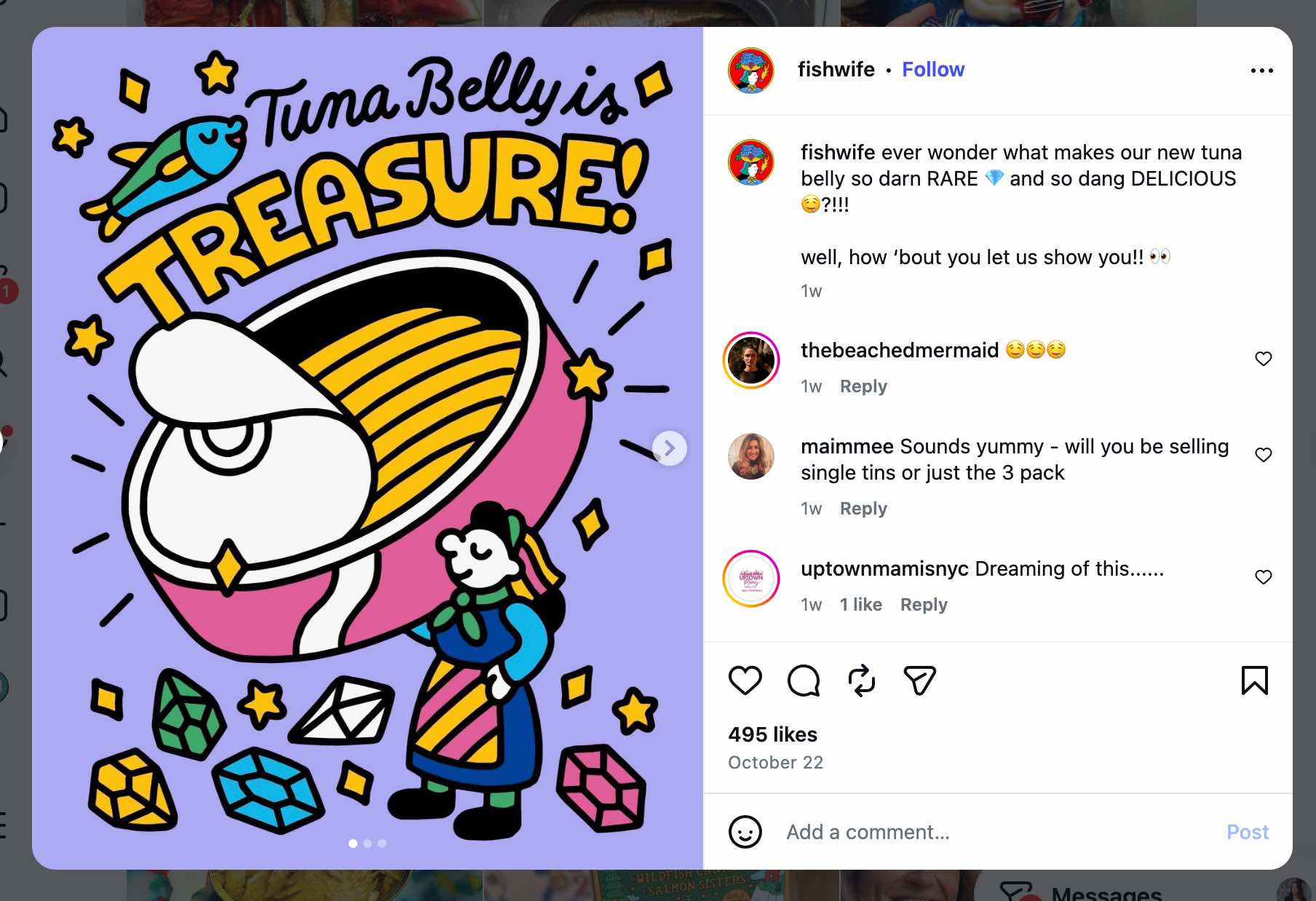
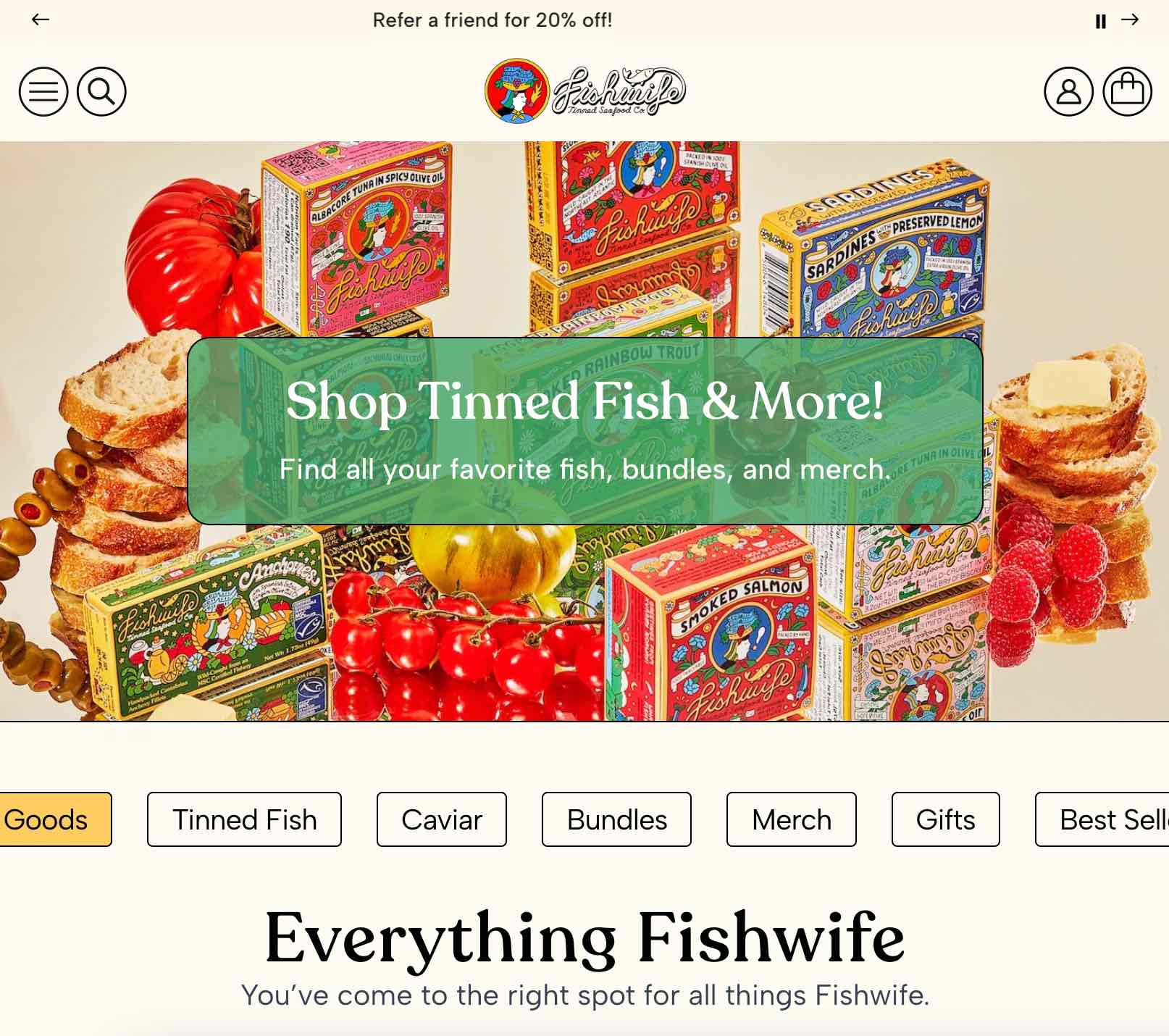
Establishing rigorous brand guidelines detailing tone of voice, visual identity, and core messaging is vital. For instance, the celebrated tinned seafood brand Fishwife maintains a globally recognizable identity across its website and social media networks. By leveraging colorful packaging, playful illustrations, and a distinct, humorous copywriting voice, Fishwife ensures that even when marketing specific product lines, the distinct emotional resonance of the brand remains untouched.
Ethical and Thoughtful Deployment of Artificial Intelligence
As generative artificial intelligence becomes deeply integrated into enterprise workflows, consumer skepticism regarding its implementation has reached an all-time high. Sprout Social’s Q1 data revealed that publishing AI-generated content without explicit disclosure was the single most undesirable corporate behavior consumers wanted eradicated, cited by 28% of respondents.
The repercussions of low-effort AI deployment are already manifesting in consumer behavior. Half of all surveyed Gen Z consumers reported actively unfollowing, muting, or blocking brands whose outputs felt like low-effort, repetitive "AI slop." Across all demographic generations, 66% of consumers report being significantly more selective regarding their digital engagement than they were a year prior. Moreover, 44% of consumers express deep discomfort with corporate reliance on AI-generated influencers.
To safeguard credibility, organizations must practice absolute transparency. AI-generated materials must be clearly labeled, rigorously audited for factual accuracy, and deployed primarily to streamline administrative workflows, data analysis, and support functions—thereby freeing human employees to focus on authentic creative execution.
Prioritizing Responsive and Empathetic Customer Care
The impression left by customer service interactions serves as a primary determinant of brand trust. Modern consumer expectations regarding response velocity are extraordinarily high; Sprout Social’s Q3 data indicates that 38% of consumers expect a direct response to social media inquiries within a strict two-hour window, with 14% demanding resolution within minutes.
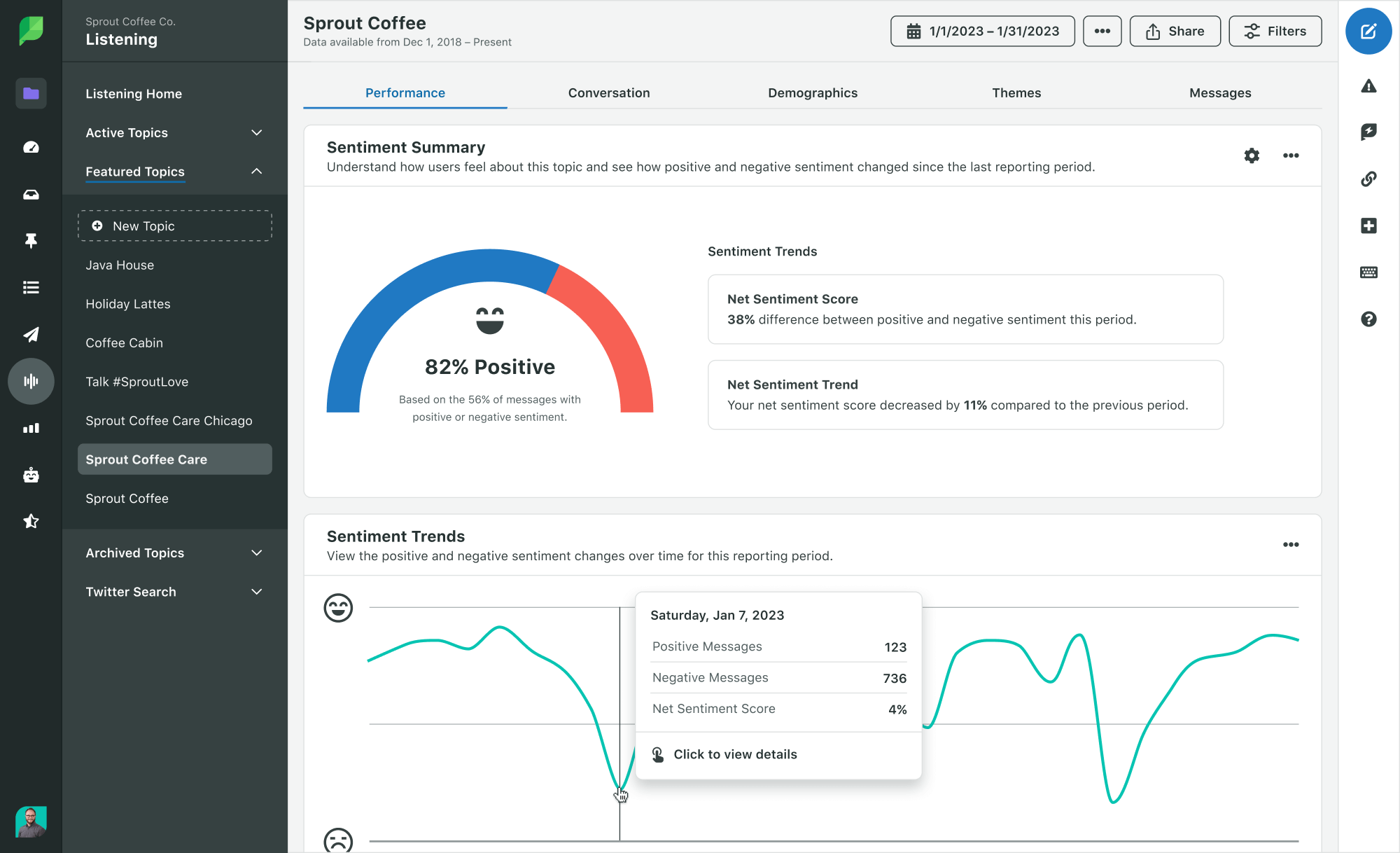
This operational pressure represents an optimal use case for ethical AI integration. While consumers reject deceptive AI marketing, 70% express comfort with AI-driven chatbots when deployed specifically to expedite customer service inquiries. Tools utilizing automated sentiment classification can successfully triage urgent issues and route complex cases to human representatives, directly improving response times without sacrificing empathy.
Strategic Vetting of Influencer Partnerships
Influencer marketing remains a powerful trust-building mechanism, provided partnerships are executed with stringent oversight. According to Sprout Social’s Influencer Marketing Report, a mere 17% of consumers check an influencer’s follower count prior to engaging with sponsored content; instead, audiences prioritize content relevance, alignment, and aesthetic style.
Brands must thoroughly vet potential partners to ensure public conduct, historical content, and personal values strictly align with enterprise safety standards. Clear contractual expectations regarding financial disclosures and realistic product claims protect corporate reputation while affording creators the creative autonomy necessary to deliver authentic endorsements.
Quantitative Metrics for Tracking Brand Trust
Evaluating the efficacy of trust-building initiatives requires the deployment of sophisticated key performance indicators across multiple digital ecosystems.
Sentiment Analysis
Leveraging social listening tools allows enterprises to systematically evaluate real-time consumer perception across global digital networks, helping communication teams identify macro-level shifts in public trust before they escalate into crises.
Engagement Metrics and Community Interaction
Monitoring likes, shares, comments, and community dialogue offers vital insight into brand affinity. High levels of constructive engagement signify that a brand functions as a trusted cultural authority within its niche.

Ratings, Reviews, and Voice of the Customer Data
Aggregate scores across independent review ecosystems—including Reddit, G2, Google Business Profile, and Yelp—provide unvarnished feedback loops that guide product iteration and service improvement.
Net Promoter Score (NPS)
Direct surveying allows organizations to quantify consumer willingness to recommend products on a zero-to-10 scale, offering an empirical benchmark for overall brand equity.
Proactive Media Monitoring
Deploying advanced media tracking solutions enables corporate communications teams to monitor broader socio-political and economic news cycles that could impact brand perception, ensuring proactive crisis mitigation.
Corporate Case Studies: Leaders
in Brand Trust
Back Market: Weaponizing Product Guarantees
Refurbished electronics marketplace Back Market addressed inherent consumer skepticism regarding secondhand technology by launching an aggressive quality assurance campaign. Bolstered by comprehensive 100-point device inspections, free 30-day returns, and a full one-year warranty, the company successfully bridged the psychological gap preventing widespread consumer adoption of circular technology.
Aerie: Uncompromising Anti-AI Integrity
Apparel brand Aerie solidified its legacy commitment to authentic body representation by officially prohibiting the use of AI-generated people and bodies across all marketing assets. Campaigns featuring public figures like Pamela Anderson reinforced the brand’s uncompromising stance against digital alteration, proving that unwavering ethical commitments can successfully weather technological shifts.

Tony’s Chocolonely: Radical Supply Chain Transparency
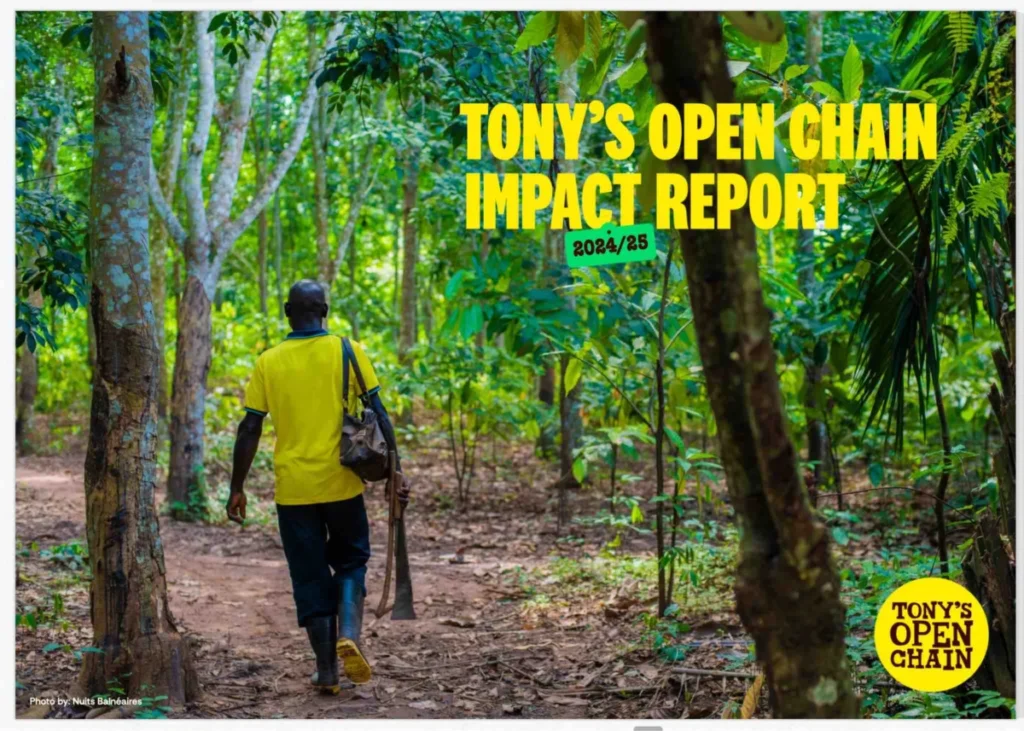
Confectionery brand Tony’s Chocolonely operationalized radical transparency by publishing comprehensive annual impact reports detailing the harsh realities of the cocoa industry. By publicly documenting ongoing systemic challenges alongside incremental progress, the enterprise invites consumers to evaluate its ethical claims through an unvarnished, empirical lens.
The Bottom Line for Modern Enterprises
In an economic climate defined by heightened consumer selectivity and technological transformation, brand trust remains the ultimate commercial currency. Organizations that proactively align internal operations, prioritize responsive human-centric customer care, and maintain absolute communication transparency will successfully transform transactional buyers into lifelong brand advocates.