Tag: camera

  • SmallRig Launches L-Shaped Mount Plate with Ebony and Rosewood Handles for Fujifilm X-E5 Mirrorless Camera

    SmallRig Launches L-Shaped Mount Plate with Ebony and Rosewood Handles for Fujifilm X-E5 Mirrorless Camera

    SmallRig, a global leader in professional camera accessories and rigging solutions, has officially announced the release of its latest L-shaped mount plate specifically engineered for the Fujifilm X-E5 mirrorless digital camera. This new accessory is designed to enhance the ergonomic handling of the compact camera while maintaining the classic, rangefinder-inspired aesthetic that defines the Fujifilm X-E series. Available in two distinct wood finishes—solid ebony and solid rosewood—the mount plate integrates seamlessly with the camera’s machined aluminum chassis, offering a premium tactile experience for street photographers and videographers alike.

    The launch of this accessory follows the successful debut of the Fujifilm X-E5, a camera that has garnered significant attention for its blend of high-resolution imaging and retro design. By introducing a dedicated grip solution, SmallRig addresses one of the primary feedback points regarding compact mirrorless cameras: the difficulty of maintaining a secure hold during extended shooting sessions or when using larger, heavier X-mount lenses.

    The Fujifilm X-E5: A High-Performance Foundation

    To understand the significance of SmallRig’s new mount plate, it is essential to consider the technical capabilities of the camera it supports. The Fujifilm X-E5, which succeeded the highly popular X-E4, represents a significant technological leap for the series. It features a 40.2-megapixel APS-C X-Trans CMOS 5 HR sensor, paired with the high-speed X-Processor 5. This combination allows for exceptional detail, improved noise management, and advanced subject-detection autofocus powered by deep-learning AI technology.

    Despite its diminutive size, the X-E5 is a powerhouse in both still photography and cinematography. It includes a five-axis in-body image stabilization (IBIS) system capable of providing up to 7.0 stops of compensation. This feature is particularly relevant to the SmallRig mount plate, as the added stability of an ergonomic grip further complements the IBIS, allowing for even steadier handheld shots at slow shutter speeds.

    In terms of video, the X-E5 supports internal 6.2K recording at up to 29.97 fps in a 16:9 aspect ratio. It also offers 4K and DCI 4K at up to 59.94 fps, and high-speed Full HD recording at 240 fps for dramatic slow-motion effects. For creators utilizing these high-end video features, the SmallRig L-shaped plate provides a more substantial surface area for the right hand, which is crucial when navigating the camera’s menu system or operating the manual control dials located on the top plate.

    Ergonomic Design and Material Craftsmanship

    The standout feature of the new SmallRig mount plate is the integrated handgrip, which is available in two luxury wood options. The ebony variant offers a deep, dark aesthetic that pairs well with the black version of the X-E5, while the rosewood option provides a warmer, reddish-brown grain that complements both the black and silver camera bodies.

    SmallRig’s new X-E5 baseplate adds wood-grain warmth to Fujifilm’s retro shooter

    SmallRig emphasizes that because these grips are carved from natural solid wood, every individual unit features a unique grain pattern, giving each photographer a one-of-a-kind accessory. Beyond the visual appeal, the use of wood serves a functional purpose. Unlike metal or plastic, natural wood maintains a neutral temperature, feeling warm to the touch in cold environments and remaining slip-resistant in humid conditions. The contoured shape of the handle is designed to follow the natural curve of the human hand, significantly reducing fatigue during "all-day" street photography sessions.

    To ensure a cohesive visual identity, SmallRig includes a matching wooden shutter release button and a wooden hot shoe cover with each plate. These small additions transform the X-E5 into a bespoke piece of equipment, echoing the heritage of classic film cameras while providing modern functionality.

    Technical Specifications and Integration

    The SmallRig L-shaped mount plate is more than an ergonomic grip; it is a functional tool designed for professional workflows. The base of the plate features a built-in Arca-Swiss quick-release plate. This industry-standard mounting system allows photographers to transition from handheld shooting to an Arca-compatible tripod head in seconds without the need for additional tools or plates.

    Key technical specifications include:

    • Weight: 51 grams (1.8 ounces), ensuring that the camera remains lightweight and portable.
    • Mounting: A standard 1/4"-20 threaded hole is located at the bottom, allowing for compatibility with a wide range of tripods, monopods, and gimbal plates.
    • Finishes: The metal portion of the plate is available in matte black or polished silver to match the two colorways of the Fujifilm X-E5.
    • Access: The plate is precision-machined to ensure that the battery compartment and memory card slot remain fully accessible. This allows users to swap power or media without removing the grip.
    • Control Layout: The design ensures that the camera’s articulating screen and various ports (USB-C, Micro-HDMI) are not obstructed.

    Industry Context: The Evolution of Camera Accessories

    The release of the SmallRig grip for the X-E5 highlights a growing trend in the photography industry toward "functional aesthetics." As digital cameras become increasingly homogenized in terms of internal specs, many manufacturers and third-party accessory makers are focusing on the tactile and emotional experience of photography.

    SmallRig has a long history of supporting the Fujifilm X-series. From full cages for the X-T5 and X-H2s to minimalist thumb grips for the X100VI, the company has consistently filled the gap between Fujifilm’s factory ergonomics and the needs of enthusiasts. The X-E series, known for its "flat-top" design, has historically lacked a deep front grip to maintain its slim profile. SmallRig’s solution provides the best of both worlds: a removable grip that adds substance when needed without permanently altering the camera’s iconic silhouette.

    Market analysts suggest that the demand for such accessories is driven by the resurgence of "slow photography"—a movement where users value the process of taking a photo as much as the final image. The inclusion of organic materials like ebony and rosewood appeals directly to this demographic.

    SmallRig’s new X-E5 baseplate adds wood-grain warmth to Fujifilm’s retro shooter

    Chronology of the Product Launch

    The development of the SmallRig L-shaped plate began shortly after the technical specifications of the Fujifilm X-E5 were finalized. SmallRig typically employs a rapid prototyping process using 3D modeling and CNC machining to ensure a perfect fit for new camera bodies.

    1. Mid-2024: Following the announcement of the Fujifilm X-E5, SmallRig initiated the design phase for a dedicated baseplate.
    2. Late 2024: Prototypes were tested for weight distribution and ergonomic comfort, specifically focusing on the clearance for the X-E5’s new IBIS-equipped sensor housing.
    3. Early 2025: Final material selection for the ebony and rosewood components was completed, focusing on sustainable sourcing and durability.
    4. Current: The product has officially entered the global market, with stock arriving at major retailers and the SmallRig official webstore.

    Implications for X-E5 Owners

    For owners of the Fujifilm X-E5, the SmallRig mount plate represents a cost-effective upgrade that addresses two potential issues: handling and protection. The aluminum baseplate acts as a protective layer for the bottom of the camera, preventing scratches and scuffs on the original finish. Furthermore, the Arca-Swiss integration streamlines the workflow for landscape and studio photographers who frequently move between different mounting systems.

    At a retail price of $47, the accessory is positioned as an affordable luxury. It competes with Fujifilm’s own metal handgrips, but offers the added benefit of natural wood materials and a more comprehensive "kit" that includes the shutter button and hot shoe cover.

    Official Responses and Market Impact

    While Fujifilm has not officially commented on third-party accessories, the brand has historically fostered an ecosystem where companies like SmallRig can thrive. The availability of high-quality accessories often bolsters the sales of the cameras themselves, as users feel more confident in a system that offers extensive customization options.

    SmallRig’s spokesperson noted that the goal with this specific product was to "honor the craftsmanship of the X-E5 while providing the modern utility that today’s hybrid creators demand." Early feedback from professional street photographers suggests that the added height the plate provides to the camera body also allows for a more comfortable rest for the pinky finger, a common ergonomic complaint with compact cameras.

    Pricing and Availability

    The SmallRig L-shaped mount plate with wooden handle for the Fujifilm X-E5 is currently available for purchase through SmallRig’s official website and authorized global distributors. The product is offered in four configurations:

    • Black Metal with Ebony Handle
    • Black Metal with Rosewood Handle
    • Silver Metal with Ebony Handle
    • Silver Metal with Rosewood Handle

    All configurations are priced at $47 USD. Given the popularity of the Fujifilm X-E series and the limited availability of high-quality wooden accessories, industry experts anticipate strong demand for this latest addition to the SmallRig lineup. This launch reaffirms SmallRig’s commitment to providing specialized tools that enhance the creative process through thoughtful design and engineering excellence.

  • Meta Introduces Opt-In Camera Roll Suggestions for Facebook Users in the United Kingdom and European Union to Drive Platform Engagement

    Meta Introduces Opt-In Camera Roll Suggestions for Facebook Users in the United Kingdom and European Union to Drive Platform Engagement

    Meta Platforms Inc. has officially commenced the rollout of a new opt-in feature for Facebook users in the United Kingdom and the European Union, designed to proactively suggest content for sharing directly from a user’s mobile device camera roll. This move represents a significant strategic shift for the social media giant as it seeks to reinvigorate user participation on its flagship platform. By utilizing machine learning to analyze personal photo libraries, Facebook aims to simplify the content creation process, offering users pre-packaged collages, travel recaps, and edited videos that can be posted to the main Feed or Stories with minimal effort.

    The feature, which requires explicit user consent before activation, allows Meta’s systems to scan the images stored on a person’s smartphone. Once a user opts in, the algorithm identifies what it deems "standout moments"—high-quality photos or videos that the system distinguishes from the mundane clutter of screenshots, receipts, and accidental snapshots. These curated recommendations appear within the Facebook app interface, specifically in the Feed, Stories, and the Memories bookmark, allowing users to review the suggested content privately before deciding whether to broadcast it to their social circles.

    Technical Mechanics and AI Integration

    The underlying technology of the camera roll suggestion tool relies on sophisticated metadata analysis. According to technical documentation provided by Meta, the system evaluates media based on several criteria, including the date the photo was taken, geographic location data, identified themes, and the presence of specific objects or people. To facilitate these suggestions, Meta uploads selected media to its cloud servers on an ongoing basis. This cloud-based processing allows the company’s more powerful AI models to generate creative edits and "recap" videos that would be difficult to render using only the local processing power of a standard smartphone.

    Meta’s decision to move this processing to the cloud is a notable technical choice. By analyzing "themes" and "objects," the AI can categorize a series of photos as a "weekend trip" or a "birthday celebration," automatically applying transitions, music, and filters to create a cohesive narrative. For the user, this reduces the "friction of sharing"—the psychological and temporal barrier that prevents people from posting because they feel their content isn’t "share-worthy" or because they lack the time to edit a post manually.

    Historical Context and the Evolution of Facial Recognition

    This initiative does not exist in a vacuum; it is part of a broader, and often controversial, history of Meta’s experimentation with image scanning. In 2021, Meta was forced to shutter its long-standing facial recognition system on Facebook following intense pressure from privacy advocates and global regulators. That system, which automatically suggested "tags" for people in uploaded photos, was criticized for creating a massive database of facial templates without sufficiently transparent consent. The fallout included a $650 million settlement in a class-action lawsuit in Illinois, which alleged the company violated the state’s Biometric Information Privacy Act.

    However, in recent months, Meta has cautiously waded back into the realm of facial and image analysis. The company recently expanded the use of "video selfies" for identity verification to combat "celeb-bait" advertisements and account hacking. Furthermore, the integration of AI into its Ray-Ban Meta smart glasses has necessitated a more robust image-processing framework. The new camera roll suggestion tool is a continuation of this trend, though Meta has been careful to frame it as a utility-focused, opt-in experience to avoid the regulatory pitfalls of the past.

    Facebook wants to scan users’ camera rolls for content

    The Strategic Necessity: Reversing the Decline in Public Sharing

    The primary driver behind this feature is a documented decline in "original broadcast sharing" across the social media landscape. While Meta’s overall user numbers remain high, the nature of how people use the platform has shifted. Research published by The Wall Street Journal in 2023 highlighted a growing trend of "social media fatigue," noting that 61% of U.S. adults have become significantly more selective about what they post publicly.

    Several factors contribute to this shift:

    1. Privacy Concerns: Users are increasingly wary of how their personal data and images are used by corporations and tracked by third parties.
    2. The Rise of "Dark Social": Communication has moved from public feeds to private messaging apps like WhatsApp, Messenger, and Instagram DMs.
    3. Toxicity and Criticism: The fear of public backlash or "cancel culture" has made users more hesitant to share personal updates.
    4. Content Saturation: The shift toward entertainment-focused, short-form video (pioneered by TikTok) has led many users to feel that their personal lives are not "high-production" enough to compete for attention.

    By automating the creation of "shareable" content, Meta is attempting to lower the bar for entry. If the app creates a professional-looking travel collage for the user, the user may feel more confident sharing it, thereby increasing the volume of personal data flowing through the platform.

    Data Training and the Competitive AI Landscape

    Beyond immediate user engagement, there is a secondary, more foundational reason for Meta to encourage more photo sharing: the training of artificial intelligence. In the current "AI arms race," data is the most valuable currency. Companies like OpenAI and Google rely on vast datasets to train their large language and vision models. Social media platforms like Meta and X (formerly Twitter) hold a unique advantage: they have access to a real-time, ever-evolving stream of human-generated content.

    Every photo a user shares, every caption they write, and every interaction they have with an AI-generated suggestion provides Meta with "ground truth" data. This data allows Meta to refine its computer vision models, helping them better understand human sentiment, cultural trends, and visual aesthetics. As users opt into the camera roll suggestion feature, they are effectively providing Meta with a higher-quality training set—curated "standout moments" rather than the "random snapshots" that usually clutter a device.

    Reactions and Privacy Implications

    The announcement has met with a mixture of interest and skepticism from industry analysts and privacy experts. While the "opt-in" nature of the feature provides a layer of regulatory protection, critics argue that the psychological pressure to engage with "memories" and "suggestions" can lead users to share more than they originally intended.

    Privacy advocates in the UK and EU are particularly focused on how Meta will handle the data of non-users who appear in the photos of those who opt in. If User A opts in, and their camera roll contains photos of User B (who did not opt in), Meta’s systems will still process User B’s likeness to generate suggestions for User A. This "shadow profiling" has been a point of contention for European data protection authorities in the past.

    Facebook wants to scan users’ camera rolls for content

    Meta has countered these concerns by emphasizing user control. "You can manage or disable the feature at any time in your Facebook camera roll settings," the company stated in its official rollout announcement. They also reiterate that no content is shared publicly without a final, manual action by the user.

    Timeline of Facebook’s Sharing Experiments

    The current rollout in the UK and EU follows a series of incremental steps:

    • Late 2022: Meta begins internal testing of automated collage tools to compete with Apple and Google’s native "Memories" features.
    • Early 2023: A pilot program is launched in the United States, testing "in-stream" recommendations for photo sharing.
    • Late 2023: Meta integrates more advanced generative AI tools into its ad manager and creative suites, signaling a move toward automated content.
    • April 2024: The official expansion into the UK and EU markets begins, featuring the specific "camera roll scan" opt-in mechanism.

    Broader Industry Impact

    Facebook is not the only platform moving in this direction. Google Photos and Apple’s iOS have long offered "For You" tabs that curate memories. However, the difference lies in the social component. While Google and Apple suggest memories for personal viewing, Facebook is suggesting them for public or semi-public consumption.

    If successful, this feature could redefine the "social" in social media as "assisted sociality." We may be entering an era where the majority of content on our feeds is not manually crafted by our friends, but rather co-authored by algorithms that have sifted through their private lives to find the most "engaging" snippets.

    As Meta continues to grapple with the dual challenges of regulatory scrutiny and declining user activity, the camera roll suggestion tool serves as a high-stakes experiment. It remains to be seen whether the convenience of automated storytelling will outweigh the inherent "creep factor" of allowing a multi-billion-dollar corporation to scan one’s most private digital archives. For now, the feature stands as a testament to Meta’s commitment to remaining the central hub for human connection, even if those connections increasingly require an algorithmic nudge.

  • How to Reduce Aliasing and Over-Sharpening on Action Camera Footage in After Effects

    How to Reduce Aliasing and Over-Sharpening on Action Camera Footage in After Effects

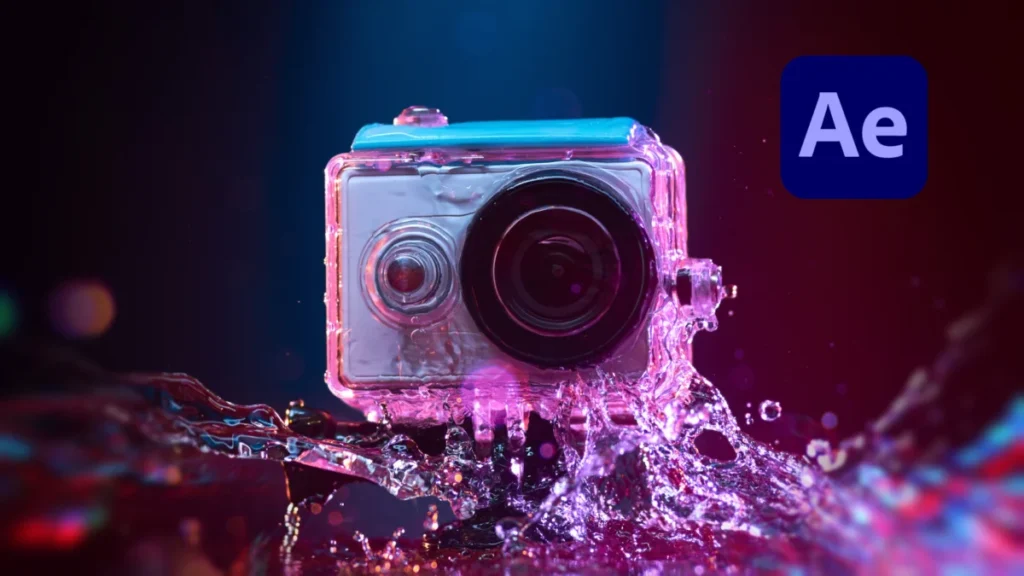
    The digital cinematography landscape has seen a significant shift toward miniaturized high-performance hardware, with action cameras, drones, and mobile devices now capable of recording 4K and 5K resolutions. However, this technological leap has brought a persistent visual artifact to the forefront of post-production challenges: aliasing. While action cameras from manufacturers like GoPro, DJI, and Insta360 offer unprecedented portability, the physical limitations of their small image sensors often result in "jagged" edges and artificial over-sharpening that can undermine the professional quality of a production. Industry experts and post-production specialists are increasingly turning to advanced software solutions, such as the Fast Approximate Anti-Aliasing (FXAA) plugin for Adobe After Effects, to mitigate these issues and restore a more organic, cinematic aesthetic to digital footage.

    The Technical Mechanics of Aliasing in Digital Imaging

    Aliasing is a distortion artifact that occurs when the fine detail in a scene exceeds the resolution of the camera’s sensor, leading to a phenomenon known as sampling error. In the context of video, this manifests as "stair-stepping" on diagonal lines or shimmering patterns on repetitive textures, such as water ripples, brick walls, or fabric. This issue is mathematically grounded in the Nyquist-Shannon sampling theorem, which dictates that a signal must be sampled at a rate at least twice its highest frequency to be accurately reconstructed.

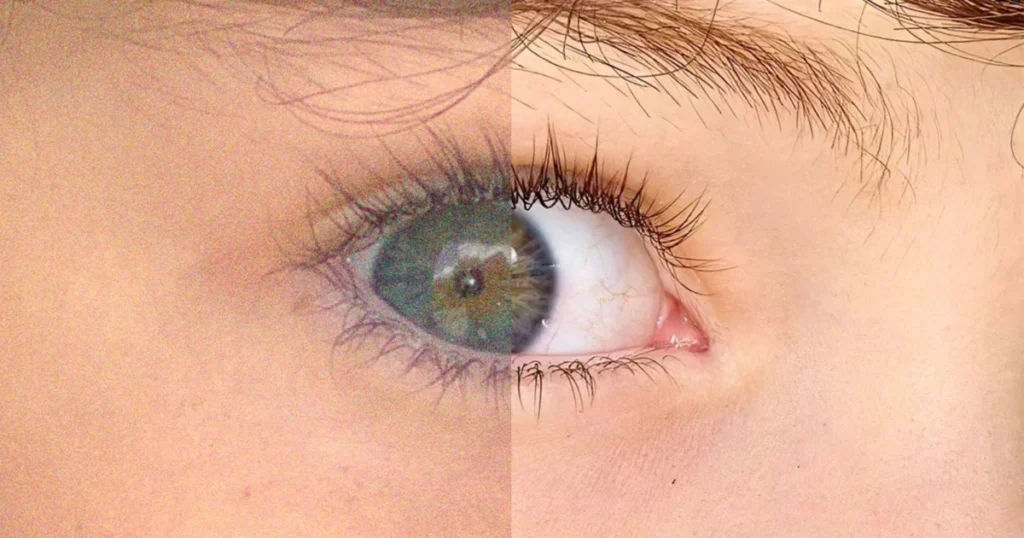
    Quick Tip: Best Way to Reduce Sharpness on Action Cameras in Post

    Because action cameras utilize extremely small sensors—often 1/2.3-inch or 1/1.7-inch—to maintain their compact form factor, the individual pixels are packed tightly together. To compensate for the lack of raw optical detail provided by these small lenses, manufacturers often apply aggressive digital sharpening algorithms in-camera. While this makes the image appear "crisp" on small smartphone screens, it exacerbates aliasing when viewed on professional monitors or large displays, creating high-contrast edges that look unnatural and "digital."

    A Chronology of Post-Production Mitigation Strategies

    The evolution of fixing aliasing in post-production has moved through several distinct phases as computing power has increased. In the early days of digital video, editors had limited tools to combat these artifacts without degrading the overall image quality.

    1. The In-Camera Era (2010–2015): Early adopters of action cameras were forced to rely on physical filters. Neutral Density (ND) filters were used to introduce motion blur, which naturally masked some aliasing, though it did not solve the underlying sampling issue.
    2. The Gaussian Blur Approach (2015–2018): As software like After Effects became industry standards, editors began applying a global Gaussian Blur to footage. By setting a blur radius of 0.5 to 2.0 pixels, the "jaggies" were softened. However, this was a destructive method, as it reduced the sharpness of the entire frame, including areas that did not suffer from aliasing.
    3. The Post-Processing Anti-Aliasing Revolution (2019–Present): Borrowing techniques from the video game industry, developers began creating edge-aware plugins. These tools, like FXAA, utilize intelligent algorithms to identify high-contrast diagonal edges and apply localized smoothing while leaving the rest of the image untouched.

    Data Analysis: The Hardware Constraint and Market Impact

    Market data from 2023 indicates that the global action camera market is projected to reach over $10 billion by 2030, driven largely by content creators and extreme sports enthusiasts. As the demand for high-quality social media content grows, the disparity between high-resolution expectations and small-sensor realities becomes a critical bottleneck.

    Quick Tip: Best Way to Reduce Sharpness on Action Cameras in Post

    Technical benchmarks show that while a full-frame cinema camera might have a pixel pitch of 6.0 microns or larger, an action camera often operates with a pixel pitch of 1.5 to 2.0 microns. This reduction in surface area per pixel leads to lower dynamic range and higher noise floor, which the internal image signal processor (ISP) attempts to "fix" through over-sharpening. Post-production workflows that ignore these artifacts risk high rejection rates from broadcast networks and streaming platforms, which maintain strict quality control standards regarding "shimmering" and "moiré" artifacts.

    The FXAA Solution: A Deep Dive into Edge Detection

    The introduction of the FXAA plugin by Plugin Everything has provided After Effects users with a high-performance, free tool to combat these specific artifacts. Unlike traditional blurs, FXAA (Fast Approximate Anti-Aliasing) was originally developed by Timothy Lottes at NVIDIA as a high-speed alternative to Multi-Sample Anti-Aliasing (MSAA).

    The plugin functions by analyzing the luminance of the pixels to detect edges. Once an edge is identified, the algorithm calculates the orientation of the "stair-step" and applies a sub-pixel blend. This process effectively "fills in" the gaps of the jagged edge with weighted averages of the surrounding pixels. Because it is a post-processing effect, it is incredibly computationally efficient, allowing for real-time playback in many After Effects compositions.

    Quick Tip: Best Way to Reduce Sharpness on Action Cameras in Post

    Implementation Workflow in Adobe After Effects

    For editors looking to integrate this into their pipeline, the process is streamlined to minimize downtime. The standard professional workflow involves three primary steps:

    1. Import and Composition: Action camera footage is imported into a composition that matches the native frame rate and resolution. It is often recommended to perform color correction prior to anti-aliasing, as boosting contrast can make aliasing more visible.
    2. Applying the FXAA Plugin: By navigating to the "Effect" menu and selecting "Plugin Everything > FXAA," the algorithm is applied to the layer. The default settings are designed to handle standard 4K aliasing, but the effect can be "stacked"—applying the plugin twice—for particularly egregious sharpening artifacts.
    3. Comparison and Refinement: Using the "Effect Controls" toggle, editors compare the original "crunchy" edges of the footage against the smoothed FXAA version. The goal is to achieve a look that mimics the "Optical Low Pass Filter" (OLPF) found in high-end cinema cameras like those from RED or ARRI, which naturally prevents aliasing before the light even hits the sensor.

    Industry Responses and Professional Perspectives

    Cinematographers specializing in drone and action photography have noted that while software fixes are vital, they represent only half of the solution. "The best practice is always to reduce sharpening in-camera first," says one veteran drone pilot and colorist. "But many consumer-grade drones and cameras don’t allow you to turn the sharpening completely off. In those cases, a tool like FXAA is not just a luxury; it’s a requirement for a professional delivery."

    Responses from the post-production community highlight the speed of FXAA as its primary advantage. In fast-paced environments like newsrooms or daily vlog production, the ability to clean up footage without significantly increasing render times is a major asset. Furthermore, the fact that the plugin is offered for free has lowered the barrier to entry for independent filmmakers who may not have the budget for expensive "denoising" or "de-shimmering" suites.

    Quick Tip: Best Way to Reduce Sharpness on Action Cameras in Post

    Broader Implications for the Future of Video Editing

    The shift toward algorithmic edge-smoothing points to a broader trend in the industry: the move toward AI-driven and heuristic-based image restoration. As sensors continue to shrink while resolutions rise (with 8K action cameras already appearing on the horizon), the "sampling error" problem will only intensify.

    Future iterations of these tools are expected to incorporate machine learning to distinguish between intentional detail (like the texture of a rock face) and unintentional artifacts (like the shimmering of a distant fence). For now, the combination of hardware awareness—knowing when a camera is likely to over-sharpen—and targeted software intervention remains the most effective strategy for professional editors.

    The ability to salvage "unusable" or "cheap-looking" footage through these technical interventions ensures that the democratization of filmmaking continues. By bridging the gap between consumer hardware and professional aesthetics, plugins like FXAA allow creators to focus on the narrative and action of their shots, rather than the technical limitations of their equipment. As the industry moves forward, the integration of gaming-originated anti-aliasing techniques into traditional film and video workflows marks a significant milestone in the convergence of real-time rendering and cinematic post-production.

  • Reeflex Pro Camera V3 Introduces Advanced Exposure Bracketing and Focus Stacking Features to iPhone Photography

    Reeflex Pro Camera V3 Introduces Advanced Exposure Bracketing and Focus Stacking Features to iPhone Photography

    The mobile photography landscape has witnessed a significant technological leap with the official release of Reeflex Pro Camera version 3, a comprehensive update designed to bridge the gap between smartphone convenience and professional-grade DSLR functionality. This latest iteration from the Reeflex development team introduces a suite of sophisticated tools, including automated exposure bracketing, focus stacking, and a redesigned high-speed burst mode, all housed within a completely overhauled user interface. As mobile hardware continues to evolve with larger sensors and more powerful image signal processors, third-party applications like Reeflex are increasingly leveraging this power to offer features that were previously exclusive to dedicated camera systems.

    The launch of Version 3 represents a pivotal moment for Reeflex, a company that has steadily built a reputation for prioritizing manual control and optical precision. By focusing on the specific needs of landscape, macro, and action photographers, the update addresses several long-standing limitations of the native iOS camera app. While Apple’s built-in software utilizes "Smart HDR" and deep fusion to automate image quality, Reeflex Pro Camera V3 targets the "prosumer" demographic—users who demand granular control over every aspect of the exposure triangle and the optical behavior of their device.

    A Sophisticated Redesign of the User Experience

    The most immediate change in version 3 is the redesigned user interface (UI), which has been engineered to minimize friction during the shooting process. In professional photography, the speed at which a user can adjust settings often determines whether a fleeting moment is captured or lost. Reeflex has addressed this by implementing a more ergonomic layout that places essential controls within easy reach.

    One of the standout UI enhancements is the updated histogram. In previous versions, users were often limited to a standard luminance display. Version 3 allows photographers to toggle between luminance and a full RGB histogram with a single tap. This is a critical addition for professionals who need to monitor color clipping in specific channels—such as bright reds in a sunset or deep blues in a landscape—ensuring that the data remains recoverable during the post-processing stage.

    Furthermore, the app now incorporates intuitive gesture controls. A downward swipe from the top of the viewfinder reveals a quick-access dashboard for secondary settings, including the camera flash, self-timer, and various framing guides such as the rule of thirds or the golden ratio. To assist those utilizing manual focus, Reeflex has introduced a focus loupe. This feature provides a magnified view of the focal point, allowing for pinpoint accuracy that is often difficult to achieve on a standard smartphone screen. The interface also simplifies the selection of file formats (such as RAW, ProRAW, JPEG, and HEIF) and resolutions, providing full support for the virtual lenses found on multi-camera iPhone models.

    Mastering Light through Exposure Bracketing

    Exposure bracketing is a cornerstone technique in professional landscape and architectural photography, used to overcome the dynamic range limitations of any given sensor. While modern iPhone sensors are remarkably capable, they can still struggle with high-contrast scenes, such as a dark interior with a brightly lit window.

    Reeflex Pro Camera V3 automates this process. When the shutter is triggered in bracketing mode, the app captures three distinct images in rapid succession: a "base" exposure, an underexposed frame to preserve highlight detail, and an overexposed frame to recover shadow information. Users are granted significant flexibility, with the ability to set the offset for the under and overexposed shots anywhere from 0.5 to 4.0 stops.

    At present, version 3 requires users to merge these three frames using external software like Adobe Lightroom, Photoshop, or specialized HDR tools. However, Reeflex has indicated that an integrated merging algorithm is currently in development. This feature would allow the app to generate a single high-dynamic-range (HDR) image directly on the device, further streamlining the workflow for mobile-first creators.

    Precision Focus Stacking for Macro and Landscapes

    Perhaps the most technically impressive addition to version 3 is the focus stacking tool. Focus stacking is a technique where multiple images are taken at different focal planes and then blended to create a final image with a deeper depth of field than would be optically possible in a single shot. This is particularly vital in macro photography, where the extremely close proximity to a subject results in a razor-thin area of sharpness.

    The implementation in Reeflex Pro Camera V3 is designed for precision. The user defines a "near" focus point and a "far" focus point. The app then calculates the necessary increments and captures a sequence of images—the number of which is user-definable—as it "walks" the focus through the scene. Much like the bracketing feature, these images currently require external processing to be merged into a single "ticked" file.

    The inclusion of focus stacking is a direct response to the physical limitations of smartphone optics. Because iPhones use relatively wide-angle lenses with fixed apertures, achieving a deep depth of field in close-up shots often results in optical diffraction or requires software-based "portrait mode" blurring which can look artificial. Physical focus stacking provides a genuine optical solution that preserves the integrity of the image data.

    High-Speed Performance and Burst Mode Optimizations

    Speed is a recurring theme in the V3 update. Reeflex has undergone a series of under-the-hood optimizations to reduce shutter lag to near-zero levels. In earlier iterations of third-party camera apps, the delay between pressing the button and the sensor capturing the frame was a common complaint. Version 3 feels significantly more responsive, aligning it more closely with the performance of the native Apple camera.

    To complement this speed, the app introduces a new high-speed burst mode. By holding down the shutter button, users can capture a continuous stream of images, with a real-time counter displaying the frame count on the screen. Additionally, a "Burst On Tap" feature allows users to pre-set a specific number of captures—ranging from 2 to 20—triggered by a single tap. This is an invaluable tool for sports photography or capturing unpredictable subjects like wildlife and children, where the "perfect" frame often occurs in a fraction of a second.

    Technical Evolution and Chronology

    The development of Reeflex Pro Camera V3 is part of a broader trend in the iOS ecosystem where software developers are reclaiming "pro" features that have been obscured by Apple’s push toward automation. Since its initial launch, Reeflex has followed a steady trajectory of updates:

    1. V1.x Era: Focused on manual ISO, shutter speed, and white balance controls, establishing the foundation of the app.
    2. V2.x Era: Introduced support for ProRAW and improved the integration with external lenses (such as anamorphic or macro clip-ons).
    3. V3.0 Launch: The current milestone, moving beyond simple manual controls into complex computational photography workflows like stacking and bracketing.

    This chronology mirrors the evolution of the iPhone hardware itself. With the introduction of the 48-megapixel sensor on the iPhone 14 Pro and 15 Pro series, the sheer volume of data available to developers has increased, necessitating more robust apps to manage that information effectively.

    Market Context and Implications

    The professional mobile photography market is currently dominated by a few key players, including Halide, Moment, and Obscura. Reeflex Pro Camera V3 positions itself as a direct competitor by offering a high degree of technical sophistication at a competitive price point.

    The decision to remain iOS-exclusive is a strategic one, albeit a limitation for the broader market. The consistency of Apple’s API (Application Programming Interface) for camera hardware allows developers like Reeflex to optimize their code for specific sensor behaviors and ISP (Image Signal Processor) pipelines. On Android, the fragmentation of hardware makes this level of granular control significantly more difficult to achieve across multiple manufacturers.

    Industry analysts suggest that the rise of such apps is changing the "carrying cost" of professional photography. For many journalists, social media managers, and even some commercial photographers, the ability to perform focus stacking or bracketed exposures on a device that fits in a pocket reduces the need for heavy gear bags on certain assignments.

    Official Positioning and Availability

    Reeflex has positioned V3 as a "professional’s companion." While the app is accessible to hobbyists, its full potential is realized when used in conjunction with a tripod or a stable mounting system, particularly for the bracketing and stacking features where frame alignment is paramount.

    In terms of business model, Reeflex has adopted a hybrid approach that has become common in the App Store. The app is available on the Apple App Store with two primary tiers:

    • Annual Subscription: $15 USD per year, providing access to all premium features and future updates.
    • Lifetime Purchase: $26 USD, a one-time payment for those who prefer to avoid recurring costs.

    To lower the barrier to entry, Reeflex offers a free trial period, allowing users to test the new interface and the efficacy of the manual controls before committing to a purchase.

    Final Analysis: The Future of Mobile Stills

    Reeflex Pro Camera V3 is a testament to the fact that the smartphone is no longer just a device for casual snapshots; it is a legitimate tool for the photographic arts. By implementing exposure bracketing and focus stacking, Reeflex is providing users with the mathematical and optical tools to overcome the physical constraints of small-sensor photography.

    The primary drawback remains the lack of video support. Users looking for an all-in-one solution for both cinema and stills will still need to look elsewhere or use Reeflex alongside a dedicated video app like Blackmagic Cam or Filmic Pro. Additionally, the current requirement for external merging software for HDR and focus stacks adds a step to the workflow, though the promise of in-app merging in future updates suggests that Reeflex is committed to a truly "end-to-end" mobile professional experience.

    As mobile processors continue to rival desktop performance, the line between "computational" photography and "traditional" photography continues to blur. Reeflex Pro Camera V3 sits firmly at the center of this intersection, offering a glimpse into a future where the most powerful camera is indeed the one that is always with you.

Grafex Media
Privacy Overview

This website uses cookies so that we can provide you with the best user experience possible. Cookie information is stored in your browser and performs functions such as recognising you when you return to our website and helping our team to understand which sections of the website you find most interesting and useful.