
Tag: driven

  • AI-Driven Traffic Surges in Retail with Unprecedented Engagement and Conversion Rates, Challenging Previous Skepticism.

    AI-Driven Traffic Surges in Retail with Unprecedented Engagement and Conversion Rates, Challenging Previous Skepticism.

    A groundbreaking report from Adobe Digital Insights reveals a dramatic surge in traffic originating from Artificial Intelligence (AI) sources to U.S. retail websites, experiencing a staggering 393% year-over-year increase in the first quarter and a 269% rise in March alone. Far from being merely a volume increase, this AI-driven traffic is demonstrating significantly higher engagement metrics and, most notably, converting better than traffic observed in the previous year, fundamentally shifting perceptions regarding the quality and value of AI-assisted online shopping. This comprehensive analysis, based on over 1 trillion visits to U.S. retail sites, provides a critical data-backed perspective on the evolving landscape of digital commerce and the increasingly pivotal role of AI.

    The Dawn of AI in E-commerce: A Rapid Ascent

    The past 18-24 months have witnessed an unprecedented acceleration in the development and public adoption of generative AI technologies. From large language models integrated into search engines to sophisticated AI assistants capable of complex queries, these tools have rapidly permeated various aspects of daily digital life, including how consumers discover and purchase products online. Initially, there was considerable skepticism among digital marketers and e-commerce professionals regarding the quality of traffic generated through these nascent AI interfaces. Concerns ranged from potential brand safety issues to a perceived lack of commercial intent, with many questioning whether AI-driven referrals would translate into meaningful engagement or sales. The prevailing sentiment was that while AI might drive volume, its conversion potential remained dubious, often being compared unfavorably to established organic search channels. However, Adobe’s latest findings offer a robust counter-narrative, suggesting that AI-powered shopping experiences are maturing at an accelerated pace, delivering tangible benefits to retailers.

    Adobe’s Landmark Findings: A Deep Dive into the Data

    The Adobe Digital Insights report stands as a crucial benchmark, providing empirical evidence that AI-driven traffic is not only growing exponentially but is also proving to be highly valuable. The sheer scale of the data—direct transaction insights from over one trillion visits to U.S. retail websites—lends significant credibility to its conclusions, offering a panoramic view of consumer behavior.

    • Unprecedented Traffic Surge: The headline figures of a 393% year-over-year increase in Q1 and a 269% jump in March underscore the rapid integration of AI into the consumer’s shopping journey. This growth far outstrips general e-commerce growth rates, which, while steady, typically hover in the single to low double-digit percentages. This indicates a fundamental shift in how consumers are initiating their product discovery and research phases, increasingly leveraging AI tools as primary touchpoints. This exponential rise suggests that AI is quickly becoming a major referral source, demanding immediate attention from digital marketing strategists.

    • Enhanced Engagement Metrics: Beyond mere traffic volume, the report highlights a significant improvement in user engagement from AI sources. Visitors arriving via AI demonstrate:

      • 12% increase in overall engagement: This metric can encompass various interactions, such as scrolling depth, clicks on product images, or utilization of site features. Increased engagement signals a more active and interested user base.
      • 48% increase in time on site: Nearly half again as much time spent browsing indicates that AI-referred users are delving deeper into product catalogs, comparing options, and absorbing more information. Longer dwell times are often correlated with higher purchase intent and a more thorough evaluation process.
      • 13% increase in pages per visit: This further reinforces the idea of deeper engagement. Users navigating more pages per session are actively exploring different products, categories, or content, suggesting a comprehensive shopping mission rather than a quick glance. For retailers, these engagement metrics are vital indicators of quality traffic, as they directly contribute to brand exposure, product discovery, and ultimately, conversion potential.
    • Conversion Breakthrough: Perhaps the most compelling revelation is that AI traffic is converting better than in the previous year. This finding directly refutes the earlier skepticism about the commercial viability of AI-driven referrals. Better conversion rates imply that users coming from AI sources are not just browsing; they are arriving with clearer intent, finding what they need more efficiently, or are better pre-qualified by the AI itself. This could be attributed to AI’s ability to refine search queries, offer highly personalized recommendations, or present information in a more digestible format, guiding users closer to their desired products before they even land on a retailer’s site. For retailers, this translates into a more efficient marketing spend and a stronger return on investment from efforts directed at optimizing for AI visibility.

    • Consumer Behavior Insights: The report also incorporates insights from a survey of over 5,000 U.S. consumers, shedding light on how they are utilizing AI for shopping. While specific survey details are not extensively provided in the original brief, it can be logically inferred that consumers are likely leveraging AI for tasks such as:

      • Product Discovery: Asking AI to suggest products based on broad criteria or specific needs.
      • Comparison Shopping: Using AI to quickly compare features, prices, and reviews across multiple brands and retailers.
      • Personalized Recommendations: Receiving tailored suggestions based on past purchases, browsing history, or stated preferences.
      • Information Synthesis: Getting quick summaries of product specifications, user reviews, or brand reputation. These applications highlight AI’s role in streamlining the pre-purchase research phase, empowering consumers with more informed decision-making before they even reach a retail website.

    Industry Perspective and Expert Commentary

    Vivek Pandya, director of Adobe Digital Insights, succinctly captured the essence of these findings, likely emphasizing the paradigm shift underway. His insights would undoubtedly focus on the undeniable trend towards AI-mediated shopping and the imperative for retailers to adapt.

    Beyond Adobe, industry analysts and e-commerce strategists are beginning to fully grasp the implications of these findings. Digital marketing experts, who previously advised caution regarding AI traffic, are now shifting their recommendations. "This data from Adobe is a game-changer," commented Dr. Eleanor Vance, a leading e-commerce consultant. "It validates what many of us have suspected: as AI tools mature, they are becoming incredibly effective at matching consumer intent with relevant products. Retailers who ignore this trend do so at their peril." SEO professionals are also re-evaluating their strategies, moving beyond traditional keyword optimization to focus on semantic understanding, structured data, and ensuring content is easily digestible and interpretable by AI models. The emphasis is no longer just on ranking for keywords, but on providing comprehensive, authoritative information that AI can confidently synthesize and present to users.

    The Optimization Gap: A Retailer’s Challenge

    Despite the undeniable benefits, Adobe’s report points to a significant hurdle: many retail sites are not yet fully optimized for AI visibility, especially their product pages. This "optimization gap" means that while AI is driving traffic, many retailers are not maximizing their potential to capture and convert these high-intent users.

    AI traffic converts better than non-AI visits for U.S. retailers: Report

    What does "optimized for AI visibility" entail? It extends far beyond traditional SEO:

    • Structured Data (Schema Markup): Implementing comprehensive Schema.org markup for products (price, availability, reviews, descriptions, SKU, brand) is crucial. This allows AI systems to accurately parse and understand product information, enabling richer displays in AI search results or more precise recommendations from AI assistants.
    • Clear, Concise, and Comprehensive Product Content: AI thrives on well-organized, factual information. Product descriptions need to be detailed yet easy to understand, avoiding jargon where possible, and clearly highlighting key features and benefits.
    • Rich Media and Accessibility: High-quality images, videos, and 3D models enhance the user experience and provide AI with more context about the product. Ensuring these assets are properly tagged and accessible is also key.
    • Semantic SEO: Moving beyond exact-match keywords to an understanding of user intent and related topics. AI models are highly adept at understanding context and synonyms, so content should be written naturally and comprehensively around a product.
    • API Integrations and Data Feeds: In the future, direct API access or robust data feeds might become essential for AI systems to pull real-time product information, inventory levels, and pricing, ensuring accuracy and timeliness in AI-generated responses.
    • Mobile Responsiveness and Site Performance: A fast, mobile-friendly site is not just good for users; it’s essential for AI crawlers and ensures a seamless experience for AI-referred traffic.

    The consequence of this optimization gap is that retailers might be missing out on valuable conversions or failing to provide AI systems with the necessary data to accurately represent their products. An AI assistant might struggle to provide a comprehensive answer about a product if its page lacks structured data or clear information, potentially directing the user to a competitor who has invested in better AI-readiness.

    Strategic Implications for the Digital Retail Landscape

    The surge in high-quality AI traffic carries profound strategic implications for the entire digital retail ecosystem, necessitating a paradigm shift in how businesses approach their online presence.

    • Shifting SEO Paradigms: The traditional SEO playbook, focused heavily on Google’s organic search algorithm, must evolve. While traditional search remains vital, optimizing for AI visibility introduces new dimensions. It means prioritizing data quality, semantic relevance, and the ability of AI models to interpret and synthesize product information accurately. SEO professionals will increasingly become "AI content strategists," ensuring data feeds are clean, product pages are semantically rich, and content answers potential AI queries comprehensively.

    • Hyper-Personalization and Enhanced Customer Journeys: AI’s ability to understand user intent and preferences enables unprecedented levels of personalization. Retailers can leverage AI to offer highly relevant product suggestions, customize shopping experiences, and even provide proactive customer service, anticipating needs before they are explicitly stated. This leads to more satisfying customer journeys and increased loyalty.

    • Competitive Advantage for Early Adopters: Retailers who proactively embrace AI optimization and integrate AI-powered tools into their strategies stand to gain a significant competitive edge. By making their products more discoverable and appealing to AI-driven traffic, they can capture market share from competitors who lag in adaptation. This is not just about visibility but about delivering a superior, AI-enhanced shopping experience.

    • Investment in AI Infrastructure and Talent: The findings underscore the necessity for retailers to invest not only in technology but also in talent. This includes hiring data scientists, AI specialists, and digital marketers with expertise in AI optimization. Infrastructure investments will focus on robust data management systems, AI-powered analytics tools, and platforms capable of handling complex AI integrations.

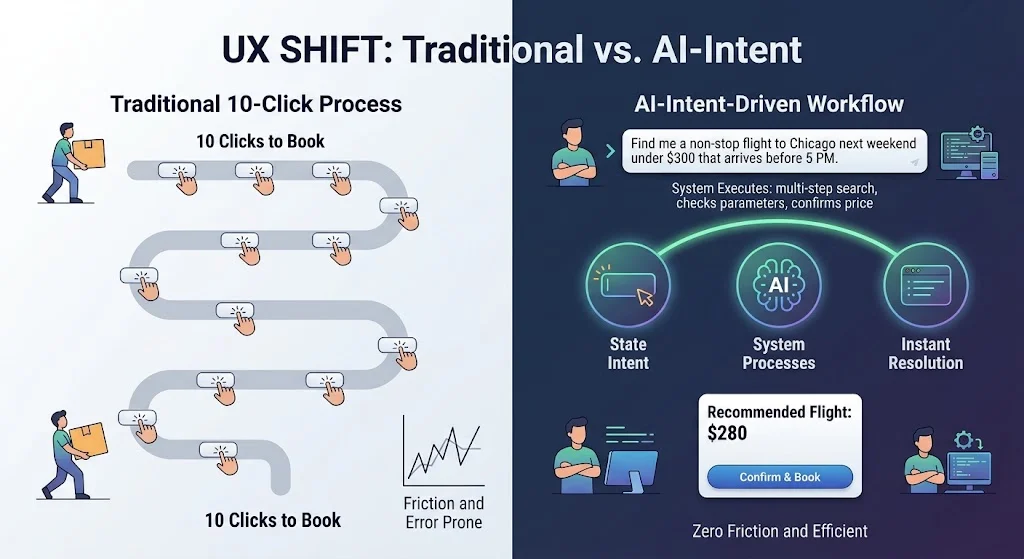
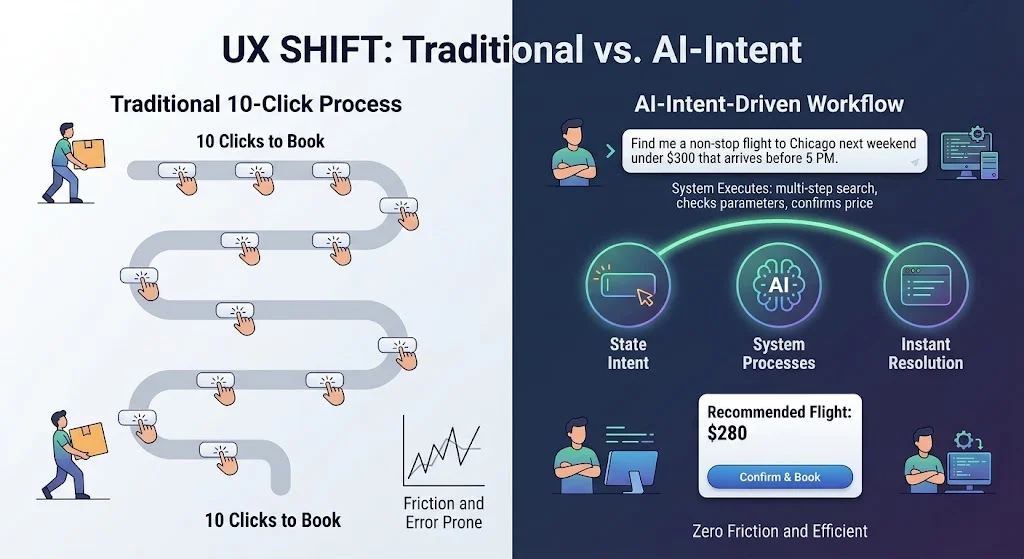
    • The Future of Shopping is Conversational and Contextual: As AI continues to evolve, shopping experiences will become increasingly conversational and context-aware. AI assistants will act as personal shoppers, capable of understanding nuanced preferences, cross-referencing information from various sources, and guiding users through complex purchase decisions. Retailers must prepare for a future where product discovery might often bypass traditional search engine results pages in favor of direct AI interactions. This shift necessitates thinking about product information not just for a human reader, but for an intelligent agent.

    Methodology and Data Integrity

    Adobe’s findings are based on a robust methodology that leverages direct transaction data from over one trillion visits to U.S. retail websites. This vast dataset provides an unparalleled view of real-world consumer behavior and e-commerce trends, moving beyond anecdotal evidence or smaller sample sizes. Complementing this quantitative analysis, the company also surveyed more than 5,000 U.S. consumers to gain qualitative insights into how they utilize AI in their shopping journeys. This dual approach of large-scale transactional data combined with direct consumer feedback ensures a comprehensive and credible understanding of AI’s impact on retail. The data is anonymized and aggregated, focusing on trends rather than individual consumer behavior, maintaining ethical data practices.

    Looking Ahead: The Inevitable Evolution of AI Commerce

    The report’s assertion that "AI shopping today is as bad as it will ever be" is a powerful statement about the trajectory of this technology. It implies that current AI capabilities, while already impactful, represent merely the nascent stages of what is to come. As AI models become more sophisticated, more accurate, and more seamlessly integrated into daily life, the value of this channel for retailers will only continue to increase. Future iterations of AI will likely offer even deeper personalization, more intuitive conversational interfaces, and predictive capabilities that anticipate consumer needs before they arise. Virtual try-ons, AI-powered style advisors, and automated replenishment services are just a few examples of how AI is poised to revolutionize the retail experience further.

    For retailers, the message is clear: the era of AI-driven commerce has not only arrived but is accelerating at an unprecedented pace. Adapting to this new reality is no longer an option but an imperative for sustained growth and competitiveness. Investing in AI optimization, understanding consumer interactions with AI, and continually refining digital strategies to accommodate AI-powered discovery will be critical determinants of success in the evolving landscape of online retail. The data from Adobe unequivocally confirms that AI traffic is not just growing; it’s delivering high-quality, engaged customers ready to convert, signaling a prosperous future for retailers who are ready to embrace it.

  • Instagram Expands User-Driven Algorithm Controls to Explore Feed to Enhance Content Personalization and Transparency

    Instagram Expands User-Driven Algorithm Controls to Explore Feed to Enhance Content Personalization and Transparency

    In an effort to provide users with more granular control over their digital experiences, Instagram has officially announced the expansion of its "Your Algorithm" feature, allowing individuals to actively manage the content recommendations they encounter within the Explore feed. This update represents a significant shift from the platform’s traditional reliance on passive observation of user behavior, moving toward a model that incorporates direct, intentional input from the user base. Previously limited to the Reels tab, the expansion to the Explore feed signifies Instagram’s commitment to a unified recommendation system that spans multiple surfaces within the application.

    The "Your Algorithm" tool provides a straightforward interface where users can input specific topics they wish to see more frequently or, conversely, topics they would prefer to avoid. By selecting from suggested interest categories or typing in specific themes, users can theoretically fine-tune the automated systems that govern their daily scrolling. According to official statements from Instagram, any adjustments made within this tool will now carry across both Reels and the Explore feed, reinforcing the concept of a singular, cohesive algorithmic profile for every account. This "one algorithm" approach is designed to ensure that a user’s preferences are reflected consistently, regardless of which part of the app they are currently navigating.

    The Evolution of Instagram’s Discovery Engine

    The introduction of these controls marks a pivotal moment in the chronological history of Instagram’s development. For years, the platform operated primarily on a social graph—a system where users saw content based almost exclusively on the accounts they chose to follow. However, following the industry-wide shift toward short-form video and interest-based discovery, largely pioneered by competitors like TikTok, Instagram transitioned into what Meta executives frequently refer to as a "Discovery Engine."

    In this current iteration, AI-driven recommendations account for an increasingly large percentage of the content a user sees. This shift has not been without controversy. Many long-term users have expressed frustration over the dilution of their primary feeds with "suggested" content from accounts they do not follow. The "Your Algorithm" expansion serves as a strategic response to these criticisms, offering a middle ground where the platform can maintain its AI-driven engagement levels while providing users with the perception—and the practical tools—of agency.

    Instagram first began testing these manual topic controls for Reels in October. The pilot program aimed to determine whether users would engage with manual curation tools and whether such inputs would improve overall satisfaction scores. The decision to roll out the feature to the Explore feed suggests that the initial data from the Reels test was positive enough to warrant a broader application. As of the current rollout, the feature is being made available to all English-language users globally, with plans for further linguistic and regional expansions in the coming months.

    Technical Mechanics and User Interface

    The functionality of the "Your Algorithm" feature is integrated directly into the existing user interface to minimize friction. Within the Explore tab, users will now notice "topic pills" at the top of the screen. These are interactive labels that categorize content. By interacting with these pills, users can add or remove specific interests on the fly. Furthermore, the settings menu now includes a dedicated section for "Your Algorithm," where a comprehensive list of inferred interests is displayed.

    From this dashboard, a user can see exactly what the AI thinks they are interested in based on their past likes, saves, and watch times. If the algorithm has incorrectly identified a user as an enthusiast of a specific niche—such as extreme sports or niche cooking—the user can manually delete that interest. Conversely, they can proactively add topics like "sustainable architecture" or "independent cinema" to ensure those themes are prioritized in their feed.

    A unique social component has also been added to this update. Users now have the option to share their selected interests to their Instagram Stories. While seemingly a minor feature, this encourages transparency and peer-to-peer discovery of the new tool, potentially increasing the adoption rate of a feature that might otherwise remain buried in the settings menu.

    Supporting Data: The Role of AI in Meta’s Growth

    To understand why Instagram is introducing these controls now, it is essential to look at the underlying data regarding Meta’s performance. In recent quarterly earnings reports, Meta has consistently highlighted that AI-driven recommendations are the primary catalyst for increased time spent on both Facebook and Instagram. According to Meta’s internal metrics, the implementation of more sophisticated AI models has led to a double-digit percentage increase in the time users spend consuming Reels.

    However, there is a delicate balance to maintain. Internal research across the social media industry suggests that while AI can maximize short-term engagement, it can also lead to "content fatigue" if the variety of the feed becomes too narrow or if the algorithm becomes stuck in a "filter bubble." By allowing users to manually reset or nudge their interests, Instagram is essentially creating a safety valve for its recommendation engine. This helps prevent user churn by giving people a way to "break out" of repetitive content cycles without having to leave the platform entirely.

    Instagram expands Your Algorithm tool to Explore

    Furthermore, industry data indicates that transparency is becoming a major factor in brand loyalty among Gen Z and Millennial demographics. A 2023 study on digital consumer behavior found that over 60% of social media users felt "manipulated" by algorithms they did not understand. By surfacing the "Your Algorithm" dashboard, Instagram is attempting to demystify its backend processes, moving away from the "black box" model of social media and toward a more collaborative relationship with its audience.

    Official Responses and Strategic Implications

    Adam Mosseri, the Head of Instagram, has frequently addressed the tension between user control and algorithmic efficiency in his weekly "Ask Me Anything" sessions and video updates. Mosseri has noted that while users often claim they want a purely chronological feed, engagement data shows that most users find such feeds less interesting over time because they lack the element of discovery.

    "We want to make sure that the time people spend on Instagram is intentional and valuable," Mosseri stated in a recent discussion regarding platform transparency. "Giving people the ability to tell us directly what they want more of—and what they want less of—is a key part of that mission."

    From a strategic standpoint, this update also serves as a preemptive measure against increasing regulatory scrutiny. In jurisdictions like the European Union, the Digital Services Act (DSA) and the Digital Markets Act (DMA) are placing immense pressure on "Very Large Online Platforms" (VLOPs) to provide users with more control over how their data is used to profile them. Features like "Your Algorithm" provide a documented way for Meta to show regulators that they are empowering users with choices regarding their data-driven experiences.

    The Paradox of User Control: Analysis of Broader Impact

    Despite the technical sophistication and the noble intent behind the "Your Algorithm" feature, industry analysts remain skeptical about its long-term impact on the average user’s experience. History in the social media space suggests a phenomenon known as the "Paradox of Choice." While users frequently vocalize a desire for manual controls and chronological options, the vast majority of people never actually use them.

    When Instagram reintroduced the "Following" and "Favorites" chronological feed options in 2022, adoption rates were reportedly low. Most users continued to default to the main algorithmic feed because it requires the least amount of effort. The "Your Algorithm" tool faces a similar challenge: it requires manual labor from the user. For a platform built on the concept of "frictionless scrolling," any feature that requires a user to stop, think, and input data is inherently at odds with the core user behavior.

    However, the value of this feature may not lie in its widespread use, but rather in its existence as a "reassurance mechanism." Even if only 5% of the user base actively manages their topic list, the fact that the option exists provides a psychological sense of agency to the other 95%. It shifts the narrative from "the algorithm is forcing this on me" to "I am choosing to let the algorithm show me this."

    For creators and digital marketers, this update introduces a new layer of complexity to Search Engine Optimization (SEO) within the app. If users are now manually selecting topics, it becomes even more critical for creators to use accurate keywords, hashtags, and alt-text to ensure their content is correctly categorized by Instagram’s system. If a user manually adds "vintage fashion" to their interests, and a creator’s post is not properly tagged as such, that post may miss out on a highly motivated and intentional audience.

    Conclusion and Future Outlook

    The expansion of "Your Algorithm" to the Instagram Explore feed is a clear indicator of where the social media landscape is heading. We are moving toward a hybrid era where powerful AI models provide the foundation of the experience, but human curation provides the direction. This update acknowledges that while AI is excellent at predicting what we might like based on our past, it is less capable of knowing who we want to become or what new interests we wish to cultivate.

    As Instagram continues to roll out this feature to non-English speaking markets, the platform will likely monitor how direct user inputs affect long-term retention. If successful, we can expect to see even more granular controls, perhaps even extending to the main feed or the "Suggested Posts" that appear between friends’ photos. For now, the "Your Algorithm" expansion stands as a significant experiment in digital sovereignty, testing whether users truly want to be the architects of their own feeds or if they are content to let the machine lead the way.

  • The Content Marketing Paradigm Shift: Adapting to the Age of AI-Driven Discovery

    The Content Marketing Paradigm Shift: Adapting to the Age of AI-Driven Discovery

    For two decades, the landscape of content marketing and search engine optimization (SEO) operated under a largely predictable framework: optimize for search engine rankings, aggressively pursue share of voice against direct competitors, and prioritize click-through rates (CTRs). The ultimate measure of success was securing a click and directing traffic back to a brand’s owned digital properties. This established model, however, is undergoing a fundamental breakdown, driven by the rapid integration of artificial intelligence (AI) into how users discover information. In these AI-driven discovery environments, the nature of competition has fundamentally changed. Content is no longer solely vying for human attention and eyeballs in the traditional sense; instead, it is now in a contest to be incorporated into the language, examples, and foundational assumptions that AI systems utilize to construct their answers. The initial challenge for content creators and marketers is to survive this AI summarization process and effectively write for what can be termed the "idea ecosystem."

    The Emergence of a New Content Ecosystem

    The mechanics of AI-driven information retrieval are transforming user interaction with digital content. When an individual poses a question to sophisticated systems such as ChatGPT, Perplexity, or Google’s AI Overviews, the AI constructs a comprehensive answer by synthesizing information from a multitude of sources simultaneously. In this new paradigm, a brand’s content enters the AI system not as a final, polished piece, but as raw material. It is then deconstructed, recomposed, and integrated alongside other inputs to generate a synthesized response.

    The paramount objective for content marketers has shifted from simply earning a click to influencing the AI’s output. The highest echelon of success is achieving a level of impact on major large language models (LLMs) that results in a direct citation by brand name. A secondary, yet still highly valuable, outcome is witnessing brand-specific terminology or conceptual frameworks consistently appear within AI-generated answers, even in the absence of explicit brand attribution. While the absence of direct attribution might initially seem like a disadvantage, being referenced by AI, even indirectly, can profoundly influence multiple stages of the sales funnel.

    Consider a scenario where an AI repeatedly explains a particular industry category using a brand’s unique logic or terminology. This consistent exposure can cultivate a subtle but potent form of brand recognition and familiarity among potential buyers. When these individuals eventually reach a decision-making phase, the product or service associated with that familiar logic may emerge as the seemingly obvious and preferred choice. This phenomenon underscores a significant departure from traditional SEO strategies, where direct traffic and website visits were the primary metrics. The new frontier prioritizes the pervasiveness and influence of ideas themselves within the AI’s knowledge base.

    What Endures the AI Compression Process?

    The ability of content to survive the AI summarization process hinges on its capacity to function as an "anchor" within the vast sea of information. These anchors provide stable reference points that enable AI systems to organize and structure complex topics. Examples of such anchors include a clearly articulated model for understanding a problem, an original benchmark that offers a quantifiable reference point, or content that introduces novel structure or, more significantly, valuable and unique data. This principle helps explain the observed rise in branded benchmarking reports and flagship research initiatives. Brands are investing in generating proprietary data and analytical frameworks that are inherently more difficult for AI to replicate or dismiss as generic.

    Conversely, generic content, characterized by familiar advice and widely disseminated tips, tends to dissolve into the background. Such content offers little that is novel or distinctive, failing to alter the AI’s fundamental understanding of a topic. It becomes indistinguishable from the countless other similar pieces of information it encounters.

    In contrast, content that presents a sharply argued and original position provides AI systems with something concrete to "work with." Rather than blending seamlessly into the broader information landscape, it actively helps organize other inputs. This is why original language is crucial, not as mere stylistic flourish, but as a vehicle for distinct ideas. Precisely defined and unique terminology can make a concept more easily identifiable and quotable by AI, thus increasing its chances of surfacing in generated responses. This emphasizes a shift from optimizing for human readability and engagement alone, to optimizing for AI comprehension and integration.

    Rethinking Content Strategy for the AI Era

    The implications for content marketers are profound, necessitating a fundamental rethinking of existing strategies. Content can no longer be viewed primarily as an asset designed to drive traffic to a website. Instead, it must function as a reservoir of durable ideas that possess the resilience to persist across various platforms and the inevitable summarization layers imposed by AI. This requires a deliberate prioritization of clarity over cleverness. A straightforward, compelling original data point or a clearly defined concept will travel further and have a more lasting impact than a witty headline or a cleverly phrased anecdote.

    Furthermore, investing in strong framing is essential. If a brand can articulate a concept, provide a clear structure for it, and make it easily restatable with accuracy, it significantly increases the probability that the idea will endure within AI’s knowledge base. This involves meticulous attention to how concepts are introduced and explained, ensuring they are not susceptible to misinterpretation or oversimplification.

    The use of memorable language is also paramount. This does not refer to the adoption of buzzwords or industry jargon, which AI often struggles to contextualize effectively. Instead, it emphasizes precise, specific phrasing that is inherently difficult to substitute with a generic equivalent. Such language acts as a unique identifier, making the content more discoverable and retainable by AI systems.

    Crucially, marketers must recognize that safe, consensus-driven content is the most vulnerable to erasure in the AI summarization process. Content that merely reiterates what is already widely stated contributes nothing distinct to the information synthesis. It becomes, in essence, filler material, lacking the originality and substance that AI seeks to distill. This realization can be uncomfortable for brands that have historically built their content strategies around risk aversion. However, in an environment where AI systems are designed to synthesize dozens, if not hundreds, of voices into a single cohesive answer, the greatest risk a brand can take is to possess no distinct voice at all.

    The New Competitive Arena: Ideas, Not Just Brands

    AI operates on a fundamentally different set of priorities than human readers. It does not inherently value brand equity in the same way a consumer does. A Reddit comment containing a particularly sharp insight, if it is distinct and easily digestible by an AI, can effectively outcompete a meticulously polished whitepaper. Similarly, an academic study with clear, specific findings might overshadow a brand’s thought leadership content if the study’s findings are more precise and easier for AI to integrate.

    This dynamic can be seen as a leveling of the playing field in some respects, democratizing access to information discovery. However, it also significantly raises the bar for content quality and originality. Brands whose content strategies were developed under the old model must now conduct a thorough audit. Evaluating existing and planned content for AI search requires asking critical questions:

    • Does the content introduce novel data or a unique perspective that AI can leverage?
    • Is the core idea or concept clearly articulated and easy to grasp?
    • Does the content provide a structured framework for understanding a problem or topic?
    • Does it utilize precise, memorable language that distinguishes it from generic discourse?
    • Is the argument sharp and distinctive, offering a clear point of view?
    • Does it offer a benchmark or a new model that AI can reference?
    • Is the content optimized for clarity and simplicity, making it easily summarizable?

    The ultimate metric in this new landscape is "idea persistence." It is time for content creators and marketers to actively measure and strategize for this crucial outcome.

    The Long Shadow of AI on Search and Discovery

    The integration of AI into search engines and information retrieval platforms represents a paradigm shift that echoes the early days of the internet’s commercialization. Just as early websites focused on basic search engine optimization to gain visibility, the current challenge is to ensure content’s relevance and embed its core ideas within the AI’s understanding. For instance, Google’s introduction of AI Overviews, which directly answer user queries by synthesizing information from multiple sources, signals a move away from simply presenting a list of links. This feature, rolled out broadly in May 2024, aimed to provide more direct and immediate answers, but it also highlighted the potential for content to be summarized and its originality diluted.

    Industry analysts have noted that this transition is not merely an incremental change but a fundamental redefinition of online discoverability. According to a report by the Interactive Advertising Bureau (IAB) in late 2023, over 60% of marketers were already exploring how to adapt their content strategies for generative AI, indicating a widespread recognition of the impending shift. The underlying technology powering these AI systems, such as transformer models, are designed to process vast amounts of text and identify patterns, relationships, and core concepts. This inherent design makes content that is exceptionally clear, well-structured, and data-rich far more likely to be understood and incorporated.

    The implications extend beyond organic search. Paid search advertising may also need to evolve, with a potential shift towards influencing AI-generated answers or appearing as cited sources within them. The concept of "brand equity" in AI discovery is less about a logo and more about the distinctiveness and utility of the ideas a brand associates with itself. A brand that consistently produces high-quality, original research or insightful frameworks will find its ideas becoming foundational to how AI explains complex topics, thereby building a different, yet equally powerful, form of brand recognition.

    Addressing Common Concerns and Future Outlook

    Several questions naturally arise for marketers navigating this evolving landscape. A primary concern is the perceived obsolescence of SEO. While the tactics of traditional SEO may need adjustment, the underlying principles of discoverability and authority remain relevant. Ranking well is still important for initial visibility and establishing credibility, but it is no longer sufficient if the content’s core ideas are lost in AI summarization. SEO will likely evolve to focus more on technical optimization for AI’s consumption and on demonstrating expertise and trustworthiness, which AI systems can interpret.

    Another critical question is how to ascertain if content is influencing AI answers. This is not a straightforward metric. Instead, signals are often indirect and cumulative. Recurring language or framing in AI-generated responses, familiarity with specific terminology in user queries to AI, or prospects echoing a brand’s unique concepts in sales conversations are all indicators of influence. This influence is a long-term play, built over time, rather than a dashboard metric.

    The realism of direct AI attribution for most brands is a nuanced issue. Direct citations do occur, particularly in product-focused or comparative searches where specific data points or feature comparisons are crucial. However, this is inconsistent and difficult to control. For many brands, especially those operating in crowded or conceptually driven markets, the more attainable and reliable goal is "idea adoption" – seeing their concepts and language become part of the AI’s general knowledge. Direct attribution should be viewed as a significant upside, not the baseline for success.

    The future of content marketing in the AI era will demand adaptability, a renewed focus on intellectual rigor, and a willingness to experiment with new forms of content that prioritize clarity and distinctiveness. Brands that embrace this evolution will not only survive but thrive, establishing themselves as authoritative sources of knowledge within the increasingly intelligent digital ecosystem.

    Frequently Asked Questions (FAQs):

    Does this mean SEO no longer matters?
    No. SEO still plays a role, especially for discovery and authority signals. But it’s no longer sufficient on its own. Ranking well doesn’t guarantee influence if your ideas disappear during summarization. The focus of SEO may shift towards ensuring content is discoverable and understandable by AI, in addition to human search engines.

    How can we tell if our ideas are influencing AI answers?
    You won’t see a single metric. Signals tend to be indirect: recurring language in AI-generated responses, familiar framing appearing across tools, or prospects repeating your terminology in conversations. Influence shows up over time, not in dashboards. This requires ongoing qualitative analysis of AI outputs and market conversations.

    Is AI attribution realistic for most brands?
    It depends on the category and the role your content plays in the buying journey. Direct citation does happen, especially in product-led or comparison-driven searches, but it’s inconsistent and difficult to control. For most brands—particularly those operating in crowded or concept-driven categories—the more reliable goal is idea adoption. Attribution should be treated as an upside, not the baseline measure of success.


    This article was originally published by Contently and discusses the evolving strategies for content marketing in the age of AI-driven discovery.

  • The Comprehensive Guide to Modern SEO Audits in an AI-Driven Search Landscape

    The Comprehensive Guide to Modern SEO Audits in an AI-Driven Search Landscape

    An SEO audit is a methodical examination of a website’s overall search engine performance, encompassing its technical foundation, content quality, and visibility within search results. Historically, these audits primarily focused on identifying and rectifying issues that hindered traditional "blue-link" rankings in Google Search. However, the advent of artificial intelligence (AI) in search engines has profoundly reshaped how users discover brands and interact with information online. Consequently, modern SEO audits have evolved to include critical new dimensions, such as evaluating entity signals, assessing brand visibility in AI-generated answers, and analyzing content performance within generative AI platforms.

    This guide delves into the contemporary approach to conducting an effective SEO audit, providing clear steps, practical examples, and a comprehensive checklist designed to empower SEO professionals across all skill levels to drive measurable traffic growth and achieve business objectives in this new era of search.

    Understanding the Core of an SEO Audit and Its Evolving Significance

    At its fundamental level, an SEO audit is a structured review designed to pinpoint technical, on-page, content, and link-related issues that impede a website’s performance in search engines. These findings are then translated into a prioritized action plan to unblock traffic, improve rankings, and, most importantly, boost conversions. For businesses and their SEO teams, conducting regular audits is not merely a best practice; it is a strategic imperative for identifying growth opportunities that align directly with overarching business goals.

    Traditionally, an audit would scrutinize elements like crawlability, indexability, metadata optimization, and backlink profiles. While these remain foundational, the landscape of search has undergone a transformative shift with the integration of AI. Major search engines like Google are increasingly relying on sophisticated AI models to understand context, intent, and entities, moving beyond simple keyword matching. This necessitates a broader audit scope that considers how content is interpreted by these advanced algorithms and how brands appear in AI-generated summaries, conversational interfaces, and answer boxes—a practice now often referred to as Answer Engine Optimization (AEO) and Generative Engine Optimization (GEO).

    SEO audits: How to conduct one that drives traffic growth [+ checklist]

    SEO specialists typically conduct these audits at regular intervals—quarterly or annually—or engage third-party consultants for an objective "fresh pair of eyes." The ultimate goal is to transform audit findings into a strategic roadmap that directly supports key performance indicators such as traffic growth, lead generation, and pipeline acceleration.

    A comprehensive audit now includes:

    • Technical Health: Evaluating crawlability, indexability, page speed, Core Web Vitals, structured data implementation, and overall site architecture. These elements form the bedrock of search engine accessibility and user experience.
    • On-Page SEO: Scrutinizing metadata, heading structures, internal linking strategies, URL optimization, and the effective clustering of topics and keywords.
    • Content Quality & Depth: Assessing E-E-A-T (Experience, Expertise, Authoritativeness, Trustworthiness) signals, topical authority, content freshness, identification of duplication or thin pages, and pinpointing content gaps relative to user intent and competitive offerings.
    • Top-Performing Pages Analysis: Identifying pages that consistently generate high traffic or impressions, with a focus on opportunities to enhance click-through rates (CTR) and improve rankings further.
    • Revenue-Generating Pages: Concentrating on product, service, or conversion-oriented pages that have the highest commercial impact, and diagnosing factors that prevent them from achieving higher rankings.
    • Highest-Conversion Pages: Analyzing pages with strong conversion rates to identify scalable elements, replicable strategies, or areas for further optimization.
    • CRO Recommendations: Providing insights into layout friction, user experience (UX) issues, clarity of calls-to-action (CTAs), messaging effectiveness, and engagement metrics.
    • Backlink Profile & Gaps: Assessing the authority and quality of inbound links, identifying toxic links, and uncovering opportunities to acquire valuable links that competitors leverage.
    • Brand and Entity Signals: A crucial modern component, evaluating how clearly a brand is understood and categorized by both traditional search engines and advanced AI models. This ensures accurate representation in knowledge panels and AI-generated responses.
    • AI Search Visibility: Directly examining how a site’s content appears in AI-generated answers, using specialized tools to gauge performance in generative search environments.

    The Evolving Landscape: AI’s Impact on Search and the Audit Process

    The rise of generative AI, exemplified by models like ChatGPT and the integration of features like Google’s Search Generative Experience (SGE), marks a pivotal shift in information retrieval. No longer are users solely presented with a list of ten blue links; they often receive direct, synthesized answers or conversational responses. This fundamentally changes the objective of SEO.

    For instance, Google’s introduction of Core Web Vitals in 2021 underscored the importance of user experience, but the current wave of AI integration goes deeper. It demands that content not only be technically sound and user-friendly but also inherently authoritative, contextually rich, and structured in a way that AI can easily understand and trust as a reliable source for its generated answers. Analysts predict that an increasing percentage of search queries will be answered directly by AI, bypassing traditional organic results for many informational queries. This trend necessitates that SEO audits move beyond merely optimizing for keyword rankings to optimizing for "answerability" and "entity recognition."

    The Strategic Imperative: Why Modern SEO Audits Matter More Than Ever

    SEO audits: How to conduct one that drives traffic growth [+ checklist]

    In a competitive digital marketplace, a static website is a dying one. Regular, comprehensive SEO audits provide a dynamic mechanism for continuous improvement and competitive advantage. Neglecting audits can lead to declining traffic, missed conversion opportunities, and a gradual erosion of brand visibility.

    • Risk Mitigation: Audits identify critical issues like security vulnerabilities, broken checkout processes, or incorrect product information that can have immediate and severe business consequences beyond just SEO.
    • Competitive Edge: By analyzing competitor backlink profiles, content strategies, and AI visibility, audits reveal untapped opportunities and allow businesses to adapt proactively. The market for SEO services is projected to continue its significant growth, reflecting the increasing recognition of its importance in digital strategy.
    • Resource Optimization: A well-prioritized audit helps allocate limited marketing and development resources to tasks that yield the highest impact, preventing wasted effort on low-value activities.

    A Systematic Approach: The Five-Step SEO Audit Framework

    An effective SEO audit is not a haphazard collection of checks but a carefully orchestrated process. The following five-step framework ensures focus and translates data into actionable strategy, explicitly incorporating the demands of AI-driven search. It’s important to remember that while this is called an "SEO audit," it intrinsically includes AEO (Answer Engine Optimization) and GEO (Generative Engine Optimization) to reflect how modern users interact with brands.

    Step 1: Outline Business Goals and Audit Intent
    The foundational step involves defining why the audit is being conducted and what specific business problem(s) it aims to solve. Every audit must be rooted in business goals, not just a list of technical checks. While improving website traffic and conversions are universal SEO objectives, the specific underlying issues must be clarified. This might involve recovering from a traffic drop, boosting conversions for a new product, or establishing authority in a nascent market segment.

    • How to do it: Engage stakeholders (marketing, sales, product teams) to understand current challenges, upcoming campaigns, and overall business priorities. Ask probing questions: "What metrics have declined?" "Are there new product launches struggling to gain visibility?" "Which audience segments are we failing to reach?" The audit’s scope should then be shaped around these defined objectives.

    • Chronological Context: This initial alignment ensures that all subsequent data gathering and analysis are focused and relevant, preventing the audit from becoming a purely academic exercise. It acts as the guiding star for the entire process.

      SEO audits: How to conduct one that drives traffic growth [+ checklist]

    Step 2: Research and Comprehensive Data Gathering
    This phase is dedicated to collecting all quantitative signals that illustrate the website’s performance. It forms the empirical layer of the audit. This is where the "cookie-cutter SEO" phase takes place, with tools doing the heavy lifting.

    • Data Sources:

      • Google Search Console (GSC): Provides critical data on crawl errors, indexing status, search queries, impressions, clicks, and Core Web Vitals.
      • Google Analytics (GA4): Offers insights into user behavior, traffic sources, conversion paths, and engagement metrics.
      • Website Crawlers (e.g., Screaming Frog, Semrush Site Audit): Identify technical issues like broken links, redirect chains, duplicate content, missing metadata, and site architecture problems.
      • Backlink Analysis Tools (e.g., Semrush, Ahrefs): Reveal backlink profiles, domain authority, toxic links, and competitor link strategies.
      • Keyword Research Tools (e.g., Semrush, Ahrefs): Uncover ranking keywords, search volume, keyword gaps, and topic opportunities.
      • AI Search Graders (e.g., HubSpot AEO Grader): Specifically analyze brand and entity visibility within AI-generated search results and generative engines.
    • Pro Tip: Consolidate all data into a central repository, such as a Google Sheet or dedicated dashboard. This serves as a vital benchmark for future audits, allowing for easy comparison and measurement of progress in metrics like rankings, traffic, and AI visibility.

    Step 3: In-Depth Human Analysis of Research
    This is where raw data transforms into actionable insights, moving beyond what automated tools can provide. It’s the strategic layer where an experienced SEO professional "reads between the lines," connecting patterns, understanding the root causes of issues, and anticipating their impact on traffic, rankings, conversions, and AI visibility.

    • Analytical Process:

      • Identify Trends & Anomalies: Look for significant drops or spikes in traffic, indexing issues, unexpected content performance, or unusual backlink activity.
      • Connect the Dots: For example, a sudden drop in rankings might correlate with a Google algorithm update or a recent site migration.
      • Evaluate Against Goals: Always refer back to the business goals defined in Step 1. How do these data points affect those objectives?
      • Assess AI Readiness: Analyze content through the lens of E-E-A-T and entity clarity. Is the brand’s expertise clearly signaled? Is content structured for easy AI consumption?
      • Competitive Analysis: Compare the site’s performance across all audit areas against key competitors, especially regarding AI visibility and entity recognition.
    • Critical Aspect: Align SEO insights with the broader business strategy, including product priorities, revenue-driving pages, seasonal demand, marketing campaigns, and sales goals. This ensures the audit remains grounded in commercial reality.

      SEO audits: How to conduct one that drives traffic growth [+ checklist]

    Step 4: Huddle with Stakeholders for Alignment
    This phase bridges SEO insights with the operational realities of the business. It’s an opportunity to collaborate with stakeholders, validate assumptions, fill knowledge gaps, and ensure that the recommendations are practical within the context of existing strategy, team capacity, and upcoming initiatives.

    • Purpose: The SEO specialist, having gained a deep understanding of the site’s performance, presents preliminary findings. This meeting is not about delivering the final plan but about discussing the implications of the data. It’s a moment to confirm or adjust initial priorities based on newfound insights or evolving business needs. For instance, the data might reveal an untapped audience segment or a high-potential content cluster not previously considered.

    • How to do it: Prepare a concise summary of key findings and potential implications. Facilitate an open discussion to gain buy-in and refine the strategic direction. Crucially, secure stakeholder agreement on the overall strategic direction before proceeding to build the detailed action plan.

    Step 5: Refine the Audit and Build an Actionable Plan
    This is the culmination of the audit process, transforming insights into a concrete, executable strategy. It’s not enough to merely list issues; the true value of an audit lies in translating those findings into structured actions with assigned owners, realistic timelines, and clear expected outcomes.

    • Plan Components:

      • Prioritized Recommendations: Categorize issues by impact (high, medium, low) and effort (quick win, moderate, significant).
      • Detailed Action Items: Each recommendation should specify what needs to be done, how it should be done, and why it matters (linking back to business goals).
      • Assigned Ownership: Clearly designate who is responsible for each task (e.g., content team, development team, SEO specialist).
      • Timelines & Deadlines: Establish realistic deadlines for completion.
      • Expected Outcomes: Quantify the anticipated results for each major action (e.g., "increase organic traffic by X%," "reduce bounce rate by Y%," "improve AI answer box visibility for Z keywords").
      • Measurement Plan: Outline how the success of implemented changes will be tracked and reported.
    • Outcome: A well-structured plan makes the audit a living document, a weekly roadmap for action rather than a report filed away. For long-term implementation, managing these actions within a project management tool like Asana or Jira can significantly improve efficiency and accountability.

      SEO audits: How to conduct one that drives traffic growth [+ checklist]

    Prioritizing for Impact: Interpreting Your SEO Report and Fixing Issues

    Once audit findings are compiled, the critical next step is to prioritize them strategically based on impact, effort, and business alignment.

    1. Unblock Crawling and Indexing: Top priority must be given to any issues preventing search engines from accessing or indexing key pages. These fundamental technical errors (e.g., accidental noindex tags, broken internal links, faulty robots.txt rules) can instantly suppress visibility. Fixing them often yields the fastest and most significant traffic recovery. This aligns with the "Maslow’s Hierarchy of Needs for SEO," where crawlability and indexability form the base.

    2. Flag Issues with True Business Risk: Certain findings demand immediate attention due to direct revenue or reputational implications. Security vulnerabilities, broken checkout flows, incorrect pricing, or inaccessible forms are non-negotiable priorities that directly affect conversions and customer trust.

    3. Align Tasks with Business Goals: Prioritize content clusters and pages that directly support the company’s specific, SMART (Specific, Measurable, Attainable, Relevant, Time-bound) goals—whether it’s targeting a new audience, promoting a flagship product, or expanding into a new region. An SEO audit must always reflect and serve the business’s strategic direction.

    4. Identify Content Updates for Multiple Channels: Prioritize content that offers compounding value by serving multiple marketing channels (SEO, email nurturing, sales enablement, product education). A single high-quality asset, especially when part of a defined content cluster, can address gaps across various touchpoints. Tools like HubSpot’s free AI content writer can assist in this content amplification.

      SEO audits: How to conduct one that drives traffic growth [+ checklist]
    5. Tackle High-Impact, Low-Effort Wins First: Look for actions that require minimal time (e.g., under 30 minutes) but deliver measurable improvements. Updating a title tag, adding a favicon, compressing images, or deleting an irrelevant, outdated page can quickly build momentum and demonstrate early success, motivating the team.

    6. Cluster Recommendations into Sprints: Group related issues into thematic "sprints" (e.g., "page speed sprint," "schema sprint," "content refresh sprint"). This approach enhances team focus, reduces context switching, and streamlines implementation, allowing for faster delivery of improvements and easier reporting on completed initiatives.

    7. Focus Developer Time on Sitewide, Template-Level Issues: Developer resources are often limited, making strategic allocation crucial. Prioritize fixes that affect the entire site or specific templates, such as sitewide speed optimizations, comprehensive schema improvements, navigation restructuring, or JavaScript cleanup. These changes can positively impact hundreds or thousands of URLs simultaneously. For teams looking to enhance their capabilities, HubSpot Academy’s SEO Course offers comprehensive training.

    Essential Tools for the Modern SEO Auditor

    The right toolkit significantly enhances the speed, accuracy, and prioritization capabilities of an SEO audit.

    • HubSpot AEO Grader: This free tool is indispensable for modern audits, specifically assessing brand and entity visibility in AI search results. It evaluates how a brand appears in generative engines, answer boxes, and conversational interfaces, directly addressing the AEO/GEO components. It measures entity strength, content signals, structured data, and authority markers—all crucial for AI-generated responses.

      SEO audits: How to conduct one that drives traffic growth [+ checklist]
      • Best for: Marketers seeking to move beyond traditional rankings and understand AI’s perception of their brand.
      • Pricing: Free.
    • HubSpot Website Grader: A free, user-friendly tool offering a quick snapshot of a site’s SEO health, performance, mobile usability, and security. It aligns perfectly with identifying "quick wins" by surfacing immediate fixes related to speed, metadata, and basic technical hygiene.

      • Best for: Marketers needing a simple, high-level overview before delving into more complex analyses.
      • Pricing: Free.
    • Semrush: A comprehensive SEO platform widely regarded for its depth in keyword research, competitive analysis, backlink auditing, content insights, and site auditing. It now includes AI/LLM-driven recommendations.

      • Best for: Marketers and consultants requiring extensive data for keyword analysis, competitor insights, and robust reporting across various SEO facets.
      • Pricing: Plans typically start around $165/month (billed annually).
    • Screaming Frog SEO Spider: A must-have for technical audits, this fast, locally installed crawler scans websites to uncover major technical issues like orphan pages, broken links, redirect chains, thin content, and missing metadata.

      • Best for: Technical SEOs who need precise, crawl-based insights and have the expertise to interpret raw data.
      • Pricing: Free version available; licensed version for $279/year.
    • HubSpot Marketing Hub & Content Hub: These integrated platforms empower marketers to implement audit findings efficiently.

      • HubSpot Content Hub: A CMS with built-in AI-powered SEO recommendations, content suggestions, and intelligent content tools. It’s ideal for optimizing metadata, improving on-page signals, and managing content clusters, especially with features like Breeze AI for automated content production.
      • HubSpot Marketing Hub: A comprehensive marketing platform that integrates SEO tools directly with website data, content strategy, and reporting. It facilitates tracking performance, analyzing SEO growth, managing content clusters, assigning tasks, and measuring the impact of audit implementations on traffic and conversions.
      • Best for: Teams seeking an integrated platform to not only identify issues but also to directly implement and track their SEO strategy within a unified ecosystem.
      • Pricing: Marketing Hub offers a free plan; Starter ($9 per seat/month), Professional ($800/month), and Enterprise ($3,600/month).

    Frequently Asked Questions About Modern SEO Audits

    How long does an SEO audit typically take?
    Most SEO audits range from two to eight weeks, depending on the website’s size, complexity, and the desired depth of coverage. Smaller sites might be completed in a few days, while enterprise-level sites with thousands of URLs and intricate technical structures naturally require more time. The analysis and stakeholder alignment phases are often the most time-consuming and crucial, as they demand critical thinking and creative problem-solving. Rushing these stages risks overlooking significant opportunities or misinterpreting data.

    SEO audits: How to conduct one that drives traffic growth [+ checklist]

    Is a developer necessary to complete an SEO audit?
    SEO specialists are responsible for running the audit—diagnosing and documenting technical issues. However, developers are frequently essential for implementing many of the identified fixes. Complex technical adjustments, such as template-level changes, Core Web Vitals improvements, structured data implementation, or JavaScript cleanup, typically require development expertise. The audit identifies the work; the development team executes it.

    How often should an SEO audit be conducted?
    Most businesses benefit from regular audits: quarterly, biannual, or at least annually. Consistent audits are vital for maintaining and growing search performance over time. Companies in rapidly evolving industries, those with frequent content updates, or businesses significantly impacted by AI search shifts may require more frequent checks. At a minimum, a full audit once per year is recommended to benchmark performance and detect any unexpected declines.

    What tools are available for a free SEO audit?
    A basic audit can be performed using several free tools:

    • Google Search Console: For crawlability, indexing, and core web vitals.
    • Google Analytics: For traffic and user behavior data.
    • HubSpot Website Grader: For a quick overview of technical and on-page issues.
    • HubSpot AEO Grader: For insights into AI search visibility.
    • Google PageSpeed Insights: To analyze and improve page loading performance.
      These tools collectively cover essential areas: crawlability, indexability, content quality, and AI search visibility.

    What distinguishes an SEO audit from a general website audit?
    An SEO audit is highly specialized, focusing specifically on elements that influence search engine rankings, organic visibility, and conversions. This includes technical health, content quality, backlink profiles, and AI search visibility. A website audit, conversely, is a broader evaluation that might encompass user experience (UX) design, overall accessibility, conversion rate optimization (CRO), branding consistency, site navigation, and general site performance. Essentially, an SEO audit can be considered a specialized component within a more comprehensive website audit. Both can be combined, but the SEO audit is directly tied to improving search performance and driving traffic growth.

    Modern SEO Audits Go Beyond Blue Links

    A meticulously executed SEO audit is far more than a problem-spotting exercise; it transforms a website into a potent growth engine. By comprehensively reviewing technical health, content quality, authority signals, and critically, AI search visibility, businesses can uncover immediate "quick wins," formulate robust long-term strategies, and construct an actionable roadmap that directly fuels traffic, conversions, and pipeline growth.

    SEO audits: How to conduct one that drives traffic growth [+ checklist]

    It is paramount to remember that contemporary audits transcend the traditional focus on "blue links." They rigorously evaluate how effectively a brand appears in generative search results and whether its content is accurately understood and categorized as a distinct entity by sophisticated AI models. For businesses seeking a swift, precise assessment of their current standing, tools such as HubSpot Website Grader and HubSpot AEO Grader offer convenient ways to gauge both SEO fundamentals and crucial AI visibility within minutes.

    From the perspective of seasoned practitioners, the most impactful audits are those deeply rooted in specific business objectives and executed through collaborative effort. The moment when data unequivocally aligns with stakeholders’ intuitive understanding—or, conversely, reveals something entirely unexpected—is often the most energizing. A truly successful audit leaves teams feeling focused, confident, and invigorated, armed with a clear path forward. This is the hallmark of an exceptional audit: one that not only diagnoses issues but inspires decisive action and delivers tangible, measurable results.

Grafex Media
Privacy Overview

This website uses cookies so that we can provide you with the best user experience possible. Cookie information is stored in your browser and performs functions such as recognising you when you return to our website and helping our team to understand which sections of the website you find most interesting and useful.