Tag: experimentation

  • The Art of Complex Motion: Corentin Bernadou’s World of Shaders and Experimentation Demo

    The Art of Complex Motion: Corentin Bernadou’s World of Shaders and Experimentation Demo

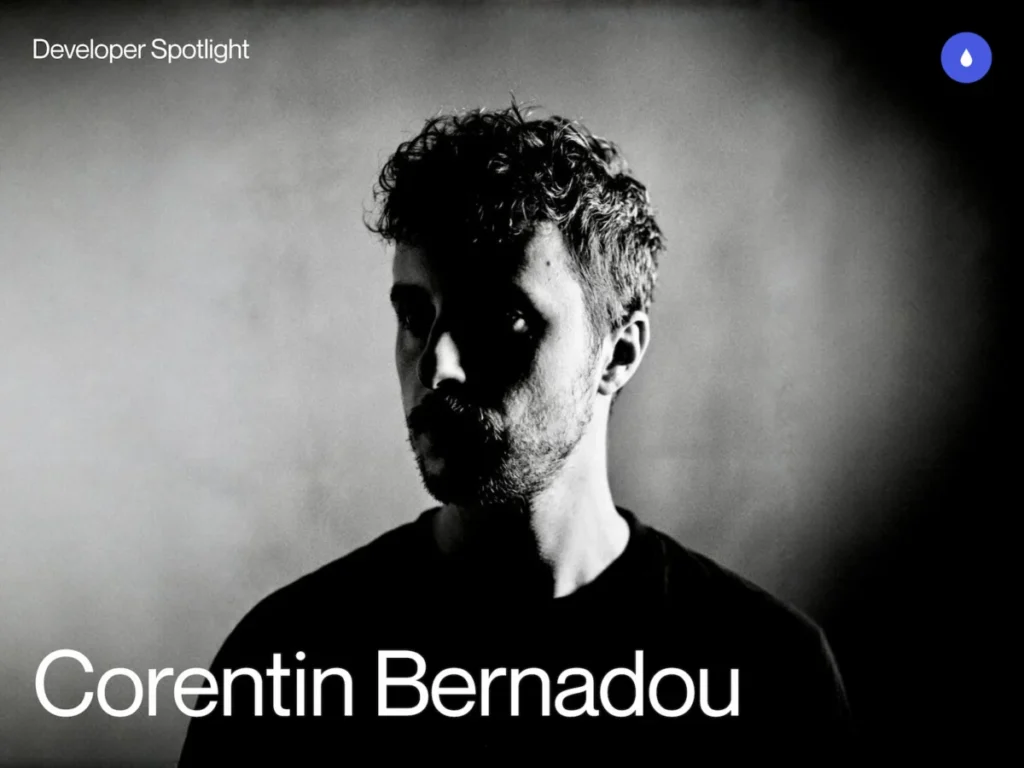
    Corentin Bernadou, a distinguished French freelance developer, has captured the attention of the digital design community with his profound expertise in animations and intricate motion graphics. His recent feature on Codrops, a leading online resource for web designers and developers, highlighted his unique trajectory and groundbreaking work in the realm of creative development, particularly his mastery of WebGL and shaders. Bernadou’s journey, marked by a multidisciplinary academic background and a relentless pursuit of innovation, underscores a growing trend in the digital landscape where artistic vision converges with technical prowess to craft immersive web experiences. His transition to freelancing signifies a pivotal moment in his career, aiming to further expand his creative horizons and collaborative engagements on a global scale.

    A Non-Linear Path to Digital Craftsmanship

    Bernadou’s career trajectory is far from conventional, reflecting a deep-seated curiosity that transcended traditional academic boundaries. His early studies began with a degree in philosophy, a discipline that cultivates critical thinking and abstract reasoning. This was followed by a foray into art history, which provided him with a comprehensive understanding of aesthetic principles, visual composition, and the evolution of creative expression across different eras. These foundational experiences, though seemingly disparate from web development, likely imbued him with a unique perspective on problem-solving and an appreciation for intricate design.

    The turning point arrived during his studies in communication, where he first encountered web design. This discovery ignited a nascent interest, prompting him to pursue a full degree in Visual & User Experience Design. While excelling in design, Bernadou soon encountered a common frustration among designers: the conceptualization of an experience often reached a limit without the technical means to bring it to life. This intellectual curiosity, a desire to move beyond the static blueprint into dynamic execution, spurred his decisive pivot towards development.

    The Self-Taught Developer: From HTML/CSS to Creative Code

    The decision to learn coding independently was a formidable challenge, initially appearing "incredibly difficult, almost impossible." However, Bernadou embraced this obstacle, starting with the fundamental building blocks of the web: HTML and CSS. This period of self-instruction was critical, laying the groundwork for more advanced explorations. During this phase, he discovered influential platforms such as Codrops, Awwwards, and FWA (Favorite Website Awards), which showcased the pinnacle of creative web development. These platforms served as powerful sources of inspiration, crystallizing his ambition to contribute to this exciting new frontier of digital artistry.

    His dedication paid off rapidly. Within months, Bernadou successfully transitioned from a designer mindset to that of a developer. He set a clear goal: to secure a development role. To achieve this, he channeled his energy into constructing his inaugural portfolio, a showcase of his newly acquired skills and burgeoning creative vision. The quality of this initial work garnered significant industry recognition, earning him a prestigious "Site of the Day" and a "Developer Award" on Awwwards. Such accolades are highly coveted in the creative web industry, serving as powerful validations of skill and innovation. This recognition proved instrumental in securing his first position at a prominent agency, marking a significant milestone in his professional journey. After six years of contributing to various projects and honing his craft within an agency environment, Bernadou has now embarked on a new chapter: freelance creative development. This move is driven by a desire for greater autonomy, diverse project engagement, and the freedom to explore cutting-edge techniques.

    The Philosophy of Perpetual Learning and WebGL Mastery

    The Art of Complex Motion: Corentin Bernadou’s World of Shaders and Experimentation | Codrops

    Corentin Bernadou articulates a fundamental belief that resonates with many in the technology sector: development, and creative work at large, is a field with "no ceiling." This philosophy of continuous learning is his daily motivator, fueling his excitement to discover "what am I going to learn today?" This mindset is particularly crucial in the rapidly evolving landscape of web technologies, where new frameworks, libraries, and techniques emerge with remarkable frequency.

    During his tenure at an agency, Bernadou experienced a period he describes as hitting a "plateau," a common challenge for professionals seeking to push their boundaries. To reignite his passion and overcome this stagnation, he set himself a new, ambitious goal: mastering the creation of more complex animations using WebGL. WebGL (Web Graphics Library) is a JavaScript API for rendering interactive 2D and 3D graphics within any compatible web browser without the use of plug-ins. It allows for hardware-accelerated rendering, making it ideal for high-performance visual effects. The learning curve for WebGL can be steep, demanding a strong grasp of mathematics and programming concepts.

    Bernadou’s approach to learning WebGL involved extensive experimentation. He began building various visual explorations and, crucially, sharing them on social media platforms, particularly X (formerly Twitter). This act of public sharing served as a "diary" of his progress, but it also had an unexpected and profound impact. His initial posts garnered an audience far larger than he anticipated, providing invaluable feedback, encouragement, and a sense of community. This positive reception became a powerful catalyst, motivating him to continue his explorations and share his discoveries, fostering a vibrant exchange with fellow developers and enthusiasts.

    Visualizing the Complex: From Deformations to Shaders

    His early WebGL experiments showcased a keen interest in creating dynamic and fluid visual effects. Examples such as "moving portraits" and "spiral of sight" demonstrated his ability to imbue static images with life through subtle yet complex deformations and motion paths. These explorations laid the groundwork for his deeper dive into the technical intricacies of creative coding.

    The pursuit of complex animations naturally led him to the most challenging aspect of WebGL: shaders. Shaders are small programs that run directly on the graphics processing unit (GPU), enabling highly customizable and performant visual effects. They are essential for creating realistic lighting, textures, and advanced post-processing effects. Often considered the "steepest part of the learning curve" in graphics programming, mastering shaders requires a strong understanding of vector math, linear algebra, and specialized shader languages like GLSL (OpenGL Shading Language).

    Bernadou credits invaluable resources such as Codrops and Bruno Simon’s "Three.js Journey" for guiding him through the fundamentals of shaders. These platforms provide structured learning paths and practical examples that demystify complex concepts, making advanced techniques accessible to a wider audience. His dedication to this challenging domain resulted in a series of captivating visual demonstrations. Animations like "ruby campbell," "through the frames," "flow of portraits," and "tg-7th flow of sound" exemplify his command over shaders, transforming ordinary images and elements into mesmerizing, interactive experiences with fluid transitions and intricate visual distortions. These works not only showcase technical skill but also a refined artistic sensibility, merging form and function seamlessly.

    More recently, Bernadou has focused his research and experimentation on the mathematical underpinnings of morphing and motion animations. This deep dive into mathematical principles allows for even greater control and nuance in creating organic and precise movements. His latest demonstrations, including "WebGL_Motion-Geometries-4K," "Motion-Geometries_2," "WebGL_Motion-Geometries-Optimized," and "WebGL_Circle-Optimized," illustrate this advanced understanding. These pieces feature geometric forms and abstract shapes that morph, flow, and interact with striking fluidity, driven by sophisticated mathematical algorithms. This focus highlights a commitment to pushing the boundaries of what is visually achievable on the web, leveraging computation to create art.

    The Art of Complex Motion: Corentin Bernadou’s World of Shaders and Experimentation | Codrops

    The Freelancer’s Arsenal: Adaptive Tech Stack and Essential Tools

    As a freelance developer, Corentin Bernadou emphasizes the importance of an adaptable technology stack, tailored to the specific demands of each project. This flexibility is a hallmark of successful independent practitioners who must navigate diverse client requirements and project scopes.

    His technological evolution reflects current industry trends. While he previously worked extensively with vanilla JavaScript and custom WordPress setups, he has progressively migrated towards more modern and efficient solutions. His current preference leans towards Nuxt.js, a powerful open-source framework built on Vue.js, known for its server-side rendering capabilities, enhanced performance, and developer-friendly experience. This is often paired with a headless CMS (Content Management System) like Prismic or Sanity. Headless CMS solutions decouple the content management backend from the frontend presentation layer, offering greater flexibility for developers and allowing content to be delivered across multiple platforms.

    For animations, Bernadou’s consistent choice has been GSAP (GreenSock Animation Platform), a robust and widely respected JavaScript library celebrated for its high performance, reliability, and comprehensive features for creating complex, timeline-based animations. On the WebGL front, he has recently transitioned from OGL to Three.js. Three.js is a cross-browser JavaScript library and API used to create and display animated 3D computer graphics in a web browser, leveraging WebGL. It provides a higher-level abstraction over raw WebGL, simplifying the process of working with 3D scenes, objects, and animations. This switch suggests a strategic move towards a more widely supported and feature-rich library for advanced 3D development.

    Beyond his core programming tools, Bernadou relies on a curated suite of applications for workflow management and productivity. Notion serves as his primary tool for task management and project planning, facilitating organization and collaboration. Cursor, a modern code editor, is his environment for writing and debugging code, while Warp functions as his preferred terminal for command-line operations. However, he identifies two "non-negotiables" that are integral to his creative process: a physical notebook for sketching animation ideas and conceptualizing before digital implementation, and Spotify for music, underscoring the role of auditory stimulation in his focus and creative flow. His workstation setup, meticulously arranged and photographed, further illustrates the importance of a conducive environment for fostering creativity and productivity.

    The Uncharted Future: Spontaneity, Growth, and Backend Exploration

    Looking ahead, Corentin Bernadou expresses a profound sense of excitement about the unknown, embracing the spontaneity that drives much of his creative exploration. His approach is often initiated by a simple "what if I tried this today?" moment, fueled by continuous inspiration. This ethos of agile experimentation is a testament to his innovative spirit and commitment to pushing boundaries.

    He firmly believes he is still at the nascent stages of his journey, with a vast landscape of possibilities yet to be explored. His immediate aspirations include delving into "more complex animations, new techniques, ideas I haven’t even discovered yet." This forward-looking perspective aligns with the dynamic nature of creative technology, where continuous innovation is paramount.

    The Art of Complex Motion: Corentin Bernadou’s World of Shaders and Experimentation | Codrops

    Intriguingly, Bernadou has also developed a growing interest in backend development. While seemingly a departure from his frontend and creative coding focus, this interest represents a logical progression towards full-stack capabilities. Understanding backend systems would enable him to build more robust, data-driven applications, develop custom tools, and perhaps even explore server-side rendering for more complex WebGL projects, offering a holistic approach to web development. This expansion of his skill set would further enhance his versatility as a freelance professional.

    Ultimately, Bernadou hopes that freelancing will provide him with the optimal environment to sustain his passion for learning, experimentation, and free creation. He envisions this path leading him to collaborate with "the right people," fostering synergistic partnerships that amplify creative output. His definition of success is refreshingly intrinsic: "If I can make a living doing something that genuinely excites me every day, that feels like the kind of success I’m looking for." This statement encapsulates a profound alignment between personal passion and professional endeavor, a goal many aspire to.

    Implications for Creative Development and Industry Trends

    Corentin Bernadou’s journey offers valuable insights for aspiring creative developers and the broader digital industry. His advice—"don’t wait until you feel ready to start learning something new"—is particularly salient in an era where digital resources are more accessible than ever. The internet abounds with tutorials, open-source projects, and communities that can empower individuals to acquire new skills. His emphasis on listening to "restlessness" when feeling stuck or uninspired serves as a powerful reminder to seek new challenges and continuously evolve one’s craft.

    Bernadou’s work exemplifies how individual creative developers are not merely implementing designs but are actively shaping the future of web experiences. By pushing the technical and artistic boundaries of WebGL, shaders, and complex animations, he contributes to a collective advancement that inspires new trends in interactive design and user engagement. His public sharing of experiments fosters a culture of open learning and collaboration, vital for a rapidly evolving field. As the web increasingly becomes a canvas for rich, interactive, and immersive content, the demand for professionals with Bernadou’s unique blend of artistic vision and technical mastery will undoubtedly continue to grow. His career trajectory serves as a compelling case study for the power of self-driven learning, continuous experimentation, and the pursuit of passion in forging a successful and fulfilling career in the dynamic world of creative development.

  • Lusion: Where Digital Craft Meets Ambitious Experimentation

    Lusion: Where Digital Craft Meets Ambitious Experimentation

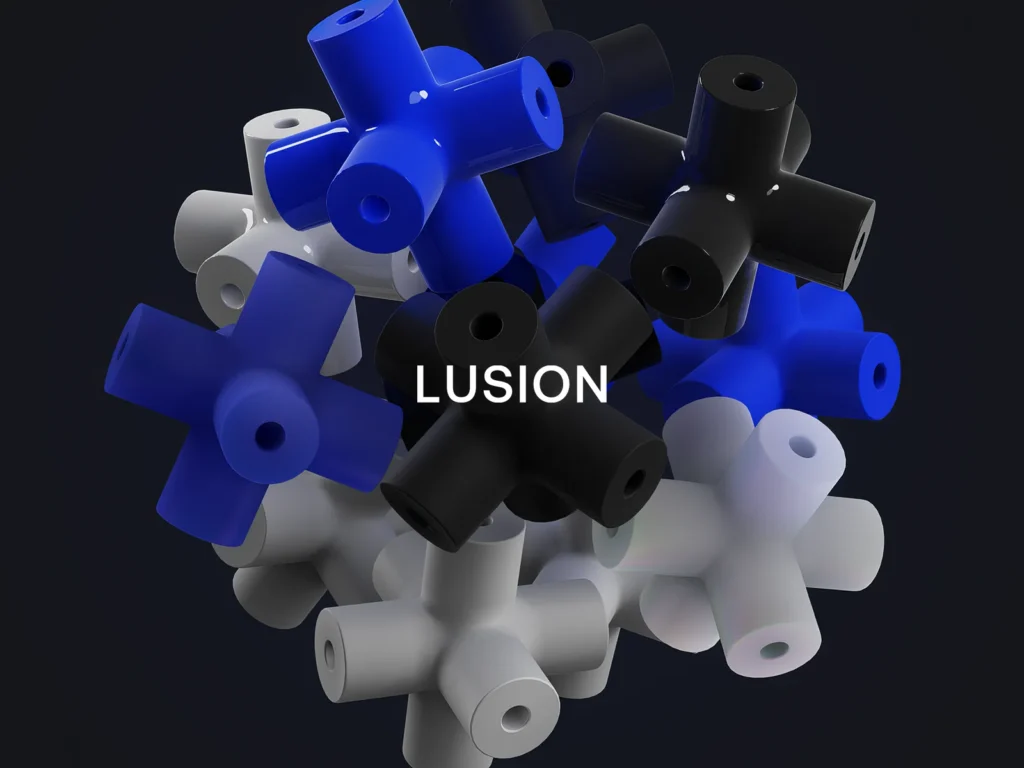
    Bristol, UK – Lusion, a distinguished digital production studio based in Bristol, has carved a formidable reputation for its pioneering work in interactive websites, real-time visuals, and ambitious digital experiences. Since its inception in 2017, the studio has consistently pushed the boundaries of digital craft, eschewing conventional templates in favor of bespoke solutions that define its unique creative ethos. This approach has not only garnered widespread critical acclaim, including multiple "Site of the Year" accolades, but has also attracted collaborations with an impressive roster of global brands such as Coca-Cola, Porsche, Max Mara, and Google.

    The Genesis of Lusion: A Journey of Self-Taught Excellence

    The foundation of Lusion is deeply rooted in the vision and dedication of its founder, Edan Kwan. Originally hailing from Hong Kong, Kwan’s professional trajectory was initially set on a path in music. However, a pivotal shift in personal interests led him to pivot careers, embarking on an intensive period of self-study in design and coding. This period of independent learning proved instrumental, equipping him with a robust skill set that would form the bedrock of his future endeavors.

    Following his self-taught immersion, Kwan honed his expertise through several years of freelancing, engaging in diverse digital projects that broadened his practical experience. This was succeeded by a significant tenure at a prominent agency in New York, a move that exposed him to the fast-paced, high-stakes environment of international digital production and further refined his craft. The culmination of these experiences—from the foundational independence of freelancing to the collaborative rigor of agency work—ultimately led Kwan back to independent practice, laying the groundwork for Lusion’s establishment in 2017.

    In an era increasingly defined by digital transformation, 2017 represented a burgeoning period for innovative online experiences. The demand for sophisticated, engaging, and unique digital presences was escalating, driven by advancements in web technologies and a growing consumer appetite for immersive interactions. It was into this fertile landscape that Lusion was born, fueled by Kwan’s desire to build a studio "defined by craft, curiosity, and attention to detail." This founding principle distinguished Lusion from many contemporaries, emphasizing custom solutions over off-the-shelf templates and ensuring that every project received a singular, meticulously developed system, logic, and aesthetic flavor.

    Lusion: Where Digital Craft Meets Ambitious Experimentation | Codrops

    A Philosophy of Bespoke Innovation and Uncompromising Craft

    Lusion’s core philosophy revolves around building digital experiences "from scratch." This isn’t merely a marketing slogan; it’s a fundamental operational principle. The studio believes that truly groundbreaking ideas often falter when forced into rigid, pre-existing frameworks. By custom-building each element, Lusion ensures that every project can fully embody its unique concept without compromise. This bespoke approach allows for unparalleled flexibility, enabling the integration of experimental techniques and emergent technologies that might otherwise be incompatible with standardized templates.

    "Our commitment to building from the ground up allows us to explore the full spectrum of creative possibilities for each client," remarked a studio spokesperson, reflecting the inherent value Lusion places on tailored innovation. "It’s about crafting a digital identity that is as unique as the brand it represents, rather than fitting a brand into a pre-determined mold." This dedication to originality manifests in a diverse portfolio, ranging from "polished and cinematic" works to projects that are "weird on purpose," often residing in a compelling middle ground that blends refined aesthetics with a distinctive edge.

    The studio’s unwavering pursuit of excellence has not gone unnoticed. Lusion’s own studio website, a testament to its capabilities, achieved the prestigious "Site of the Year" awards from three of the industry’s most respected authorities: FWA (Favorite Website Awards), Awwwards, and CSS Design Awards (CSSDA). These accolades are highly competitive, judged on criteria such as design, creativity, usability, and technical execution, underscoring Lusion’s mastery across multiple facets of digital production. Beyond its self-promotional triumphs, the studio’s client work has consistently garnered international recognition, including honors from Cannes Lions, D&AD, Webby Awards, further FWA and Awwwards distinctions, among others. These awards signify not just artistic merit but also commercial effectiveness and technological innovation, placing Lusion firmly among the elite in the global digital creative landscape.

    Showcasing Ambitious Experimentation: Three Pillars of Innovation

    Lusion’s portfolio is rich with examples that illustrate its ambitious and diverse capabilities. Three projects stand out as epitomes of the studio’s commitment to pushing creative and technical boundaries: Oryzo AI, Porsche: Dream Machine, and My Little Storybook. Each project, while distinct in its purpose and execution, reflects Lusion’s overarching philosophy of craft, curiosity, and bespoke innovation.

    Lusion: Where Digital Craft Meets Ambitious Experimentation | Codrops

    Oryzo AI: A Satirical Masterclass in Digital Craft

    In an era increasingly saturated with discussions around artificial intelligence and its pervasive influence, Lusion launched "Oryzo AI," a satirical campaign for a fictional product: a cork coaster presented with premium production quality and an almost absurd level of seriousness. This project serves as a brilliant example of Lusion’s ability to blend playful experimentation with high-fidelity digital craft.

    Oryzo AI was conceived as both a creative experiment and a robust showcase of the studio’s design, motion, and digital production prowess. The campaign meticulously built a "fully realized campaign world" around this ostensibly mundane object, transforming a simple cork coaster into the centerpiece of a high-end AI product launch. This included immersive web design, intricate 3D production, sophisticated motion graphics, and a comprehensive suite of supporting content spanning social media posts, a founder video, a Product Hunt listing, and even an open-weight GitHub page. Each component was executed with the same meticulous attention to detail typically reserved for real brand stories, demonstrating Lusion’s capacity to elevate even the most outlandish concepts through exceptional craftsmanship.

    The project implicitly offers a commentary on the often-exaggerated marketing surrounding AI products, while simultaneously proving Lusion’s technical versatility. It showcases their adeptness in creating complex digital ecosystems, highlighting their capabilities in immersive storytelling and advanced visual production. For potential clients, Oryzo AI serves as a compelling, albeit humorous, demonstration of Lusion’s ability to execute highly sophisticated digital campaigns, irrespective of the underlying product’s perceived value. It illustrates that when it comes to digital storytelling and technical execution, Lusion brings unparalleled seriousness and skill, even to a joke.

    Porsche: Dream Machine – Transcending Digital into Cinematic Storytelling

    Lusion’s collaboration with Wallpaper* and Porsche GB on "Porsche: Dream Machine" marked a significant venture into the realm of computer-generated (CG) film, showcasing the studio’s adaptability and creative ambition beyond its core web-based expertise. This short CG film was designed to explore the emotional and creative journey behind Ferry Porsche’s original vision, utilizing generative imagery, sophisticated motion design, and a dreamlike visual language.

    Lusion: Where Digital Craft Meets Ambitious Experimentation | Codrops

    The project’s genesis was unique. Wallpaper* approached Lusion, recognizing the potential in the studio’s immersive digital R&D work, particularly the experimental spirit demonstrated in projects like "Infinite Passerella." Porsche GB, impressed by Lusion’s innovative approach, presented the challenge of creating a 2-3 minute CG short film inspired by the genesis of the first Porsche sports car. This presented an unfamiliar medium for Lusion, primarily known for interactive web experiences.

    Despite the novelty of the format and an intense three-week production timeline, Lusion embraced the challenge. They swiftly adapted their immersive digital thinking to a cinematic format, learning, designing, and building in parallel. The film successfully translated Porsche’s "Driven by Dreams" ethos into a captivating visual narrative, evolving from abstraction and imagination towards the iconic silhouette of the original 356. The project was not only meaningful for its outcome but also for the process, underscoring Lusion’s willingness to trust its instincts and apply its unique creative problem-solving to entirely new formats. The completed film was subsequently featured by Wallpaper*, distributed through Porsche’s official channels, and publicly exhibited at Outernet London, a prominent immersive entertainment venue, significantly broadening Lusion’s reach and demonstrating their mastery in dynamic visual content production.

    My Little Storybook: The Power of Internal R&D and Heartfelt Narratives

    "My Little Storybook" exemplifies Lusion’s commitment to internal research and development (R&D) through its "Lusion Labs" initiative. This self-initiated interactive story about a bird family crossing a river began as a monthly experiment and evolved into one of the studio’s most celebrated internal pieces. It beautifully illustrates how technical exploration can merge seamlessly with simple, heartfelt storytelling to create charming and memorable digital experiences.

    The project leveraged advanced web technologies, combining WebGL for immersive rendering, handcrafted 3D environments, and illustrated animation to craft a playful digital book experience. Part of Lusion’s monthly experiment series, "My Little Storybook" provided a crucial space to test ideas, develop new skills, and experiment creatively without the constraints of client briefs. The objective was to create a storytelling experience that felt gentle, meticulously crafted, and emotionally resonant.

    Inspired by the aesthetic of Japanese anime, the project allowed Lusion to diverge from the more photorealistic, commercial styles often prevalent in their client work. Instead, it embraced a stylized visual language, utilizing hand-built 3D assets, drawn animation, and interactive storytelling elements. Despite a tight one-month production schedule, the team pushed the boundaries of web-based narrative and atmosphere, demonstrating their versatility and artistic depth. "My Little Storybook" underscores the studio’s belief that continuous internal innovation through projects like these is vital for team growth and for attracting talent passionate about learning and creating thoughtful, ambitious work. It stands as a testament to Lusion’s ability to infuse technology with genuine emotional connection, proving that technical prowess can serve deeply human narratives.

    Lusion: Where Digital Craft Meets Ambitious Experimentation | Codrops

    Culture of Collaboration and Continuous Innovation

    Lusion attributes much of its success to its close-knit team culture. This collaborative environment fosters simple, effective communication, ensuring that every project receives the dedicated attention it deserves from conception to completion. The studio’s flat hierarchy and emphasis on individual contribution allow team members to stay intimately connected with the work, promoting a sense of ownership and collective achievement.

    A cornerstone of Lusion’s operational strategy is the investment in internal projects through "Lusion Labs." These initiatives, which have spawned acclaimed works like Oryzo AI and My Little Storybook, are more than just creative outlets; they are vital training grounds. They provide a safe space for the team to test nascent ideas, develop new technical skills, and experiment with creative concepts that may not fit traditional client briefs. This mindset of continuous learning and experimentation is crucial for growth, enabling the studio to stay ahead of industry trends and to attract top-tier talent who share a passion for pushing the envelope in digital design and development. "Lusion Labs is where we truly stretch our creative muscles," a team member might observe, "It’s where we refine our craft and discover the next big thing, ensuring that our client work always benefits from cutting-edge insights."

    Broader Impact and Future Trajectory

    Lusion’s distinctive approach—prioritizing bespoke solutions, embracing ambitious experimentation, and fostering a culture of continuous learning—has positioned it as a significant influencer in the global digital production landscape. By consistently demonstrating that custom-built experiences yield superior results compared to template-driven approaches, Lusion sets a high benchmark for quality and innovation. Their work challenges the industry to move beyond mere functionality toward truly immersive and emotionally engaging digital narratives.

    The studio’s ability to seamlessly pivot between diverse project types—from satirical AI campaigns and cinematic brand films to interactive storybooks—showcases a rare versatility. This broad capability not only diversifies their client base but also solidifies their reputation as a studio capable of tackling virtually any digital challenge with creative flair and technical mastery. As the digital realm continues its rapid evolution, encompassing emerging technologies like augmented reality, virtual reality, and advanced AI integration, Lusion’s foundational commitment to craft and experimentation positions it perfectly to lead the charge. The studio’s trajectory suggests a continued exploration of new mediums and technologies, always guided by their core belief in creating meaningful, impactful, and uniquely Lusion digital experiences.

Grafex Media
Privacy Overview

This website uses cookies so that we can provide you with the best user experience possible. Cookie information is stored in your browser and performs functions such as recognising you when you return to our website and helping our team to understand which sections of the website you find most interesting and useful.