
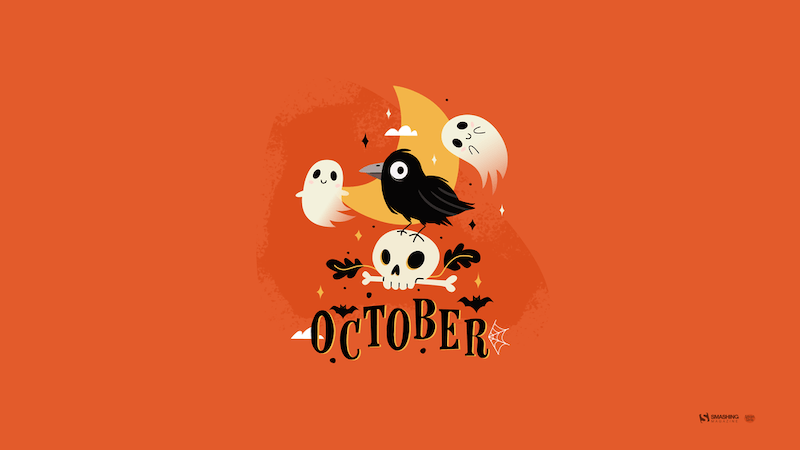
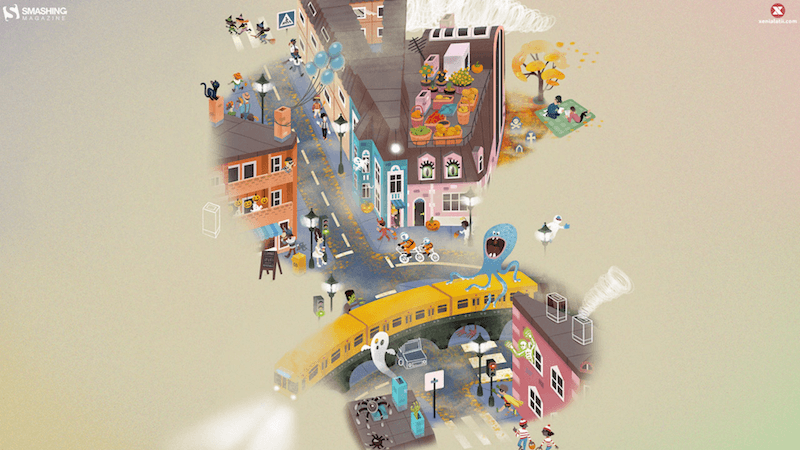
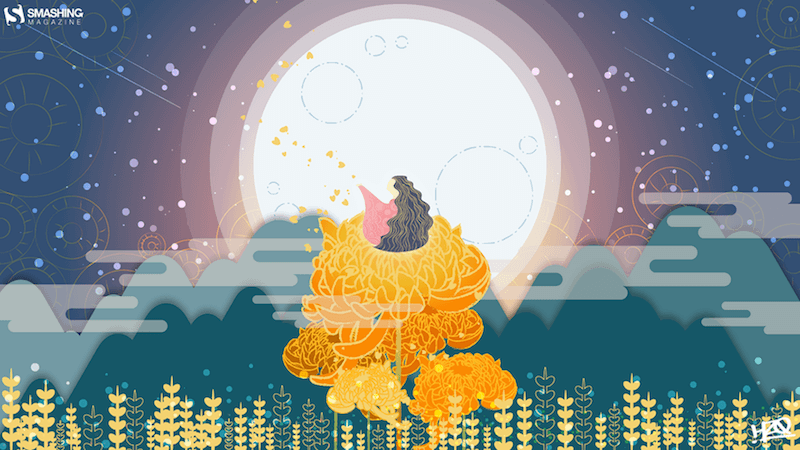
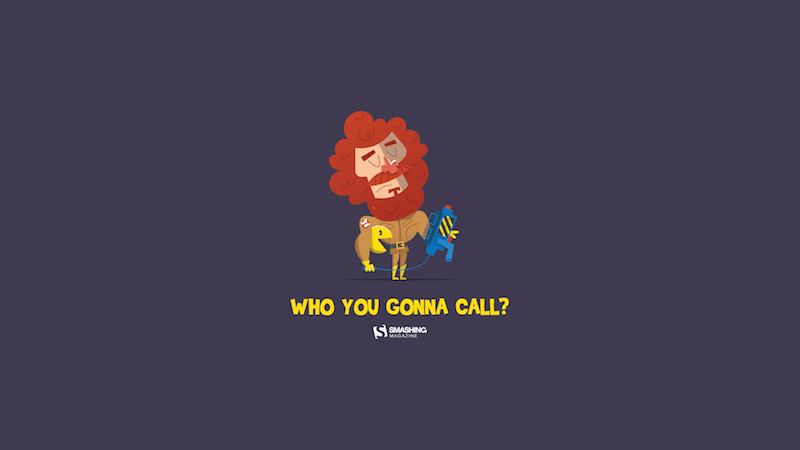
As the calendar turns toward October, the design community has once again coalesced to mark the transition of seasons through a long-standing tradition of digital art curation. For over 15 years, Smashing Magazine has facilitated a monthly initiative that invites global artists and illustrators to contribute desktop wallpaper calendars. This initiative, which bridges the gap between functional desktop utility and high-art aesthetic expression, serves as a significant barometer for trends in graphic design, illustration, and digital storytelling. The October collection, in particular, represents a synthesis of seasonal iconography—ranging from the atmospheric shifts of autumn to the culturally pervasive themes of Halloween—offered to the public as a free, high-resolution digital resource.
Historical Context and Evolution of the Initiative
The tradition of distributing monthly desktop calendars originated in the late 2000s, a period when the desktop computer remained the primary hub for professional and personal digital activity. While mobile devices have since dominated global internet consumption, the desktop workspace has retained its status as a focal point for creative professionals. By providing these curated backgrounds, organizers have created a sustainable platform that promotes independent artists while providing users with a personalized digital environment.
Over the last decade, the initiative has evolved from a simple repository of images into a sophisticated, multi-national showcase. The current October selection features contributions from Serbia, Spain, Hungary, Belgium, Taiwan, and the United States, highlighting the borderless nature of digital design. This geographical diversity allows for a nuanced exploration of how different cultures interpret the transition from the vitality of summer to the introspective, cooler temperatures of autumn.
Thematic Analysis: The Visual Language of October
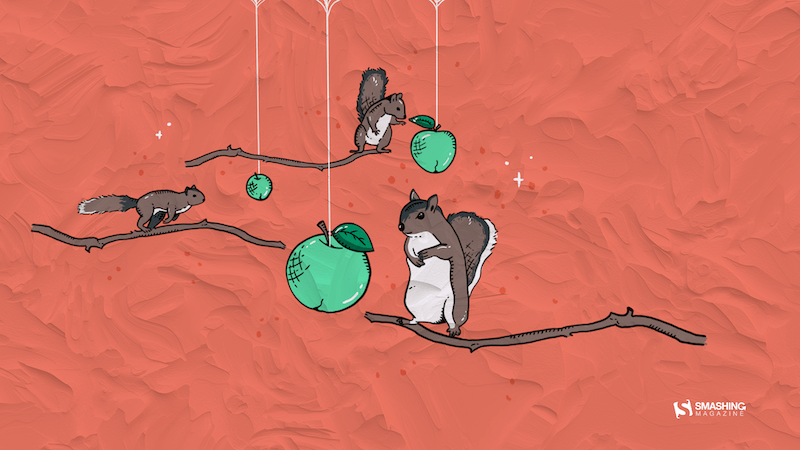
The October collection is characterized by a distinct shift in color palettes and thematic focus. Designers have leaned heavily into the "warm" spectrum, utilizing deep reds, burnt oranges, and golden ochers to mirror the natural decomposition of foliage. This seasonal palette is balanced by a darker, more somber aesthetic associated with the impending arrival of winter and the cultural observance of Halloween.
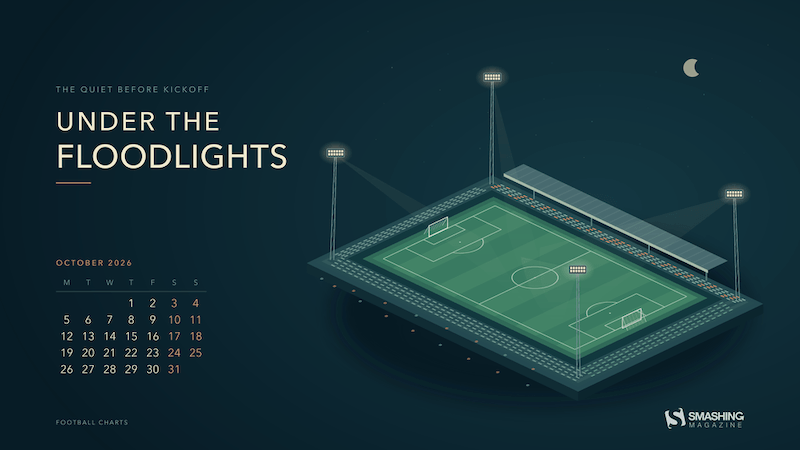
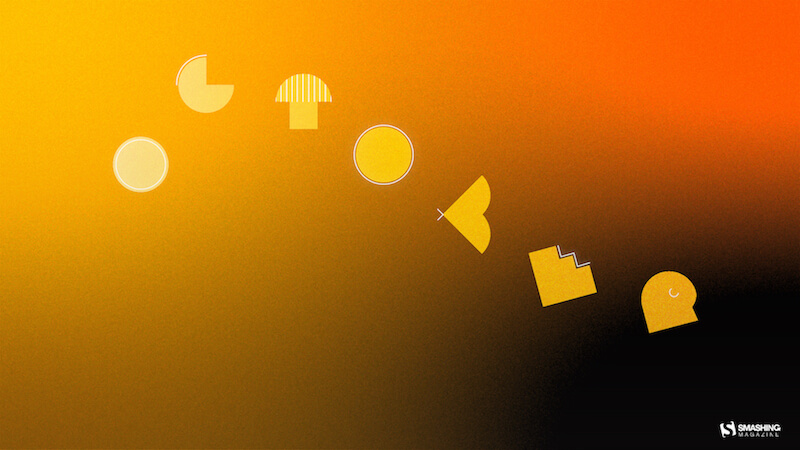
A recurring theme within this year’s submissions is the concept of "transition." Several artists, such as Jelle Denturck from Belgium, explicitly utilize gradient-heavy designs to visualize the meteorological shift from summer to autumn. This focus on "earthy" tones and minimalist geometry suggests a wider trend in current design: a retreat from the hyper-saturated digital aesthetics of the mid-2010s in favor of more grounding, tactile-inspired imagery.
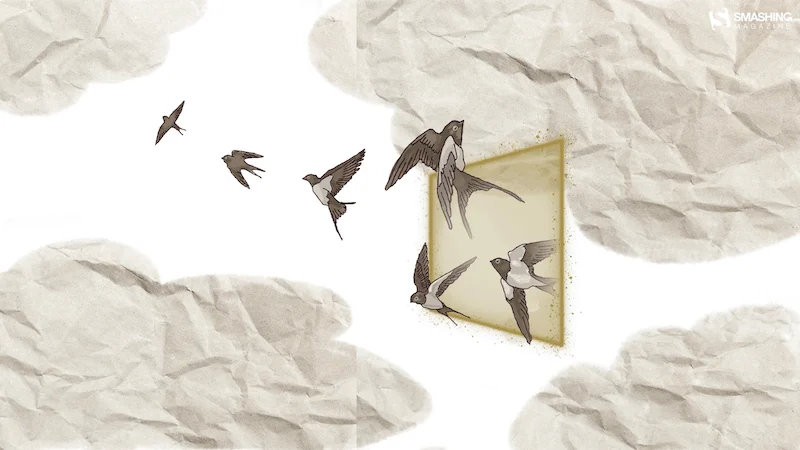
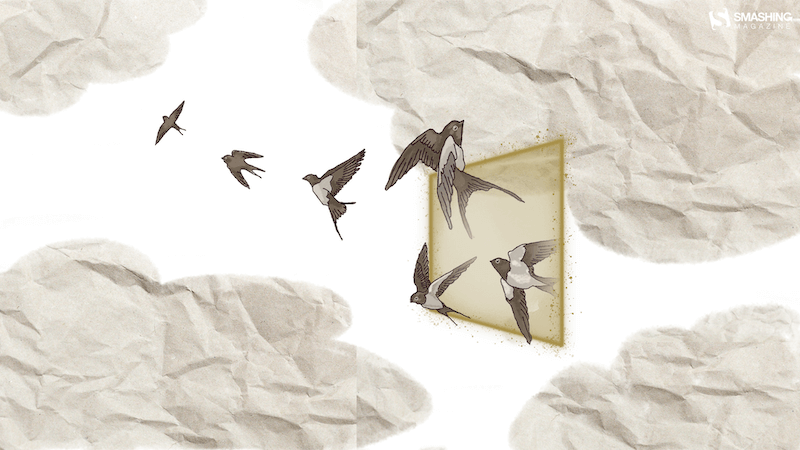
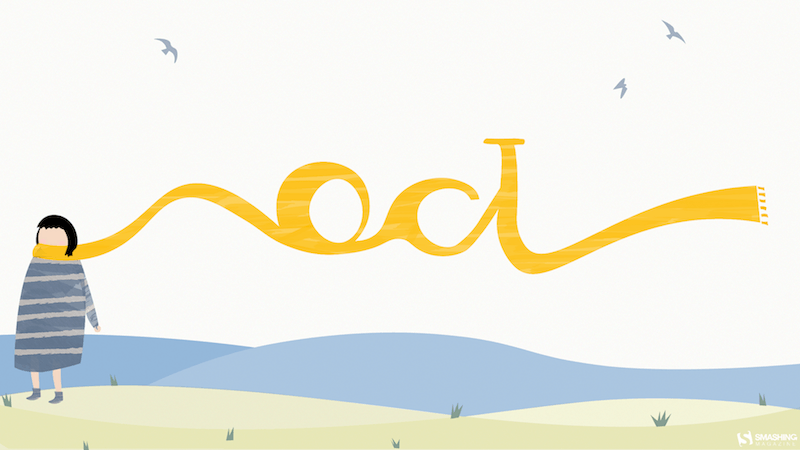
Furthermore, the integration of folklore and atmospheric storytelling remains a powerful component of the collection. Pieces like "Bird Migration Portal" by Eline Claeys evoke childhood nostalgia, utilizing the concept of avian migration as a metaphor for seasonal change. By blending personal narrative with visual art, these designs function as more than simple screensavers; they act as digital journals that invite the user to engage with the artist’s specific cultural or personal history.

Chronology of Production and Selection
The production cycle for these monthly releases follows a rigorous, time-sensitive workflow. Typically, submissions are curated throughout the preceding month. The selection process involves a multi-stage review to ensure image quality, technical resolution standards (ranging from 1080p to 4K), and thematic alignment with the upcoming season.
- Early September: The call for submissions is issued to a global network of designers and illustrators.
- Mid-September: The editorial team conducts an initial review of submissions, ensuring technical compliance and thematic variety.
- Late September: Final selection is made, and metadata—including artist bios, design intent, and website links—is compiled.
- October 1st: The collection is officially released to the public, marking the start of the new seasonal cycle.
This rapid-turnaround model ensures that the content remains relevant to the current month, allowing users to synchronize their digital workspaces with the real-time changes in their physical environment.
Data-Driven Insights and Design Trends
Statistical engagement metrics from previous iterations of this project indicate that users show a strong preference for "functional art"—images that include calendar overlays. This desire for utility suggests that despite the ubiquity of integrated digital calendars, there is a sustained demand for passive, at-a-glance time management tools within the operating system’s interface.
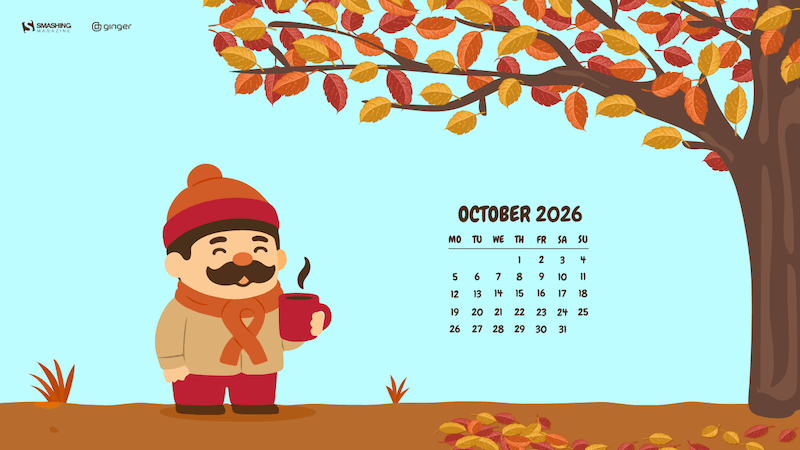
Additionally, there has been a marked increase in the inclusion of "cozy" imagery. Concepts like "Coffee Weather" by Ginger IT Solutions and "Tea and Cookies" by Miruna Sfia reflect a growing digital trend often referred to as "hygge" or "cottagecore," which prioritizes themes of comfort, warmth, and indoor solitude. This trend aligns with broader sociological data showing that as the northern hemisphere experiences shorter daylight hours and colder temperatures, consumer interest in home-centric activities and comfort-focused media rises.
The Role of Independent Artists in Global Design
The inclusion of independent creators from various regions provides an invaluable platform for visibility. For many contributors, such as PopArt Studio in Serbia or Ricardo Gimenes in Spain, these features serve as a portfolio-building exercise that reaches a global audience of millions. The collaborative nature of the project also serves as a form of "community design," where the collective output is greater than the sum of its parts.
Statements from the designers often emphasize the importance of human connection in an increasingly automated world. For instance, designers often frame their work as an attempt to "spark creativity" or "bring neighbors together," underscoring the role of art as a connective tissue in digital spaces.
Technical Implications and Accessibility
One of the primary challenges in the distribution of these wallpapers is technical compatibility. With the vast array of screen aspect ratios—from ultra-wide monitors and high-DPI laptop displays to standard tablets—ensuring that the artwork does not lose its compositional integrity is paramount. The artists involved must account for "safe zones," areas of the image that will remain visible regardless of the user’s specific icon placement or taskbar configuration.
The move toward open-access, high-resolution downloads has solidified the role of such platforms as a critical public good for design students and professionals alike. By providing source files and high-definition assets, the initiative supports a culture of sharing that is vital to the open-source and creative commons movements.
Broader Impact and Future Outlook
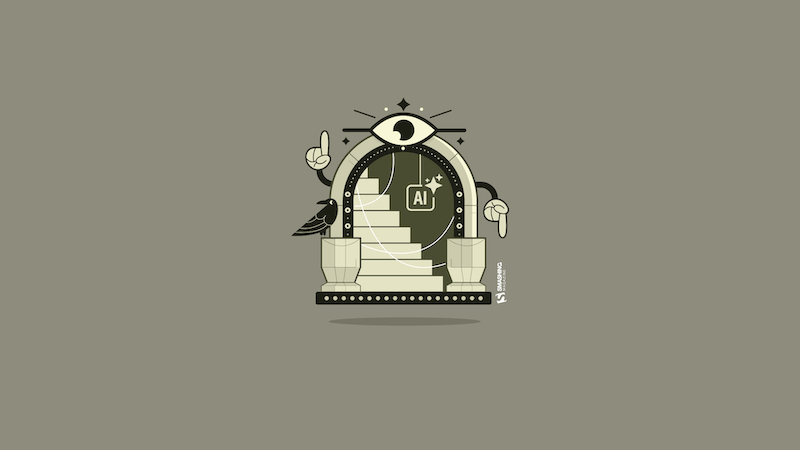
The initiative is set to continue its trajectory, with the next cycle of submissions for November already underway. As design technologies advance, particularly with the emergence of AI-assisted tools, the editorial criteria for these collections may need to adapt. However, the current preference remains strongly skewed toward human-generated, narrative-driven illustration.
The October collection proves that even in an age of rapid digital acceleration, the desire for curated, seasonal, and human-made aesthetics remains undiminished. These desktop wallpapers are not merely ornamental; they are reflections of our shared global experience of time, nature, and the festive spirit. As the digital landscape continues to fragment, these recurring, community-driven projects serve as a vital reminder of the creative potential of a globalized, digitally-connected design community.
For those interested in participating in the November release, the submission window is active through the end of October. The editorial team expects a high volume of submissions focusing on the transition into late autumn and the preparations for the holiday season, once again demonstrating the power of the desktop as a blank canvas for global creativity.