Tag: resurgence

  • The Millennial Resurgence: Decoding the Shifting Dynamics of Social Media Engagement and Brand Loyalty for 2026

    The Millennial Resurgence: Decoding the Shifting Dynamics of Social Media Engagement and Brand Loyalty for 2026

    The cultural pendulum, which for years swung decisively toward the younger Gen Z demographic, is beginning to stabilize as Millennials reassert their influence over the digital landscape. Once frequently caricatured for their affinity for side parts, skinny jeans, and the Valencia filter, the generation born between 1981 and 1996 is undergoing a significant reputational rehabilitation. Industry analysts and social media strategists now recognize this cohort not as a fading demographic of the past, but as the pioneering architects of modern digital culture whose spending power and platform loyalty are becoming the primary targets for global brands.

    As the first generation to grow up at the intersection of the analog and digital eras, Millennials possess a unique psychological relationship with social media. They remember the world before the ubiquity of followers and filters, which has cultivated a perspective that treats social platforms as emotional infrastructure rather than mere utility. According to recent market research, this generation is now entering its peak earning years, and their interaction with brands on social media is projected to reach unprecedented levels by 2026.

    The Evolution of the Digital Pioneer: From MySpace to Global Behemoths

    To understand the current Millennial influence, it is necessary to examine the chronology of their digital integration. Unlike Gen Z, who are "digital natives" born into a world of smartphones, Millennials were the "early adopters" who navigated the transition from dial-up modems to mobile-first ecosystems.

    In the early 2000s, Millennials defined the social landscape through platforms like AOL Instant Messenger (AIM) and MySpace. These platforms introduced the concepts of digital identity, curated profiles, and the "soundtrack" of one’s life. By the time Facebook and Instagram launched, this generation had already mastered the art of digital self-presentation. Monica Dimperio, a prominent brand builder and founder of the consultancy Hashtag Lifestyle, notes that Millennials literally invented the "photo dump"—a carousel of images meant to convey a specific vibe or aesthetic.

    How millennials use social media: What marketers need to know

    "Millennials grew up both with and without social," Dimperio explains. "We remember the world before filters and followers, so our relationship with it is deeply emotional. We built the culture that Gen Z now thrives in." This foundational experience has resulted in a generation that values presentation, meaning, and "vibe" over the raw, often chaotic spontaneity favored by younger users.

    Statistical Landscape: Analyzing the 2026 Social Media Forecast

    The 2026 Social Media Content Strategy Report provides a data-driven look at why brands are pivoting back to Millennial-centric strategies. The data reveals that 83% of Millennials plan to maintain or increase their level of interaction with brands on social media over the next year—the highest percentage of any age demographic.

    The platform preferences for this group remain distinct. According to the Q1 2026 Sprout Pulse Survey, Instagram remains the dominant force, utilized by 76% of the demographic. This is followed closely by Facebook at 70% and YouTube at 69%. While TikTok is often viewed as a Gen Z stronghold, Millennials report that it has become their favorite channel for product discovery, though they still turn to Facebook for customer care and Reddit or X (formerly Twitter) for news updates.

    The motivation behind this usage is rooted in a desire for connection and "companionship." Roughly 92% of Millennials use social media to keep up with cultural moments, which they view as shared touchstones that foster a sense of community. In an era of increasing social isolation, Millennials utilize these platforms to stay in touch with distant friends, remember birthdays, and feel less alone during solitary activities.

    The Rejection of "AI Slop" and the Demand for Human Authenticity

    One of the most significant shifts in Millennial behavior is a growing hostility toward automated and artificial intelligence-generated content. As brands increasingly turn to AI to streamline content creation, they risk alienating the Millennial consumer. The Q4 2025 Sprout Pulse Survey indicates that Millennials believe human-generated content should be the top priority for brands in the coming year.

    How millennials use social media: What marketers need to know

    The backlash is already visible in consumer habits: 44% of Millennials have already unfollowed, blocked, or muted brands that post content perceived as "AI slop"—low-quality, algorithmically generated posts that lack a human touch. Dimperio attributes this to a deep-seated nostalgia for the "golden age" of the internet, characterized by niche blogs and original memes that were not curated by complex algorithms.

    "Originality still matters to us because we know what human creativity looks like," Dimperio states. This skepticism creates a paradox for marketers; while AI can increase efficiency, it can simultaneously erode the brand loyalty that Millennials are known for. To win over this demographic, brands must produce content that sounds relatable and authentic, often leveraging employee-generated content or trusted influencers who share the generation’s values.

    The Collapse of the Sales Funnel: Social Commerce in 2026

    The traditional marketing funnel—moving from awareness to consideration to purchase—has effectively collapsed for the Millennial consumer. In the modern social media environment, discovery, research, and purchase often occur within a single scrolling session.

    This "peer pressure marketing" is highly effective. Millennials are frequently exposed to products multiple times through paid advertisements and algorithmic suggestions until a purchase is made. However, the most effective conversion tool remains organic recommendation. When a product is suggested by a trusted creator or a friend, it provides a "refreshing" break from the constant barrage of corporate sales pitches.

    Furthermore, Millennials are increasingly looking for a seamless transition between digital and physical storefronts. They value the "In Real Life" (IRL) experience but expect the digital persona of a brand to match its physical presence. A brand that feels "cool" on Instagram but provides a disconnected or poor experience in a brick-and-mortar store will likely lose the hard-won loyalty of this demographic.

    How millennials use social media: What marketers need to know

    Ethical Consumption and the Mandate for Social Responsibility

    Millennials remain the generation most likely to demand that brands take a public stand on social and political issues. The Q1 2026 Sprout Pulse Survey found that 27% of Millennials expect brands to take a stand on global issues, while 23% want brands to act as resources for industry-specific problems.

    This is not merely a preference but a factor in purchasing decisions. One-third of Millennials report they will stop buying products if a brand’s values clash with their own, and 20% actively seek out brands that align with their personal ethics. This demographic has used social media to amplify social movements for nearly two decades, and they view their purchasing power as an extension of their activism. For brands, the key is avoiding "performative activism" and instead focusing on issues that directly impact their specific community or industry.

    Case Studies: Brands Masterminding the Millennial Connection

    Several brands have successfully navigated the complexities of Millennial marketing by establishing clear, human-centric identities that resonate with the generation’s aesthetic and ethical preferences.

    1. Sézane: The Appeal of "Classic Elegance"
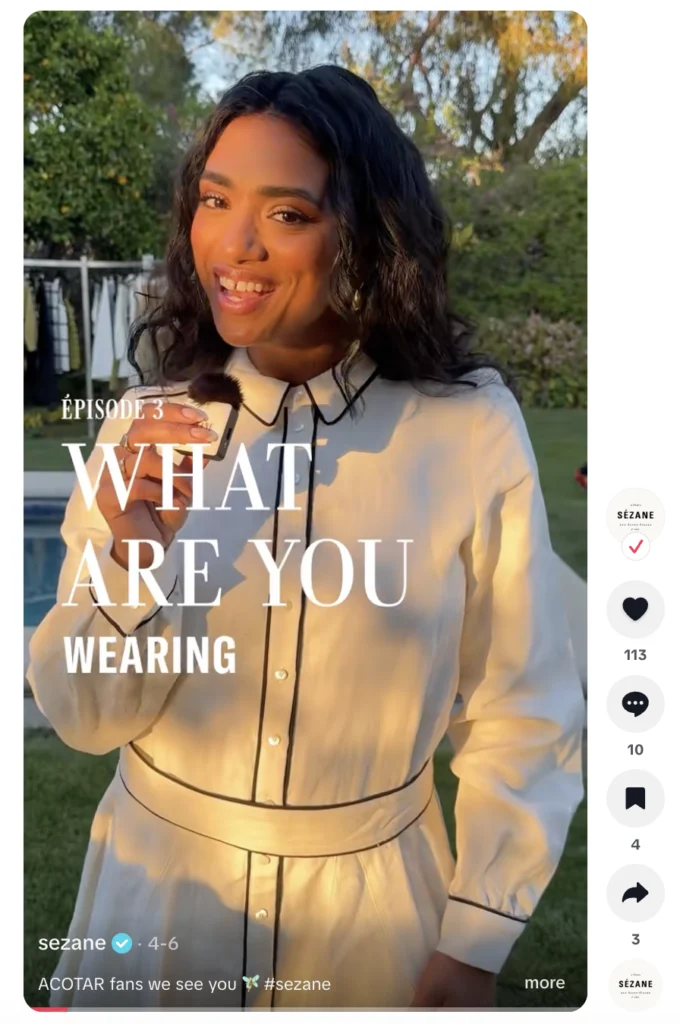
    The French fashion brand Sézane has built a cult following among Millennial women by leaning into the "Parisian wardrobe" aesthetic. By using models with body types that reflect their core audience and focusing on "comfort-first" style, the brand taps into the early influences that shaped Millennial taste. Their use of user-generated content and creator-led marketing makes the brand feel like a community rather than a corporation.

    2. Ceremonia: Founder-Led Storytelling
    Ceremonia, a clean hair care brand rooted in Latinx heritage, leverages the personal story of its founder, Babba C. Rivera. As a Millennial herself, Rivera’s transparency about the brand’s mission and the sourcing of its products appeals to the generation’s desire to know who they are buying from. The brand’s visual identity—polished, warm, and coordinated—is described by analysts as "Millennial-coded," emphasizing quality and heritage.

    How millennials use social media: What marketers need to know

    3. Graza: The "Fancification" of Staples
    Graza has disrupted the pantry staple market by turning olive oil into a lifestyle product. Through partnerships with other Millennial-favored brands like Fishwife and the use of mockumentary-style social content, Graza demonstrates a self-aware humor that resonates with consumers who value both high quality and a sense of personality.

    Strategic Implications for the Future

    As Millennials move into middle age, they are transitioning from being the "new kids" to the "market stabilizers." They are the most skeptical generation but also the most loyal once a brand has earned their trust. For social media managers and CMOs, the directive for 2026 is clear: move away from the frantic pursuit of fleeting trends and toward the cultivation of a unique, consistent brand character.

    The resurgence of Millennials on social media represents a return to the fundamentals of digital connection. This generation is not looking for a sales pitch; they are looking for "a friend with taste." Brands that can provide educational content, foster niche communities, and maintain a human touch in an increasingly automated world will find themselves rewarded with the most significant spending power in the current global economy. Ignoring the generation that built social media culture is no longer a viable strategy for any brand seeking long-term resonance.

Grafex Media
Privacy Overview

This website uses cookies so that we can provide you with the best user experience possible. Cookie information is stored in your browser and performs functions such as recognising you when you return to our website and helping our team to understand which sections of the website you find most interesting and useful.