
The rapid integration of Artificial Intelligence into the modern corporate infrastructure is frequently failing to meet organizational objectives, often mimicking the systemic pitfalls observed during the digital transformation wave of the mid-2010s. As businesses scramble to deploy enterprise-grade AI tools, the process has increasingly resembled a technical deployment rather than a strategic cultural shift. By examining the historical precedents set during the digital adaptation era—a period defined by the widespread implementation of Content Management Systems (CMS) and Customer Relationship Management (CRM) platforms—analysts are finding that the current AI deployment crisis is rooted in a fundamental misunderstanding of change management.
The Historical Precedent: A Decade of Lessons Ignored
In 2014, the corporate world was in the throes of "Digital Transformation." During this period, the focus was heavily weighted toward the procurement of hardware and software suites. Organizations invested heavily in enterprise software, often overlooking the internal workflows and the technical literacy of the staff required to operate these systems.
A retrospective analysis of that era reveals a recurring failure: the "black box" deployment. IT departments would implement complex systems with little input from end-users, leading to low adoption rates and the rise of "Shadow IT"—employees using unauthorized, consumer-grade software to bypass cumbersome enterprise tools. Today, the introduction of AI—specifically large language models (LLMs) and generative tools like Microsoft Copilot or enterprise-grade versions of ChatGPT—follows a near-identical trajectory. Senior leadership frequently views the purchase of site-wide AI licenses as the conclusion of the transformation process, leaving the workforce to navigate the shift without adequate training, psychological safety, or clear, role-specific utility.
The Productivity Paradox and Human Capital
Data from recent workplace surveys, including those from organizations like the ADP Research Institute and McKinsey, indicate a significant disconnect between management’s goals for AI and the staff’s reception of the technology. While leadership views AI primarily through the lens of productivity—the ability to generate more output in fewer hours—the workforce often views the technology as a precursor to displacement.
This tension creates a "Productivity Paradox." If an employee is required to maintain their current workload while absorbing the steep learning curve of AI, the perceived value proposition for the employee is negative. Without incentives—such as reduced operational friction, career advancement, or actual time-reclamation—staff are unlikely to integrate these tools into their daily workflows. Research suggests that for AI adoption to succeed, organizations must pivot from a "replace and automate" narrative to an "augment and improve" strategy, where AI is used to eliminate repetitive, low-value tasks that employees historically despise.
The Rise of Shadow AI and Regulatory Friction
The current trend toward rigid governance in AI deployment is creating a bottleneck similar to the stifling policies of the early 2010s. When IT steering committees impose blanket restrictions or prohibit the use of third-party AI tools without providing viable internal alternatives, employees inevitably turn to unauthorized, personal accounts to perform their duties. This phenomenon, categorized as "Shadow AI," presents a significant security and compliance risk, as sensitive corporate data is processed through external platforms that lack enterprise-level oversight.
The chronology of this failure is predictable:
- The Top-Down Directive: Leadership mandates AI integration to boost quarterly KPIs.
- The Bottleneck: IT imposes strict, often draconian, data usage policies to prevent leaks.
- The User Struggle: Employees find official tools inadequate for specific tasks (e.g., specialized research or coding).
- The Workaround: Employees resort to personal AI subscriptions, bypassing security protocols.
Cultivating a Culture of Safe Experimentation
Industry experts and change management consultants argue that the most effective way to navigate this transition is to foster "social proof." Rather than mandating use from the top down, organizations are encouraged to identify "AI enthusiasts" within their ranks—early adopters who are already experimenting with the technology. By creating internal forums for these individuals to demonstrate the practical, role-specific benefits of AI, companies can foster an organic culture of adoption.
Furthermore, the concept of "psychological safety" is paramount. A study on organizational culture by Google (Project Aristotle) highlighted that high-performing teams are those where members feel safe to take risks and be vulnerable in front of each other. In the context of AI, this means management must explicitly redefine KPIs to account for the learning curve. Reprimanding staff for "token usage" or early, inefficient attempts at AI-driven workflows sends a chilling effect through the organization, reinforcing the status quo and discouraging the innovation that AI is intended to facilitate.

Principles Over Policies
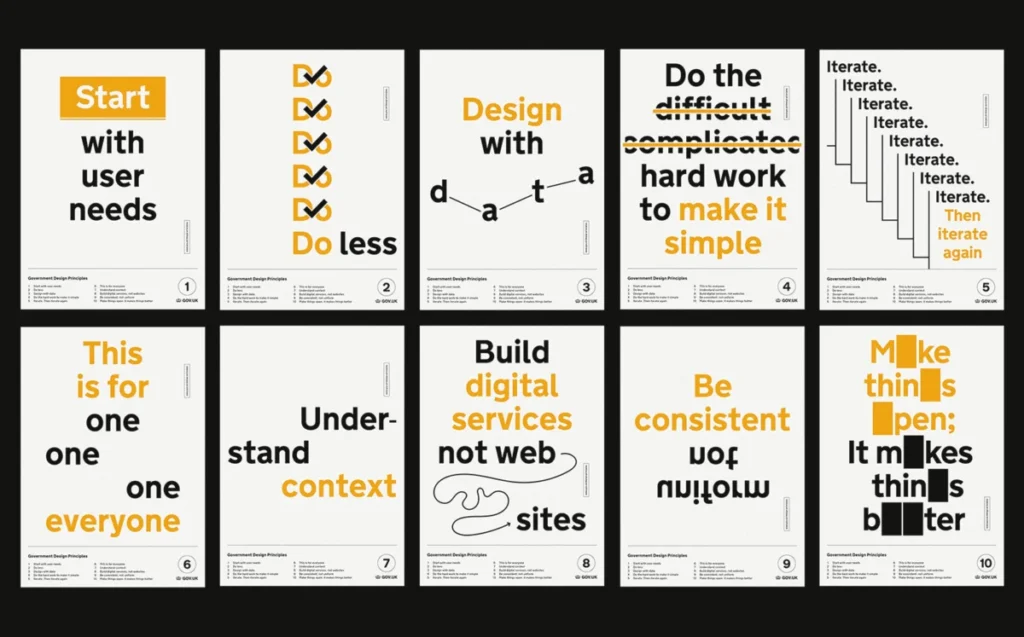
The consensus among modern digital strategists is that successful adoption relies on a shift from "control" to "empowerment." Instead of massive, complex policy documents that staff rarely read, the most successful organizations (such as the UK’s Government Digital Service) have adopted short, principle-based guidelines. These principles focus on transparency, accountability, and ethical use, while trusting the professional judgment of employees to apply these tools within their specific domains.
Broader Economic and Structural Implications
The implications of failing to manage this transition are severe. Organizations that continue to view AI solely as an IT procurement project risk wasting millions of dollars in licensing fees while simultaneously alienating their workforce. Conversely, those that treat AI adoption as a fundamental restructuring of organizational culture are positioned to realize significant gains in innovation and efficiency.
The transition period—the "messy middle"—is inevitable. During this time, organizations must accept a degree of volatility as staff explore the limits of the technology. By providing the necessary resources, such as role-specific training and an environment where failure is treated as a necessary step toward mastery, companies can mitigate the risks of Shadow AI and ensure that the integration of artificial intelligence leads to tangible, long-term value.
Ultimately, the lesson from 2014 remains as relevant as ever: technology is the vehicle, but people are the drivers. If the drivers are not motivated, trained, and protected, the most advanced vehicle will remain stationary. The challenge for modern management is not to build a faster AI engine, but to build an organizational culture capable of steering that engine toward sustainable, human-centric success. As the landscape continues to evolve, the ability to balance strict data governance with the freedom to innovate will likely become the primary differentiator between organizations that thrive in the AI era and those that merely survive it.