
Instagram has officially rolled out a significant update to its platform architecture, granting users the ability to display posts in which they have been tagged directly on their primary profile grids. This enhancement marks another strategic step by Meta to empower content creators, streamline collaborative workflows, and foster deeper community engagement within an ecosystem increasingly dominated by passive video consumption.
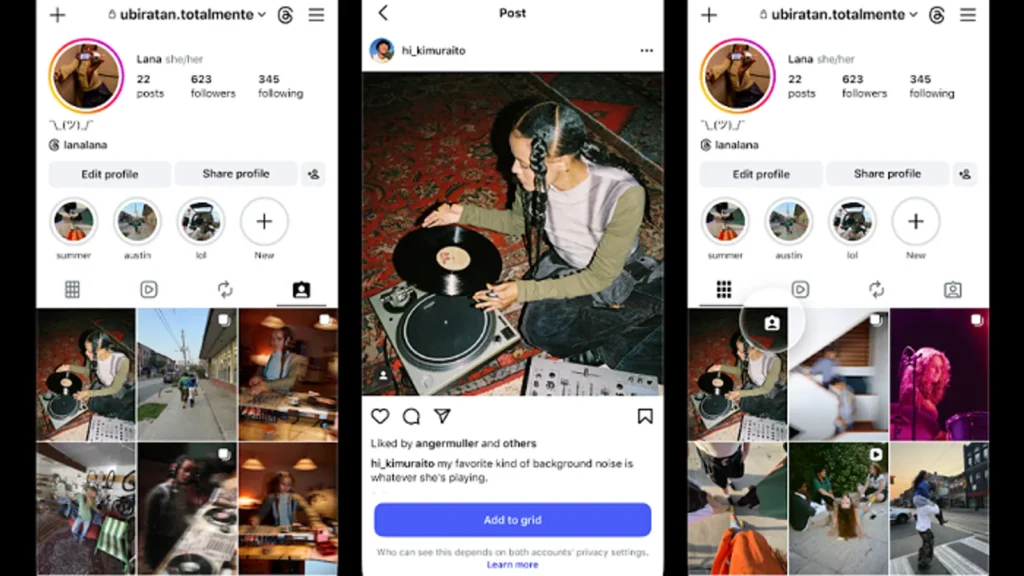
The newly introduced feature allows a tagged creator to manage their digital footprint more dynamically. Rather than remaining isolated in the dedicated "Tagged Photos" tab—a separate section on user profiles that historically required visitors to click away from the main grid—collaborative and tagged content can now be elevated to a user’s primary grid feed. When browsing a tagged post, eligible users will encounter a streamlined "Add to grid" prompt. Once selected, the post seamlessly integrates into their main profile layout, distinguished by a subtle tag icon positioned in the upper-right corner of the thumbnail.
By bridging the gap between tagged mentions and primary profile aesthetics, Instagram is providing influencers, brands, and everyday users with advanced curation tools. This development is expected to redefine how digital partnerships are showcased, allowing creators to seamlessly blend sponsored content, co-authored posts, and community shoutouts directly into their personal branding portfolios without altering the underlying ownership of the original upload.
The Chronology of Instagram Collaboration Features
The introduction of profile grid tagging does not occur in a vacuum; rather, it represents the latest evolution in a multi-year campaign by Meta to redefine how users interact, co-create, and share content across its platforms. Over the past half-decade, Instagram has systematically dismantled traditional content barriers, shifting from a static, single-author photo-sharing application into an interconnected multimedia collaborative network.
In July 2021, Instagram introduced the "Collab" feature, allowing two users to co-author a single Feed post or Reel. This initial breakthrough meant that content would simultaneously appear on both creators’ profile grids, sharing likes, comments, and view counts. The feature proved immensely popular among creators seeking to cross-pollinate audiences and brands partnering with influencers.
Recognizing the success of co-authoring, Instagram expanded these capabilities in mid-2023, increasing the maximum number of post collaborators to three accounts for both standard posts and Reels. This expansion allowed musical artists, multi-brand campaigns, and large influencer collectives to pool their audiences into a single viral moment. Beyond standard posts, the platform experimented with collaborative Stories, shared collection spaces, and group events, attempting to weave social synchronization into every corner of the application.

Simultaneously, the platform leaned heavily into remix culture. Borrowing heavily from competitors like TikTok, Instagram launched its Remix tool in 2021 for Reels, eventually expanding the functionality to include publicly shared photos. While some experimental features—such as short-lived artificial intelligence tools that allowed users to automatically remix public posts using generative AI—were introduced and subsequently withdrawn due to privacy and copyright considerations, the overarching trajectory remained clear: Instagram wants its users to build upon one another’s digital creations.
The latest update regarding grid integration for tagged posts serves as a bridge between asynchronous tagging and synchronous co-authoring. It offers creators who were left out of the initial "Collab" invite window a secondary mechanism to claim and display association with high-performing content.
Shifting User Behavior: The Tension Between Community and Consumption
To fully understand the strategic importance of Instagram’s latest feature, industry analysts point to a profound demographic and behavioral shift that has transformed the platform over the past five years. Once celebrated primarily as a decentralized peer-to-peer photo album where friends shared snapshots of their daily lives, Instagram has progressively mutated into an entertainment and media discovery engine.
According to internal metrics and public disclosures by Meta executives, approximately 50% of the total time spent by users on Instagram is now dedicated exclusively to the consumption of Reels—the platform’s short-form video vertical. Furthermore, company financial earnings reports consistently attribute overall engagement and usage gains across both Facebook and Instagram to the algorithmic success of video feeds.
While this pivot toward video has successfully defended Meta’s market share against rapid competitors like ByteDance’s TikTok, it has simultaneously introduced strategic vulnerabilities. When social media platforms compete strictly on the grounds of video entertainment and algorithmic delivery, they enter a high-stakes arena populated not only by dedicated video networks like YouTube, but also by subscription streaming giants such as Netflix, video-game platforms, and the broader open internet.
Industry experts note that what historically protected Instagram from becoming just another passive streaming channel was its robust social graph and deep community engagement loops. Users historically returned to Instagram not merely to consume polished media, but to maintain social connections, communicate via Direct Messages (DMs), and engage directly with peers and creators in mutual conversational spaces.
If the platform becomes entirely weighted toward passive consumption—where users scroll through endless algorithmic streams of content produced by professional creators and media entities—it risks losing its core differentiator. Consequently, features that incentivize active user-to-user collaboration, such as profile grid tag integrations, are not merely cosmetic adjustments; they are vital interventions designed to keep the "social" in social media.

Implications for Creators, Brands, and Digital Marketing
The rollout of the "Add to grid" tagging feature carries significant implications for the digital marketing landscape, creator economies, and social media management strategies.
For micro-influencers and emerging creators, the update provides a powerful new lever for portfolio building. Historically, securing partnerships with larger brands meant hoping that the primary author would invite them as an official collaborator. If an influencer was merely tagged in the caption or on the image itself, that piece of social proof remained buried in a secondary tab, often unseen by new profile visitors who only skimmed the main grid. Now, creators can curate their own digital showrooms by pulling verified brand mentions and collaborative photography directly into their primary profile presentation, enhancing their perceived authority and marketability to future sponsors.
For brands and enterprise-level marketers, the feature introduces new complexities and opportunities in campaign management. Brands frequently rely on user-generated content (UGC) and customer testimonials, tagging loyal consumers or partnering with community advocates. With this update, brands must account for the fact that participants in their campaigns now possess the autonomy to curate how those branded assets sit alongside their personal content. This necessitates a more collaborative approach to digital PR, where brands and creators must align not only on the content of the post itself, but on the long-term aesthetic and structural presentation of the creator’s profile grid.
Furthermore, social media managers anticipate that this feature will drive higher overall engagement rates on tagged assets. Because notifications regarding tagged content will now carry a direct path to grid integration, creators are more likely to interact with, acknowledge, and pin high-value community mentions, thereby extending the organic shelf-life of viral posts.
Strategic Outlook and Future Platform Trajectory
As Instagram navigates the ongoing balancing act between algorithmic entertainment and peer-to-peer social networking, product updates of this nature underscore Meta’s continuous refinement of its creator economy infrastructure. By lowering the friction associated with cross-profile content sharing, Instagram ensures that its platform remains nimble, highly collaborative, and deeply integrated into the daily routines of digital creators.
While the long-term dominance of short-form video formats like Reels remains secure within Meta’s strategic roadmap, the re-centering of community mechanics through grid-level tagging proves that the platform has not lost sight of its foundational roots. By empowering individuals to actively curate their shared spaces, Instagram continues to fortify its unique position against an increasingly crowded digital entertainment landscape, ensuring that user interaction remains the beating heart of the platform’s enduring appeal.