
Meta is doubling down on the marketing of its flagship artificial intelligence-enabled smart glasses, showcasing a series of innovative video capture and editing tools natively integrated into Instagram. Initially teased earlier in the year, these exclusive features are designed to maximize the utility of the hardware and provide content creators with sophisticated ways to engage their audiences. However, this high-profile promotional push arrives at a precarious time for the technology giant. Meta is currently navigating a deepening wave of public backlash, mounting privacy concerns, and active international regulatory investigations stemming from instances where users have covertly recorded individuals without their consent.
The juxtaposition of cutting-edge creative tools against a backdrop of severe ethical and legal challenges highlights the complex tightrope Meta must walk. As the company attempts to cement smart glasses as an indispensable everyday accessory, it simultaneously faces a rising tide of consumer resistance, physical protests, and intense scrutiny over the fundamental safety mechanisms of its wearable technology.
Exclusive Instagram Features Highlighted by Meta
To demonstrate the unique capabilities of its AI-powered eyewear, Meta recently shared a series of detailed examples on Instagram, highlighting advanced video capture modes and device-specific editing suites that are restricted exclusively to wearers of the hardware.
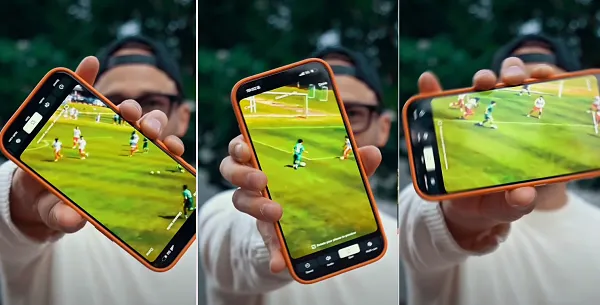
Chief among these new additions is "spin view." This novel capture mode enables users to expand the field of view in their recorded videos simply by physically turning their device or head in a fluid motion. The resulting footage dynamically extends as the perspective shifts, granting viewers a remarkably true-to-life, immersive experience that mirrors natural human observation. Industry analysts suggest that this feature could offer distinct advantages for creators seeking to capture dynamic, first-person action sequences with a level of fluidity previously unachievable with standard smartphones or traditional action cameras.
In addition to spin view, Meta is rolling out "multi-cam" functionality. This feature bridges the gap between traditional handheld recording and wearable tech by seamlessly synchronizing video feeds captured simultaneously from a user’s smartphone and their Meta AI glasses. By merging these dual perspectives into a single stream, content creators can offer audiences simultaneous angles of the same event. This simplified multi-view setup aims to drive higher audience retention and engagement by delivering a more multifaceted, comprehensive viewing experience.
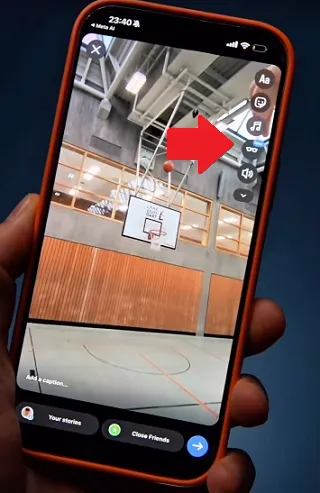
Rounding out the software update is a suite of glasses-specific editing tools integrated directly into the Instagram application. These proprietary tools give creators granular control over the post-production process, allowing for rapid revisions, stylistic enhancements, and platform-optimized formatting tailored specifically to the aspect ratios and focal lengths native to the wearable hardware. Although Meta first previewed these customized functionalities back in June, the recent social media showcase represents a concerted effort to shift public perception toward the practical value and creative potential of the hardware.

The Escalating Privacy Crisis and Covert Recording Incidents
While Meta continues to pitch its AI glasses as revolutionary creative companions, the devices are increasingly overshadowed by controversies surrounding user misconduct. Reports have steadily mounted detailing how malicious or negligent users have systematically bypassed the built-in privacy safeguards of the hardware.
Most notably, security researchers and investigative journalists have uncovered instances where wearers have physically manipulated or deactivated the external LED indicator lights designed to signal to the public when the device is actively recording. By obscuring or tampering with these notification lights, individuals have been able to covertly film unsuspecting bystanders in public spaces, private workplaces, and social gatherings. Consequently, numerous victims have discovered footage of themselves uploaded to online platforms without their explicit knowledge, consent, or authorization.
This alarming trend has ignited fierce debates regarding the erosion of public privacy in the digital age. Critics argue that wearable AI technology lowers the barrier to surveillance to an unacceptable degree, turning ordinary citizens into unwitting subjects in a vast, decentralized data-gathering apparatus. The ease with which these devices can be weaponized for non-consensual voyeurism has transformed what was once marketed as a futuristic lifestyle accessory into a focal point for privacy advocates and civil liberties organizations worldwide.
A Timeline of Regulatory Scrutiny and Public Pushback
The growing apprehension surrounding smart glasses is not merely theoretical; it has manifested into tangible legal hurdles and grassroots activism. The trajectory of Meta’s wearable tech initiative has been marked by a series of escalating milestones:
- Early Introductions (June): Meta initially previews custom Instagram stories and editing features designed specifically for its smart glasses, positioning the updates as minor quality-of-life enhancements for early adopters.
- Mid-Year Security Vulnerabilities Exposed: Independent reports emerge detailing widespread LED tampering. Investigations reveal that users are successfully bypassing recording indicator lights to film individuals covertly, sparking initial media scrutiny.
- Regulatory Interventions (Ongoing): Government bodies and data protection authorities in multiple jurisdictions, notably including the United Kingdom and the United States, announce formal inquiries and investigations into Meta’s privacy practices regarding the smart glasses.
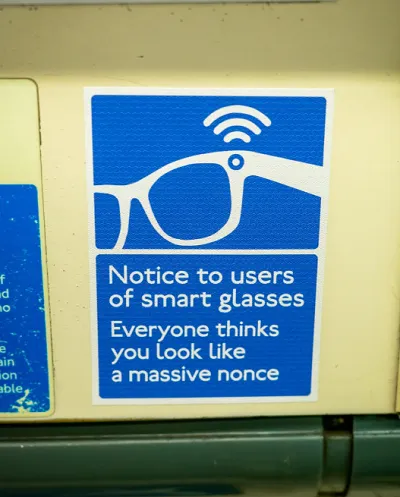
- Grassroots Protests (Recent): Public resistance moves from online forums to physical spaces. Activist collectives, such as Radical Graffiti, deploy anti-AI glasses awareness campaigns, plastering warning posters across public transit systems like the London Underground.
- Current Promotional Push: Meta responds to the PR crisis by simultaneously issuing software updates addressing hardware security while launching aggressive marketing campaigns on Instagram to highlight the creative utility of the devices.
International Investigations and Grassroots Activism
The systemic vulnerabilities of the hardware have drawn the sharpest possible response from regulatory bodies and civil society. Meta currently faces active inquiries and investigations from privacy watchdogs in both the UK and the US, with regulators demanding transparency regarding how the company prevents, detects, and penalizes the misuse of its recording technology.

Beyond official legal channels, public dissatisfaction has begun manifesting in physical, highly visible ways. Anti-surveillance groups have mobilized against the proliferation of wearable cameras, utilizing guerrilla marketing tactics to warn the general public. As documented widely across social media networks, activist groups like Radical Graffiti have designed and distributed striking anti-AI glasses posters. These warning materials have been spotted displayed prominently within high-traffic public transit hubs, such as the London Underground, signaling a deep-seated public distrust of continuous, unconsenting data collection in urban environments.
Meta’s Corporate Response and Market Position
Faced with this dual-front pressure—managing regulatory compliance on one side and fierce public skepticism on the other—Meta has attempted to strike a delicate balance. The corporation is actively engaged in developing hardware and software countermeasures to curb device tampering, striving to reassure both lawmakers and the public that privacy is a top priority. Concurrently, executives are refusing to dial back their marketing efforts, utilizing high-engagement platforms like Instagram to remind consumers of the unmatched value proposition offered by the glasses.
Despite the intense negative sentiment, vocal protests, and ongoing governmental investigations, Meta has not yet reported any direct, material impact on the sales performance of its AI-enabled eyewear. Consumer demand for the hardware appears resilient, even as the cultural and ethical debate surrounding its use intensifies.
Implications for the Future of Wearable AI
The current impasse surrounding Meta’s AI glasses serves as a critical case study for the broader wearable technology industry. As augmented reality, smart eyewear, and ambient computing transition from science fiction into mainstream commercial products, developers face a formidable challenge: balancing unprecedented convenience and creative capability with rigorous, unimpeachable ethical standards.
If technology companies fail to adequately address public privacy concerns and prevent malicious exploitation, they risk inviting heavy-handed legislative restrictions that could stifle innovation. Conversely, if consumers continue to normalize the erosion of public consent in exchange for novel social media content, society may face a permanent shift in privacy norms. For Meta, the immediate task is clear: the company must prove that its hardware can coexist harmoniously with public safety and personal privacy before regulatory mandates or widespread social rejection dictate the future of the product category.