
The landscape of independent digital publishing underwent a significant transformation in 2026 as Substack, the prominent newsletter platform, introduced native scheduling capabilities for its social feature, Notes. This development, which rolled out to web, iOS, and Android users on March 23, 2026, marked the end of an era where creators were forced to rely on manual posting or unofficial third-party browser extensions to maintain a consistent social media presence. While the internal tools provided by Substack offer a baseline for creators, the integration of professional social media management platforms—most notably Buffer—has provided power users with a more robust, analytical, and efficient way to manage their audience-building efforts.
The Evolution of the Substack Notes Ecosystem
Substack Notes was launched as a direct competitor to microblogging platforms like X (formerly Twitter) and Threads, designed to allow writers to share short-form content, engage with readers, and drive subscriptions directly within the Substack ecosystem. Initially, the lack of a scheduling tool created a bottleneck for professional creators. Maintaining a "daily habit"—often recommended by audience growth experts—required manual intervention at specific times, which was inconsistent with the workflows of full-time editors and publishers who manage multiple digital properties.
Prior to March 2026, the absence of scheduling functionality necessitated a high-touch, manual approach. Creators were effectively tethered to their devices, unable to batch-process content or optimize posting times for global audiences. The March 23 update addressed this by allowing users to queue content up to three months in advance. This shift was widely viewed by industry analysts as a strategic move to retain creators who were beginning to prioritize other platforms that offered more mature scheduling and automation tools.
Operational Mechanics: Native vs. Third-Party Integration
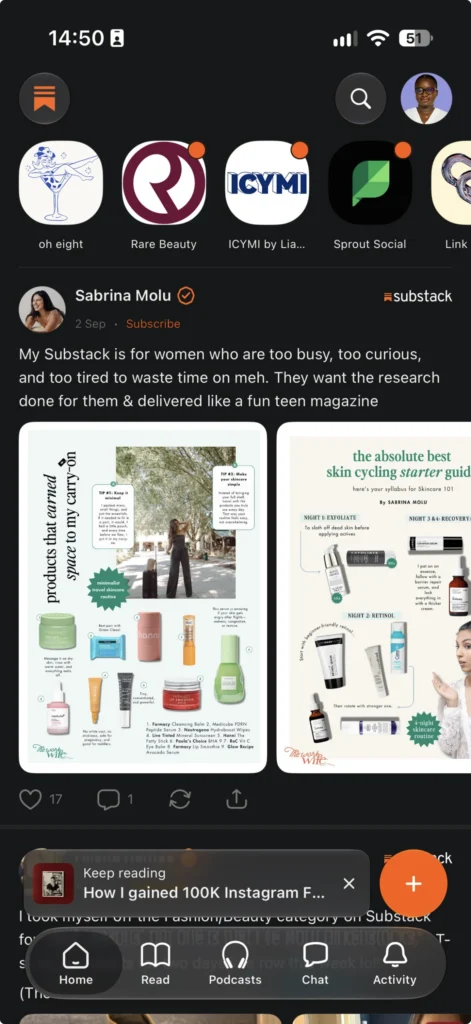
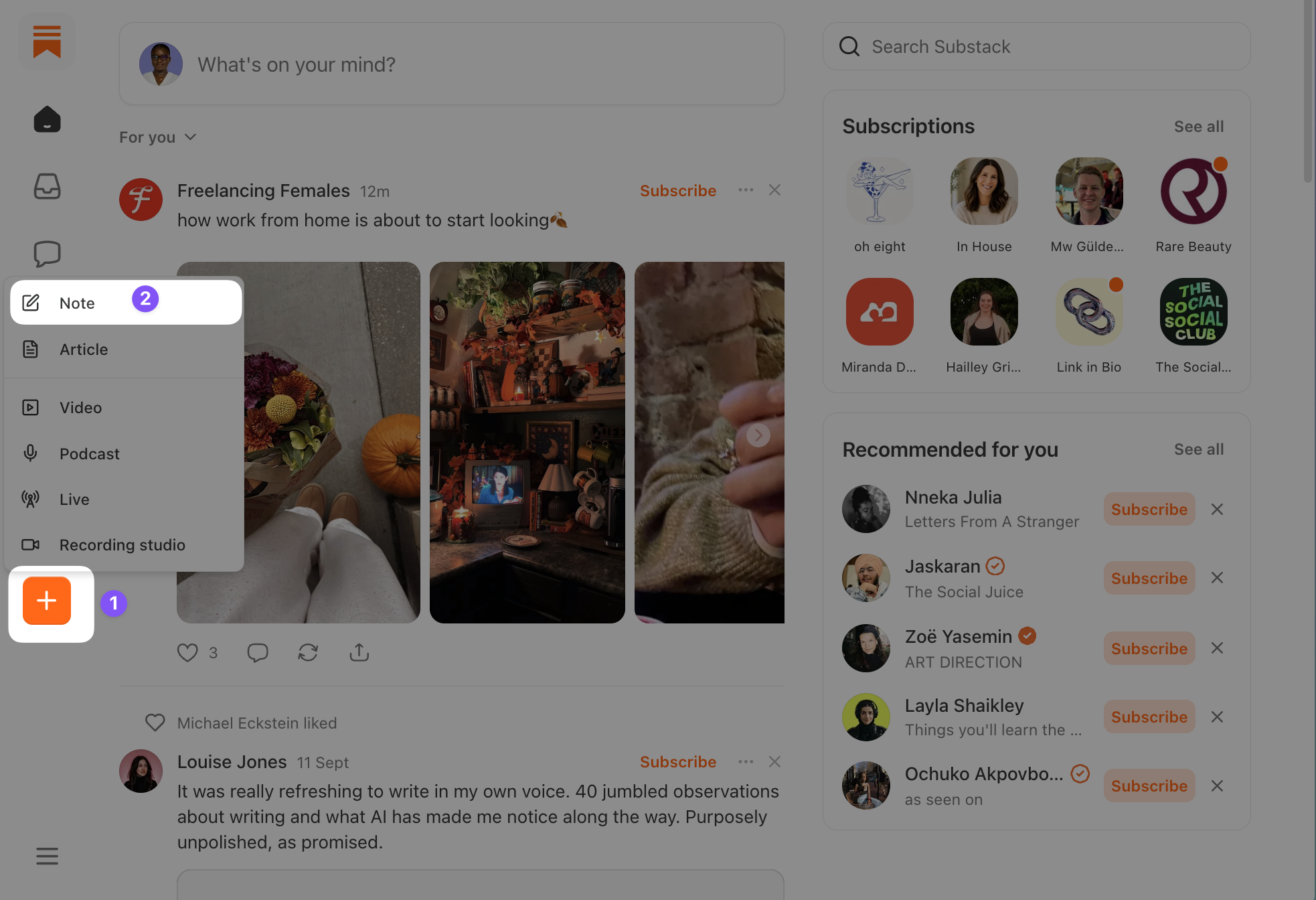
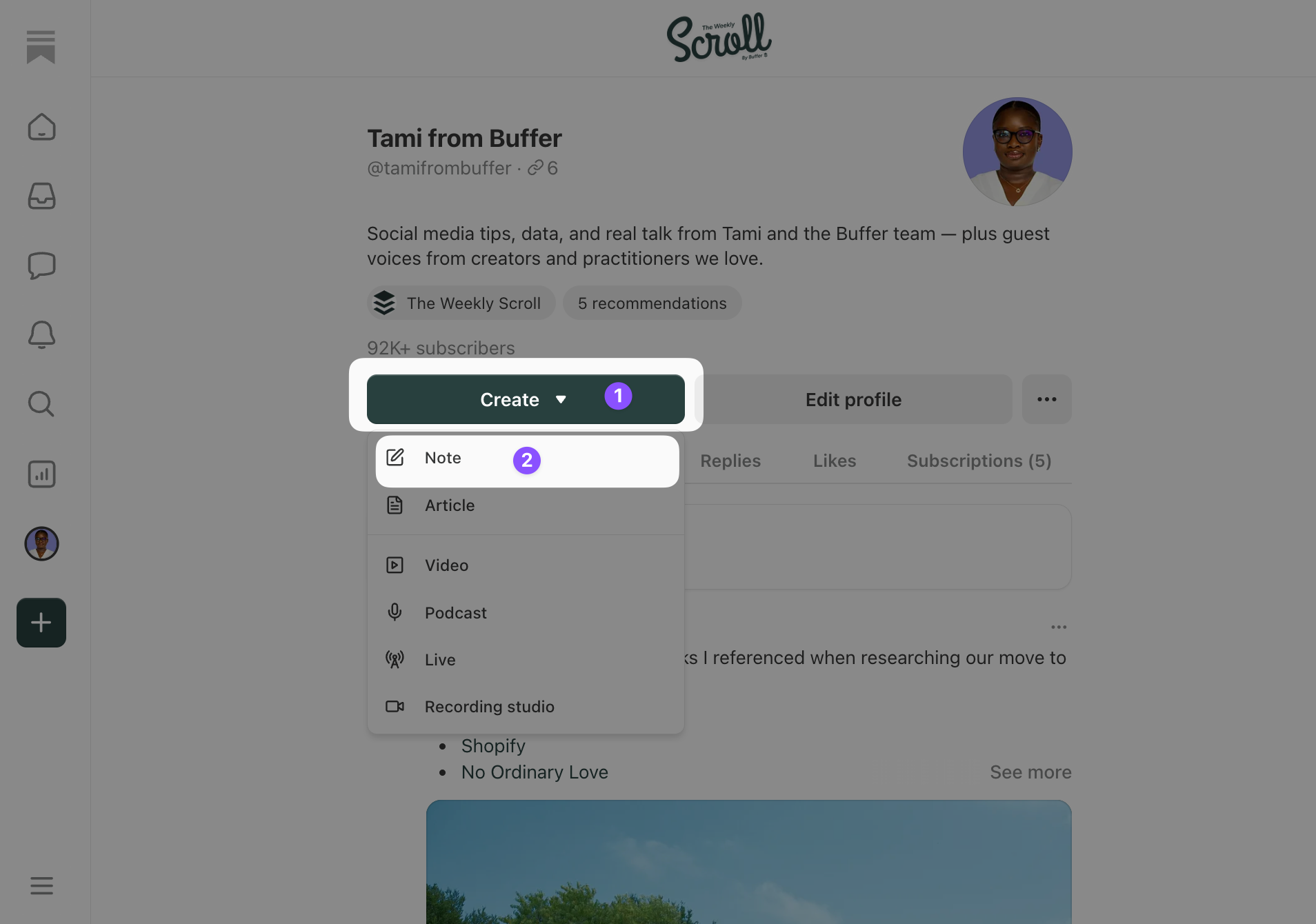
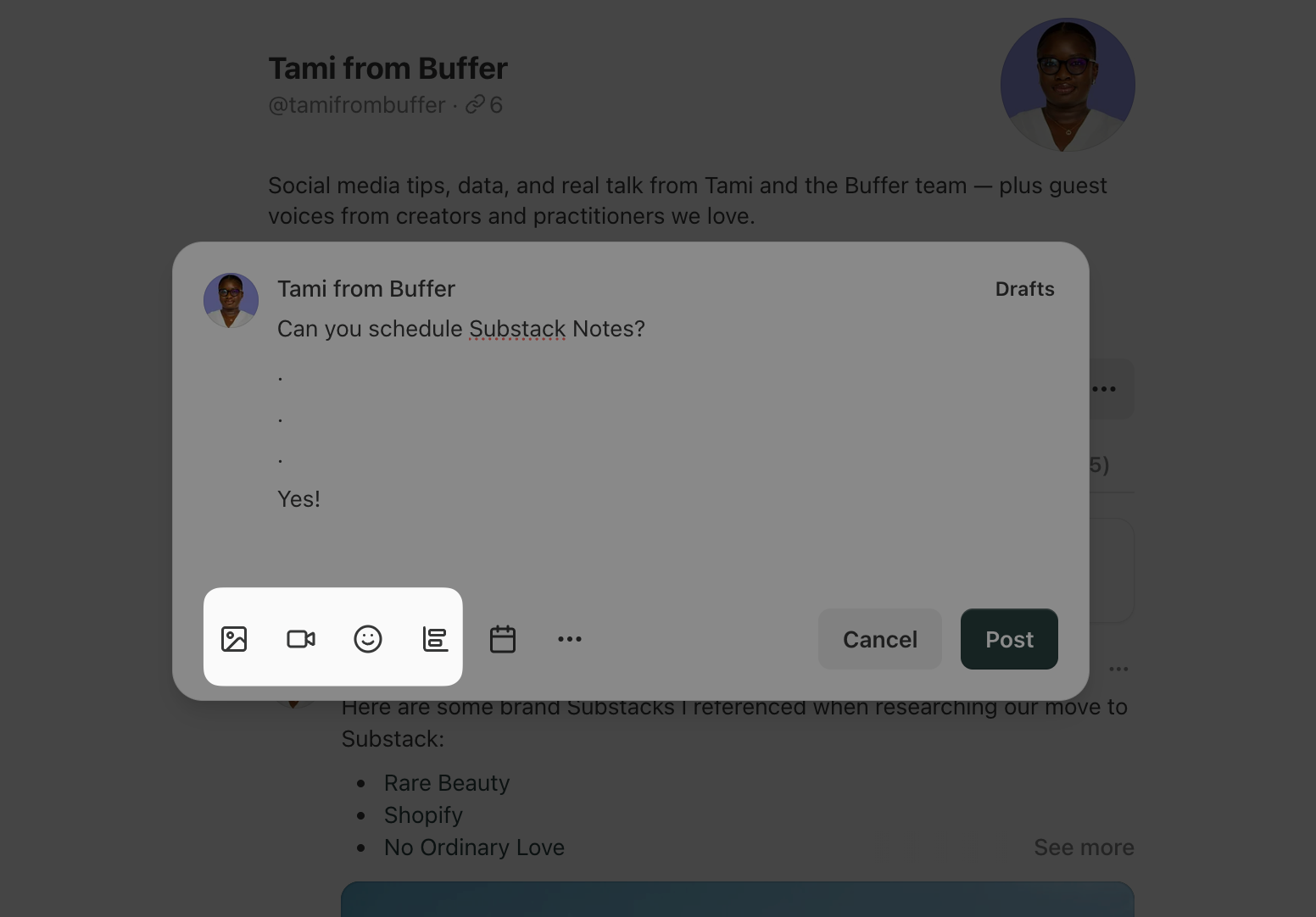
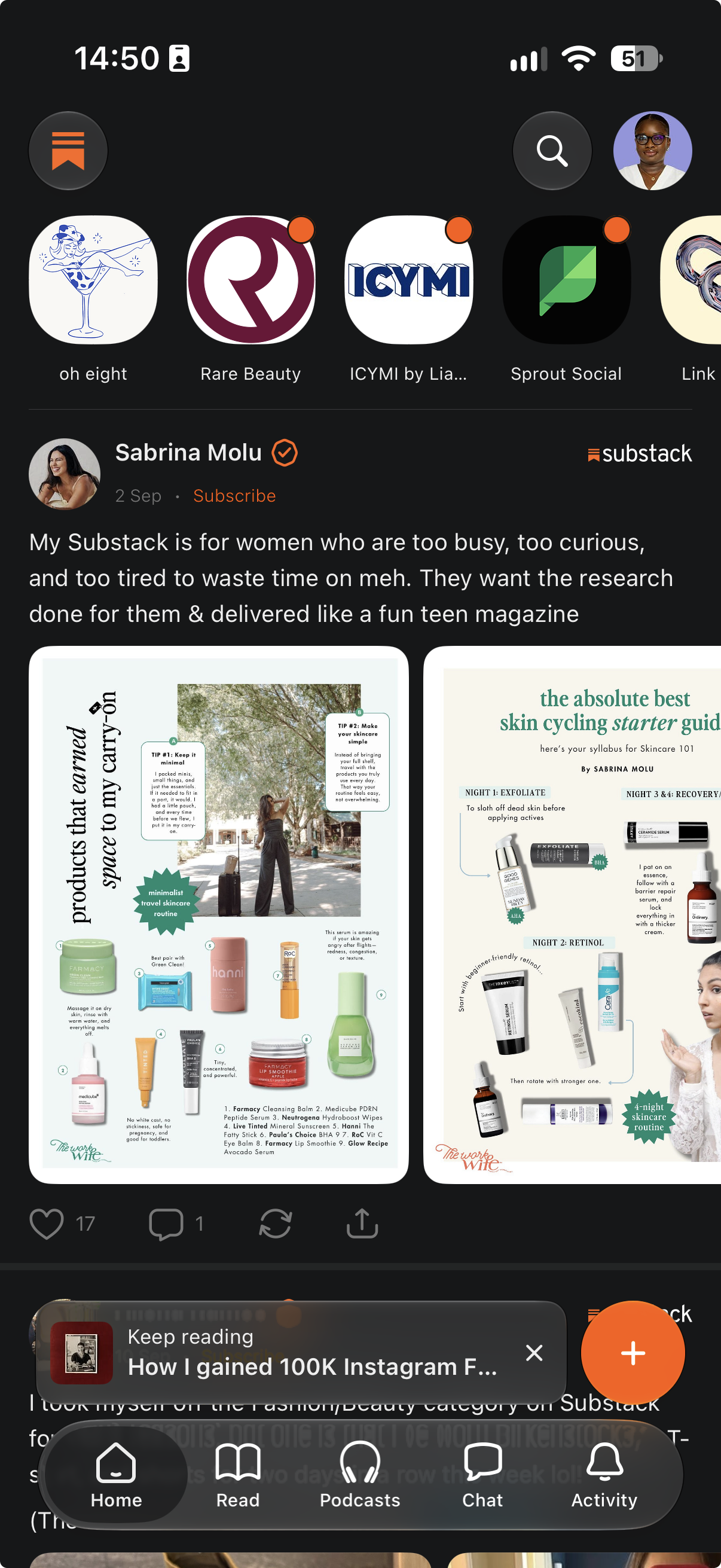
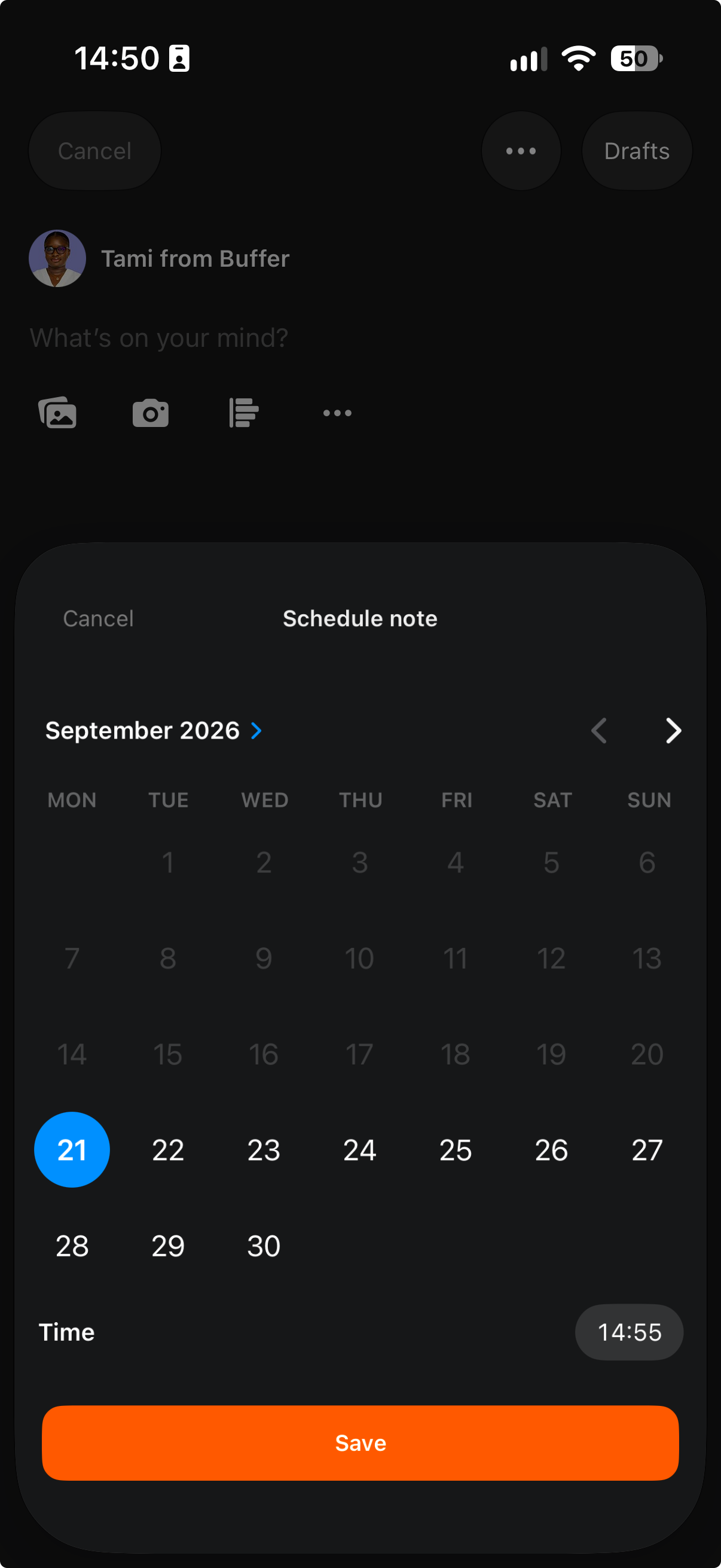
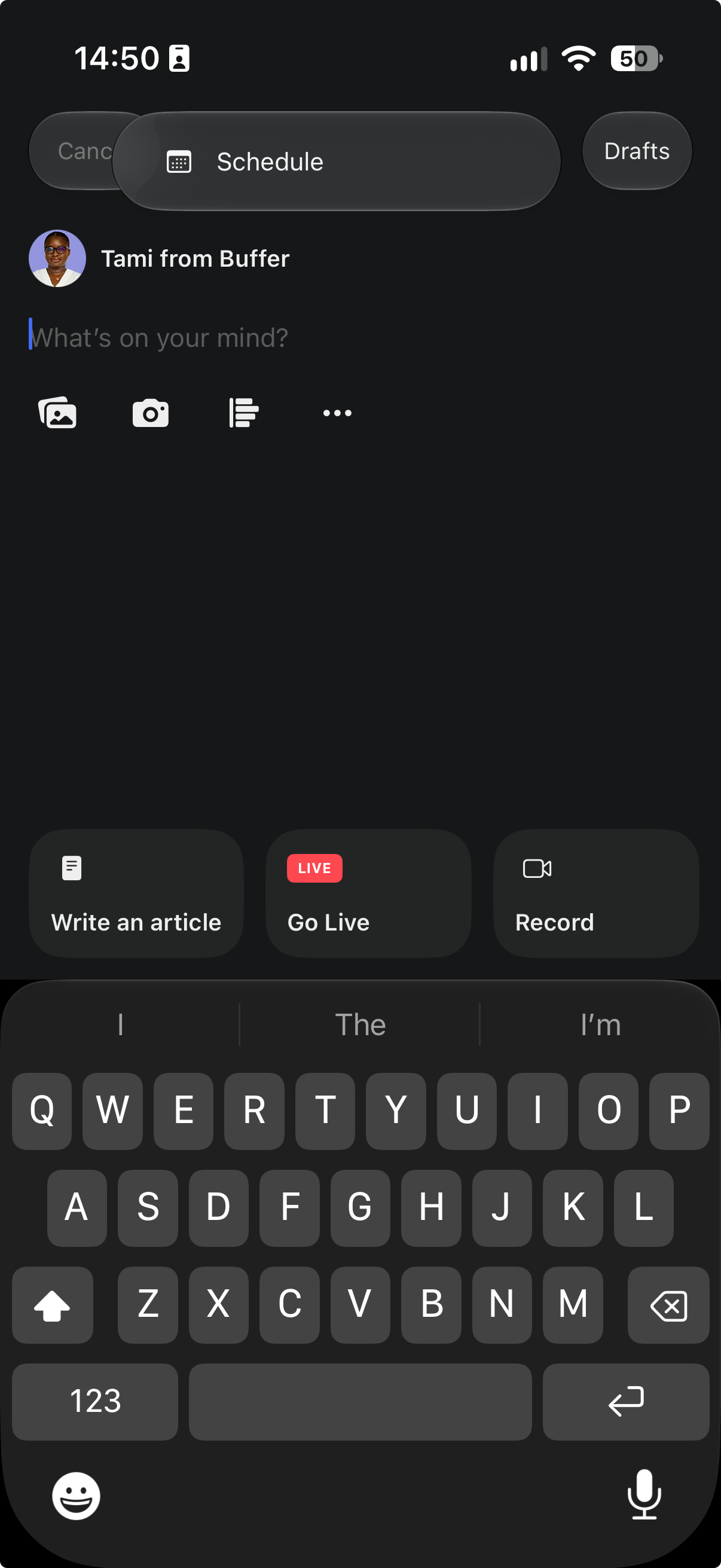
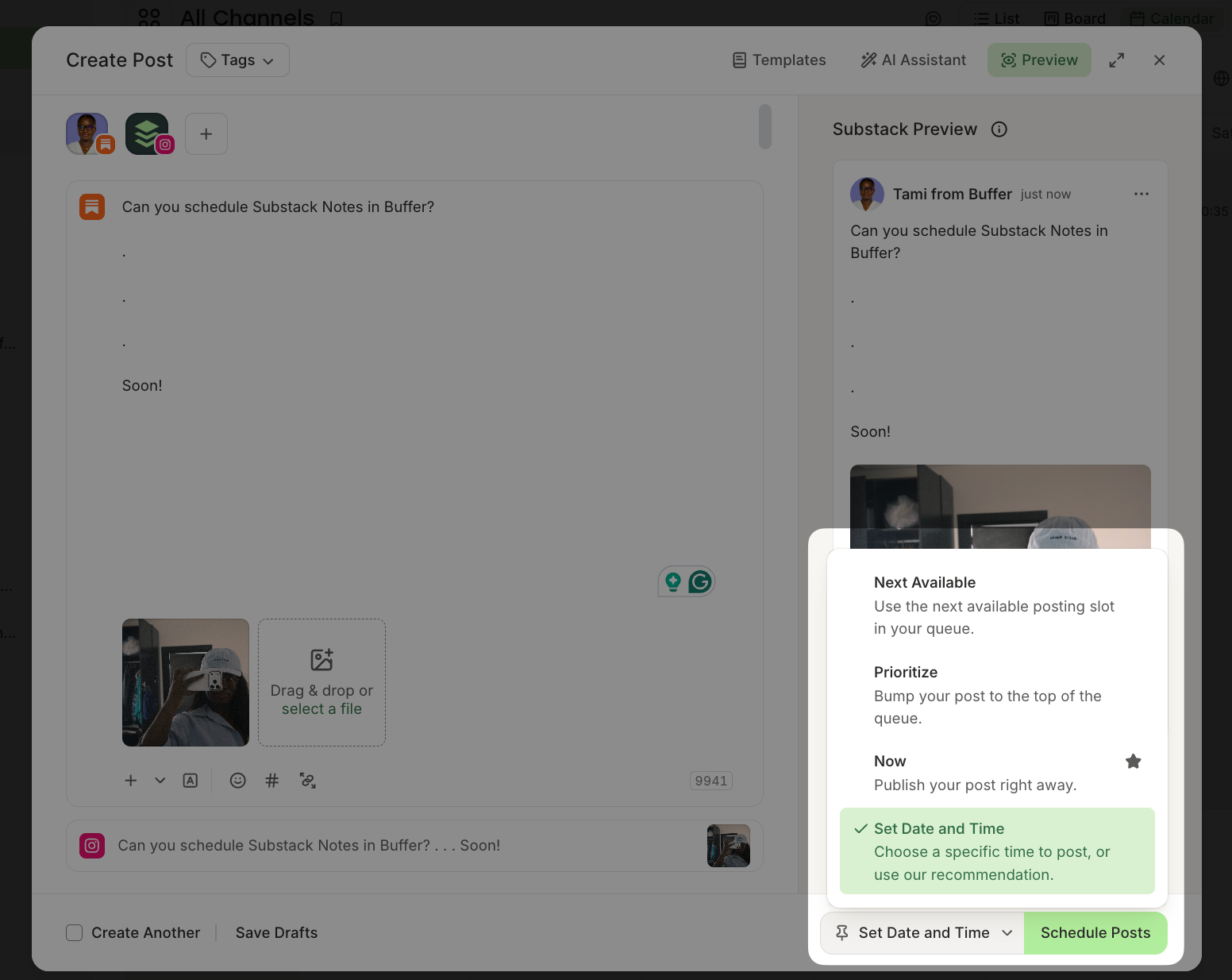
For the average creator, scheduling a Note within the native Substack interface is straightforward. On the web platform, users access the "Notes" tab, compose their message, and utilize the scheduling icon to select a specific date and time. Similarly, on the mobile application, the process involves selecting the "plus" icon, drafting the content, and accessing the "Schedule" option via the sub-menu. All scheduled items are relegated to a "Drafts" folder, where they can be modified or rescheduled until the moment of publication.
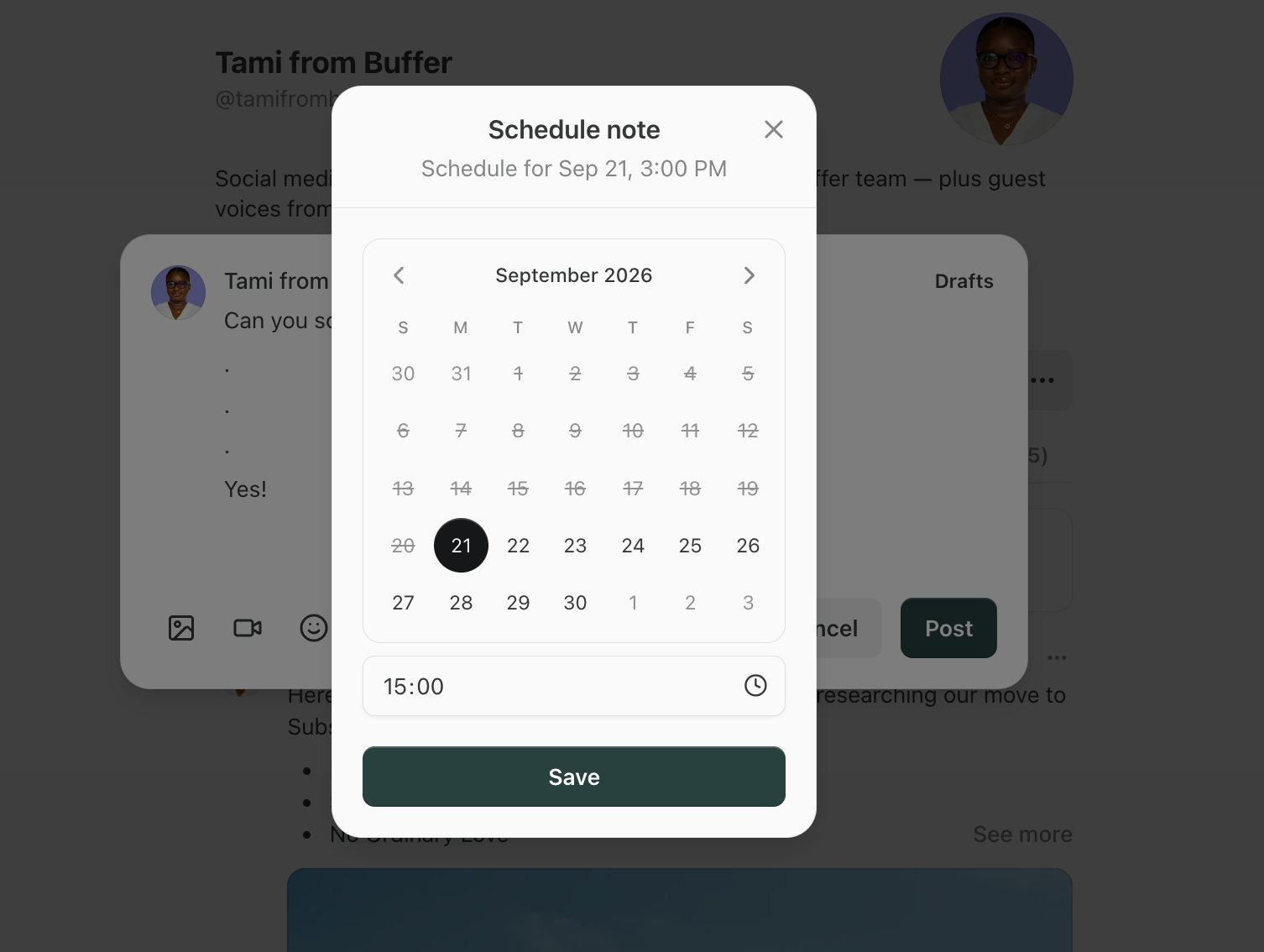
However, the native scheduler is limited by its simplicity. It lacks a visual calendar interface, making it difficult to visualize a weekly or monthly content strategy. Furthermore, the native tool does not allow for cross-platform distribution. A creator wishing to post the same content to LinkedIn, Bluesky, and X must do so through separate windows, leading to inefficiencies and data fragmentation.
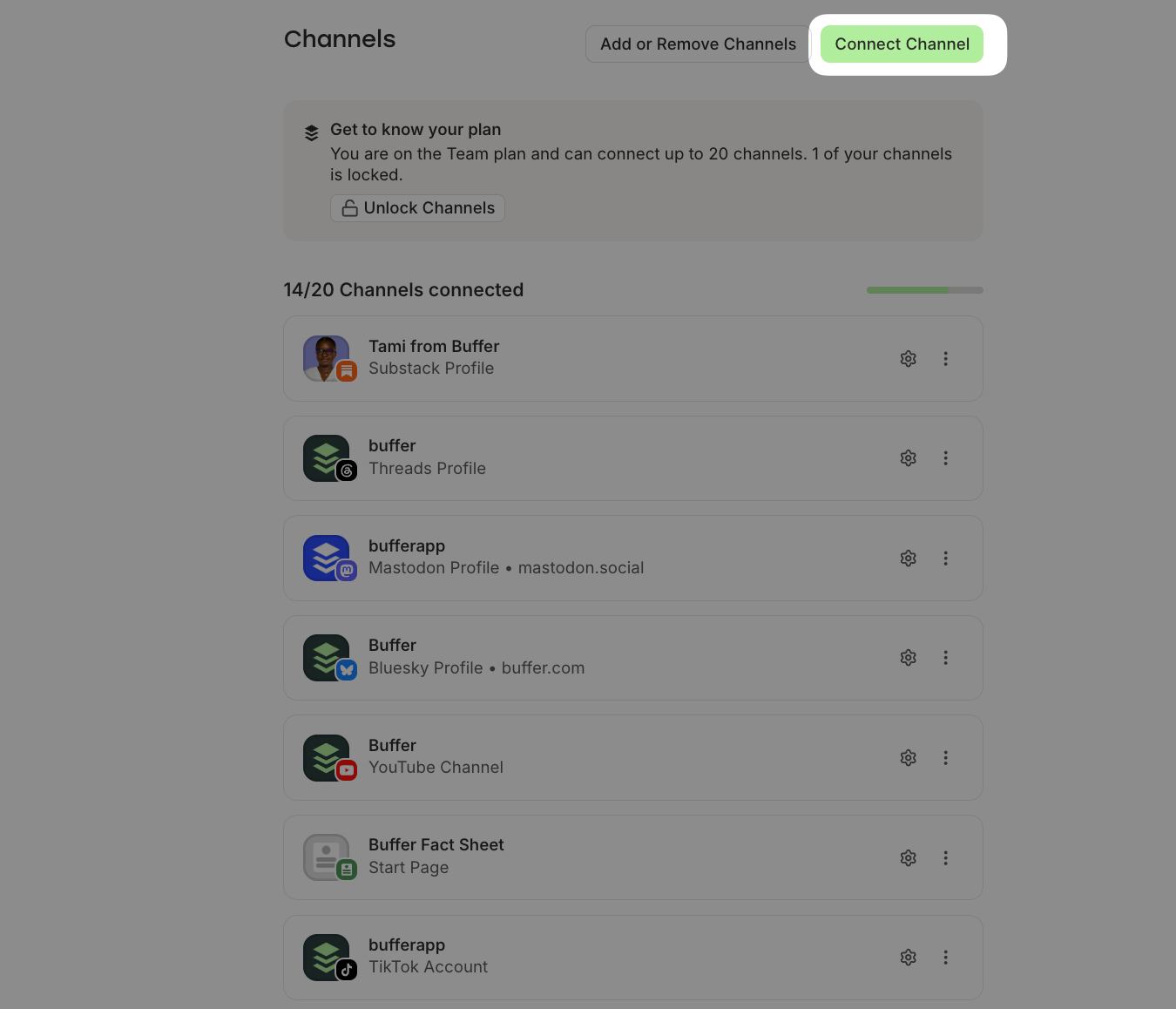
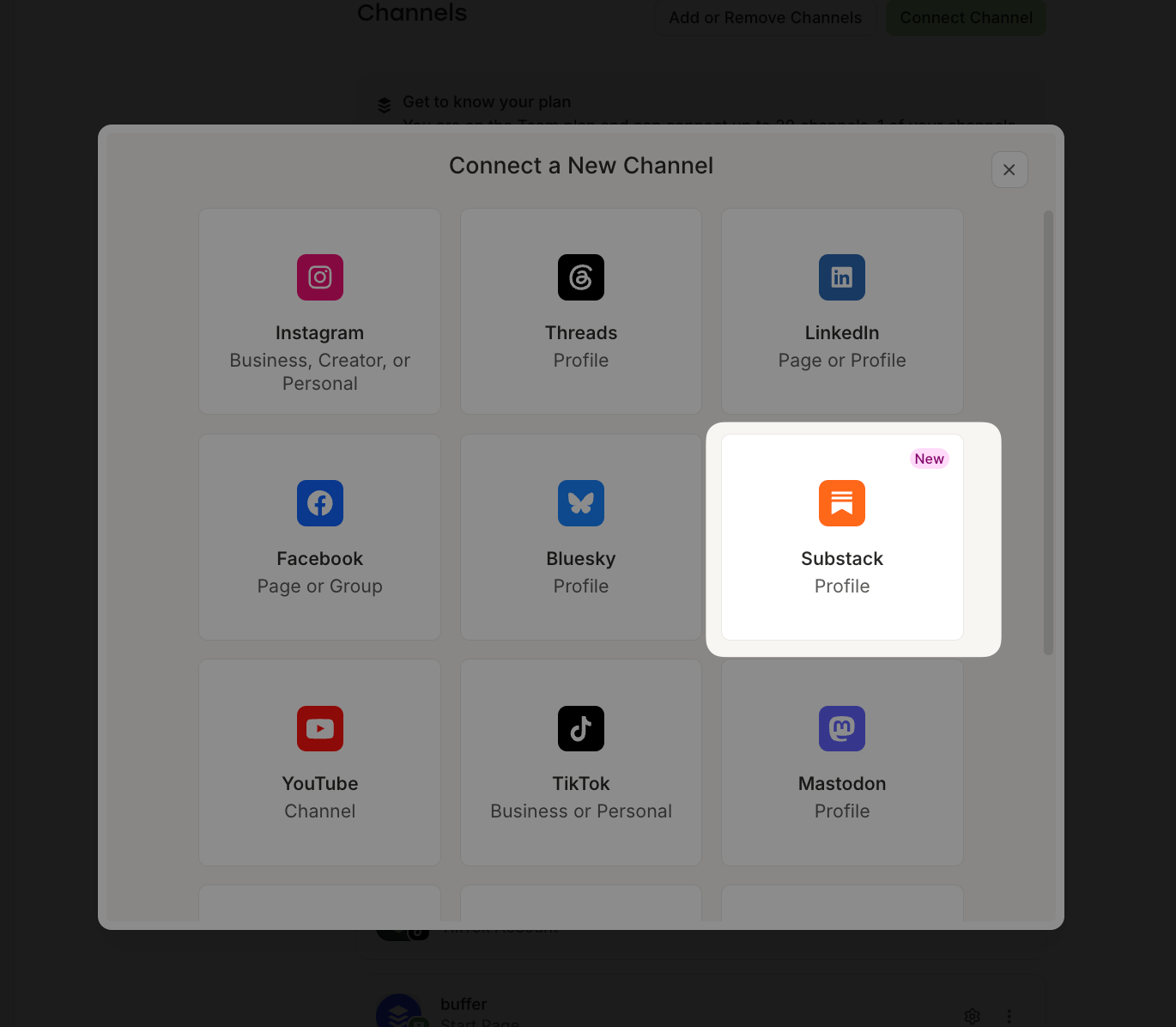
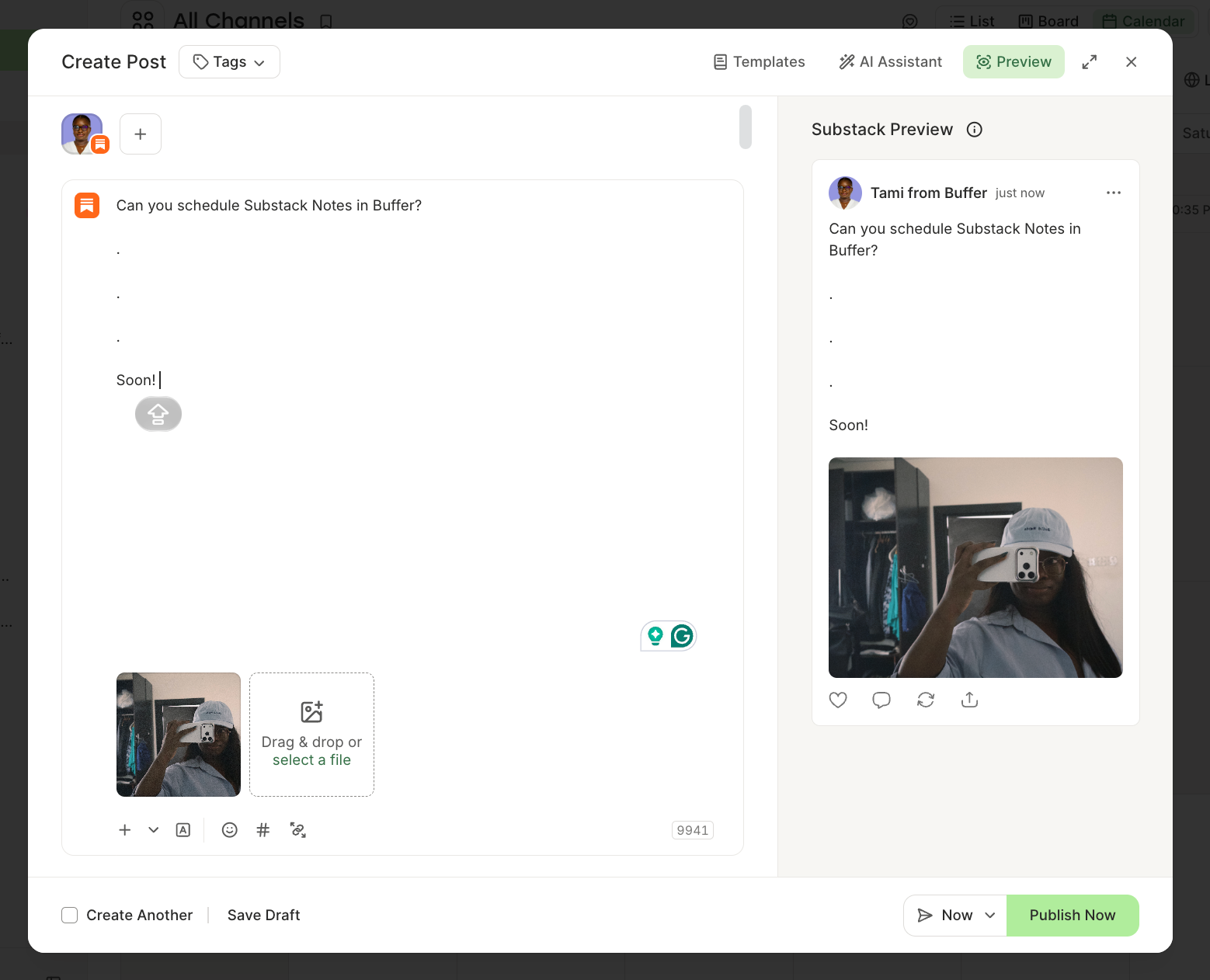
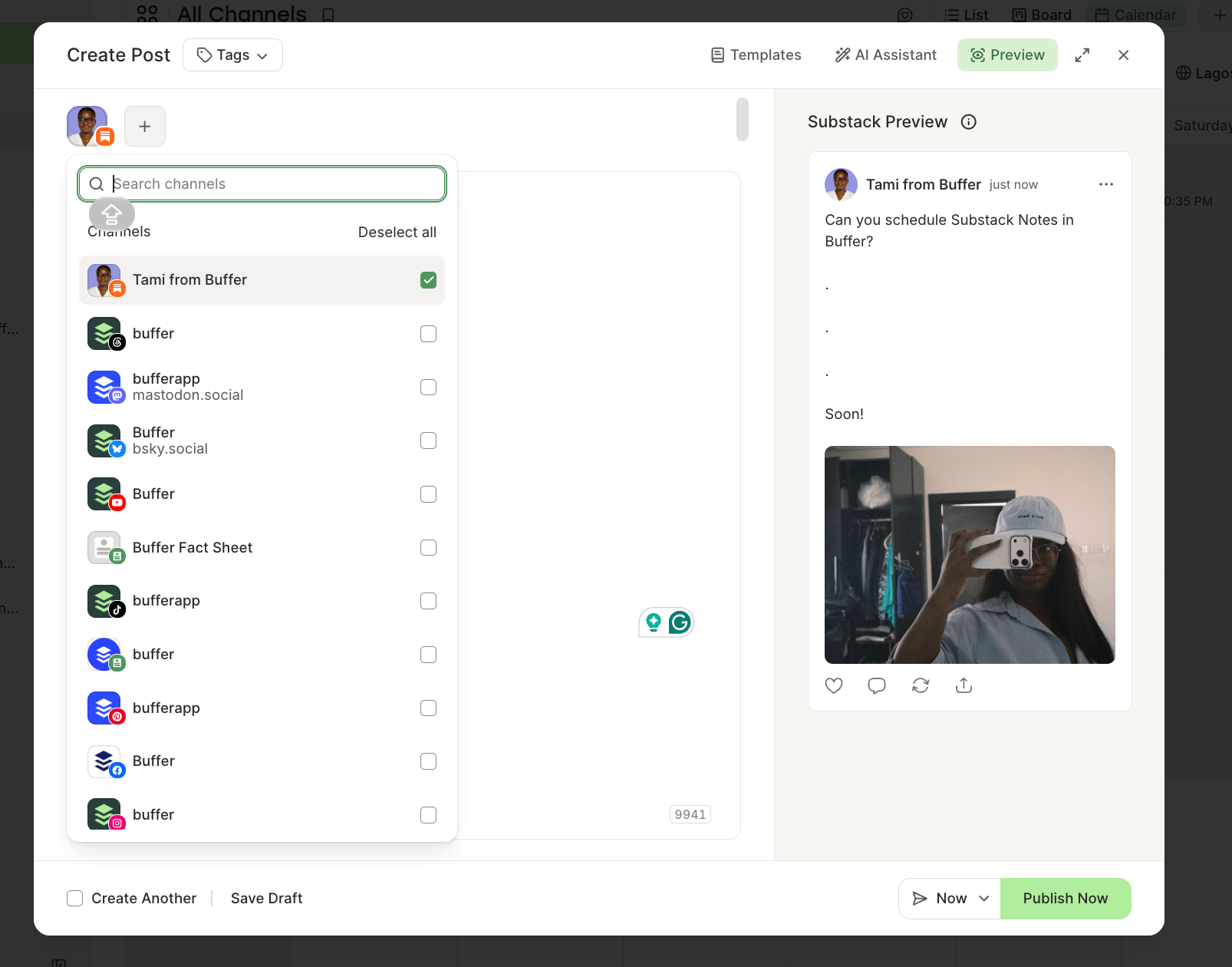
Buffer’s integration, by contrast, utilizes Substack’s official API to treat a Substack publication as a primary social channel. This allows for a unified "single pane of glass" workflow. By connecting a Substack account to Buffer, creators can view their Notes alongside their other social media activity on a comprehensive calendar. This integration is not merely a convenience; it represents a fundamental change in how newsletter authors measure success.
Data-Driven Insights and Audience Growth
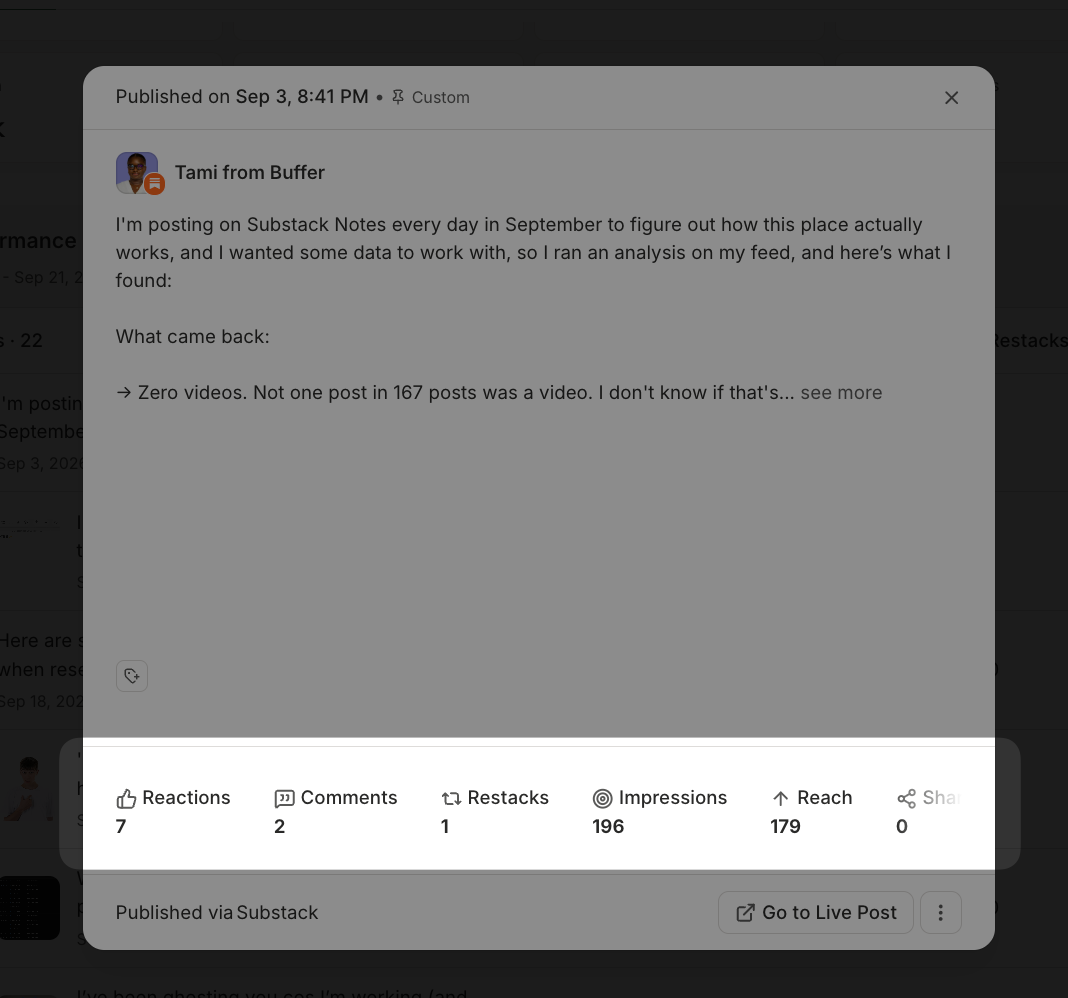
The primary advantage of using a professional-grade scheduling tool like Buffer lies in the depth of analytics provided. While native Substack tools provide basic metrics—such as likes, replies, and restacks—they do not correlate these actions with subscriber conversion rates. Buffer’s analytics suite offers a more granular view, tracking impressions, engagement, and, crucially, the number of free and paid subscribers directly attributable to a specific post.
This level of data is essential for modern newsletter growth. If a specific type of Note—such as a link-heavy update versus a text-only reflection—consistently drives a higher conversion rate, the data allows the author to refine their content strategy accordingly. By comparing the performance of a Note on Substack against the same content posted on LinkedIn or X, creators can identify which platform hosts their most valuable audience segments.
Strategic Implications for Content Creators
The ability to schedule content has profound implications for editorial planning. In the past, the "always-on" nature of social media often led to creator burnout. The introduction of these tools enables a "batching" workflow, where a creator can spend a few hours on a Monday morning scheduling an entire week of engagement.
Evidence from publications that have adopted this methodology, such as the Buffer-operated "The Weekly Scroll," suggests that the consistency of posting is more influential than the specific timing of a post. The primary constraint is no longer the mechanics of posting, but rather the creator’s availability to engage in the "community management" phase—responding to comments and engaging with readers in the critical hour following publication.
Addressing Common Technical and Workflow Queries
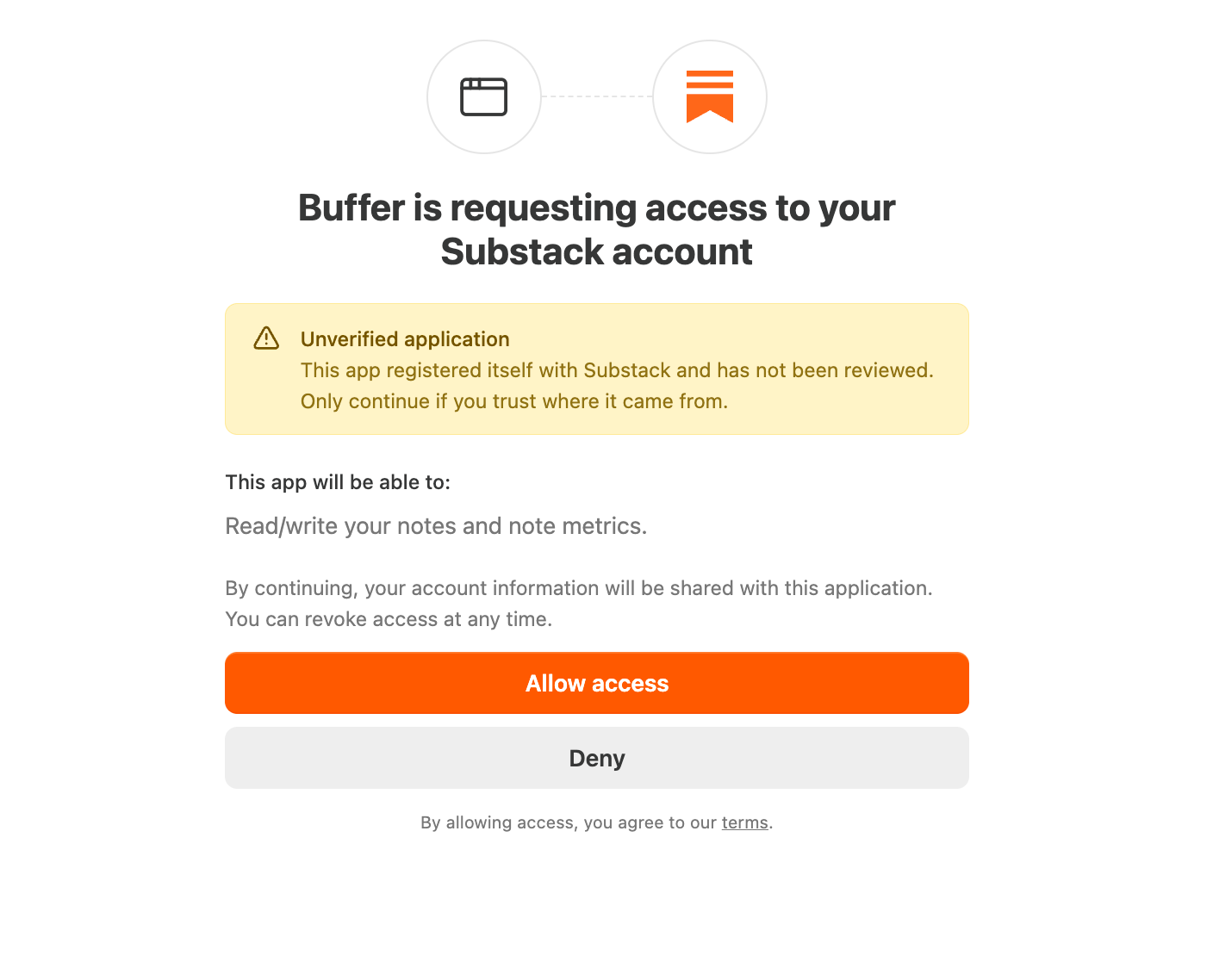
For creators concerned about the technical validity of these tools, it is important to note that third-party integrations like Buffer operate via official, secure APIs. These integrations do not violate the terms of service of the host platforms. Regarding common concerns about algorithmic penalization, there is currently no empirical evidence to suggest that scheduled posts perform worse than those posted manually. On the contrary, scheduled posts often perform better because they are timed to coincide with peak audience activity periods rather than the creator’s arbitrary schedule.
Furthermore, these tools are highly accessible. Both the native Substack scheduler and the free tier of Buffer allow for robust scheduling without immediate financial commitment. This democratization of professional publishing tools means that even individual writers can now manage their digital presence with the same rigor as established media organizations.
Future Outlook and Industry Best Practices
As the digital publishing sector continues to consolidate around creator-led platforms, the distinction between a newsletter and a social feed is becoming increasingly blurred. The success of a publication is no longer tied solely to the quality of the long-form essay, but to the ecosystem of social interactions that surround it.
Industry experts recommend that creators adopt a three-pillar strategy for their Notes:
- Batching: Utilize the beginning of the week to map out the narrative arc of the upcoming seven days.
- Cross-Platform Consistency: Use tools that allow for the simultaneous deployment of core messages across multiple channels, while tailoring the framing for the specific audience of each platform.
- Analytics-Led Iteration: Review conversion data monthly. If a specific format or topic fails to move the needle on subscriber growth, pivot quickly based on the evidence provided by the analytics dashboard.
The transition toward automated, data-informed scheduling represents a significant professionalization of the Substack ecosystem. By moving away from manual, reactive posting and toward a proactive, strategic scheduling model, creators can better protect their time while simultaneously increasing the reach and conversion potential of their work. The tools required to achieve this are no longer exclusive to enterprise-level media outlets; they are now available to any writer willing to invest the time to integrate them into their workflow. As we move through the latter half of the decade, the winners in the creator economy will likely be those who best leverage these backend technologies to foster deeper, more consistent connections with their readers.