
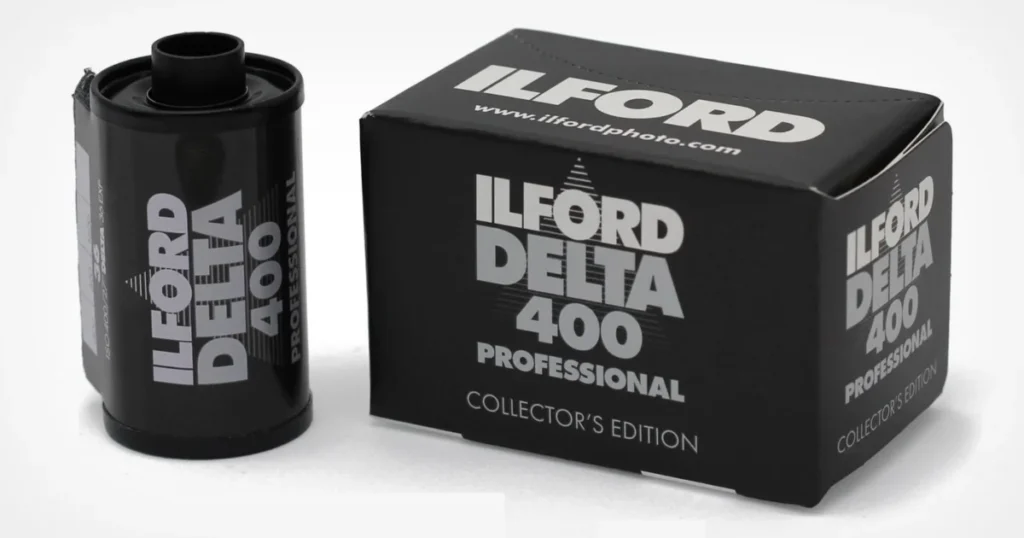

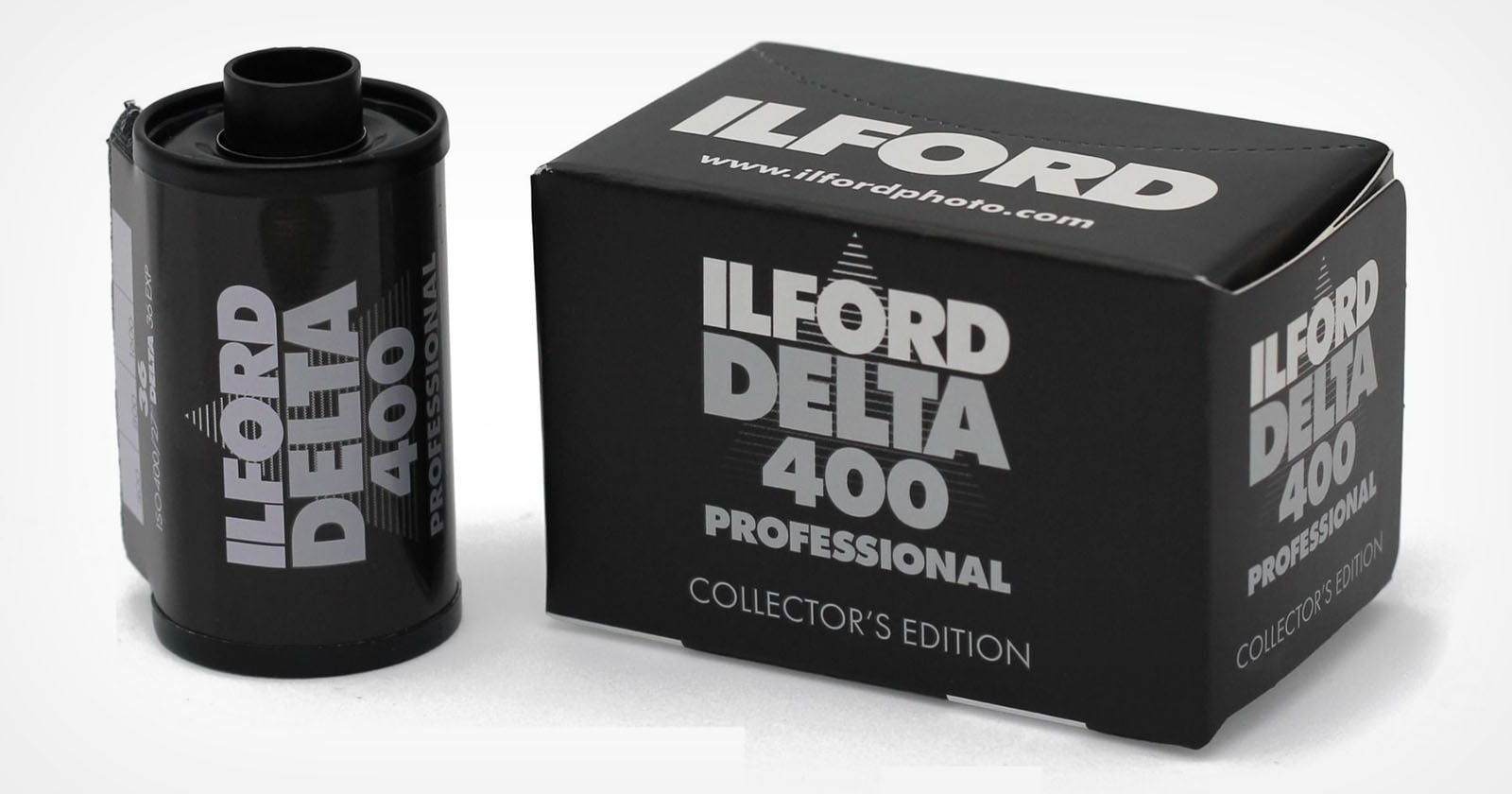
Ilford Photo has officially introduced the Delta 400 Professional Collector’s Edition, a refined iteration of its staple 35mm black-and-white film stock. Available exclusively in the 135 format, this limited-run product features a modified base construction designed to push the boundaries of the traditional Delta 400 aesthetic. While the core chemical emulsion remains consistent with the standard professional-grade stock, the inclusion of a clearer roll-film base with advanced anti-halation protection marks a significant technical departure for the manufacturer.
The release arrives at a pivotal moment for the analog photography industry, which has seen a sustained resurgence in popularity among both amateur enthusiasts and professional photographers over the last decade. By positioning this product as a "Collector’s Edition," Ilford is effectively conducting a controlled market experiment to determine whether the demand for premium-tier film stocks justifies the higher manufacturing costs associated with the new base material.
Technical Specifications and Material Evolution
The hallmark of the Delta 400 Professional Collector’s Edition is its unique substrate. Ilford has transitioned the film onto a clearer roll-film base, integrated with a specialized anti-halation layer. In traditional film manufacturing, an anti-halation layer is essential to prevent light from reflecting off the back of the film base and bouncing back into the emulsion, which can cause "halos" or unwanted glow around bright light sources in high-contrast scenes.
By optimizing this layer on a clearer base, Ilford aims to achieve several performance upgrades compared to the standard Delta 400 Professional:
- Enhanced Dynamic Range: The clearer base allows for better light transmission during the exposure process, potentially yielding more nuanced detail in both highlights and deep shadows.
- Improved Scanning Performance: Because the base is clearer, the density of the negative is easier for modern digital scanners to interpret, leading to reduced digital noise and improved color depth in the conversion process.
- Refined Sharpness: The reduction of internal light scattering ensures that the ultra-fine grain of the Delta 400 emulsion is rendered with greater edge acuity.
Despite these physical changes, the film maintains the ISO 400 speed rating and follows the same processing chemistry and development times as the original Delta 400. This ensures that photographers familiar with the standard film can integrate the Collector’s Edition into their existing workflows without needing to recalibrate their development charts or exposure metering.
Strategic Context and Market Rationale
The launch of this limited edition is part of a broader trend within the photographic film industry where manufacturers are increasingly engaging with their user base to gauge interest in high-end, niche products. Ilford, which has remained a stalwart in the analog space, is currently navigating the complexities of rising raw material costs and the logistics of specialized film production.
Industry analysts observe that manufacturing film is a highly capital-intensive process. Every change to the chemical or physical composition of a film—such as adding a new anti-halation coating—requires significant research, development, and machinery calibration. By releasing the Collector’s Edition in "very limited quantities," Ilford is mitigating its financial risk. If the product receives positive feedback from the community, the company gains the necessary data to justify a permanent production run.
However, the company has been transparent about the economic reality of such a transition. Through its official social media channels, Ilford acknowledged that if the Collector’s Edition were to be integrated into the standard lineup, the retail price would likely be higher than the current Delta 400 Professional. This price adjustment would account for the increased manufacturing complexity of the specialized base.
Availability and Accessibility
In an era where most specialty photography gear is sold through online marketplaces, Ilford has opted for an "in-store only" strategy for this release. The film is priced at $15.19 per roll, a premium that reflects its status as a specialized product. By restricting sales to authorized retailers, Ilford is reinforcing its commitment to the local camera store network, which serves as a vital touchpoint for the analog community.
This move also serves to manage the distribution of a scarce resource. By avoiding a mass-market digital release, the company prevents "scalping" and ensures that the film reaches individuals who are actively engaged with independent retailers. It is a calculated move that rewards the most dedicated segment of the film photography market while maintaining the prestige associated with a "Collector’s Edition."
The Resurgence of Analog Photography
The introduction of this film must be viewed within the context of the sustained growth of the film photography sector. According to market data from the past five years, the demand for black-and-white film has remained robust, driven by a demographic shift toward younger photographers who value the physical process of development and the unique aesthetic of silver halide imagery.
Companies like Ilford have successfully capitalized on this by not only maintaining their legacy stocks but by actively innovating within the constraints of the medium. The Delta 400 Professional Collector’s Edition represents a "pro-sumer" bridge: it offers the reliability of a long-standing industry standard while providing a technical refinement that appeals to the "gear-oriented" nature of the hobby.
Implications for Future Product Development
The success of the Collector’s Edition will likely provide a blueprint for how legacy film manufacturers approach product expansion. Historically, film companies were hesitant to tweak proven formulas due to the risk of alienating long-term customers. However, the current "test-and-learn" approach allows for iterative improvement.
If the market reception is favorable, Ilford may consider applying this "clearer base" technology to other films in the Delta or HP5 lines. Such a development would represent a significant technological milestone, potentially setting a new benchmark for the quality of professional black-and-white film.
Conversely, the experiment provides valuable data even if the reception is lukewarm. By testing the market with a limited run, the company avoids the long-term commitment of stocking a product that might not reach a sustainable volume of sales. It is a cautious, measured approach that prioritizes the long-term sustainability of the brand over short-term market expansion.
Conclusion: A Test of Brand Loyalty
The Ilford Delta 400 Professional Collector’s Edition is more than just a new roll of film; it is a signal to the analog community that the medium is not merely surviving but evolving. The decision to make this a limited-run test is a direct response to the sophisticated demands of today’s film photographers, who are increasingly interested in the nuances of base materials and technical performance.
As photographers begin to test this new emulsion, the broader impact of the release will become clear. For now, the product serves as a litmus test for the industry’s willingness to pay for premium, technically superior goods. Whether or not it leads to a permanent product remains to be seen, but the initiative serves as a positive indicator of Ilford’s commitment to continued innovation. For the film enthusiast, it represents a rare opportunity to participate in a piece of photographic history, and for the industry at large, it is a fascinating case study in modern manufacturing strategy. Those interested in obtaining the film are encouraged to consult the official Ilford retailer list to locate participating stores, as the limited inventory is expected to move rapidly among those keen to evaluate the promised improvements in shadow detail and scanning clarity.