
As the autumn air turns crisp and seasonal consumer habits shift toward festive retail purchases, brands are increasingly leveraging Halloween as a major commercial catalyst. Recent market data indicates that approximately 73 percent of individuals in the United States participate in Halloween festivities in some capacity, transforming a traditional single-night holiday into a multi-week retail and digital event. For modern enterprises, digital visibility during this period relies heavily on sophisticated content discoverability strategies rather than simple aesthetic appeal. Social media algorithms have evolved to utilize hashtags not merely as shortcuts for reach, but as critical categorical signals that distribute content to targeted consumer segments. Consequently, marketing departments are under pressure to refine their hashtag architectures across multiple platforms to capture high-intent audiences.
The evolution of digital marketing around major seasonal events like Halloween traces back to the commercialization of autumn traditions in the early 2000s, which has since accelerated alongside the dominance of social commerce. Historically, brands relied on broad, generic keywords such as #Halloween to capture attention. However, platform-specific algorithm updates over the past decade have necessitated a more nuanced approach. Industry analysts note a distinct chronology in consumer engagement: interest typically spikes in late August or September—often referred to in retail circles as the onset of "Code Orange"—and builds steadily through October 31st. Data from late 2025 consumer surveys reveals that 44 percent of social media users express a higher propensity to purchase from brands that initiate their fall and winter marketing campaigns well ahead of the traditional holiday window. This early shift requires digital strategists to deploy a mix of broad, niche, and hyper-local hashtags to maintain momentum throughout the extended season.
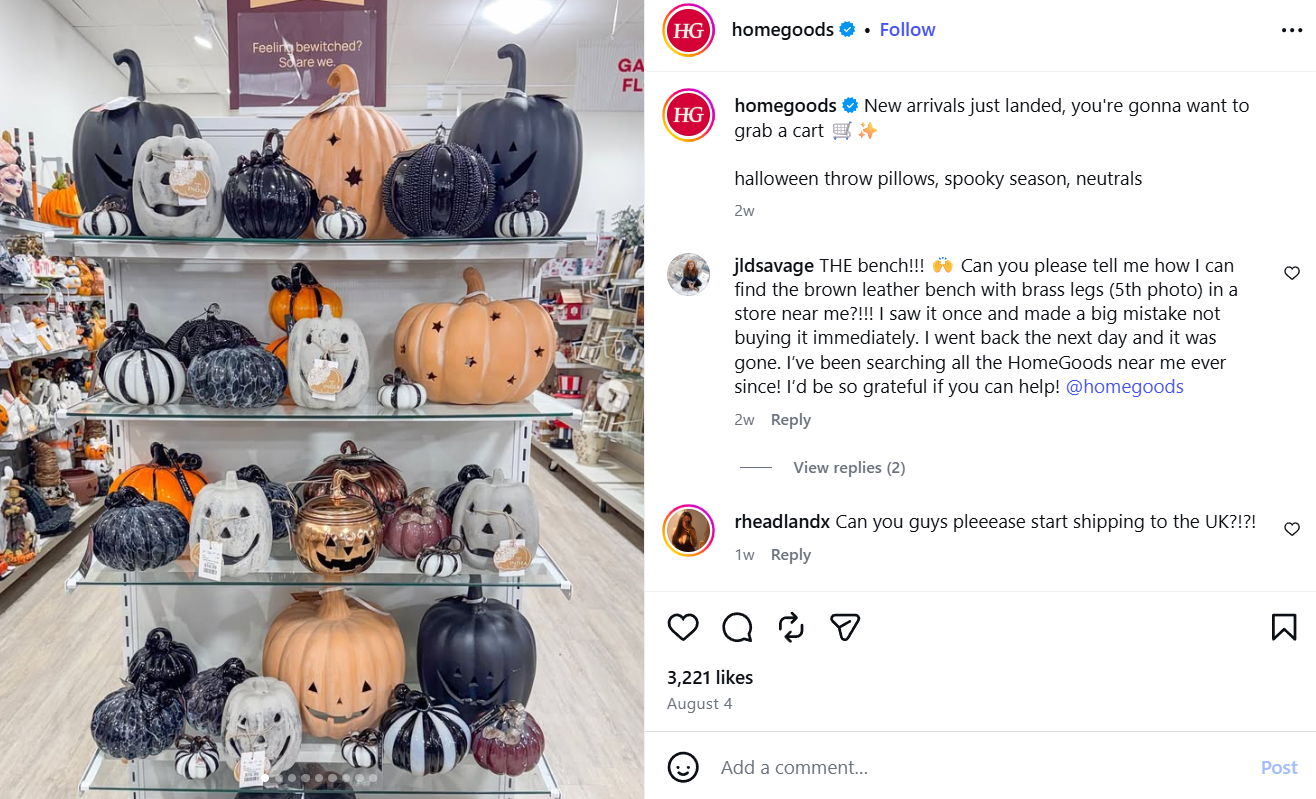
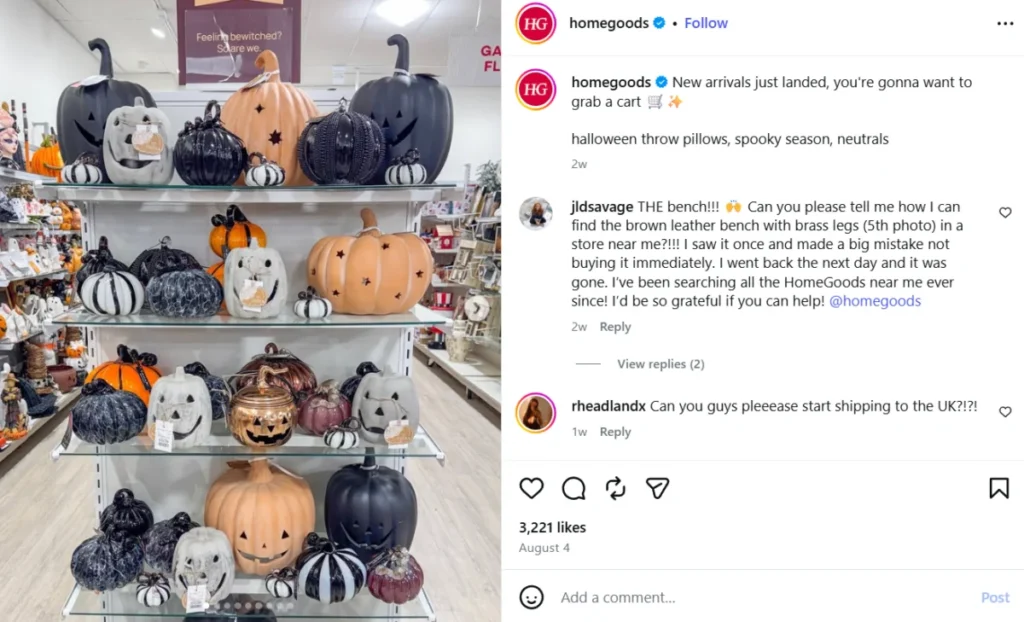
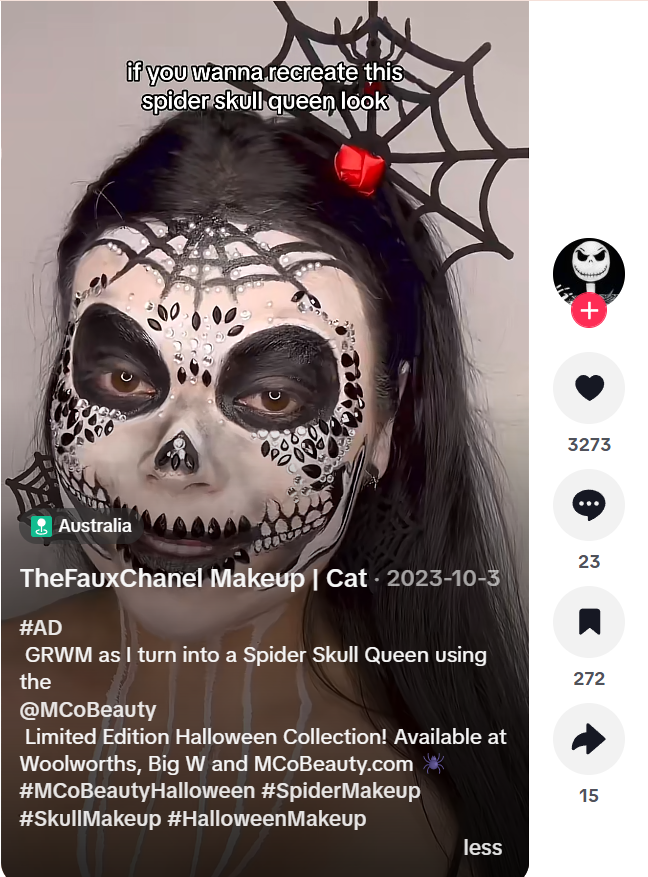
To understand the mechanics of modern content distribution, marketing technologists emphasize that hashtags serve primarily as metadata for algorithmic categorization. According to platform guidelines released by major social networks, algorithms analyze both visual assets and textual captions to determine user intent. When brands integrate a balanced mix of macro-level tags—such as #horror or #HalloweenDecor—with hyper-niche identifiers like #HorrorBooks, #SpiderMakeup, or localized commerce tags, they significantly improve their content’s indexing accuracy. This indexing ensures that posts reach users whose past digital behavior indicates an active interest in specific verticals, whether those verticals involve baking, home improvement, pet accessories, or specialized entertainment.
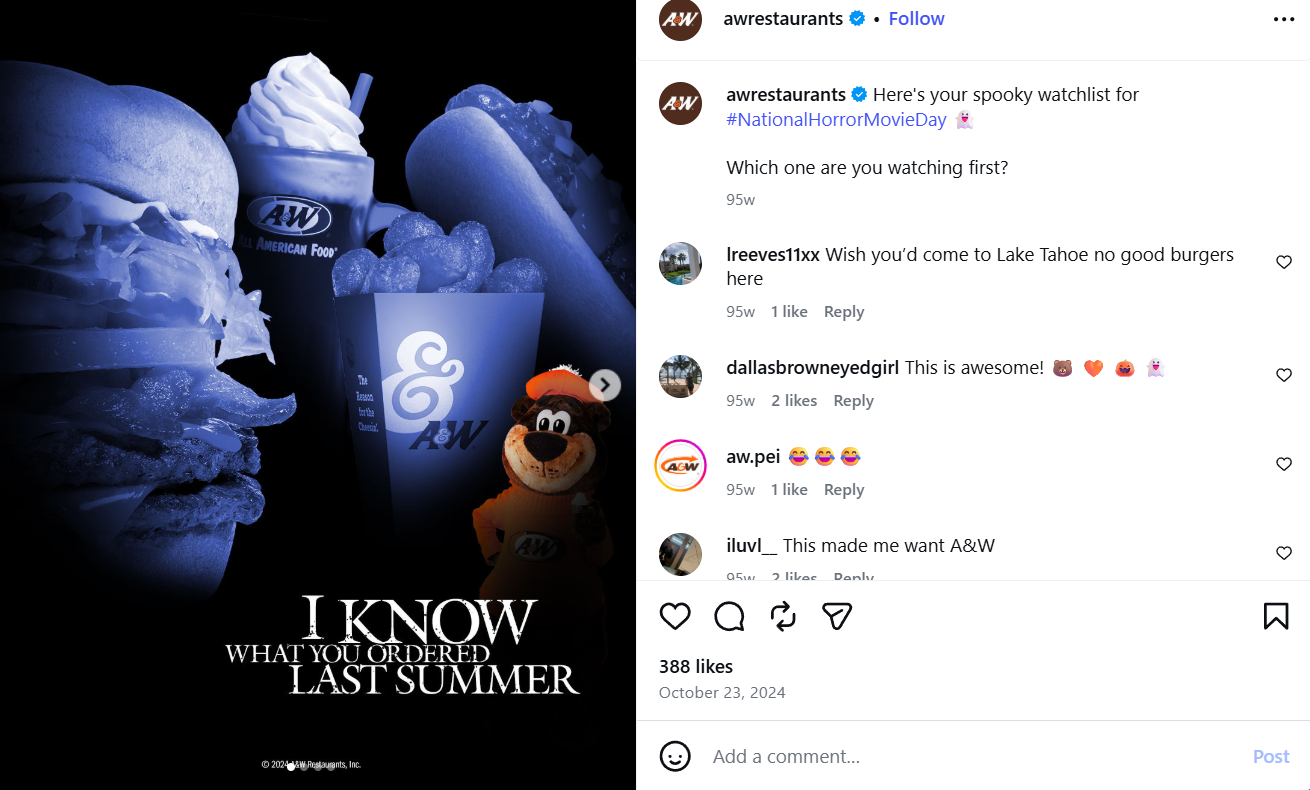
Industry experts and digital marketing executives have increasingly spoken out regarding the necessity of precision in seasonal campaigns. Marketing strategists note that modern consumers demand cultural relevance and authenticity from corporate entities. According to recent index reports tracking digital consumer behavior, approximately 93 percent of consumers believe it is important for brands to actively reflect current online culture, including emerging pop culture phenomena, trending cinematic releases, and seasonal memes. Executives emphasize that failing to integrate these cultural touchpoints risks alienating demographic cohorts who view corporate social media accounts as active participants in digital communities rather than mere broadcast channels. Furthermore, analytics professionals highlight the risks of over-tagging or using irrelevant keywords, which can trigger spam filters and severely degrade organic reach across platforms like Instagram, Facebook, TikTok, and X.
The broader business implications of a well-executed Halloween social media strategy extend far beyond immediate seasonal sales figures. By mastering algorithmic discovery tools and deploying data-driven hashtag selections, businesses can build durable audience segments that transition seamlessly from autumn campaigns into the critical year-end holiday shopping period. Brands that utilize advanced social listening tools—such as automated query tracking and real-time trend analysis—gain a distinct competitive advantage, allowing them to identify emerging vernaculars like #Fallmaxxing or #Autumnmaxxing before they saturate the mainstream market. Ultimately, the economic impact of aligning digital content with precise consumer intent underscores the transition of social media from a branding novelty into a core driver of omnichannel retail success.