
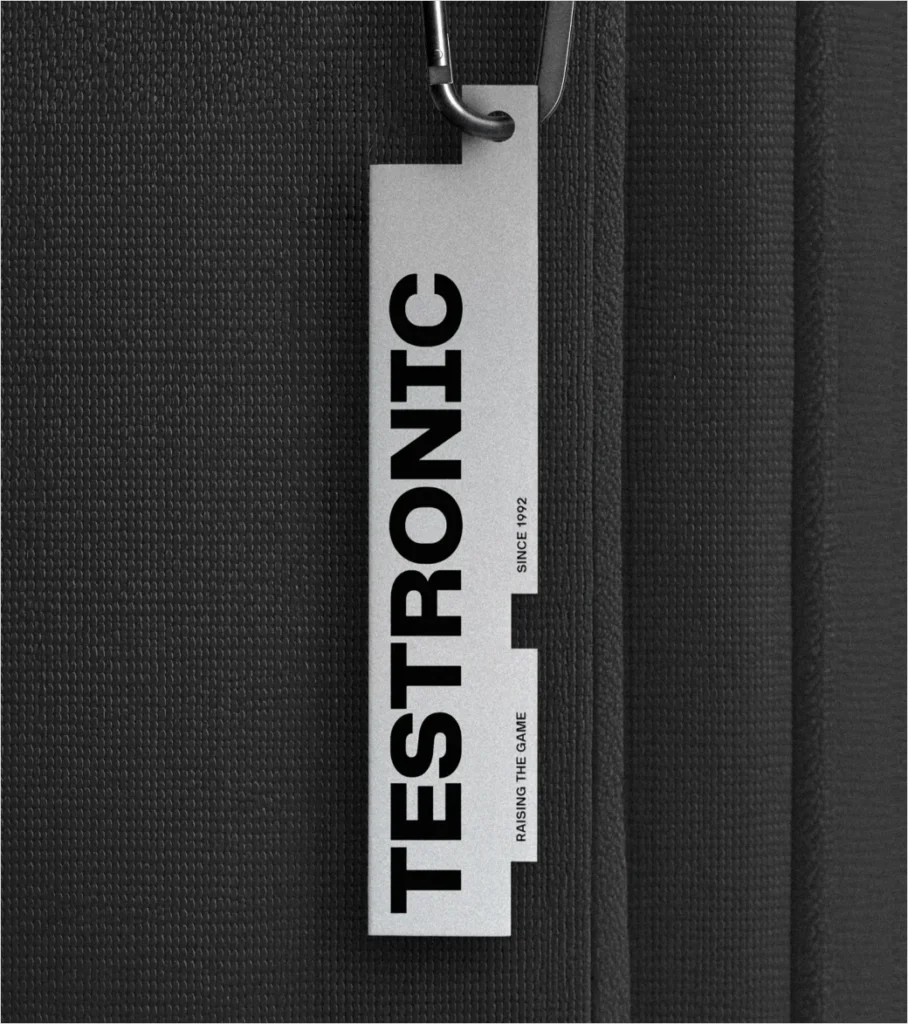

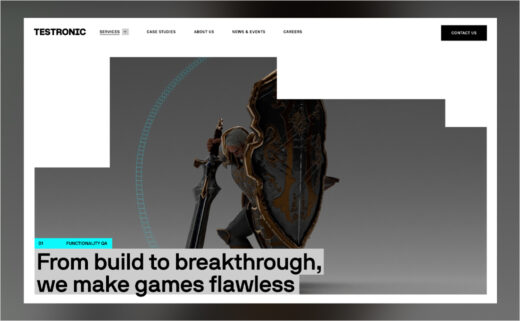
Testronic, a globally recognized leader in quality assurance (QA) and localization services for the interactive entertainment industry, has officially unveiled a comprehensive corporate rebrand. Executed by renowned creative agency Studio Output, the sweeping visual and strategic overhaul redefines how the testing specialist presents itself to the global gaming market. The rebranding initiative extends far beyond a surface-level aesthetic update, encompassing a full redesign of the company’s brand strategy, visual identity, verbal tone of voice, and digital presence anchored by an entirely new corporate website.
For nearly three decades, Testronic has operated behind the scenes as a critical engine driving the success of some of the world’s most prominent video game franchises. By partnering with developers and publishers ranging from independent studios to massive AAA conglomerates, the company has ensured that complex digital worlds launch with optimal performance, minimal bugs, and cultural accuracy across international markets. However, despite its vital role in the development pipeline, the nature of the company’s work has historically remained invisible to the end consumer. Studio Output’s new brand identity directly addresses and leverages this inherent challenge, transforming an invisible process into a powerful brand asset.
The Challenge of Invisibility: Translating Behind-the-Scenes Expertise into Visual Identity
In the fast-paced ecosystem of video game development, quality assurance is often a silent discipline. While players celebrate breathtaking graphics, engaging narratives, and seamless mechanics, the rigorous, iterative testing cycles required to achieve that polish typically go unnoticed. When Studio Output was tasked with repositioning Testronic, the design team recognized that attempting to showcase finished games would misrepresent the company’s actual core value proposition.
Instead of hiding the unseen nature of QA work, Studio Output leaned into it. The agency conceptualized an identity that gets beneath the surface of digital entertainment, peeling back the layers of scrutiny, technical precision, and human expertise required to shepherd a game from its initial build phase to a commercial launch.
"Much of what Testronic does can never be shown, so rather than seeing that as a limitation, we made it part of the identity," the design team at Studio Output explained. "Instead of showing the finished games themselves, the brand gets beneath the surface, revealing the layers of scrutiny, precision and expertise that go into a game from build to launch."

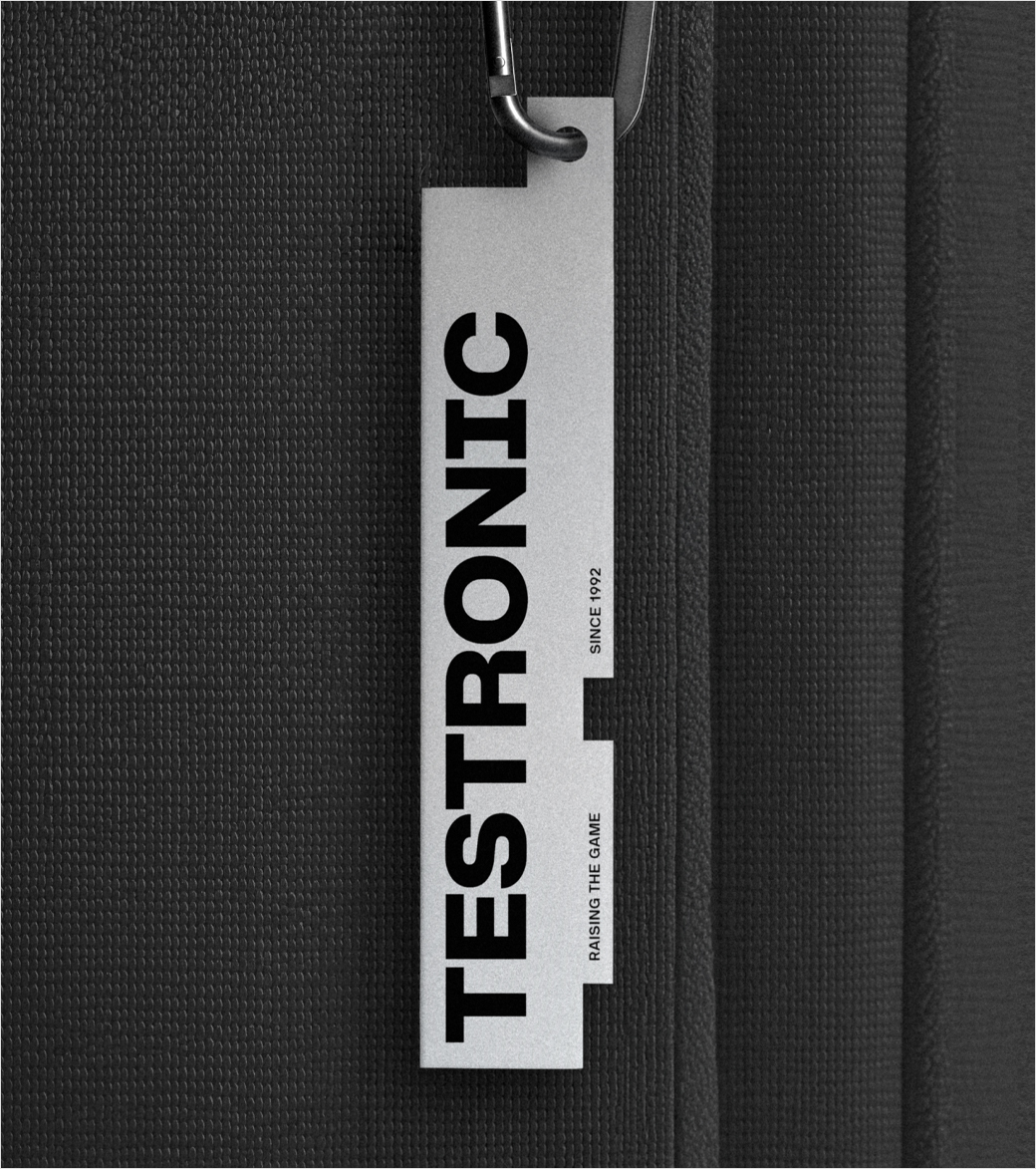
This philosophy materializes as a dynamic, layered visual system. The processes, diagnostic routines, and meticulous craft that typically occur behind closed doors now serve as the foundational building blocks of Testronic’s new visual language. The design utilizes architectural layering to mirror the methodical way Testronic’s technicians analyze code, isolate bugs, and evaluate performance metrics. Even the company’s legacy logo mark was subjected to rigorous stress-testing, refined, and streamlined to ensure high-impact versatility across digital platforms, print media, and physical environments.
Corporate Evolution: A Chronology of Testronic’s Global Growth
To understand the weight of this rebrand, it is necessary to examine Testronic’s trajectory within the broader games industry. Founded in 1998, the company entered the market at a pivotal technological juncture when video games were transitioning from simple two-dimensional cartridges to complex, data-heavy three-dimensional discs. As games grew exponentially in scope, code complexity, and platform fragmentation, the demand for specialized third-party testing skyrocketed.
Over the last twenty-five years, Testronic has systematically expanded its footprint to meet the escalating demands of global publishers. Operating from strategically positioned international hubs—including Warsaw, Poland; London, United Kingdom; New Orleans, United States; and Manila, Philippines—the company has built a multicultural, multilingual network of testing experts. This global distribution enables Testronic to provide localized compliance testing, linguistic evaluation, compatibility assurance, and functionality checks tailored to specific regional markets.
Throughout its operational history, Testronic has quietly navigated major paradigm shifts in the gaming industry. These include the advent of online multiplayer infrastructure, the shift toward digital-first distribution, the rise of live-service games requiring continuous patch cycles, and the rapid proliferation of mobile gaming platforms. By continuously adapting its internal testing methodologies to these technological waves, Testronic cemented its reputation as an official QA and localization partner for industry giants. The 2026 rebrand by Studio Output marks the most significant corporate milestone for the company in recent history, aligning its external presentation with its modern, highly sophisticated technological capabilities.

Strategic Scope of the Rebrand: Strategy, Visuals, and Digital Experience
Studio Output’s mandate was multifaceted, requiring deep collaboration with Testronic’s internal stakeholders to ensure the new identity resonated with corporate clients, game developers, and prospective talent alike. The comprehensive engagement encompassed four critical pillars:
- Brand Strategy: Repositioning Testronic not merely as a vendor of transactional testing services, but as an indispensable strategic partner in the game development lifecycle. The messaging emphasizes trust, deep technical competence, and an unwavering commitment to player experience.
- Visual Identity: Developing a sophisticated, modular design system anchored by the concept of "layers." The visual language utilizes typography, structured grid systems, and a refined color palette to communicate precision, analytical rigor, and technical depth.
- Verbal Communication: Establishing a clear, authoritative, yet approachable tone of voice. The copywriting framework moves away from dense technical jargon while retaining the precise terminology necessary to communicate effectively with veteran game producers and studio directors.
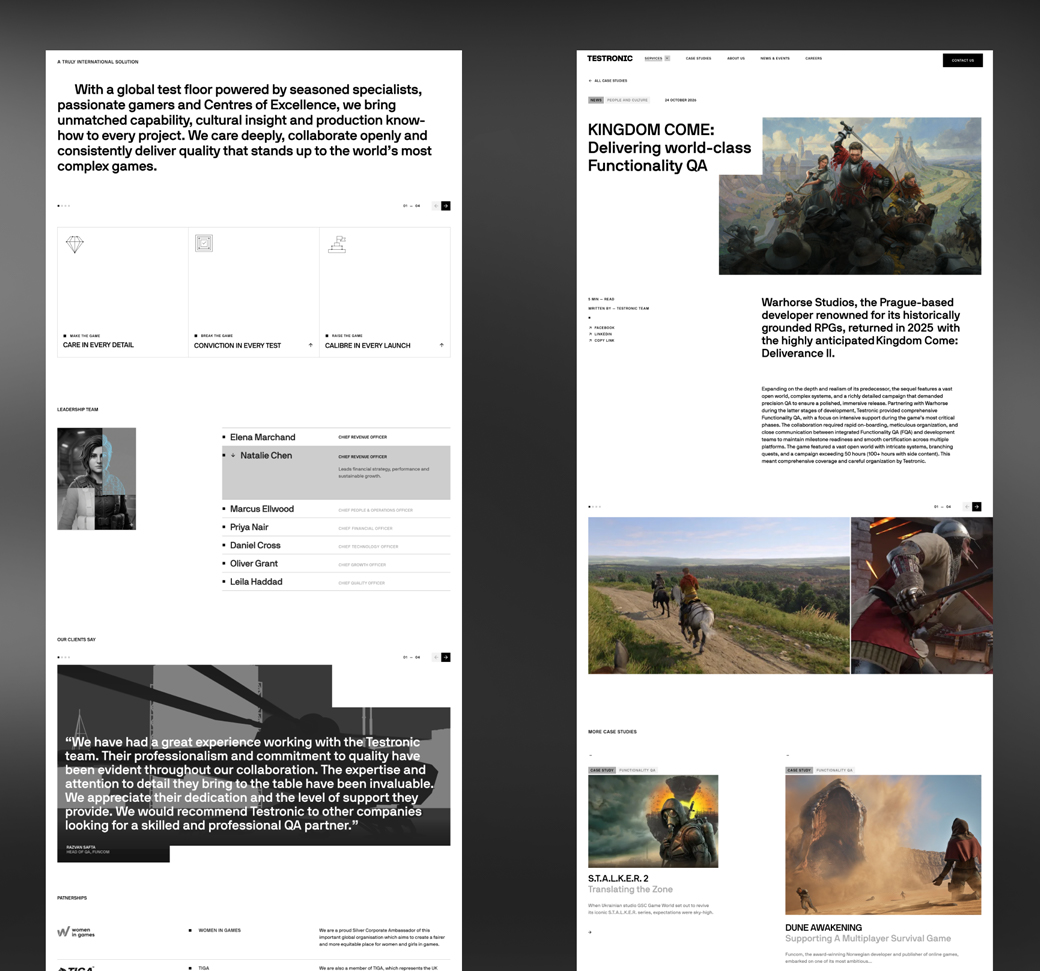
- Digital Transformation: Designing and developing a completely new corporate website. The digital platform serves as the central hub for Testronic’s client acquisition, case studies, and corporate communications, optimized for seamless user experience across desktop and mobile devices.
By unifying these elements under a cohesive design ethos, Studio Output has provided Testronic with a modern toolkit that reflects the company’s status as an industry leader.
Industry Implications: The Growing Importance of QA in Modern Game Development
The timing of Testronic’s rebrand underscores broader macroeconomic and operational shifts within the global video game industry. In recent years, the cost of developing AAA video games has soared, with many major titles boasting budgets exceeding hundreds of millions of dollars and development cycles lasting anywhere from five to eight years. Simultaneously, consumer tolerance for technical instability at launch has plummeted. A poorly optimized game plagued by critical bugs, server instability, or localization errors can suffer immediate reputational damage, precipitating precipitous drops in sales and long-term player retention.
In this high-stakes environment, the role of specialized QA partners like Testronic has transitioned from an optional operational expense to a mission-critical safeguard. Publishers can no longer rely solely on internal testing teams to catch the exponential number of variables inherent in modern, cross-platform, live-service releases. External testing specialists provide an objective, highly specialized layer of defense, stress-testing games across hundreds of hardware configurations, operating systems, and network conditions.
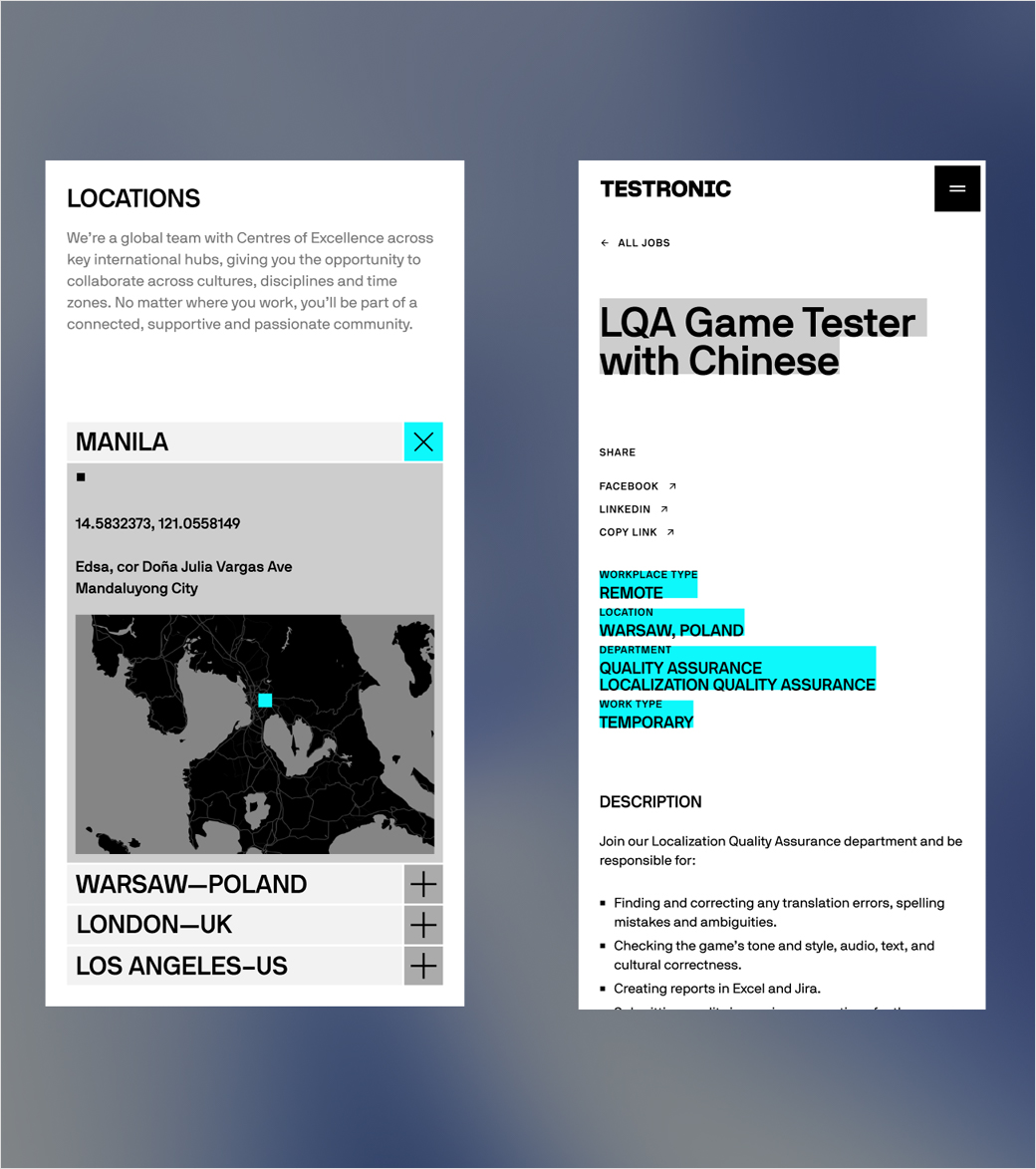
Furthermore, the globalization of gaming markets demands rigorous localization testing that goes far beyond literal translation. Cultural nuance, regional compliance standards, and localized user interfaces require native-speaking experts stationed in strategic regional hubs—a capability that Testronic’s offices in Warsaw, London, New Orleans, and Manila are uniquely positioned to deliver.
By modernizing its brand identity, Testronic is strategically positioning itself to capture an increasing share of this expanding market. The clean, professional, and forward-looking aesthetic established by Studio Output signals to major game publishers that Testronic possesses the technological sophistication, organizational maturity, and creative alignment required to support the next generation of interactive entertainment.
Conclusion
The collaboration between Testronic and Studio Output represents a masterclass in B2B brand transformation. By embracing the unseen nature of video game quality assurance and translating it into a compelling, layered visual language, Studio Output has given Testronic a distinct competitive advantage. As the video game industry continues to push the boundaries of technology, narrative complexity, and platform integration, Testronic stands fully re-equipped, projecting an image of precision, reliability, and expertise that matches the vital work it performs behind the scenes.