
The familiar refrain of digital marketing—click the link in your bio—has evolved far beyond a casual social media meme into a critical revenue driver for modern businesses. In an era where digital storefronts and social platforms increasingly overlap, optimizing the singular real estate available on an Instagram profile can mean the difference between passive engagement and quantifiable commercial success. As consumer habits shift increasingly toward in-app discovery, brands across diverse sectors are rethinking how they bridge the gap between social media reach and bottom-line revenue.
Background and Platform Evolution
For years, Instagram maintained a strict single-link policy in user profiles, forcing brands and digital creators to constantly rotate their primary URL depending on the campaign of the day. Whether prioritizing a freshly published blog post, a seasonal product collection, or an event registration page, marketers faced the challenge of deciding which piece of content deserved the coveted top spot.

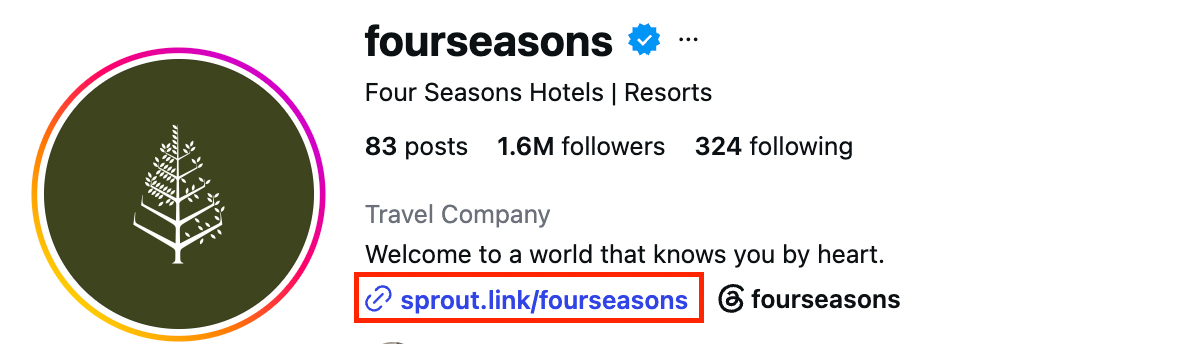
That landscape shifted significantly when the platform expanded its parameters, allowing accounts to feature up to five distinct clickable URLs within their profile section. However, this update introduced a secondary hurdle for marketers battling shrinking consumer attention spans. While five links are now permitted, only the primary URL is displayed prominently. Users must actively tap to expand the section to view the remaining links. In the fast-paced environment of mobile browsing, that additional user interaction can introduce friction, potentially diminishing conversion rates.
To bypass these native limitations and streamline the user journey, third-party link-in-bio solutions have risen in prominence. These tools generate a dedicated, branded landing page that mirrors an organization’s social grid, enabling users to click an image they discovered in a feed and be routed directly to the corresponding product or booking page.
Current Industry Landscape and Scale
The urgency to optimize social traffic channels is underscored by the sheer scale of Instagram’s user base. Recent industry analytics indicate that the platform commands approximately three billion monthly active users globally, solidifying its position as a dominant force in digital communication and e-commerce. Furthermore, comprehensive market research reports emphasize that nearly two-thirds of social media users maintain an active Instagram profile, making it the second most widely used network worldwide.
Domestically, the platform maintains substantial cultural and economic penetration, particularly among younger demographics. Demographic studies reveal that approximately half of all U.S. adults use the application, with adoption surging to roughly 80% among young adults aged 18 to 29. Crucially for brands, approximately 60% of consumers interact with commercial content on the platform on a multi-weekly basis.
Despite these high interaction rates, traditional social media architectures historically trapped user engagement within the application itself, preventing brands from seamlessly transitioning interested viewers into website visitors and paying customers. Centralizing external URLs through optimized bio strategies effectively dismantles these digital barriers, converting passive impressions into tangible business outcomes.
Comparative Analysis: Native Links Versus Dedicated Tools
When establishing a social media linking strategy, digital marketing professionals generally evaluate two primary pathways: native platform features and specialized link-in-bio software.
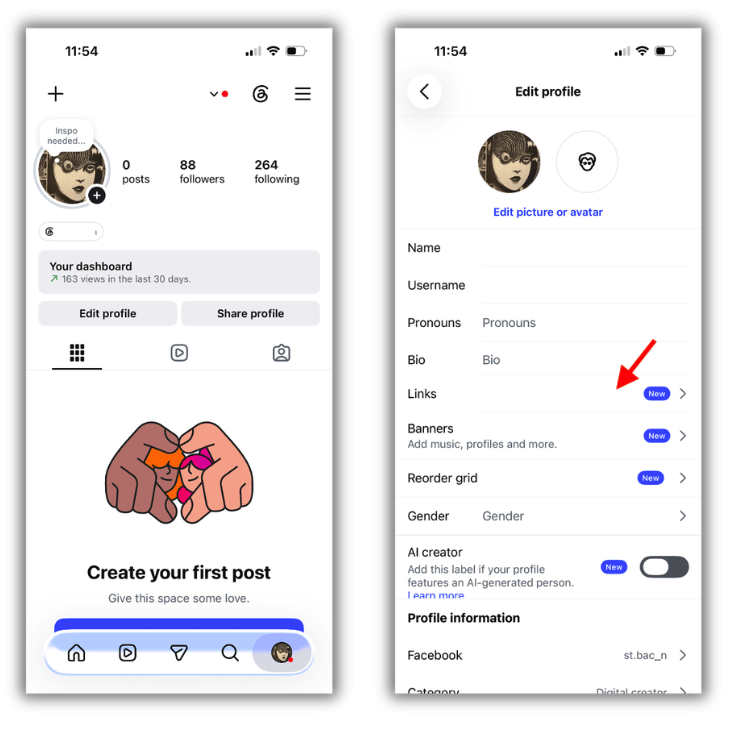
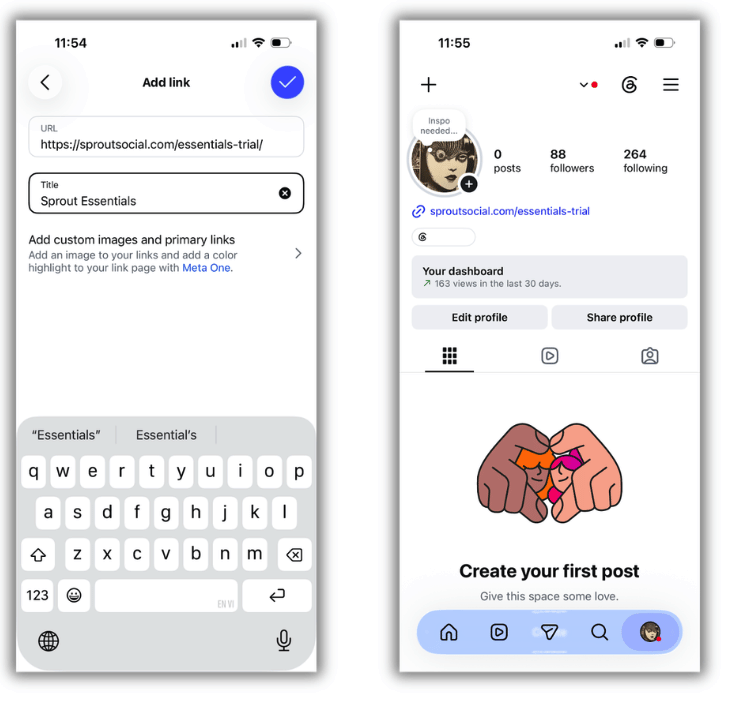
Native Instagram bio links are typically sufficient for straightforward, low-complexity campaigns. Organizations running limited promotional schedules or simple marketing funnels can easily manage up to five URLs without requiring advanced infrastructure. This approach requires minimal setup and integrates directly into the standard profile editing interface.
Conversely, enterprises, mid-market brands, and active creators often rely on specialized link-in-bio software to support complex, high-frequency marketing operations. These tools remove the administrative burden of manually updating profile URLs with every new campaign launch. More importantly, they provide robust analytical dashboards that track metrics such as page views, click-through rates, and post-level attribution. This data granularity allows marketing teams to isolate specific content formats, calls-to-action, or promotional offers that generate high-value traffic.
Data-Driven Impact Across Sectors
Empirical analyses of platform usage demonstrate a distinct correlation between optimized link-in-bio utilization and enhanced digital performance. Historical platform data evaluating tens of thousands of public profiles indicates that organizations leveraging structured link solutions experience measurable advantages in daily engagement metrics compared to non-users.
Small businesses frequently realize the most pronounced operational benefits from these integrations. Industry analyses show that small business profiles utilizing advanced linking tools achieve significantly higher average daily engagements than enterprise counterparts. For smaller organizations operating with limited audience reach, maximizing the efficiency of every available digital touchpoint is vital for competitive positioning.
Consumer product brands and retail enterprises also report substantial gains in daily unique impressions and follower acquisition rates. For these sectors, a link-in-bio landing page functions essentially as a dynamic, shoppable catalog. Consumers can transition smoothly from viewing a lifestyle image in their feed to browsing a checkout page in minimal steps.
Similarly, financial services and the leisure and hospitality sectors leverage these tools to manage diverse arrays of simultaneous offerings. For instance, hospitality enterprises utilizing interactive grid pages allow prospective guests to transition directly from visual inspiration—such as a specific resort property—to an active reservation engine, bypassing multiple navigational layers on the brand’s primary domain.
Integration and Analytics Methodologies

Modern digital marketing strategies demand rigorous performance tracking to validate return on investment. Professionals rely on two primary methods to measure the efficacy of their social linking campaigns:
-
Built-In Tool Analytics: Advanced software solutions provide comprehensive reporting interfaces that track user behavior down to the individual post level. Marketers analyze these metrics to identify patterns in audience behavior, evaluating which visual styles or messaging frameworks successfully drive outbound traffic.
-
UTM Parameter Implementation: To achieve deep attribution tracking, marketers append custom UTM codes to destination URLs. This practice allows analytics platforms to trace incoming web traffic back to specific posts, individual Stories, or direct message campaigns, ensuring precise measurement of digital marketing expenditures.
Strategic Best Practices for Implementation

To maximize the commercial utility of an Instagram profile, digital strategists recommend several foundational practices:
- Maintain visual consistency between the brand’s social grid and the destination landing page to reduce user friction.
- Regularly audit and reorder active URLs to prioritize timely product launches, active promotions, or high-priority editorial content.
- Utilize clear, action-oriented call-to-action language within captions to guide user intent toward the profile link.
- Leverage integrated publishing workflows that automatically synchronize scheduled posts with corresponding destination links.
Broader Economic Implications
As social commerce continues its rapid expansion—with domestic market revenues surpassing significant multi-billion-dollar milestones—the boundary between content discovery and transactional retail continues to blur. Consumers increasingly expect a frictionless pathway from digital inspiration to purchase completion. By bridging the gap between social media engagement and web-based conversion, optimized link-in-bio strategies serve as an indispensable bridge for modern enterprises navigating the digital marketplace.