
In the rapidly evolving landscape of digital search, your brand could be holding the coveted number one spot on Google while remaining entirely invisible to the artificial intelligence tools your customers use every day. As large language models (LLMs) like ChatGPT, Claude, and Google Gemini transform from experimental novelties into primary research engines, the traditional metrics of search engine optimization (SEO) are increasingly failing to reflect where the modern buyer actually discovers products and services.
This disconnect poses a significant business risk. If your brand is absent from the conversational exchanges between users and AI, or worse, if the information provided by these models is outdated or inaccurate, you are effectively ceding your market share to competitors. Because LLMs do not present a static list of blue links, but rather generate unique, synthesized responses based on vast datasets, traditional rank tracking is no longer sufficient. To maintain a competitive edge, businesses must pivot toward "prompt tracking"—a systematic approach to monitoring how and when a brand appears in AI-generated answers.
The Shift in Consumer Behavior
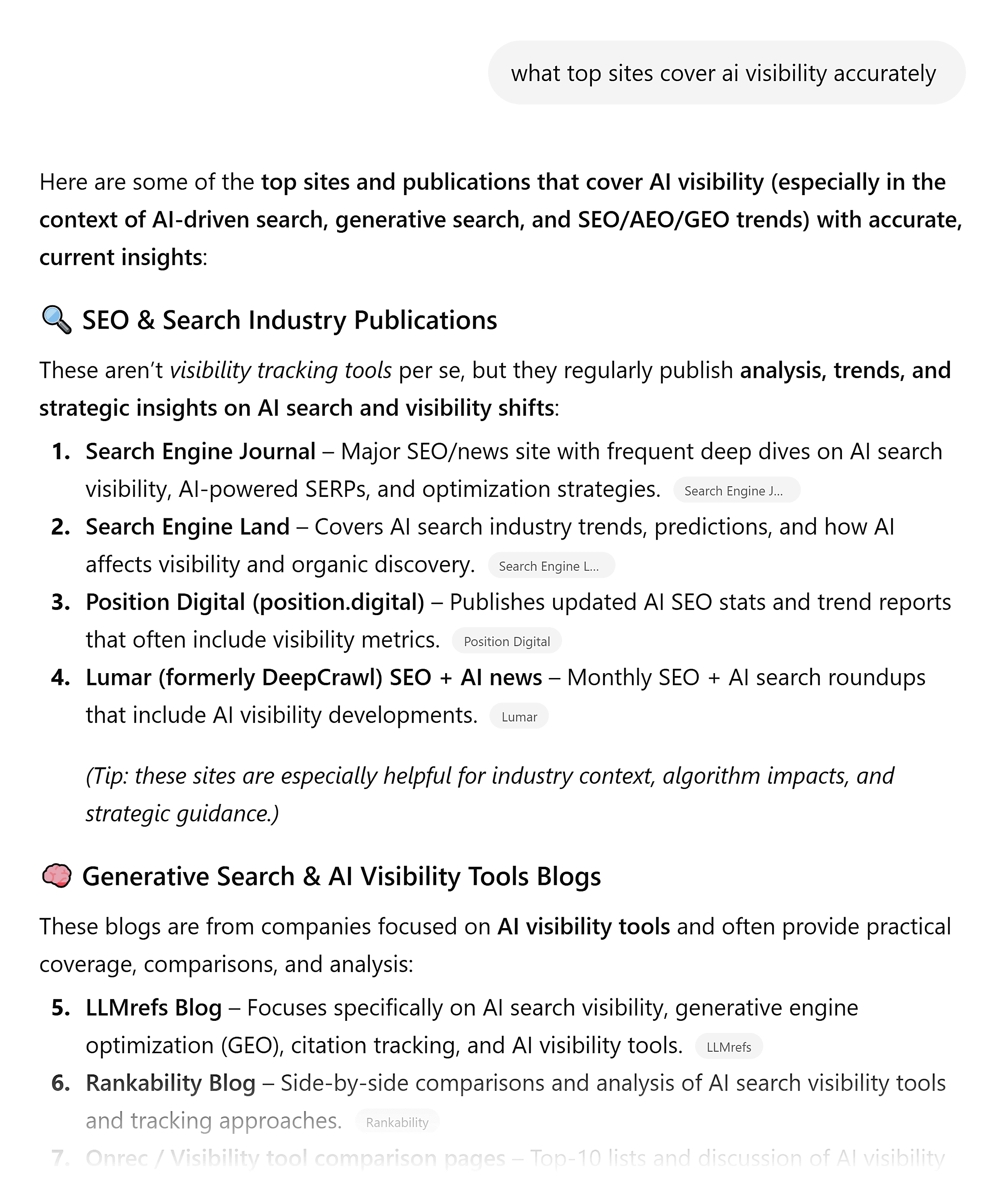
The necessity for prompt tracking is underscored by recent data. According to the 2026 AI-Search Adoption Survey from Orbit Media, 55% of internet users in the United States now rely on AI as their primary or frequent research tool, with 32% explicitly using these platforms to generate product recommendations. This represents a fundamental shift in the buyer’s journey; a significant portion of your target demographic is making purchase decisions without ever visiting your corporate website.
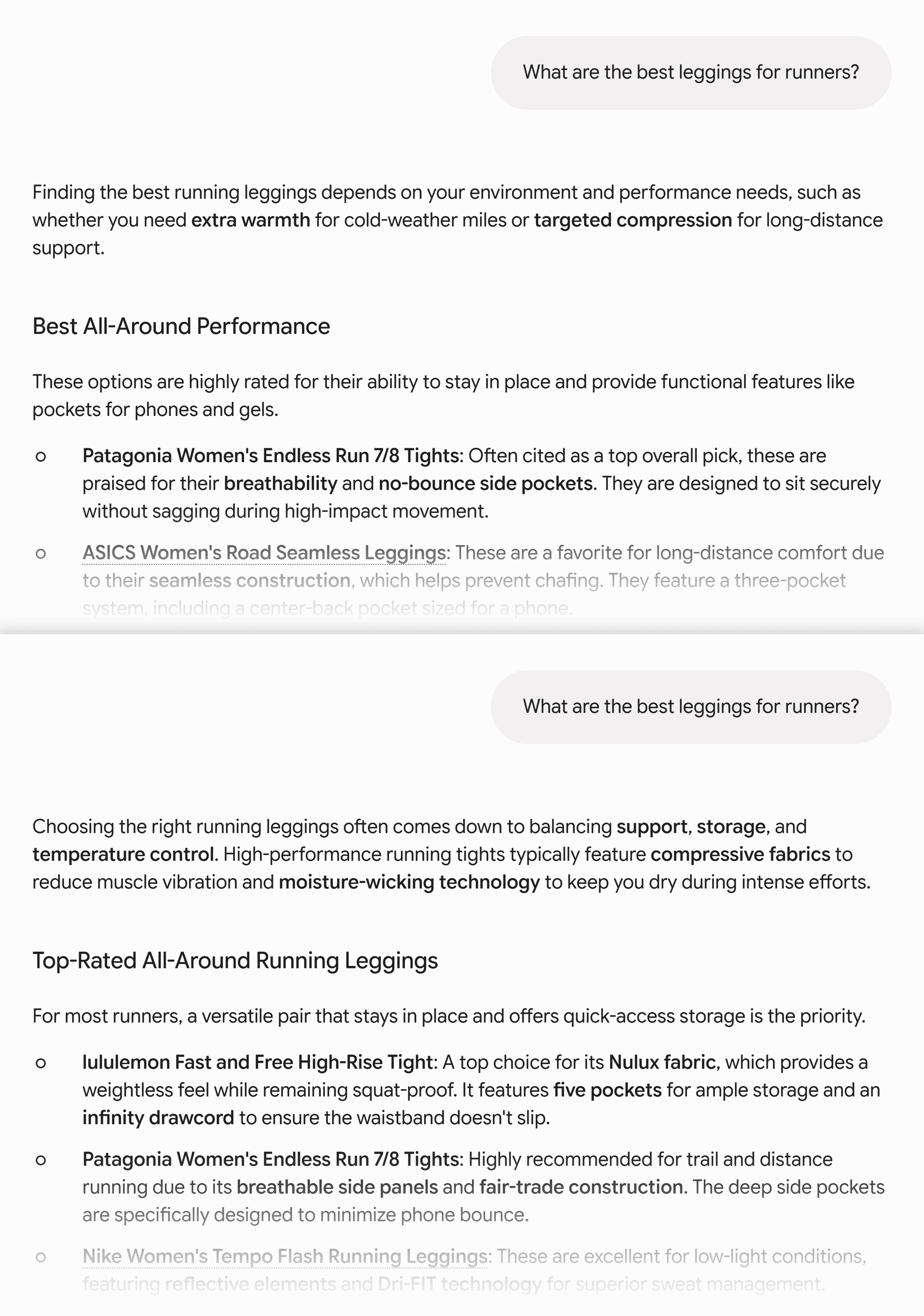
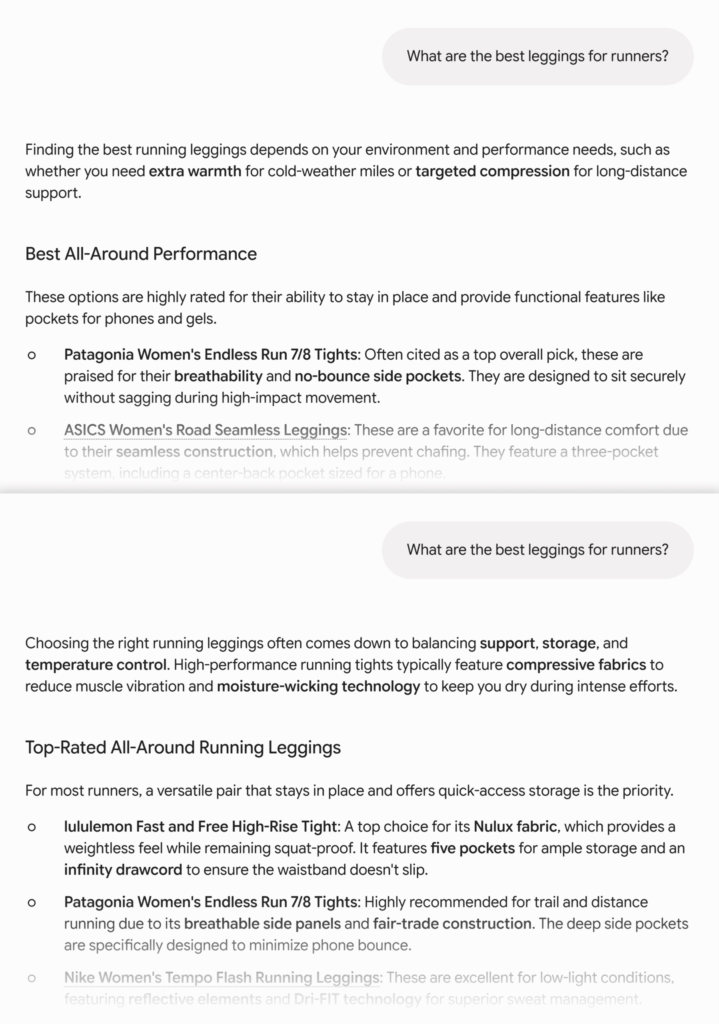
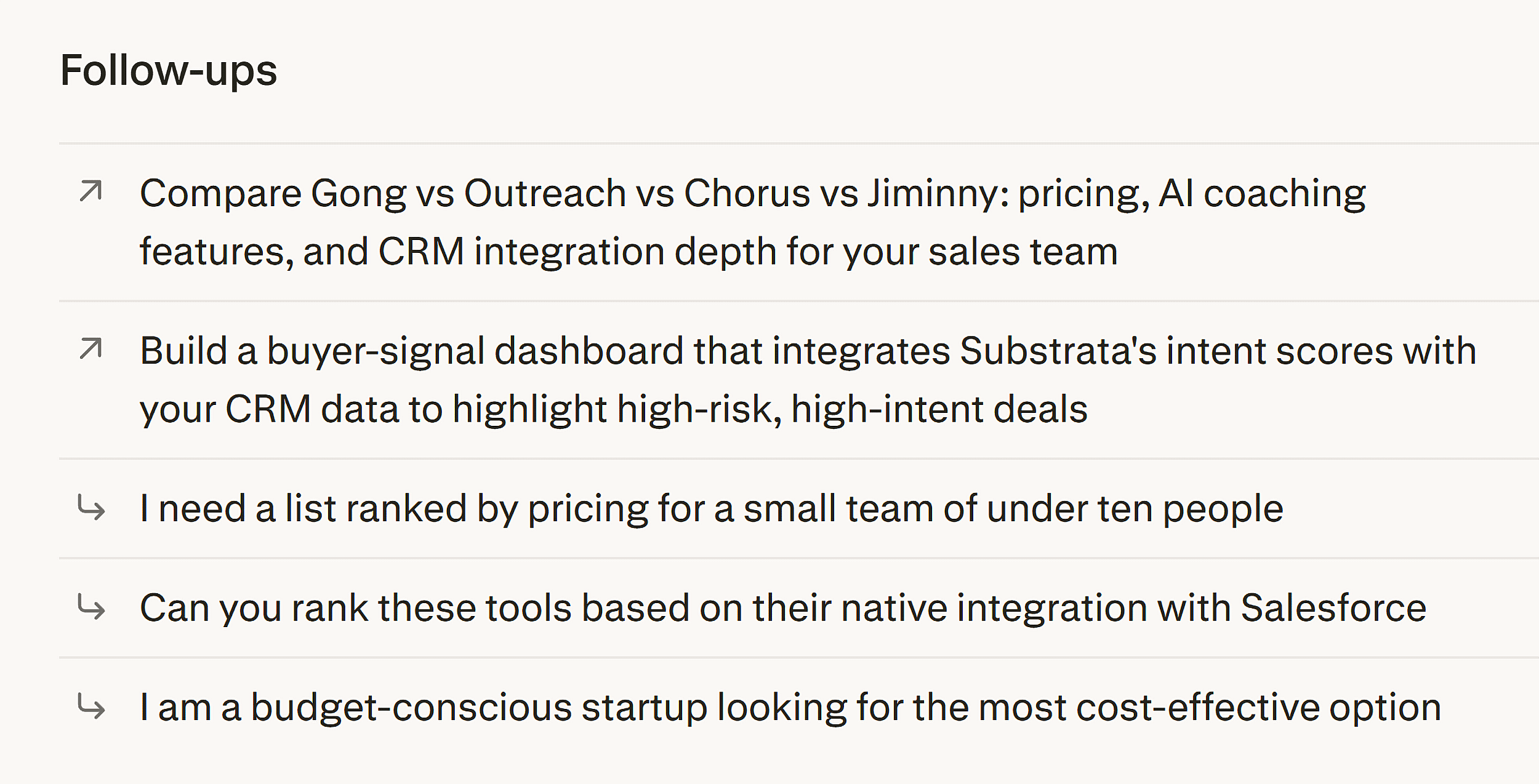
Unlike search engine results pages (SERPs), which provide a consistent, predictable ranking for specific keywords, LLMs are non-deterministic. A user can input the same prompt twice and receive two distinct answers, influenced by their prior interaction history and the model’s contextual understanding. Consequently, the goal of modern visibility is no longer just to be "first." It is to ensure that your brand is consistently mentioned in a positive, accurate, and relevant light across a high volume of varied prompts.
What is Prompt Tracking?
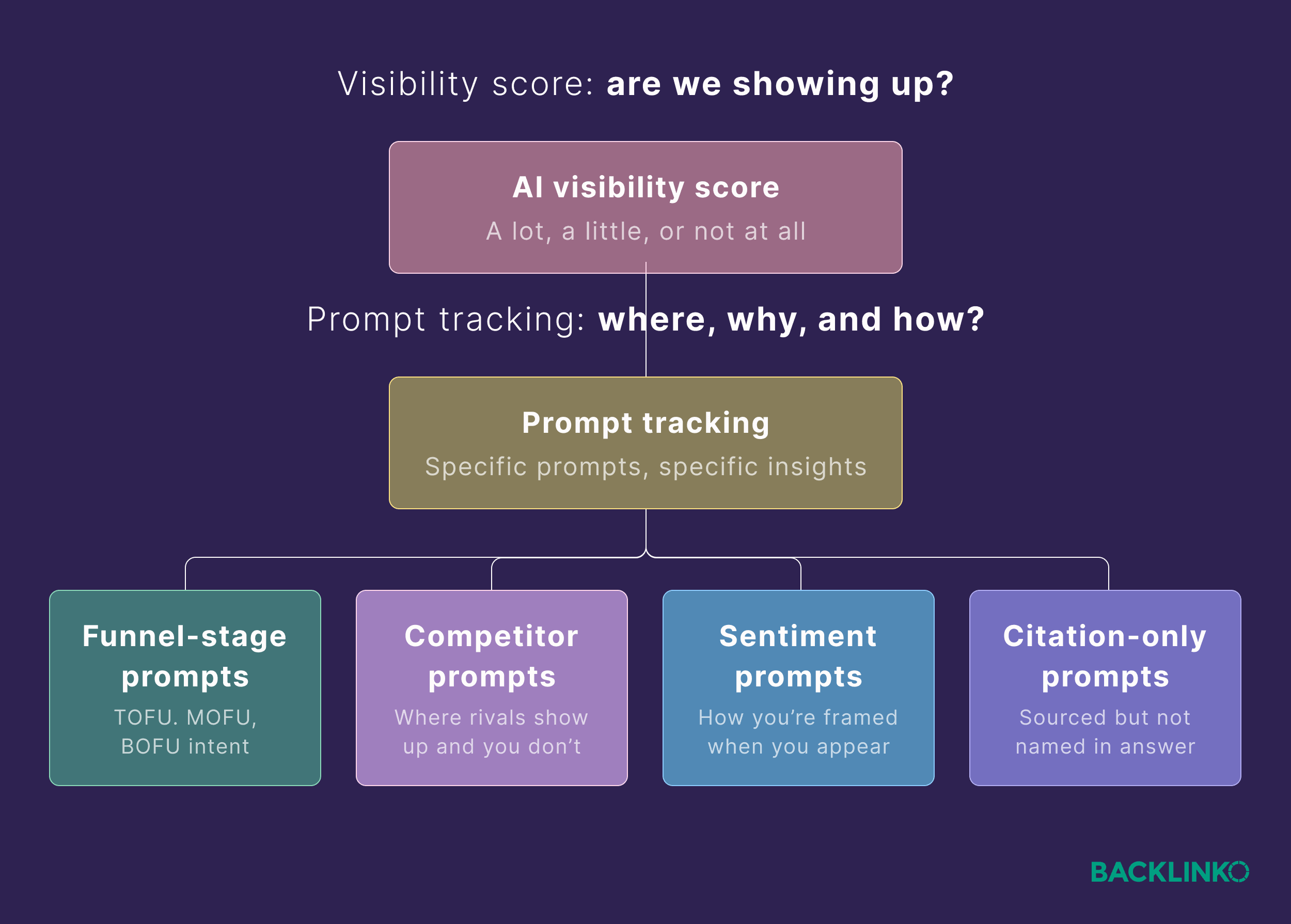
Prompt tracking, or LLM visibility tracking, is the practice of monitoring a brand’s presence in AI-generated content over an extended period. While SEO rank tracking asks, "How close are we to position one for this keyword?", prompt tracking asks, "Are we being recommended when a potential customer asks about our category, and is the information provided correct?"
Without a structured system to monitor these interactions, marketing teams are effectively flying blind. By implementing a tracking framework, brands can identify "visibility gaps"—specific, high-intent queries where they should be showing up but currently are not. This intelligence allows teams to refine their content strategy, update third-party citations, and prioritize the topics that drive actual revenue.
The Strategic Implementation: Building Your Prompt Set
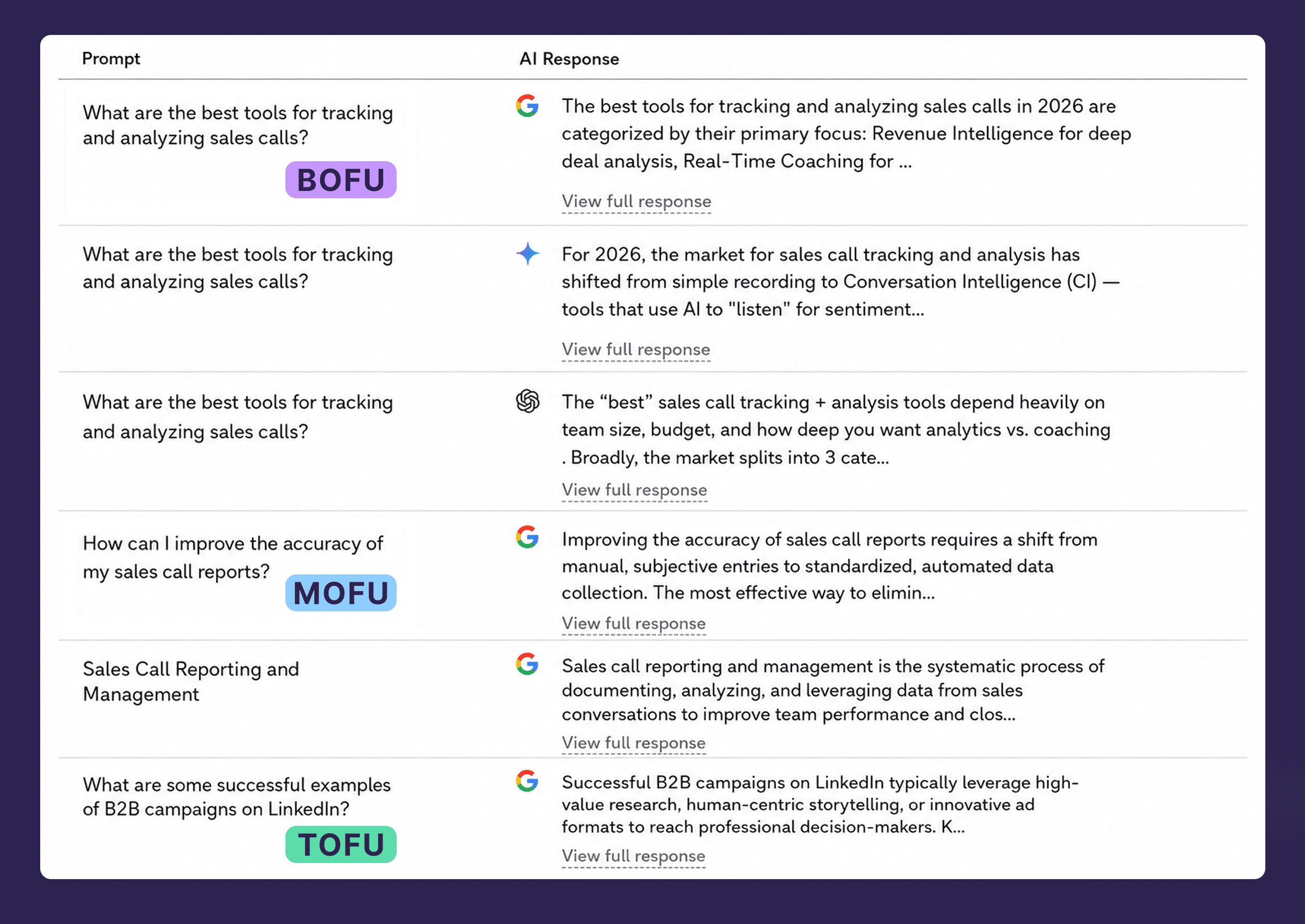
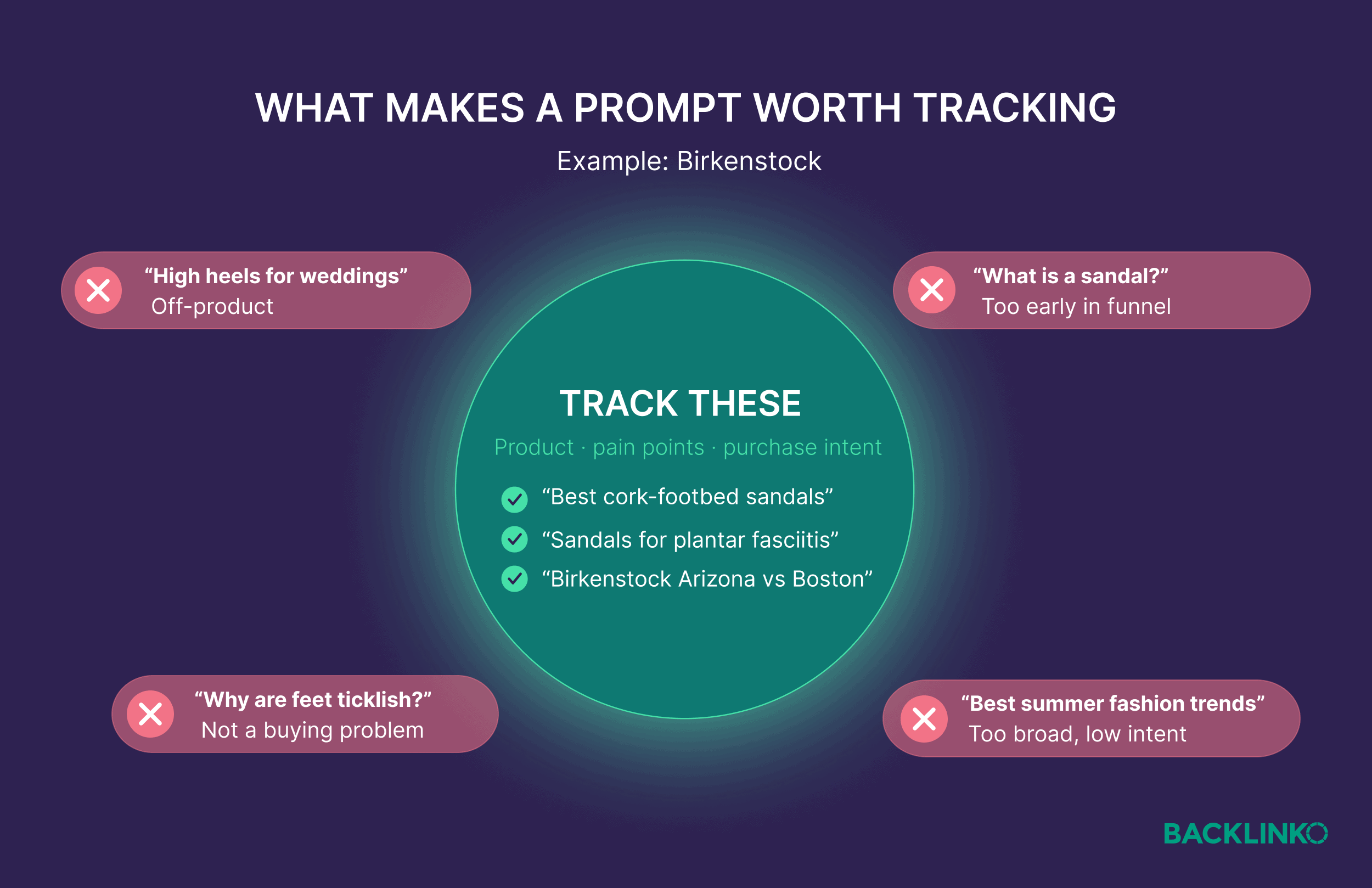
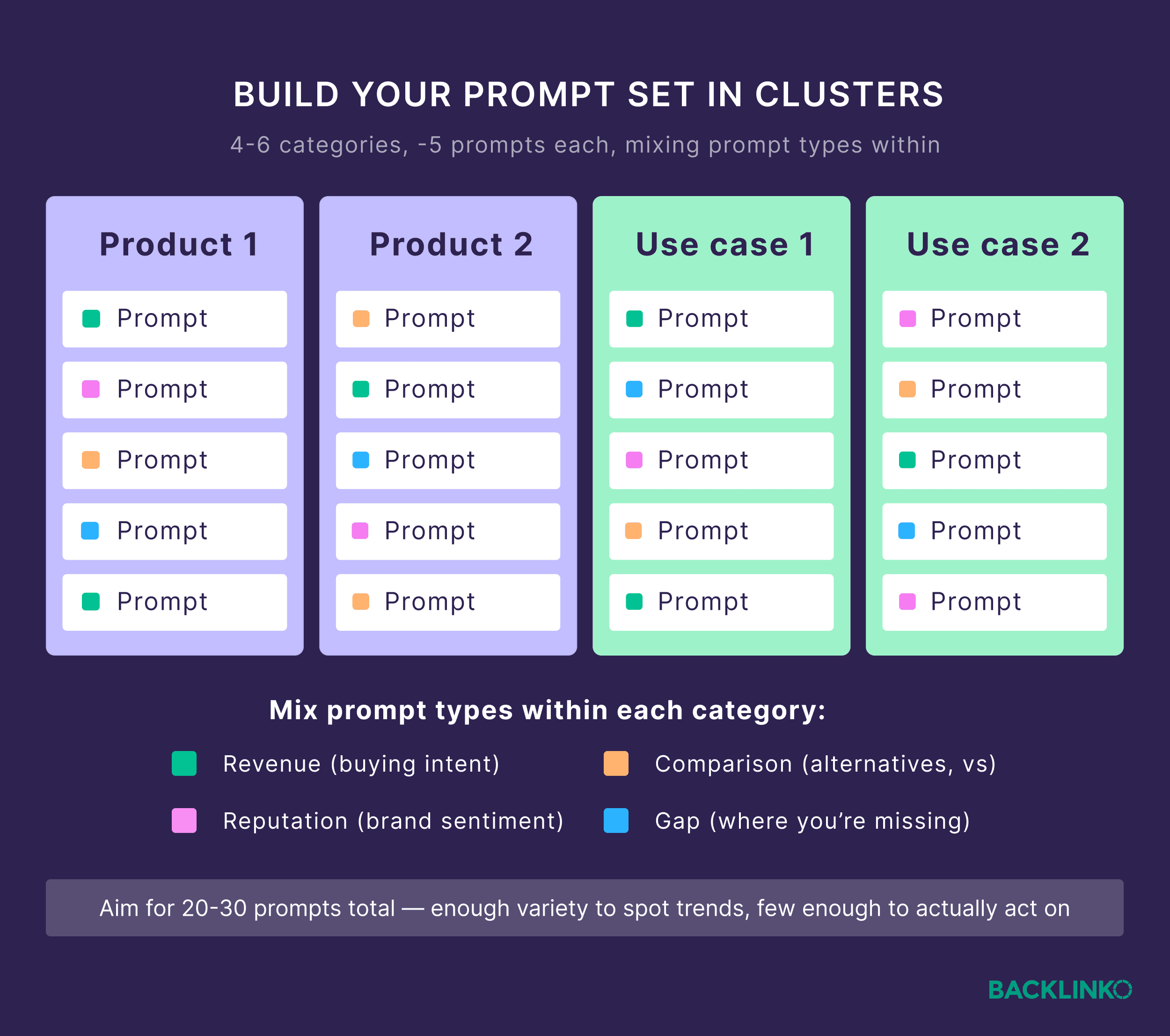
Success in prompt tracking requires a focused approach rather than a broad, scattershot attempt to track every conceivable query. Organizations should prioritize prompts that align directly with product offerings, audience pain points, and critical moments in the sales funnel.
Experts recommend focusing on four distinct types of prompts to gain the most actionable insights:
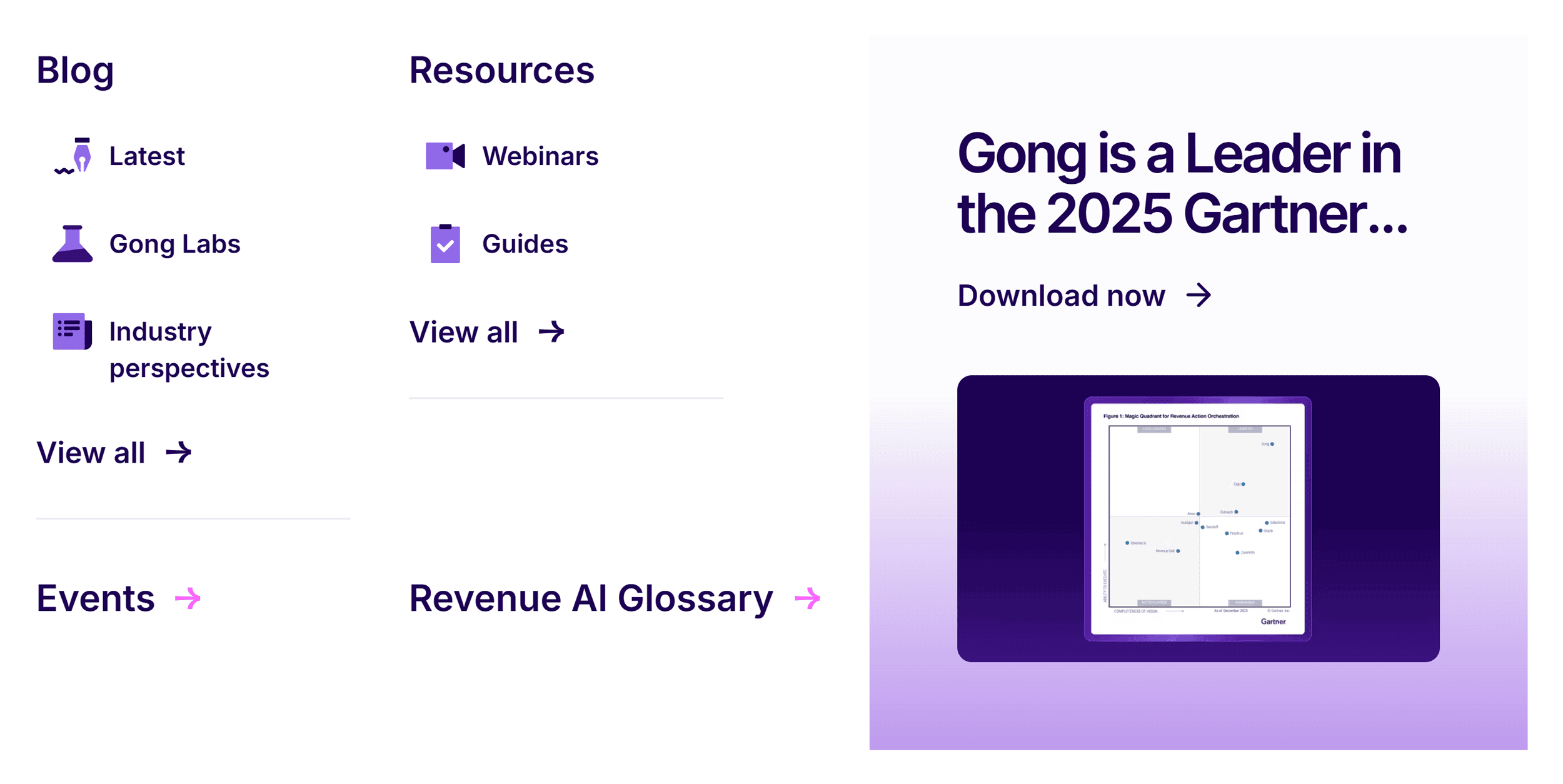
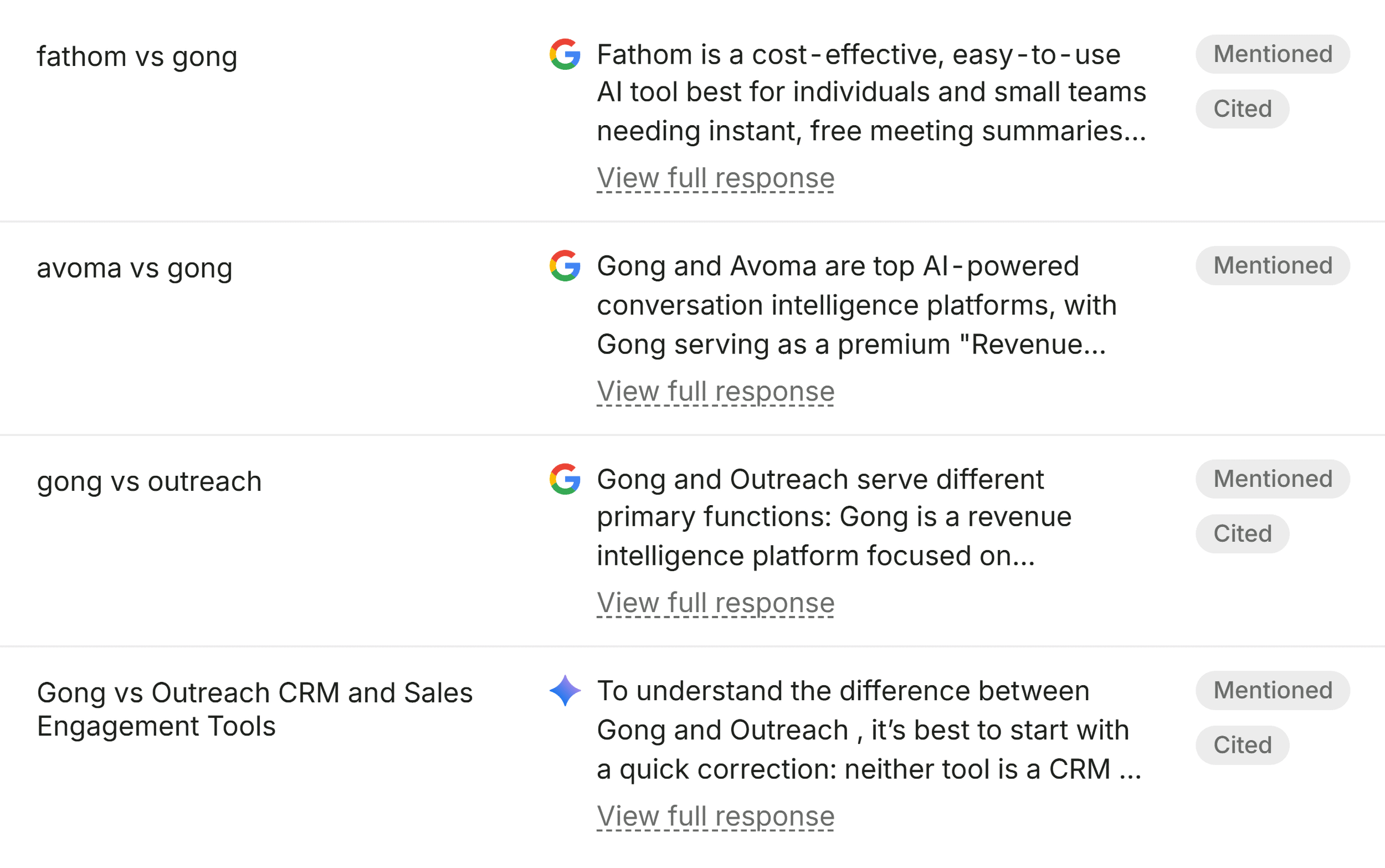
- Comparison Prompts: "How does [Brand] compare to [Competitor]?"
- Evaluation Prompts: "What is the best [Category] for [Specific Constraint]?"
- Reputation/Sentiment Prompts: "Is [Brand] reliable for [Use Case]?"
- Gap/Discovery Prompts: "What are the top [Category] tools for [Specific Industry]?"
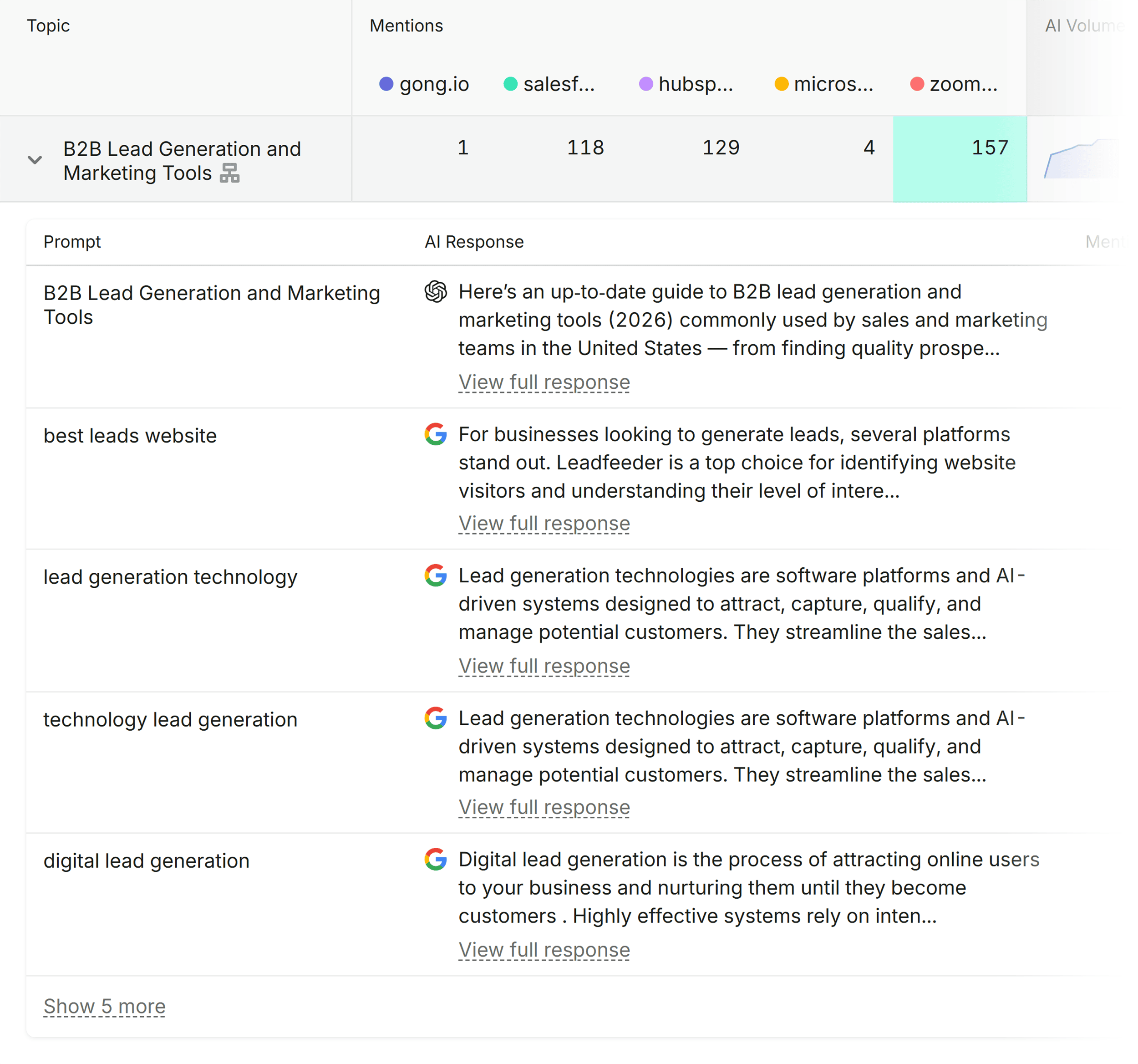
For B2B organizations, this might involve categorizing prompts by product line or use case. For example, a project management software company might track "Best project management software for marketing teams" separately from "Asana vs. Monday.com for workflow automation." This granular approach allows teams to identify which segments of their business are performing well and which are failing to gain traction in AI responses.
The Role of Data and Professional Tools
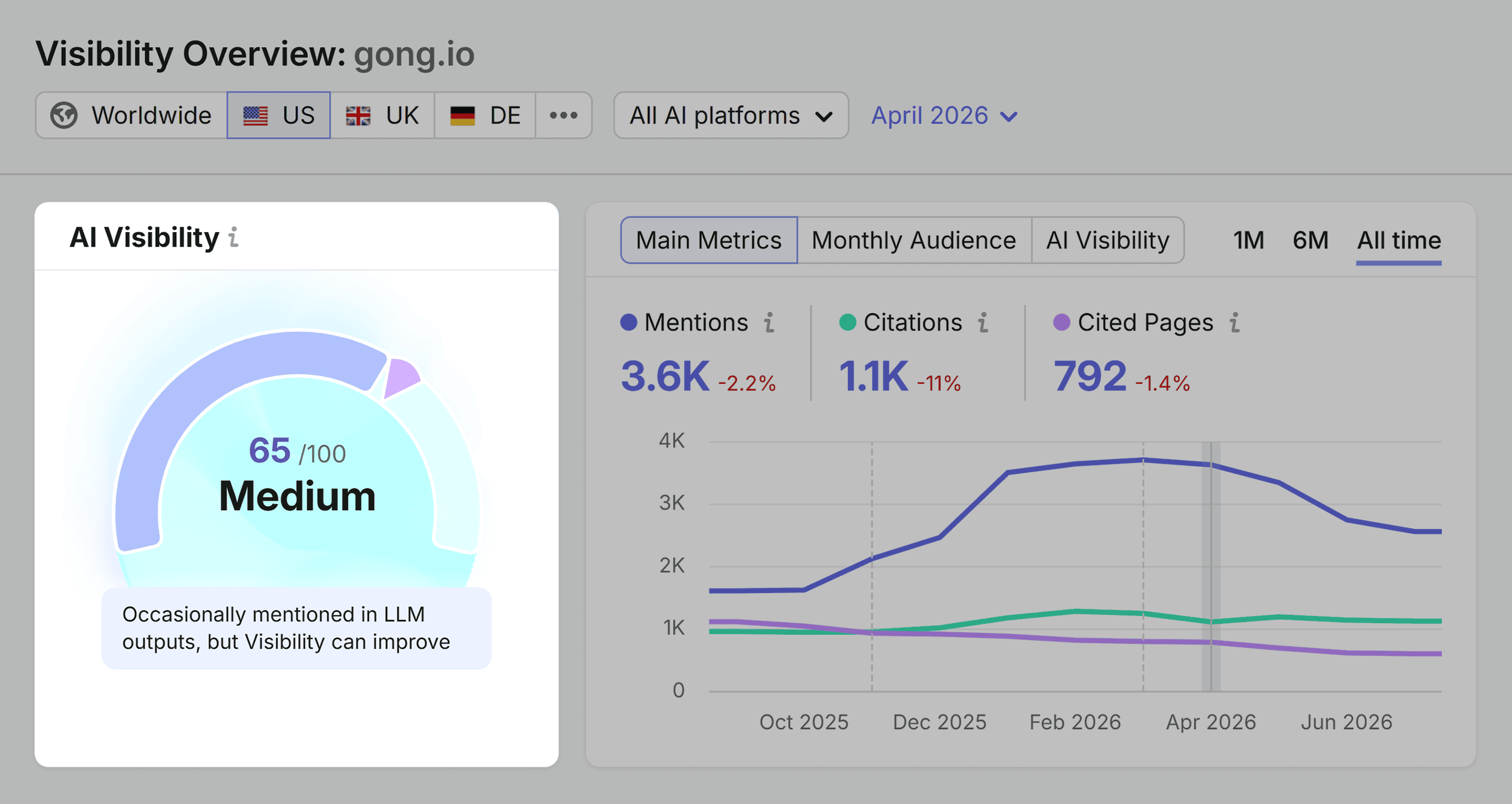
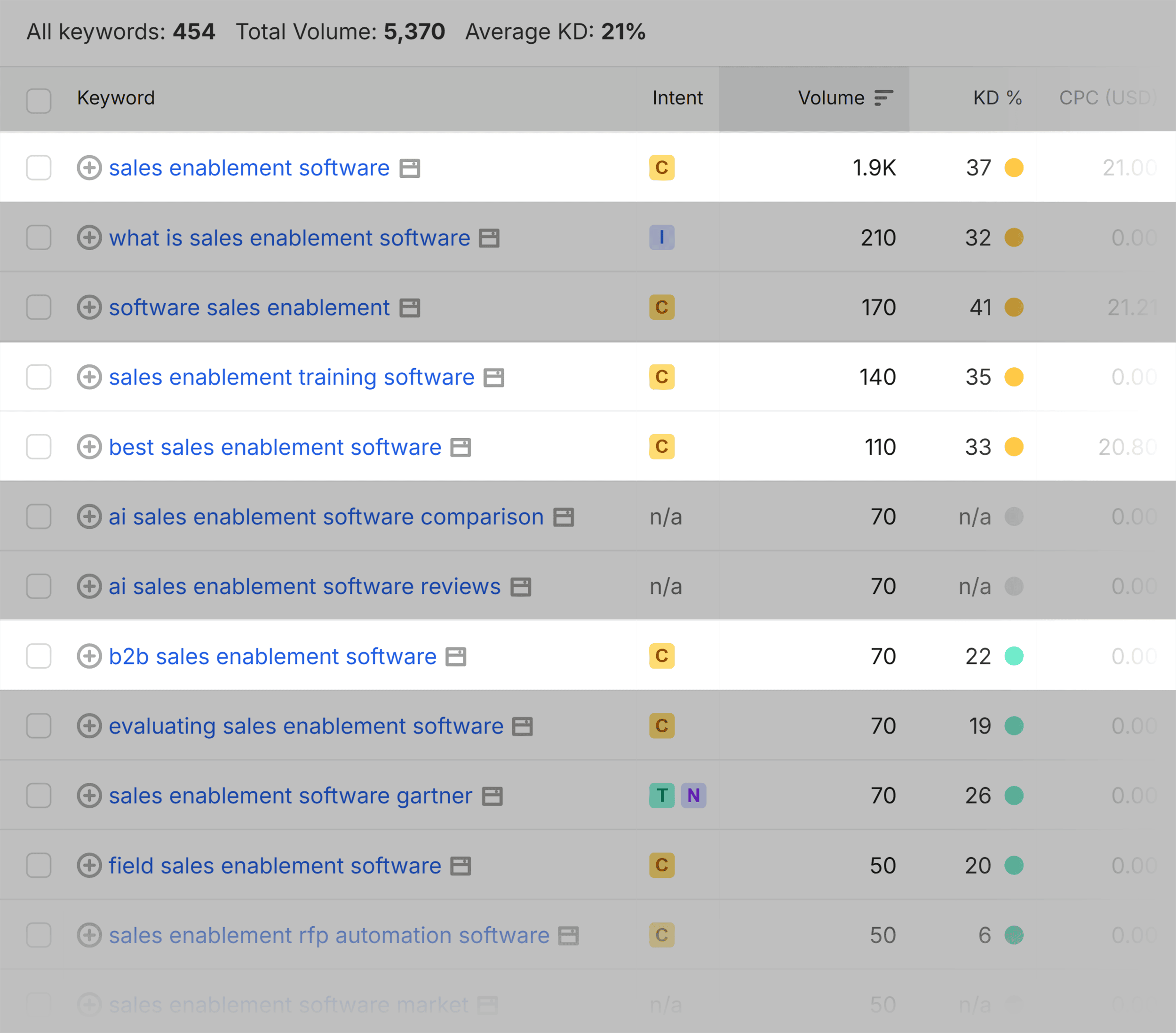
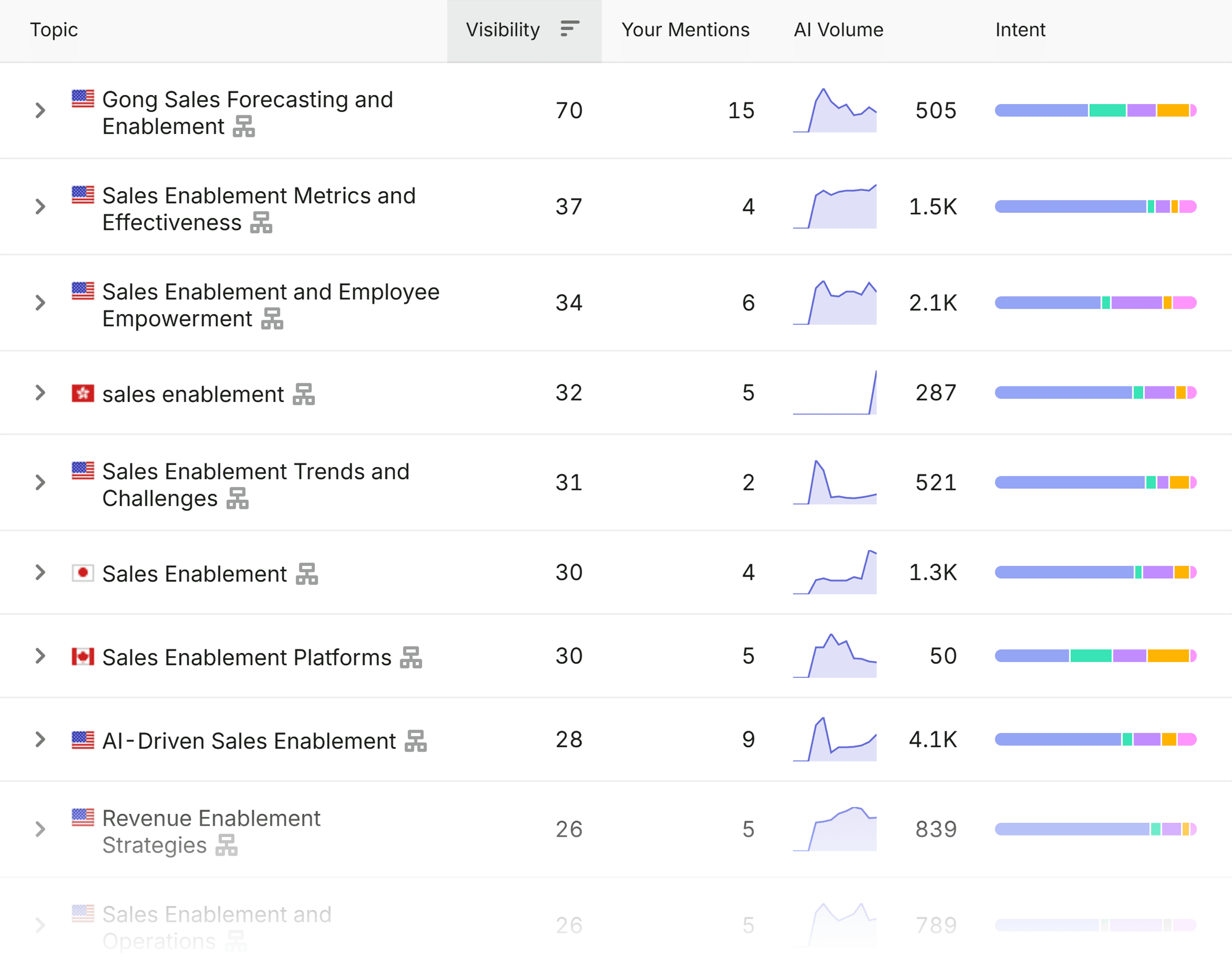
While manual tracking using a spreadsheet is a viable starting point for smaller businesses, scaling the process requires automation. Manual tracking is inherently slow and prone to human error, whereas integrated tools like Semrush’s AI Visibility dashboard can provide real-time data on LLM prompt volumes.
These tools offer features that allow marketers to see:
- Brand Citation Rates: How often your brand is mentioned across various models.
- Competitor Benchmarking: Identifying which rivals are being cited in prompts where you are absent.
- Source Opportunities: Discovering which third-party publications or platforms are feeding the AI’s knowledge base.
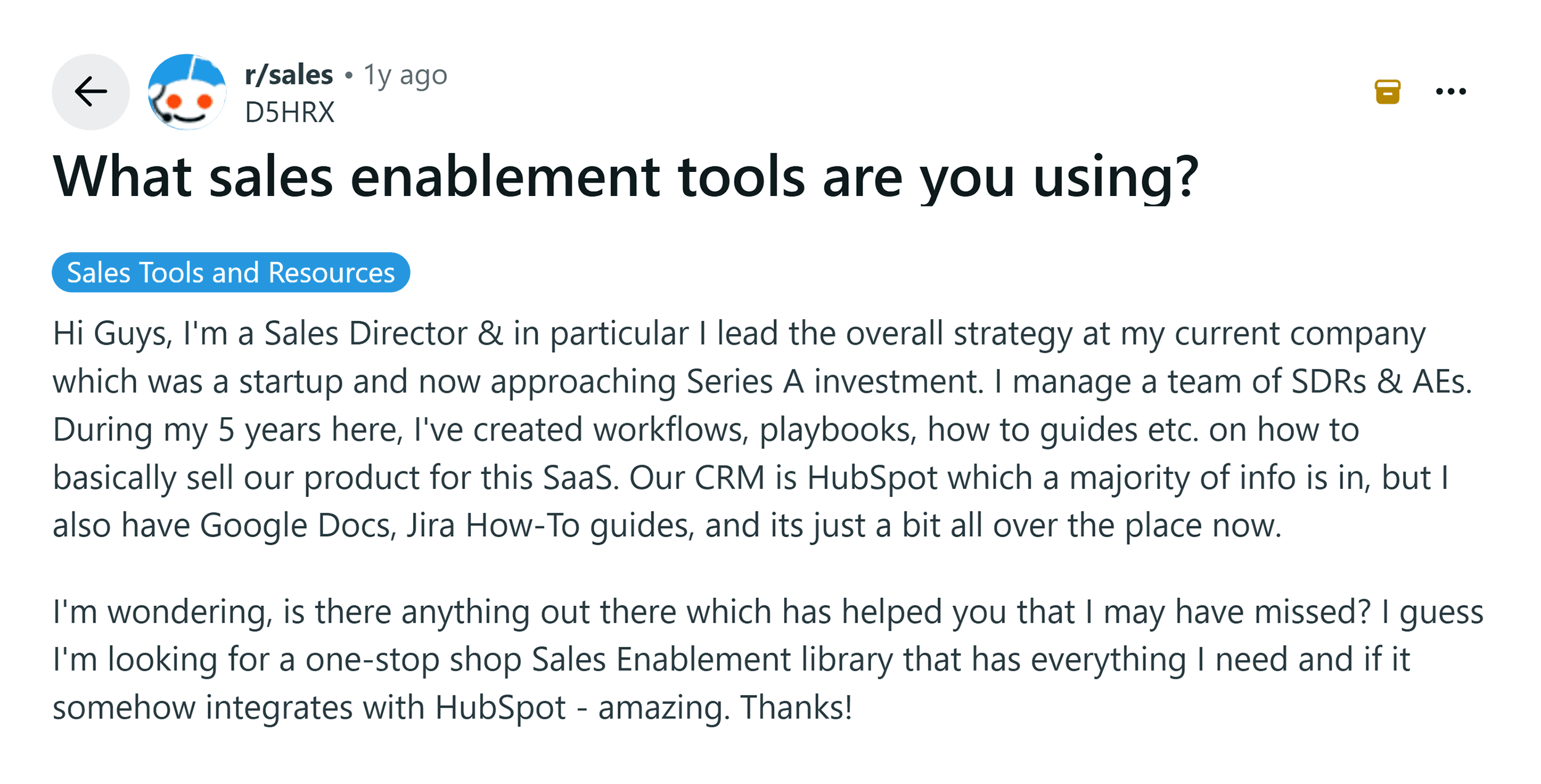
By identifying the sources that LLMs cite most frequently, such as G2, Capterra, or specific industry trade publications, brands can shift their PR and content efforts to ensure they are featured on those high-authority sites. If the AI consistently cites TechRadar or a specific industry blog, that platform becomes a priority for future outreach and link-building campaigns.
Addressing "Ghost Ranking" and Data Interpretation
One of the most insidious problems identified by industry experts is "ghost ranking." This occurs when a brand’s content is used as a source or citation, but the AI ultimately recommends a competitor in the body of the response. This indicates that while the brand has enough authority to be cited, it lacks the persuasive or accurate details necessary to secure the AI’s "endorsement."
Addressing this requires an audit of the content on the cited pages. Often, a lack of updated product information, missing pricing details, or poor user reviews on third-party profiles can cause the AI to favor a competitor.
Conclusion: A Compass, Not a Scoreboard
It is crucial to treat prompt tracking as a long-term compass rather than a weekly scoreboard. Because LLMs are constantly updating, occasional fluctuations in visibility are natural. Analysts should look for trends spanning at least four weeks before initiating major strategic pivots.
As the industry moves forward, the brands that succeed will be those that treat AI visibility as a core component of their marketing operations. By mapping the "jobs to be done" by their customers, identifying the constraints that influence buyer decisions, and systematically monitoring how they appear in the AI-driven answer economy, companies can ensure they remain at the forefront of their category. The era of passive search presence is over; the future belongs to those who proactively shape the narrative in the machine’s mind.