On May 1, 2002, the landscape of digital design commentary was irrevocably altered by the launch of Typographica, an experimental collaborative blog that effectively bridged the gap between academic typographic history and the nascent web culture of the early 21st century. Founded by Sacramento-based graphic designer and printing history enthusiast Joshua Lurie-Terrell, the site recently marked its twentieth anniversary, standing as a rare survivor in a digital ecosystem that has shifted from open-web decentralization to the walled gardens of modern social media platforms.

The Genesis of a Digital Archive
At the dawn of the millennium, the internet was a fundamentally different environment. The primary conduits for specialized design discourse were restricted to fragmented Usenet newsgroups and exclusive email lists. It was not until the launch of Typophile in 2000 that a dedicated, web-based forum for type enthusiasts existed. During this period, only two primary blogs, David John Earls’ Typographer (1999–2009) and Andy Crewdson’s Lines & Splines (2000–2002), were regularly updating content related to the craft of type design.
Recognizing the absence of a collaborative, community-driven platform, Lurie-Terrell established Typographica using a standard Blogger account. Borrowing the title from Herbert Spencer’s seminal mid-century journal, the platform was unique in its invitation-only approach to content creation, allowing various practitioners in the field to contribute simultaneously. This democratic approach to expert commentary set the tone for a site that would eventually transition through several platforms, including the transition to Movable Type, before solidifying its place in design history.

Chronology of Evolution: From Blog to Institution
The development of Typographica can be segmented into distinct eras that reflect the evolution of the web itself:
- 2002–2004 (The Blogger Era): This foundational period was characterized by rapid-fire, link-laden posts. It functioned as an informal "Type Twitter," providing breaking industry news that traditional print publications would not report for weeks.
- 2004–2010 (The Movable Type Transition): As the site gained traction, it migrated to more robust hosting, allowing for longer-form analysis and a more sophisticated archive.
- 2010–Present (The Editorial Refinement): Under the current stewardship of Stephen Coles, the site transformed into a highly curated resource for type reviews, industry commentary, and typographic criticism, moving away from the "link-stream" format to deep-dive investigative journalism.
The Typographic Ecosystem: A Data-Driven Perspective
To understand the significance of Typographica, one must analyze the state of digital media during its inception. In 2002, the total number of blogs worldwide was estimated at approximately 500,000. By 2006, this number had surged to over 50 million. Typographica remained a constant during this period of exponential growth, providing a professional anchor in a sea of amateur content.

Furthermore, the site’s reliance on the Internet Archive’s Wayback Machine for historical preservation highlights a common issue in digital history: link rot. A significant portion of the early 2000s web has vanished as servers were decommissioned. Typographica’s longevity, maintained through active archival efforts and continuous updates, has allowed it to serve as a primary source for scholars and designers studying the transition from analog to digital typesetting.
Industry Implications and the Shift in Digital Discourse
The evolution of Typographica offers a compelling case study on the changing nature of online engagement. Early iterations of the site prioritized horizontal connectivity—links to other blogs, collaborative commentary, and an emphasis on an "open web" philosophy. This era was characterized by a high degree of interoperability, where blogs served as interconnected nodes in a larger intellectual network.

In contrast, the modern social media landscape—dominated by platforms such as Instagram, X (formerly Twitter), and LinkedIn—prioritizes vertical engagement. These platforms often penalize "outbound" activity, encouraging users to remain within a closed environment. Industry experts have noted that this shift has resulted in a dilution of critical discourse. Where once a blog post could spark a week-long, multi-platform debate, social media algorithms now favor fleeting, superficial reactions that prioritize "likes" over substantive critique.
Community Reactions and Legacy
The twentieth-anniversary reflections of Stephen Coles have resonated across the design community, prompting a broader conversation about the value of independent publishing. The sentiment expressed by many in the industry suggests a growing fatigue with algorithmic content delivery and a desire to return to "slow media."

The success of organizations like Alphabettes, an online collective of women who design and write about type, is often cited as a modern iteration of the community-driven model pioneered by Typographica. By providing a dedicated space for specific, high-quality discourse, these platforms demonstrate that there remains a significant demand for independent, long-form publishing that is not subject to the pressures of venture-backed social media growth.
The Role of Design in Identity: The Nameplate Tradition
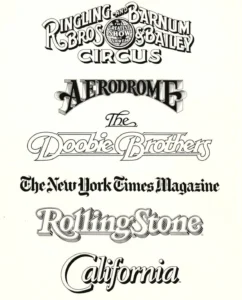
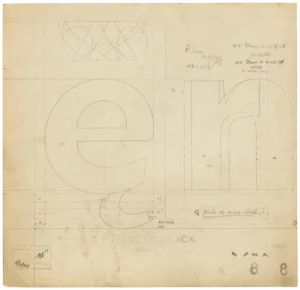
One of the most notable, yet frequently overlooked, aspects of Typographica’s identity is its consistent use of custom-designed nameplates. Throughout its history, the site has commissioned works from prominent designers, including Miguel Hernandez, Erik van Blokland, Tiffany Wardle, Angus R. Shamal, Mark Simonson, Harsh Patel, and Graham Hicks.

This tradition of collaborative identity-building serves as a microcosm of the site’s mission: to support the typographic craft not just through words, but through the active participation of the community it serves. By rotating these designs, the site maintains a visual freshness that defies the static nature of traditional institutional branding, reinforcing its identity as a living, breathing project rather than a fixed publication.
Future Outlook for Independent Design Media
As Typographica enters its third decade, the implications for the future of digital media are clear. The platform stands as a testament to the fact that intellectual authority in the digital age is built on consistency, archival integrity, and the fostering of genuine human connection.

The primary challenge for independent publishers in the coming years will be to maintain the "open web" spirit in an era of platform monopolization. However, the endurance of Typographica suggests that there is a durable, albeit quieter, audience for high-fidelity content. By resisting the temptation to conform to the rapid-consumption patterns of contemporary social media, the site has successfully preserved a space where professional standards of critique and history remain paramount.
As the industry looks toward the next twenty years, the legacy of Typographica serves as a template for those seeking to build meaningful, lasting communities in the digital space. It remains an essential reminder that while technology, platforms, and trends may shift, the foundational importance of expert, independent, and collaborative discourse remains the bedrock of any serious creative discipline.