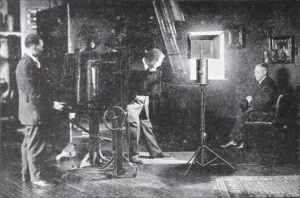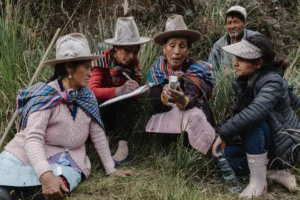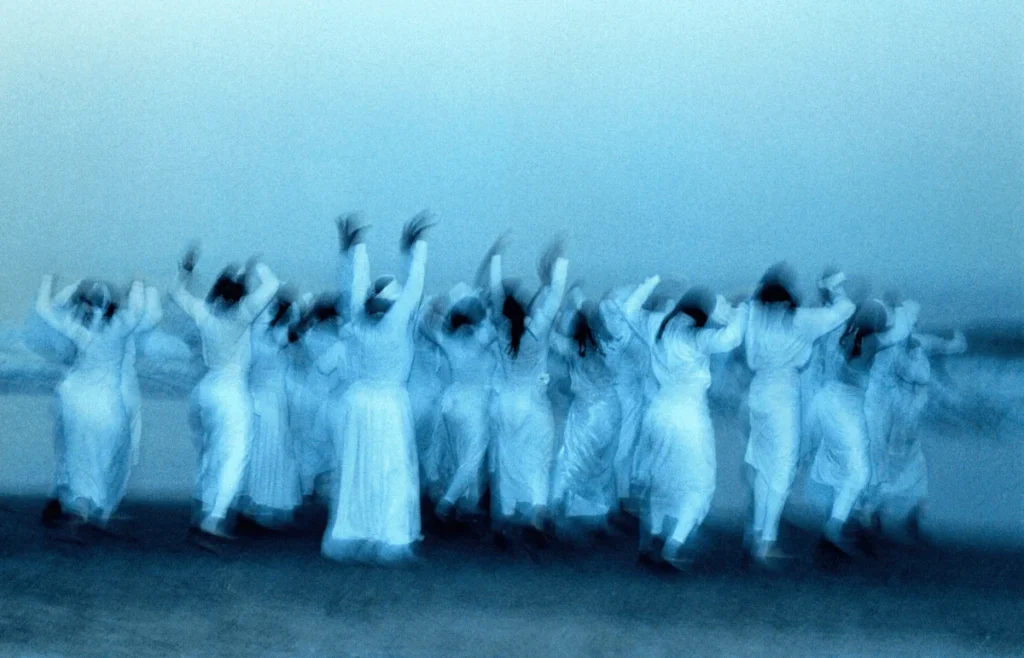

The Bruce Silverstein Gallery in New York City is currently hosting a landmark retrospective titled "Chester Higgins: Shared Memories," an exhibition that encapsulates over sixty years of photographic excellence. Running through June 20, 2026, the collection serves as a definitive look at the career of Chester Higgins, a man whose lens has spent more than half a century documenting the dignity, history, and spiritual essence of people of African descent. From his early days in the segregated South to a storied nearly forty-year tenure at The New York Times, Higgins has utilized photography not merely as a tool for documentation, but as a medium for social recalibration and spiritual exploration.
The exhibition arrives at a pivotal moment in American cultural discourse, where the nuances of identity and the historical accuracy of representation are under intense scrutiny. Higgins’ work offers a counter-narrative to traditional media tropes, replacing "exclusive negativity" with what he describes as a "unique, embracing, and nonjudgmental" view of African life. By focusing on the "African Spirit," Higgins has created a body of work that functions as a visual archive of humanity, bridging the gap between the rural American South, the urban landscapes of New York, and the ancient civilizations of the African continent.
A Formative Foundation: From Alabama to Tuskegee
The trajectory of Chester Higgins’ career is inextricably linked to the socio-political landscape of the mid-20th century United States. Raised in rural southern Alabama during the height of the Civil Rights Movement, Higgins grew up in an environment where the stakes of representation were matters of life and death. His exposure to the systemic injustices of Jim Crow laws provided the initial impetus for his desire to find a way to affirm the humanity of his community.

His formal introduction to the power of the image occurred at Tuskegee University, a historic institution that has long been a bedrock of Black intellectual and artistic life. It was here that Higgins encountered P.H. Polk, the university’s official photographer, who became a vital mentor. Polk’s ability to capture the elegance and strength of his subjects, regardless of their economic status, left a lasting impression on Higgins.
A turning point in Higgins’ ideological development occurred during a political protest at the State Capitol in Montgomery. Higgins and his fellow students were protesting the racist policies of then-Governor George Wallace. The following day, Higgins observed a stark discrepancy between the reality of the peaceful, principled protest he had participated in and the way it was depicted in the mainstream press. The media portrayed the students as "potential arsonists, rapists, thugs, and thieves." This experience crystallized his understanding of the "sociological contract" inherent in photography. He realized that the heart and intent of the photographer are inevitably reflected in the final image, leading him to his lifelong mantra: "The photograph never lies about the photographer."

The New York Times Years: Expanding the Paper of Record
In 1975, Higgins joined the staff of The New York Times, a position he would hold until 2014. During these four decades, he became a vanguard for change within the "Paper of Record." At the time of his arrival, the visual representation of Black Americans in major news outlets was often confined to stories of crime, sports, or extreme poverty, frequently viewed through a lens of pity or "otherness."
Higgins sought to dismantle these narrow archetypes by introducing a "balanced human personality" into the daily news cycle. He approached subjects in poverty without the traditional filters of class or exclusion, instead seeking out universal human experiences. His portfolio at the Times expanded to include celebrations, religious ceremonies, family dynamics, and the quiet dignity of aging.

The impact of his work was not only external but internal. Upon his retirement, the Managing Editor of The New York Times noted that Higgins had fundamentally changed how the newspaper’s predominantly white staff perceived Black people. By placing images of Black life—rendered with artistry and empathy—in front of the nation’s decision-makers, Higgins acted as an "agent of expansion." He transformed visual data into "digestible art," forcing a broadening of the collective American horizon.
Chronology of a Visionary Career
The "Shared Memories" exhibition allows viewers to trace Higgins’ evolution through several distinct phases:

- The Southern Roots (1960s): Early works capturing the resilience of the Alabama community and the burgeoning Civil Rights struggle.
- The Tuskegee Mentorship (Late 1960s): Refinement of technique under P.H. Polk and the beginning of his exploration into the "African Spirit."
- The New York Times Tenure (1975–2014): A vast body of photojournalism that redefined the visual vocabulary of the American newspaper.
- The Sacred Nile Project (Ongoing): A deep dive into the ancient civilizations of Ethiopia, Egypt, and Sudan, tracing the spiritual and cultural lineage of the African diaspora.
- The Retrospective Era (Present): Consolidation of his archives into major exhibitions and publications that emphasize the "Signature of the Spirit."
The Philosophy of the "Signature of the Spirit"
Central to Higgins’ work is a metaphysical concept he calls the "Signature of the Spirit." This philosophy is rooted in a childhood out-of-body experience that altered his perception of reality, leading him to view life as a multi-layered construction supported by invisible, shifting forces. He describes himself as an "ortovert"—a term he uses to describe the harnessing of the ego to allow the spirit to lead the creative process.
In his practice, "looking" for a photograph is an attempt to capture the marriage between nature and life. He seeks out the "behind-the-scenes effects" of the natural world, looking for the moments where the spirit reveals itself in the physical realm. This approach elevates his work from mere reportage to a form of visual poetry. Whether he is photographing a street scene in Harlem or a religious rite along the Blue Nile, Higgins is searching for the common denominator of the human experience: the "creator who is generous to all of us."

Supporting Data and Media Context
The significance of Higgins’ career is underscored by the historical lack of diversity in American newsrooms. According to data from the American Society of News Editors (ASNE), minority representation in newsrooms hovered around 12-13% for decades, with Black photographers making up an even smaller fraction of that total. In this context, Higgins’ 40-year tenure at The New York Times was not just a personal achievement but a systemic anomaly that provided a necessary corrective to the national narrative.
Furthermore, Higgins’ work aligns with a broader movement in Black photography that includes figures like Gordon Parks and James Van Der Zee. Like them, Higgins understood that the camera is a "weapon" against prejudice. However, his specific contribution lies in his focus on the spiritual and the ancient, linking the contemporary African American experience to a global and historical African identity.

Broader Impact and Cultural Implications
The "Shared Memories" exhibition is more than a look back at a successful career; it is a call to action for contemporary image-makers. Higgins’ insistence that a photographer’s "sociological contract" is visible in their work serves as a reminder of the ethical responsibilities of journalism. In an era of digital manipulation and rapid-fire social media imagery, Higgins’ deliberate, spirit-led approach offers a model for integrity.
The exhibition also highlights the importance of institutional archives. By housing his work at the Bruce Silverstein Gallery and other major institutions, Higgins ensures that the "visual diet" of future generations will include the positive, loving, and nonjudgmental images he fought to create.

As visitors walk through the gallery, they are met with a "balm to the daily confusion and miseducation" of the modern world. Higgins’ work suggests that while humans may be "complicated and defective by nature," the shared experiences of air, water, food, and emotion are the threads that bind the human family together.
Conclusion
Chester Higgins: Shared Memories stands as a testament to the power of the persistent lens. Through sixty years of dedication, Higgins has moved beyond the role of a witness to become a narrator of the soul. His work at The New York Times broke barriers, but his work as an artist has broken ground on a deeper understanding of the African diaspora. By capturing the "Signature of the Spirit," Higgins has provided a roadmap for how art can be used to respect the subject, honor history, and expand the horizons of a global audience. The exhibition remains a vital touchstone for anyone seeking to understand the intersection of photography, identity, and the enduring human spirit.