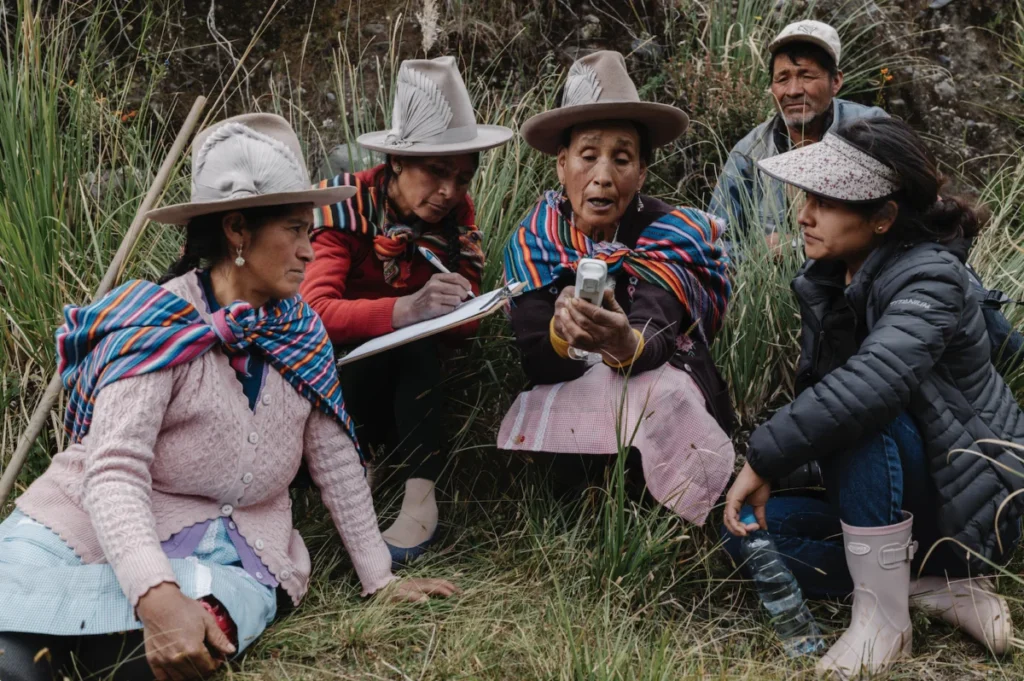

The Wellcome Photography Prize has officially opened its global submission portal for its 2027 edition, inviting photographers, scientific imagers, and visual artists from every corner of the world to submit work that challenges perceptions, provokes curiosity, and sparks critical conversations surrounding global health. Approaching its landmark 30th anniversary, the prestigious competition remains entirely free to enter, reinforcing its commitment to democratizing participation for emerging and established talents alike.
Organized by Wellcome—a global charitable foundation dedicated to supporting science to solve urgent health challenges—the prize seeks ambitious, visually striking imagery that illuminates how health, illness, and science are experienced, understood, and represented across diverse societies. Submissions are welcome across a sweeping array of complex themes, including but not limited to biomedical research, mental health, climate change, aging, disability, infectious diseases, community wellbeing, and healthcare access.
As the boundary lines between human society, environmental shifts, and scientific innovation continue to blur, the 2027 competition places a renewed emphasis on documentation that bridges the gap between hard science and human empathy. Photographers and scientific imaging specialists have until October 21, 2026, to submit their portfolios and individual pieces for consideration.
Competition Categories and Financial Incentives
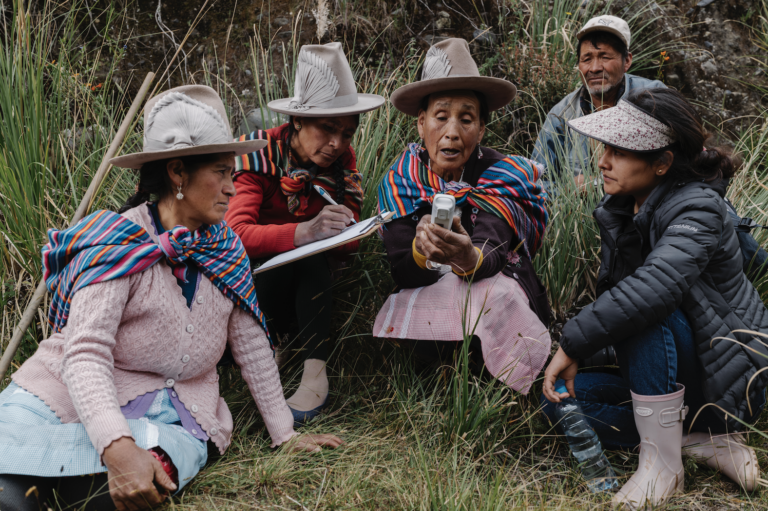
To accommodate diverse visual storytelling mediums—ranging from photojournalism to microscopic laboratory captures—the competition is divided into three distinct categories. A single winner will be crowned in each category, with each taking home a cash prize of £10,000.
The first category, Striking Solo Photography, invites creators to submit a single image capable of captivating audiences, stirring the imagination, and instantly initiating dialogue regarding health, medicine, or scientific exploration. Past entries in similar single-image categories have famously captured the profound vulnerability of clinical settings, the resilience of communities facing environmental degradation, and the deeply personal realities of chronic conditions.
The second category, A Storytelling Series, asks photographers to deploy a cohesive sequence of three to five photographs. This format is designed to allow visual artists to unpack a health-related issue in greater depth, revealing multifaceted perspectives, charting the progression of care, or documenting the daily realities of individuals and communities navigating systemic health challenges.
The third category, The Marvels of Scientific and Medical Imaging, steps beyond traditional documentary photography to celebrate the astonishing aesthetics of the microscopic and clinical worlds. This category honors a single image produced through advanced scientific or medical imaging techniques—such as advanced microscopy, MRI scans, or specialized laboratory imaging—that captures the hidden wonders of human biology, pathology, and health.

In total, the competition boasts a substantial prize fund of £52,000 (approximately $70,000 USD), distributed across the category winners and subsequent finalist placements.
Background Context and Evolution of the Prize
The Wellcome Photography Prize has evolved significantly since its inception nearly three decades ago. Originally rooted primarily in medical illustration and science documentation, the competition has systematically expanded its scope to reflect the modern understanding that health is inextricably linked to social structures, environmental conditions, and planetary wellbeing.
In recent years, the competition has captured some of the most defining global events and quiet human struggles of our time. Past editions have featured poignant documentations of the COVID-19 pandemic, the mental health repercussions of urban isolation, the psychological toll of climate displacement, and breakthroughs in neuro-imaging. By rewarding both photojournalistic grit and technical scientific visualization, Wellcome has carved out a unique niche in the global arts and sciences ecosystem, validating photography not merely as an aesthetic pursuit, but as a crucial tool for public health advocacy and scientific literacy.
Organizers note that the upcoming 30th-anniversary milestone underscores the enduring power of visual media to translate complex epidemiological data and clinical trials into accessible, deeply felt human narratives. As public skepticism toward science has fluctuated in the wake of various global crises, visual storytelling has proven vital in rebuilding trust, fostering empathy, and communicating urgent public health messages across cultural and linguistic divides.

Selection Process, Finalist Recognition, and the Awards Ceremony
The evaluation process for the Wellcome Photography Prize is rigorous, drawing on an international panel of judges composed of renowned photographers, photo editors, scientists, public health advocates, and cultural figures. The jury evaluates entries based on technical excellence, visual impact, ethical integrity, and the strength of the narrative or scientific insight conveyed.
A shortlist of 25 finalists will be selected from the global pool of applicants. Beyond the monetary prizes awarded to category winners, all 25 finalists will receive substantial international recognition, with their work slated for wide-scale digital promotion and inclusion in global media features.
Furthermore, all finalists will be invited to attend the official Wellcome Photography Prize 2027 awards ceremony, hosted in the United Kingdom. This high-profile, in-person event serves as a premier networking hub, bringing together visual storytellers, scientific researchers, healthcare policymakers, industry leaders, and cultural influencers. The gathering is designed not only to celebrate artistic achievement but also to foster cross-disciplinary collaborations that can drive forward public conversations on health equity and scientific innovation.
Broader Impact and Implications for Visual Storytellers
The implications of participating in and winning the Wellcome Photography Prize extend far beyond financial compensation. For photojournalists and documentary artists, selection by Wellcome often opens doors to international commissions, gallery exhibitions, and academic collaborations. For scientific researchers and medical imaging technicians, the competition offers a rare platform to share the beauty and significance of their laboratory work with a global public audience that rarely glimpses the interior landscapes of human biology.

By emphasizing themes like climate change and environmental health alongside traditional medicine, Wellcome acknowledges the "One Health" paradigm—the collaborative effort of multiple disciplines attaining optimal health for people, animals, and our environment. Photographs submitted to the prize frequently serve as empirical and emotional evidence of environmental degradation’s toll on human populations, supplying policymakers and activists with compelling visual data that policy briefs alone often fail to communicate.
Industry analysts observe that as media landscapes shift and audiences increasingly consume information through visual platforms, initiatives like the Wellcome Photography Prize play an indispensable role in maintaining high standards of visual journalism and scientific accuracy. By enforcing strict ethical guidelines regarding digital manipulation and the representation of vulnerable subjects, the competition ensures that documentary integrity remains at the forefront of modern image-making.
How to Enter
Submissions for the Wellcome Photography Prize 2027 are open now and must be completed through the official Wellcome Photography Prize website. The deadline for all entries is October 21, 2026. Photographers and scientific imagers of all backgrounds, working anywhere in the world, are encouraged to review the entry criteria, category guidelines, and ethical standards before submitting their work to one of the premier international celebrations of health and visual culture.