
Henri & Hélène is a contemporary French bistro inspired by the neighborhood cafés of Paris and the simple pleasure of gathering around the table. The establishment, which derives its name from the founder’s two children, represents a deliberate intersection between traditional culinary heritage and contemporary design strategy. By prioritizing a "neighborhood-first" atmosphere, the bistro has positioned itself within a growing market of dining establishments that emphasize intimacy, authenticity, and narrative-driven branding over the sterile luxury that characterized high-end French dining in previous decades.
The Genesis of a Culinary Concept
The development of Henri & Hélène began with a mandate to capture the ephemeral feeling of a Parisian morning—the clinking of ceramic on marble, the soft hum of conversation, and the unpretentious elegance of classic French fare. The restaurant’s founder sought to create a space that felt like a permanent fixture of the community, despite its modern origins. To achieve this, the design firm Goodside was tasked with crafting a visual identity that functioned as a bridge between historical reverence and present-day functionality.
The project timeline commenced with an extensive research phase into the visual vernacular of the Belle Époque—a period spanning roughly 1871 to 1914, characterized by optimism, regional peace, and a flourishing of the arts. Designers at Goodside analyzed archival materials, focusing on the intricate typography and ornate lithography that adorned menus and storefronts during this era. The goal was not to replicate these historical artifacts exactly, but to distill their essence into a scalable, contemporary identity system.
Designing the Visual Language
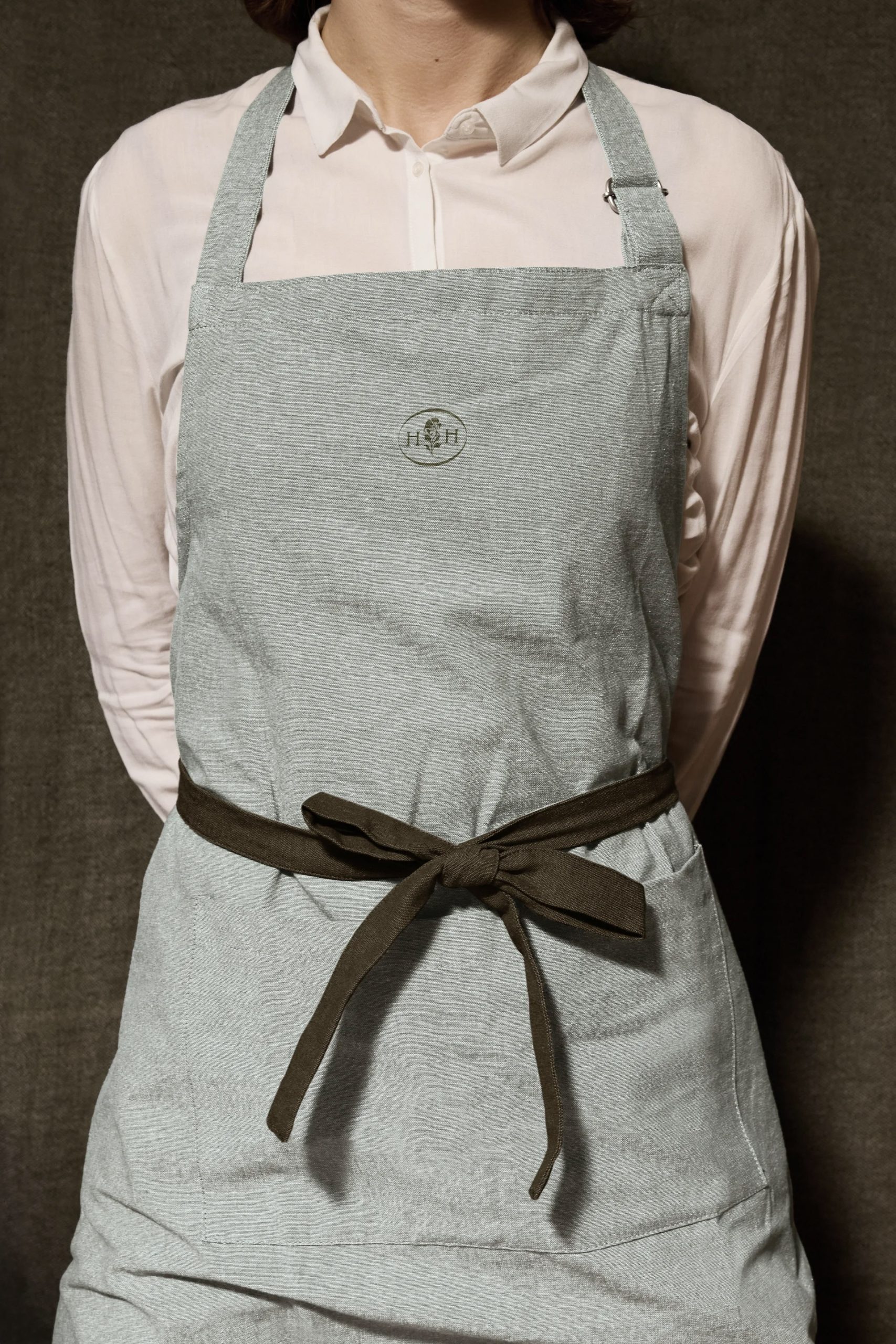
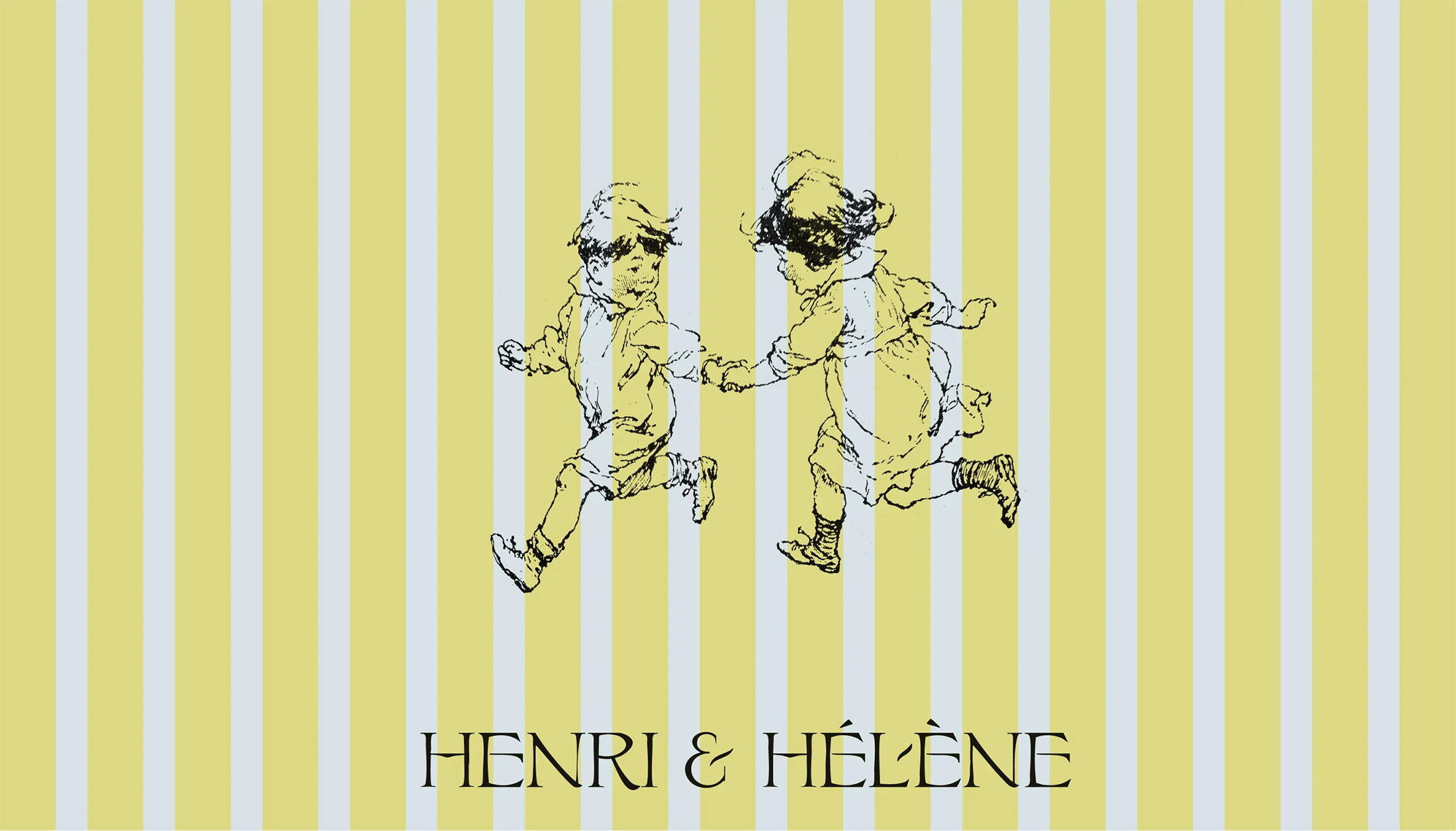
The visual identity of Henri & Hélène serves as the primary touchpoint for the customer experience. Goodside’s design team opted for a color palette derived from the French coastline, utilizing soft, muted tones that evoke a sense of calm and nostalgia. This choice deviates from the high-contrast, bold branding often seen in modern restaurant marketing, opting instead for a subdued elegance that mirrors the restaurant’s culinary philosophy: simple, elevated, and ingredient-forward.
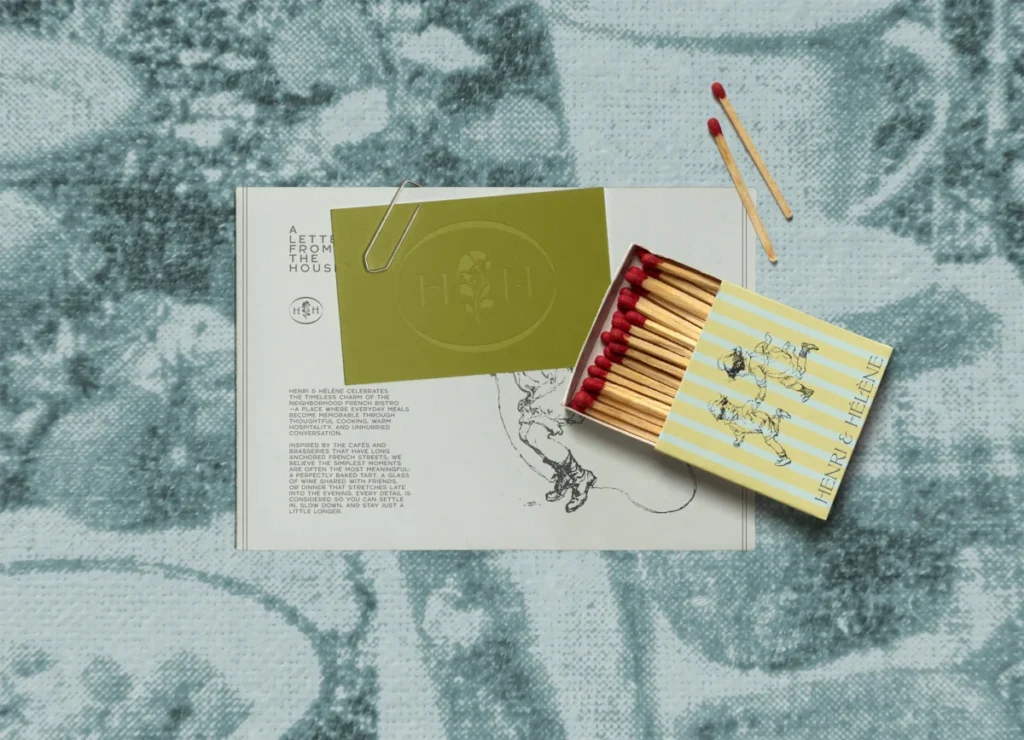
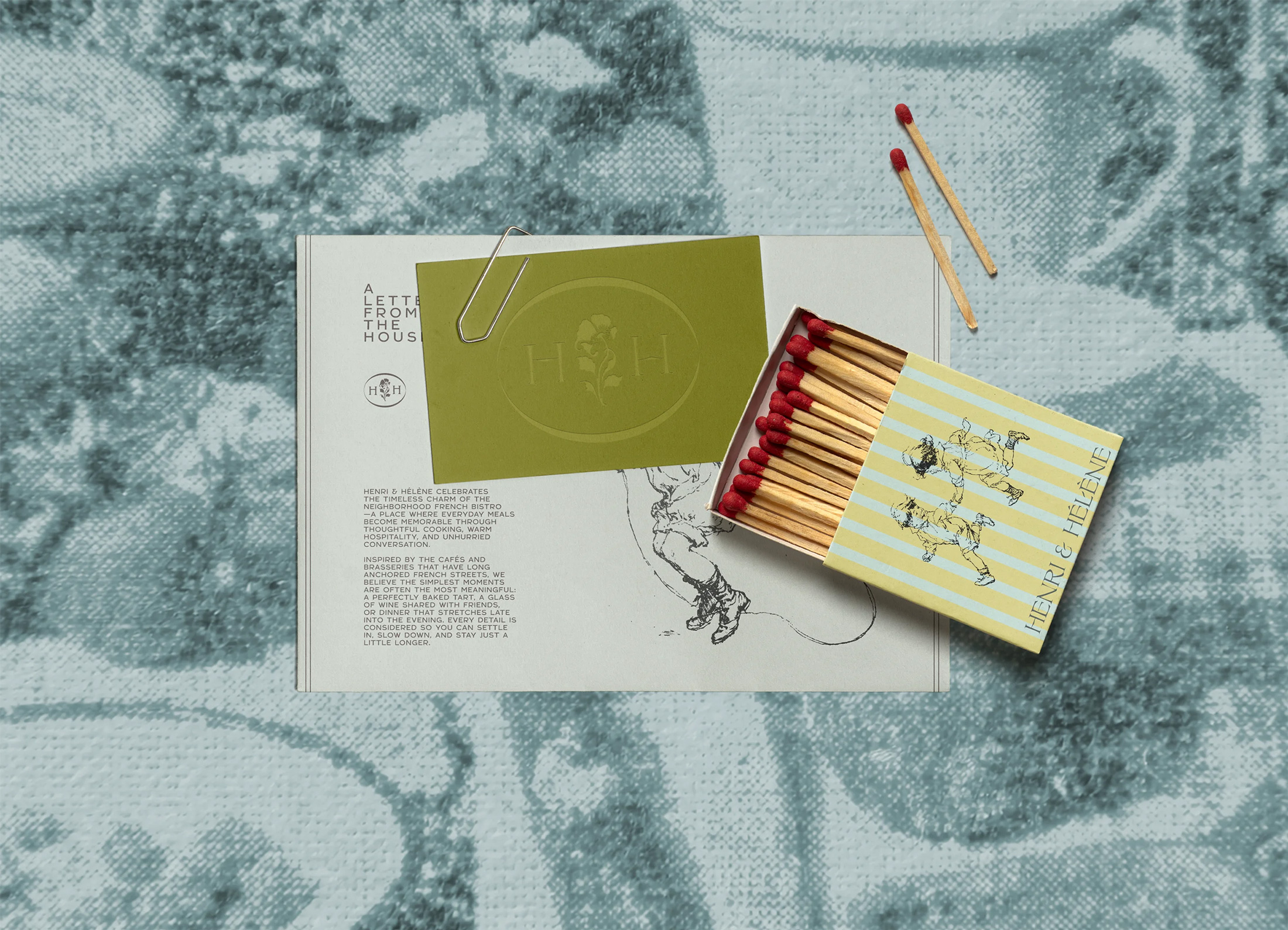
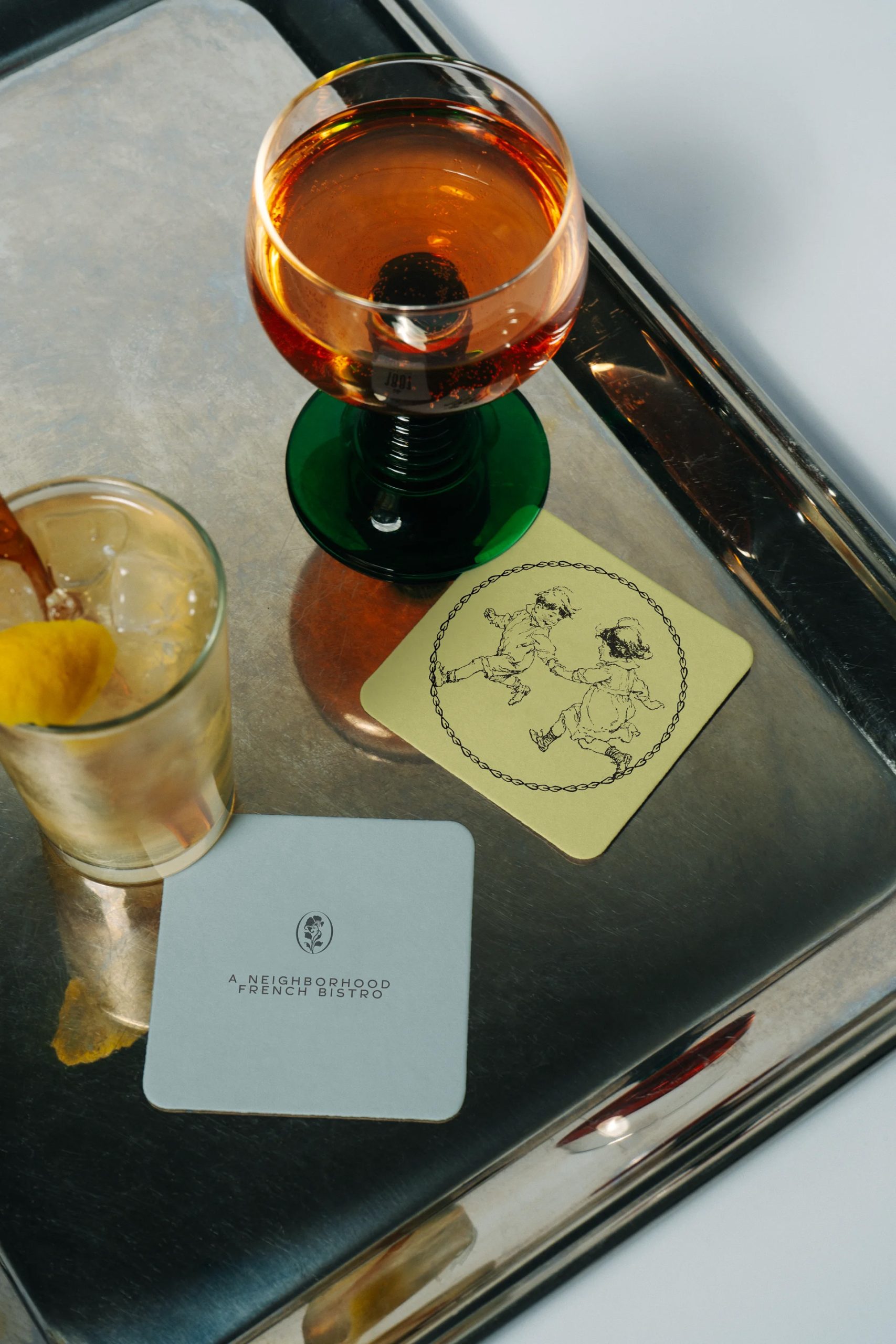
Central to the brand’s visual storytelling are hand-drawn engravings that depict the namesake children, Henri and Hélène. These illustrations are not merely decorative; they serve as a recurring motif throughout the restaurant’s physical and digital collateral. From the embossed texture on printed menus to the weight of the coasters and the gold-foil stamping on matchbooks, the branding is designed to be tactile. By extending the visual language to even the smallest ephemera, the restaurant reinforces the concept that every detail has been curated with care, mirroring the precision required in the kitchen.

Market Context and Industry Trends
The emergence of Henri & Hélène occurs against a broader shift in the global hospitality sector. Post-pandemic dining trends indicate a significant consumer preference for "approachable luxury." According to recent industry data from the National Restaurant Association, there has been a 14% year-over-year increase in consumer demand for establishments that offer a "home-like" atmosphere, moving away from formal white-tablecloth service in favor of elevated bistro-style dining.
Furthermore, the "neighborhood bistro" model has seen a resurgence as urban centers decentralize. Diners are increasingly prioritizing local, walk-to-eat venues that provide a sense of place and belonging. The success of a brand like Henri & Hélène is tied directly to this sentiment. By rooting their identity in the personal narrative of the chef’s family, the restaurant creates an emotional connection with its patrons, which acts as a powerful differentiator in a crowded market.

The Intersection of Typography and Architecture
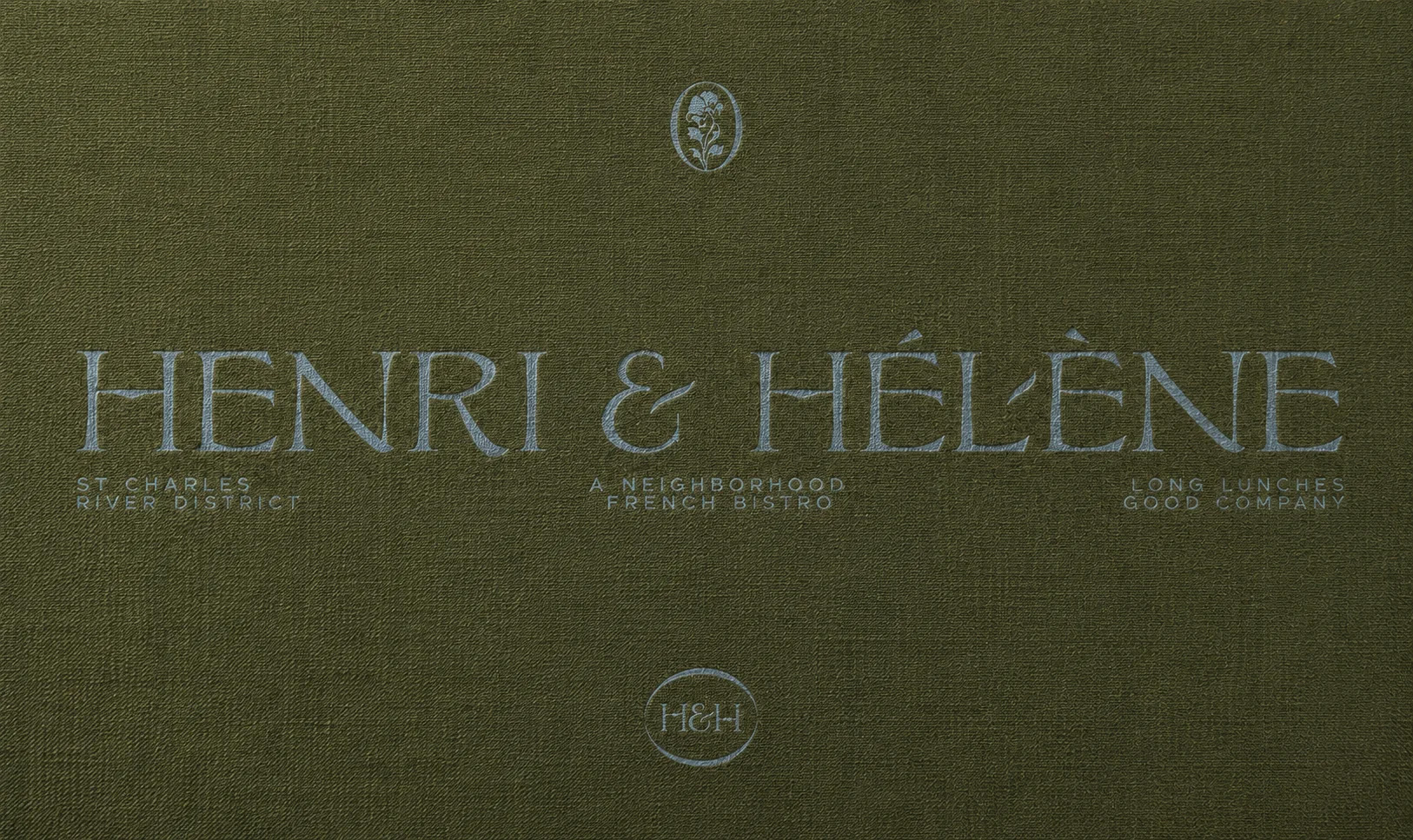
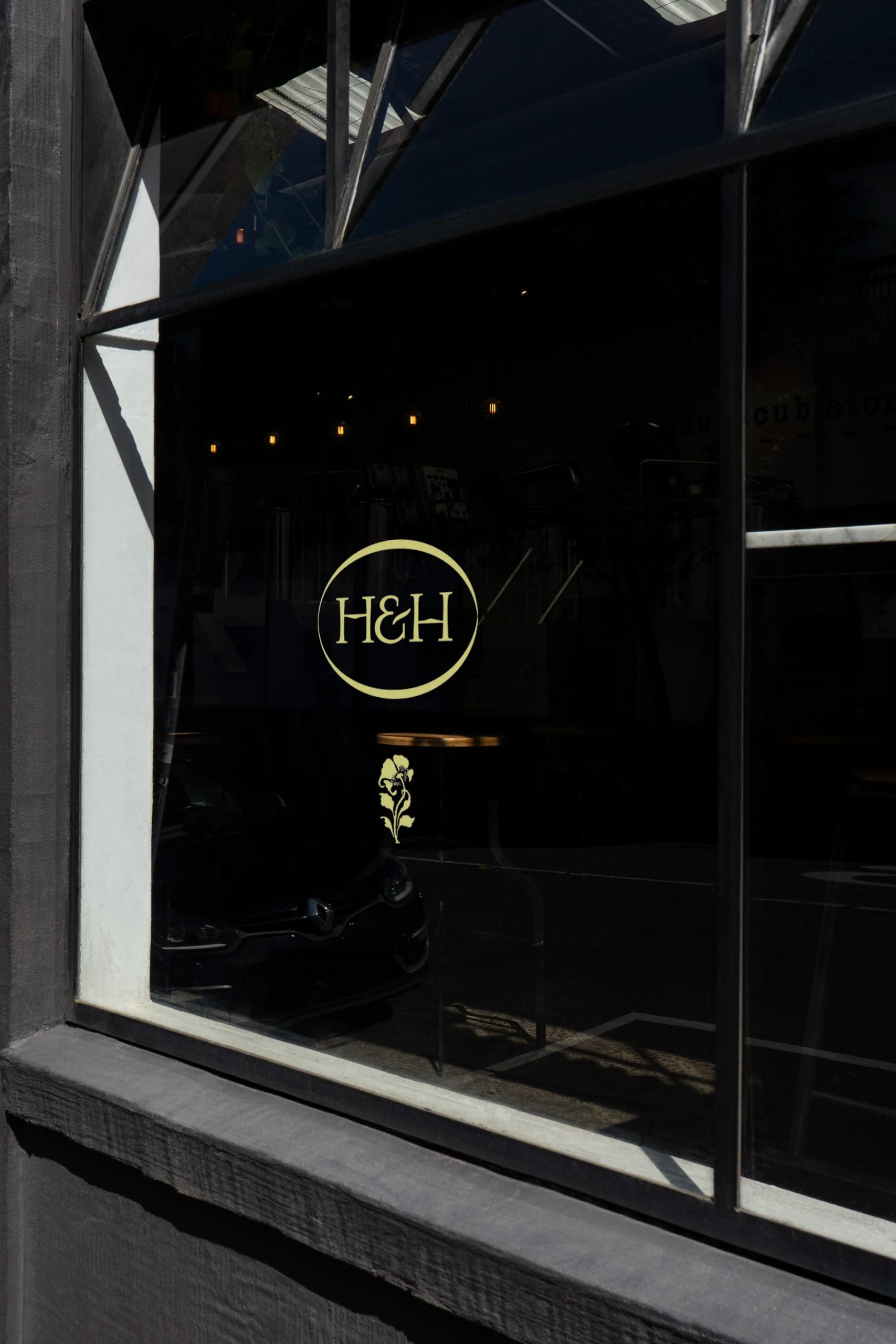
A critical component of the bistro’s design is its use of typography. Goodside utilized letterforms that echo the Belle Époque era, characterized by high-contrast strokes and elegant serifs. This typographic choice is intentional, serving as a subtle nod to the history of French graphic design while remaining legible and modern.
The application of this typography across signage and menus follows a hierarchy designed to guide the customer’s eye without overwhelming the environment. In a professional analysis of the interior design, experts have noted that the balance between negative space and dense, illustrative elements creates a rhythm that encourages patrons to linger. This aligns with the "simple pleasure of gathering" stated in the bistro’s mission, as the physical environment is engineered to facilitate, rather than interrupt, social interaction.
Strategic Implications of Narrative Branding
The branding strategy behind Henri & Hélène provides a roadmap for modern hospitality ventures. By moving away from logo-centric branding toward an identity system based on illustration and narrative, the restaurant achieves three primary goals:
- Memorable Differentiation: The use of bespoke, hand-drawn imagery ensures that the brand cannot be easily replicated or mistaken for a chain. It establishes a unique visual signature.
- Emotional Engagement: By naming the establishment after the owner’s children and weaving their likenesses into the design, the brand creates a human-centric narrative that fosters customer loyalty.
- Cohesive Storytelling: The consistent application of the brand across all touchpoints—from the menu card to the signage—creates a sense of wholeness that enhances the perceived value of the dining experience.
Analysis of Culinary Branding Standards
When comparing Henri & Hélène to industry benchmarks, the distinction lies in the integration of the brand identity with the architectural space. Many restaurants treat branding as a superficial layer applied after the interior design is complete. In the case of Henri & Hélène, the identity appears to have been developed in tandem with the physical space. The soft, coastal palette serves as an extension of the interior lighting and materials, creating a seamless environment.
Industry analysts observe that this level of integration is becoming a prerequisite for success in high-density urban markets. As the barrier to entry for new restaurants remains high due to rising real estate and labor costs, the ability to build a strong, recognizable brand identity that communicates quality before a customer even orders their first dish is a vital competitive advantage.
Challenges and Future Outlook
While the aesthetic and conceptual foundations of Henri & Hélène are robust, the long-term viability of such a concept relies on its ability to evolve. The danger for "nostalgia-inspired" brands is becoming stagnant. However, the use of a contemporary, clean design language prevents the bistro from appearing like a themed or period-specific restaurant. Instead, it occupies a timeless space.
The shift toward "effortlessly welcoming" environments is likely to continue as a dominant trend in the hospitality sector for the next decade. As consumers become more discerning about where they spend their discretionary income, they are increasingly drawn to brands that offer a transparent, sincere, and thoughtfully curated experience. Henri & Hélène exemplifies this transition, proving that a well-executed identity is not merely about aesthetics—it is about creating a functional framework for community and hospitality.
Conclusion
Henri & Hélène stands as a testament to the power of thoughtful, narrative-driven design in the culinary industry. By balancing the historical charm of the Belle Époque with the needs of a modern, local neighborhood bistro, the establishment has created a compelling brand identity that resonates with contemporary diners. Through the strategic use of custom illustrations, curated typography, and a deliberate, tactile approach to physical materials, the bistro has succeeded in creating more than just a place to eat—it has created a destination.
As the hospitality sector continues to navigate a changing landscape, the lessons provided by this project are clear: in an era of digital noise, the most effective branding is often that which returns to the fundamentals of human connection, local identity, and the simple, enduring ritual of the table. Whether through the lens of design, marketing, or operations, Henri & Hélène serves as an essential case study for any professional looking to understand the future of the neighborhood bistro.