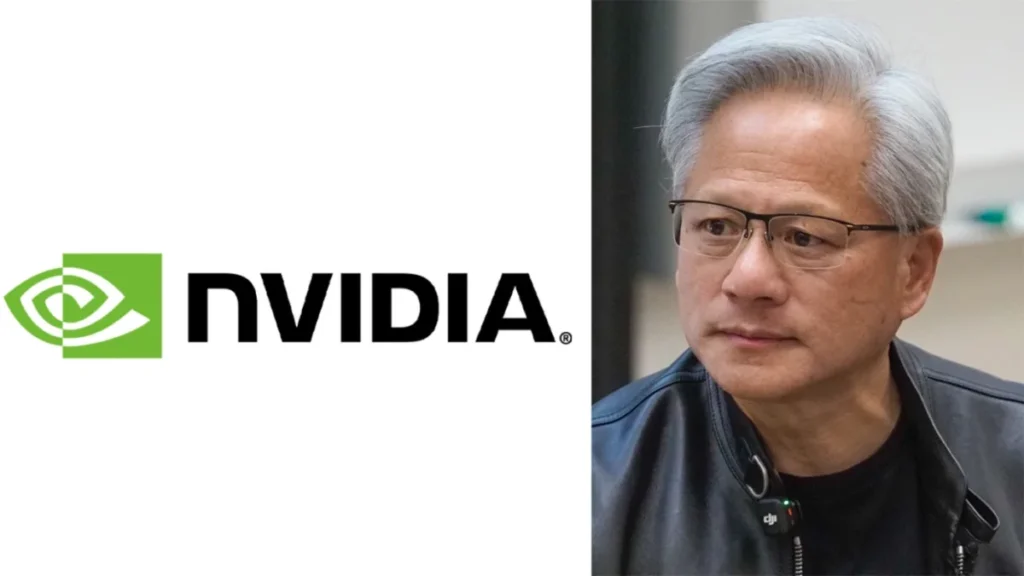

The technology sector is reeling following the sudden and dramatic resignation of Jensen Huang, the visionary co-founder and long-serving CEO of NVIDIA. Huang, who steered the chipmaker from a gaming-focused startup in 1993 to the world’s most valuable company at the heart of the artificial intelligence revolution, stepped down on November 12. His departure marks the end of an era for the Silicon Valley titan, coming in the wake of explosive reports regarding his personal conduct and alleged entanglements with foreign intelligence assets.
The turmoil began in early November following reports published by The New York Times, which detailed a romantic relationship between Huang and a woman identified as Alice Huang. Alice Huang served as a top executive at Megaspeed, a Singapore-based data center firm that has faced intense scrutiny from U.S. regulators regarding the potential circumvention of export controls on high-end semiconductors bound for China. The core of the controversy involves U.S. intelligence officials’ suspicions that Alice Huang acted as an asset for the Chinese government, raising alarming questions about the potential for corporate espionage or the illicit diversion of NVIDIA’s cutting-edge H100 and Blackwell chips.
A Chronology of the Crisis
The collapse of Huang’s leadership followed a swift and escalating sequence of events that stunned Wall Street and the global semiconductor industry:
- November 8: NVIDIA’s Board of Directors announced the commencement of an independent investigation into reports of Huang’s personal relationships and their potential impact on national security. At this stage, the board stated there was "no reason to believe" company secrets had been compromised.
- November 8 (Later): Huang issued a companywide email acknowledging his infidelity and taking "full responsibility" for his actions. He expressed regret for the impact on his family and admitted to failing the company’s employees, board, and shareholders.
- November 11: The crisis intensified when further reporting revealed a second relationship between Huang and Kimberly Powell, NVIDIA’s Vice President of Healthcare. As Powell reported directly to Huang, the revelation suggested a potential violation of corporate governance standards, causing NVIDIA’s stock price to plummet.
- November 12: NVIDIA officially confirmed that the board had accepted Huang’s resignation as President, CEO, and member of the Board of Directors.
Geopolitical Implications and Export Controls
At the center of the investigation lies the tension between NVIDIA’s commercial interests and U.S. national security policy. Since the U.S. Department of Commerce tightened export restrictions on advanced AI chips to China in 2022, NVIDIA has navigated a precarious regulatory environment. The association with Alice Huang has brought renewed federal attention to these compliance efforts.
Attorney General Todd Blanche, addressing the media regarding the Department of Justice’s involvement, confirmed that the government is actively investigating the nature of Alice Huang’s activities. While the DOJ has not issued a final determination regarding her status as an intelligence operative, the investigation into the potential smuggling of restricted chips into China remains a high-priority matter. "The unauthorized transfer of advanced hardware that facilitates the training of AI models for military or surveillance purposes constitutes a severe violation of export laws," legal experts noted. The DOJ’s inquiry is expected to determine whether the relationship facilitated any breach of the restrictive covenants governing the sale of high-performance computing hardware.
Corporate Governance and Financial Fallout
The resignation has triggered a massive loss in market capitalization. Since the initial reports surfaced, NVIDIA has shed over $500 billion in market value, a staggering figure that underscores investor anxiety regarding the stability of the company’s leadership. The company has moved quickly to establish a new command structure to reassure stakeholders.
CFO Colette Kress has been appointed interim CEO while continuing to oversee the company’s financial operations. Harvey Jones has assumed the role of Board Chair. The board has initiated a search for a permanent successor, stating that it will evaluate both internal leaders and external candidates capable of steering the company through this period of intense regulatory and public scrutiny.
"The board recognizes the profound contributions Jensen Huang made to this company and the semiconductor industry," the company stated. "However, the necessity of maintaining the highest standards of corporate integrity and governance remains our absolute priority."
Market Impact and the AI Ecosystem
NVIDIA’s dominance in the AI hardware market—commanding an estimated 80% to 90% share of the data center GPU market—makes this leadership transition a matter of global importance. The company’s hardware is not merely a tool for large-scale AI research; it is the backbone of the modern digital economy.
For the creative industry, NVIDIA’s presence is equally ubiquitous. The GeForce RTX line of GPUs remains the industry standard for video editing, 3D rendering, and real-time animation. The NVENC encoder is the backbone of professional-grade live streaming, while the company’s CUDA software ecosystem has become the standard for creative professionals using applications like Adobe Premiere Pro and Blackmagic Design’s DaVinci Resolve.
Analysts suggest that while the hardware ecosystem is unlikely to change in the short term, the company’s strategic roadmap may face delays as the new leadership team focuses on damage control and legal compliance. "The primary challenge for the new CEO will be to isolate the operational side of the business from the ongoing investigations," said market analyst Sarah Jenkins. "Investors need to see that the intellectual property and the supply chain remain secure, even as the company faces a potential pivot in its government relations strategy."
The Road Ahead: Legislative and Internal Scrutiny
As NVIDIA begins its search for a new leader, Huang faces his own legal and political challenges. He has pledged to cooperate fully with the ongoing internal investigation and has signaled his intent to testify before Congress regarding the circumstances surrounding his tenure and the allegations of illicit chip distribution.
The congressional interest is expected to focus on two distinct areas: the security of NVIDIA’s internal data regarding AI architecture, and the efficacy of the company’s internal controls in preventing the diversion of restricted hardware to sanctioned entities. The Senate Committee on Banking, Housing, and Urban Affairs has already hinted at a series of hearings to examine the robustness of export compliance in the AI sector.
For the company, the "brutal stretch" described by industry insiders is likely to continue for several quarters. With a net worth estimated at $155 billion, Huang’s exit from the company he built is unlikely to be a financial hardship, but the erosion of his legacy is significant. The future of NVIDIA now rests on whether the board can find a successor capable of maintaining the company’s technological lead while rebuilding the trust of regulators, shareholders, and the global technology community.
The transition period will be marked by a focus on "de-risking" the company’s operations. This involves not only satisfying federal regulators that no national security breach occurred but also implementing more rigorous oversight of the executive suite to prevent future governance failures. As the dust settles, the tech industry will be watching closely to see if NVIDIA can maintain its trajectory at the forefront of the AI boom, or if the loss of its iconic founder will lead to a broader shift in the competitive landscape of the semiconductor market.