
In a significant push to capture a larger share of the professional and amateur digital creator market, Meta has rolled out two major platform updates for its dedicated video editing application, Edits. The announcement, which underscores the tech giant’s commitment to cross-platform functionality, introduces a tailored version of the app specifically designed for the folding screen of the iPhone Duo, alongside the first public glimpses of an eagerly anticipated desktop application currently undergoing live testing.
These simultaneous developments highlight Meta’s strategic pivot toward hardware-agnostic content creation tools. By optimizing Edits for both emerging foldable mobile architectures and traditional desktop workstations, the company aims to streamline workflows for digital creators who increasingly produce media across multiple devices. The updates leverage form-factor-specific advantages to provide enhanced workspace real estate, positioning Edits as a more formidable competitor against established industry giants like Adobe Premiere Rush, CapCut, and Apple’s Final Cut ecosystem.
Tailored Functionality for Foldable Architecture
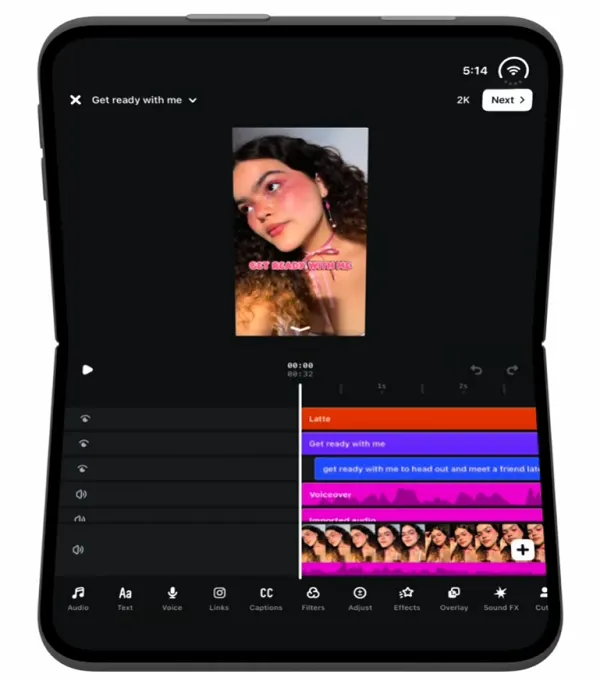
The most immediate release in Meta’s latest rollout is the dedicated iPhone Duo version of Edits. Designed to maximize the unique presentation values and hardware capabilities of Apple’s latest foldable device, the software introduces an adaptive user interface that dynamically reorganizes itself based on the device’s variable orientation and the physical crease of the screen.
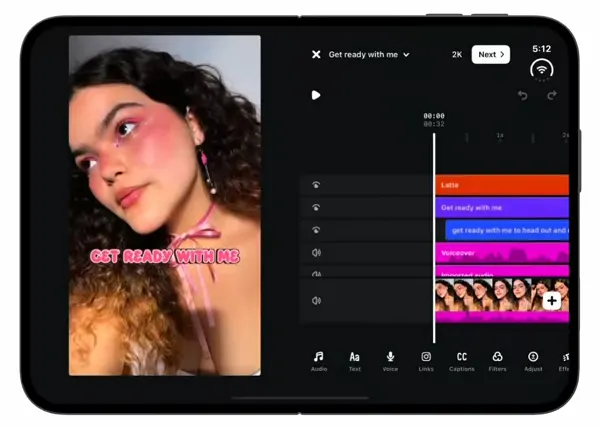
According to specifications and usage notes shared by Meta, the folding display fundamentally changes how users interact with their projects. "With a larger, adaptive screen, you can edit and preview your timeline side by side for more flexibility in how you create," the company stated in an official release. "Edits adapts to the screen and crease, so you can keep creating in the position that feels right."
This capability addresses one of the primary historical limitations of mobile video editing: screen crowding. Traditional smartphones restrict users to viewing either the timeline or the video preview, forcing constant toggling between tabs and windows. By utilizing the expansive canvas of the iPhone Duo, creators can now execute precision trimming, audio balancing, and color grading while simultaneously monitoring high-resolution previews without spatial compromises. The interface seamlessly shifts whether the device is held in a book-like vertical orientation or propped horizontally like a miniature laptop, ensuring that the software remains ergonomically intuitive regardless of the creator’s working posture.
The Evolution of the Edits Desktop Application
While the mobile rollout caters to on-the-go production, Meta is simultaneously addressing the needs of studio-bound creators through the development of a native desktop version of Edits. First teased by the company in June, the desktop iteration has officially transitioned from concept to limited live testing among select content creators.
The existence of the desktop software came to light publicly when creator Taylor Golub shared a comprehensive screenshot of the interface on Threads, offering the industry its first detailed look at the software’s layout and feature set. The leaked and previewed imagery reveals a multi-panel workspace optimized for desktop monitors, enabling users to oversee significantly more editing elements on a single, expansive screen.
The desktop environment brings together various fragmented creation functions, bridging the gap between quick social media publishing tools and traditional non-linear editing (NLE) software. By accommodating expanded timelines, multi-track audio management, and complex effect layers, Meta is signaling its ambition to serve creators who require deeper technical control over their video assets before distributing them across platforms like Instagram, Facebook, and Threads.
Instagram Chief Adam Mosseri weighed in on the significance of the desktop release in the comments section of Golub’s Threads post. Mosseri expressed high expectations for the project, noting that he anticipates the desktop version of Edits will serve as "a foundation for a lot of interesting features to come." This statement hints at a broader roadmap that may integrate advanced artificial intelligence capabilities, cloud-based collaboration tools, and deeper ecosystem integrations in future iterations.
Background Context and Chronological Development
The trajectory of Meta’s Edits application reflects a broader corporate strategy to build proprietary infrastructure that keeps creators within its digital ecosystem. Over the past several years, the consumption of short-form and medium-form video has exploded across Meta’s family of apps, driven largely by the massive adoption of Reels. To sustain this content pipeline, Meta recognized that it needed to provide creators not just with distribution channels, but with end-to-end production tools that lower the barrier to high-quality content creation.
The timeline of the Edits platform highlights a rapid development cycle:
- Early Development and Initial Launch: Meta initially introduced Edits as a streamlined mobile-first video editing utility aimed at simplifying the creation of social media content, incorporating basic cutting, text-overlay, and transition features.
- June: Meta officially announced its intention to expand the ecosystem beyond mobile devices, confirming that a desktop version of the platform was actively in development to meet the demands of advanced creators.
- Recent Weeks: Beta testing for the desktop version commenced, involving a curated group of digital creators tasked with stress-testing the interface and providing feedback on workflow efficiency.
- Current Day: Meta officially launches the iPhone Duo version of the app to coincide with the hardware’s market availability, while early desktop testers begin publicly sharing interface previews and initial performance impressions.
This chronology demonstrates a deliberate, multi-phased approach to software scaling. By first capturing the casual mobile creator market, Meta established a reliable user base before scaling upward into complex desktop environments and outward into innovative hardware form factors like foldable screens.
Broader Industry Implications and Strategic Analysis
Meta’s aggressive iteration of the Edits platform carries notable implications for the digital media and content creation software industry. For years, the desktop video editing market has been dominated by legacy software suites that often require steep subscription fees, high-end computer specifications, and specialized technical training. By offering a robust, free, or low-cost alternative that integrates directly with major social distribution networks, Meta is altering the competitive landscape.
The introduction of the iPhone Duo optimized version also signals an important validation for foldable device manufacturers. As hardware companies continue to refine folding screens, software developers must adapt their user interfaces to prevent awkward scaling or wasted display space. Meta’s proactive optimization for the iPhone Duo sets a precedent for how productivity and creative applications should leverage variable-geometry displays, potentially encouraging other creative software developers to follow suit.
Furthermore, Mosseri’s framing of the desktop app as a foundational building block suggests that Meta views hardware-based editing suites as vital infrastructure for the future of social media storytelling. As artificial intelligence continues to reshape video production—through automated captioning, generative background removal, and smart reframing—having a unified desktop and mobile foundation allows Meta to deploy AI-driven production assistants seamlessly across all user touchpoints.
Ultimately, these updates illustrate Meta’s evolving role as both a social media network and an enterprise-grade productivity tool provider. By bridging the gap between mobile convenience, foldable innovation, and desktop power, the company is attempting to ensure that whether a creator is editing on a folding smartphone during a commute or fine-tuning a cinematic project at a studio desk, the tools they use bear the Meta ecosystem hallmark. As the live tests for the desktop version expand and user feedback from the iPhone Duo rollout accumulates, the industry will be watching closely to see how these foundational features mature and what advanced capabilities Meta introduces next.