
The transition from autumn festivities to the winter holiday shopping period has officially commenced, with major retailers rolling out high-budget seasonal marketing campaigns earlier than ever before. In an aggressive move to capture consumer attention for the 2026 holiday shopping season, retail giant Walmart has enlisted Jim Henson’s iconic Muppets to infuse its brand messaging with nostalgic charm and irrepressible cheer. The cornerstone of this initiative is a 90-second hero commercial titled A Who Knew Carol, which draws direct inspiration from the beloved 1992 musical fantasy film The Muppet Christmas Carol.
This multi-channel holiday push integrates Walmart’s overarching "Who Knew?" brand marketing platform directly into the festive season. By blending classic cinematic nostalgia with modern retail conveniences—such as holiday gift curation, favorite brand features, seasonal discounts, and Express Delivery services—Walmart aims to position itself as the ultimate one-stop destination for holiday shoppers facing economic pressures and tight schedules. The campaign represents a massive collaborative effort across the advertising industry, spearheaded by Publicis Groupe’s customized agency model, Dept W and Pub W, which consolidates creative and media resources from Fallon, Leo New York, The Community, Digitas, and Zenith.
The Main Facts of the Campaign
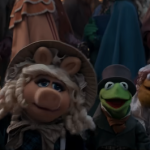
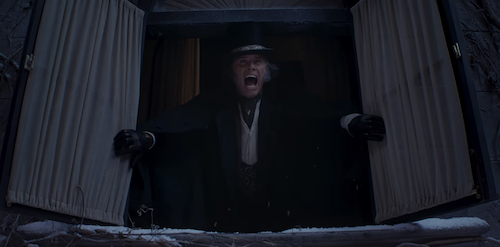
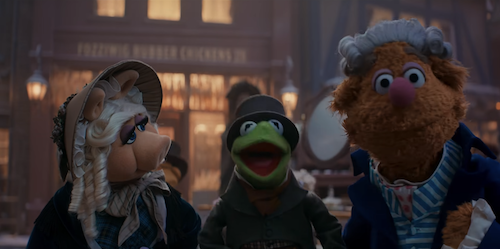
At the center of A Who Knew Carol is a star-studded cast that bridges the gap between classic characters and contemporary live-action talent. The production features actor Goggins in the role of the famously miserly Ebenezer Scrooge, alongside a roster of legendary Muppets including Kermit the Frog, Miss Piggy, The Great Gonzo, Rizzo the Rat, and Pepé the King Prawn. Additionally, actress Stephanie Beatriz joins the cast as Scrooge’s niece, bringing a dynamic familial element to the retelling.
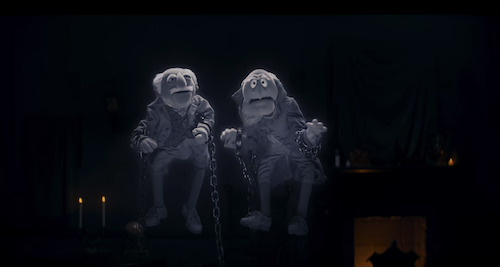
The narrative of the commercial reimagines the iconic opening musical number, Scrooge, from the original film. Rather than merely lamenting cold weather and financial prudence, the musical sequence serves as an introduction to Walmart’s unexpected value propositions and vast inventory. Throughout the rollout, Scrooge’s traditional journey of redemption is modernized; instead of being haunted by the traditional ghosts of Christmas past, present, and future, the character encounters a refreshed set of thematic specters that guide him through Walmart’s holiday offerings.
The campaign has been designed with a high degree of cultural inclusivity, running comprehensive bilingual activations featuring both English-language broadcasts and dedicated Spanish-language spots starring Stephanie Beatriz. This bilingual strategy reflects Walmart’s ongoing commitment to engaging diverse demographic segments during the peak retail period, ensuring that the message of holiday joy resonates across a broad consumer base.
Chronology and Production Background
Planning for major retail holiday campaigns typically begins months, and sometimes nearly a year, in advance, requiring meticulous coordination between corporate marketing teams, creative agencies, and production houses. The genesis of Walmart’s 2026 holiday strategy began taking shape in the early months of the year, following the continued success of the retailer’s "Who Knew?" positioning platform.
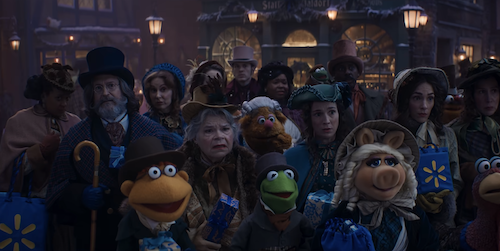
By mid-year, creative concepts centered around timeless holiday storytelling led the Publicis Power of One team to pitch the integration of The Muppets. Securing the rights and orchestrating the physical and digital presence of Jim Henson’s creations required extensive logistical planning. Production on the hero commercial commenced late in the summer under the direction of Randall Einhorn, with production handled by Radical Media. Concurrently, specialized social content was directed by SARBY, ensuring that the campaign could maintain a continuous, native presence across fast-paced digital platforms.
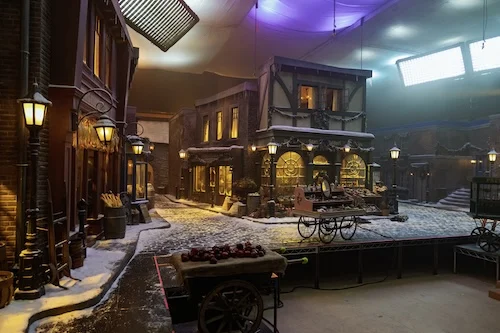
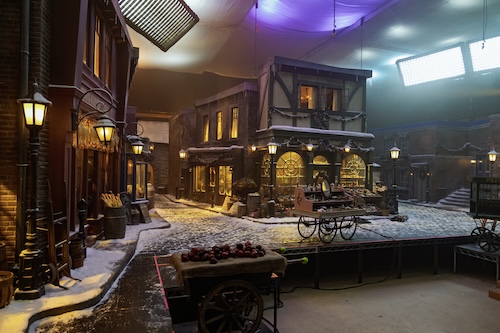
Post-production work was executed with rigorous attention to detail, involving editorial contributions from Union & Plural and finishing touches by Harbor. Behind-the-scenes documentation released from the production sets highlights the meticulous recreation of Victorian-era aesthetics blended seamlessly with modern retail environments. The phased rollout officially commenced in late October, deliberately bypassing the traditional mid-November holiday threshold to secure early consumer mindshare before competitors could dominate the airwaves.
Supporting Data and Multi-Platform Distribution Strategy
Walmart’s 2026 holiday marketing blitz is among the most comprehensive media deployments of the season, utilizing a sophisticated, data-driven omni-channel distribution matrix. Recognizing that modern consumer media consumption is heavily fragmented across linear television, streaming services, and social media, the media planning—overtaken by Zenith and digital partners—allocates substantial budget across a wide array of touchpoints.
Broadcast television and Online Video (OLV) form the bedrock of the campaign’s reach, while premium streaming platforms play a critical role in capturing cord-cutting demographics. Confirmed distribution channels include major streaming networks such as Paramount+, Peacock, Fox, Roku, and YouTube. This ensures high visibility during peak viewing hours for families and holiday content consumers.
In tandem with video assets, the campaign maintains an aggressive footprint across social media ecosystems, targeting Meta platforms, TikTok, Snapchat, Pinterest, and Reddit. These platforms will host bite-sized, platform-native content designed to drive engagement, user-generated interaction, and direct conversion through social commerce features. Furthermore, the strategy incorporates Out-of-Home (OOH) displays, audio advertisements, podcast integrations, digital banner placements, and robust affiliate and creator partnerships. This ensures that regardless of where a consumer spends their digital or physical time, they will encounter touchpoints from A Who Knew Carol.
Broader Impact and Industry Implications
The launch of Walmart’s Muppet-themed campaign highlights several broader trends within the contemporary retail and advertising landscapes. First, it underscores the enduring power of 1990s nostalgia in marketing. As Millennials—who grew up watching films like The Muppet Christmas Carol in theaters or on home video—enter their peak consumer spending and parenting years, brands increasingly leverage cultural touchstones from that era to establish immediate emotional connections.
Second, the campaign reflects the immense financial stakes of the Q4 retail season. With holiday spending serving as a primary indicator of annual financial health for big-box retailers, companies are under continuous pressure to differentiate themselves in a crowded marketplace characterized by price sensitivity and intense competition from e-commerce giants. By leaning heavily into entertainment value, high production quality, and universally recognized intellectual property, Walmart aims to transcend basic price-comparison shopping and build brand affinity.
Finally, the organizational structure behind the campaign—Publicis Groupe’s "Power of One" model—demonstrates the evolving agency-client relationship. By breaking down traditional silos between public relations, creative development, media buying, digital execution, and multicultural marketing, holding companies can deliver seamless, holistic campaigns capable of scaling across dozens of distinct platforms without diluting the core creative vision. As consumer habits continue to evolve, campaigns like Walmart’s A Who Knew Carol set a new benchmark for how legacy brands can successfully modernize traditional holiday storytelling for the digital age.