
In the contemporary commercial landscape, securing brand loyalty has transformed from a long-term strategic advantage into an increasingly fragile asset. As consumers encounter corporations across an expanding matrix of decentralized digital ecosystems—ranging from niche creator communities to unmonitored social networks—the traditional mechanisms of brand retention are failing. Simultaneously, a proliferation of artificial intelligence-generated content and digital misinformation has fostered widespread consumer skepticism, fundamentally altering how buyers evaluate the integrity of the enterprises they patronize.
This environment has compressed the lifecycle of consumer sentiment. Traditional corporate barometers, such as lagging quarterly sales data, annual surveys, and delayed financial reports, often identify shifts in consumer perception long after public opinion has crystallized. By the time executive teams review these retrospective insights, consumer loyalty has frequently eroded beyond recovery. Consequently, industry experts argue that modern organizations must pivot toward real-time social intelligence to capture, analyze, and act upon public discourse while those conversations retain commercial relevance.
The Divergence Between Brand Loyalty and Brand Affinity
To understand the mechanics of retention in a fragmented marketplace, market analysts emphasize the critical distinction between brand loyalty, brand affinity, customer loyalty, and brand awareness. While these terms are frequently used interchangeably in corporate boardrooms, they measure fundamentally different psychological and behavioral phenomena.
Brand loyalty represents a consumer’s ongoing preference for a specific enterprise over its competitors, anchored primarily in trust and emotional resonance rather than mere convenience, geographic proximity, or habit. It manifests concretely in repeat purchasing behavior, proactive peer recommendations, and a steadfast refusal to defect to competitors offering lower price points or superior logistical convenience. Conversely, brand affinity reflects the emotional connection a consumer feels toward an organization based on shared values, identity, or cultural alignment.
Customer loyalty, meanwhile, is largely transactional, driven by overall service quality, reward programs, or frictionless purchasing mechanics. Brand awareness merely measures baseline familiarity and recognition of corporate insignias, naming conventions, or product portfolios. While these metrics frequently reinforce one another, industry researchers stress that true brand loyalty operates akin to a mature interpersonal relationship: it cannot be cultivated through a single interaction; rather, it accumulates incrementally through repeated, reliable engagements that demonstrate an alignment with the consumer’s core priorities.

The Escalation of the Trust Deficit and the Impact of Generative AI
Earning and maintaining this trust has grown exponentially more complex due to the modern consumer discovery journey. A prospective buyer rarely encounters a brand linearly through official corporate channels. Instead, initial impressions are frequently forged via third-party touchpoints—a product recommendation from an independent creator, a mixed-sentiment discussion thread on Reddit, or a critical review video on TikTok—long before the consumer ever navigates to the brand’s proprietary web properties.
This decentralized discovery model coincides with a historic nadir in digital trust. According to industry data from Sprout Social’s Q1 Pulse Survey, approximately 35% of social media users report that their trust in digital content has sharply declined over the preceding twelve months. Respondents identified digital misinformation as the primary catalyst, cited by 30% of participants, while 20% pointed directly to the proliferation of unregulated, AI-generated content. Furthermore, 88% of surveyed users agreed that advanced AI video generation tools have measurably undermined their trust in mainstream news and information encountered across social channels.
This pervasive skepticism extends directly to corporate communications. Polished promotional campaigns, overly curated customer testimonials, and vague crisis responses are increasingly subjected to intense public scrutiny, with audiences frequently suspecting artificial manipulation or defensive spin. Consequently, contemporary brand interactions face a heightened burden of proof. Credibility is no longer dictated solely by what a corporation broadcasts on its owned channels, but by the composite integrity of every public touchpoint, controlled or otherwise.
The Cost of Delayed Insights and Fragmented Data
Despite widespread recognition of these market shifts, corporate leadership teams frequently struggle with systemic data latency. Enterprise data architectures are often fractured across disparate departments; customer service logs, CRM records, marketing analytics, and social listening feeds routinely operate in institutional silos.
Data from enterprise intelligence reports indicate that an overwhelming 86% of business professionals have missed critical market opportunities over a two-year window due to consumer insights that were delayed, fragmented, or underutilized. Specifically, 33% of respondents identified reacting too slowly to rapid market shifts as their most detrimental operational failure. Compounding this challenge, only 10% of organizations possess the technological infrastructure necessary to ingest, analyze, and act upon a social media insight within a matter of hours.
This systemic lag fosters a profound disconnect between corporate perception and consumer reality. While organizations may believe they are responsive listeners, consumer sentiment data often paints a starkly different picture. Metrics reveal that over half of consumers feel enterprises listen adequately to public feedback but routinely fail to execute tangible changes based on those insights. For brand loyalty, passive listening is functionally obsolete; organizations must synthesize real-time audience signals with legacy customer data to remediate operational friction before dissatisfaction hardens into systemic customer churn.
Strategic Imperatives for Cultivating Enduring Loyalty
To bridge this operational divide and foster sustainable brand loyalty, commercial strategists recommend six core focus areas centered on agility, transparency, and cross-departmental integration.
-
Expanding Surveillance Beyond Owned Channels
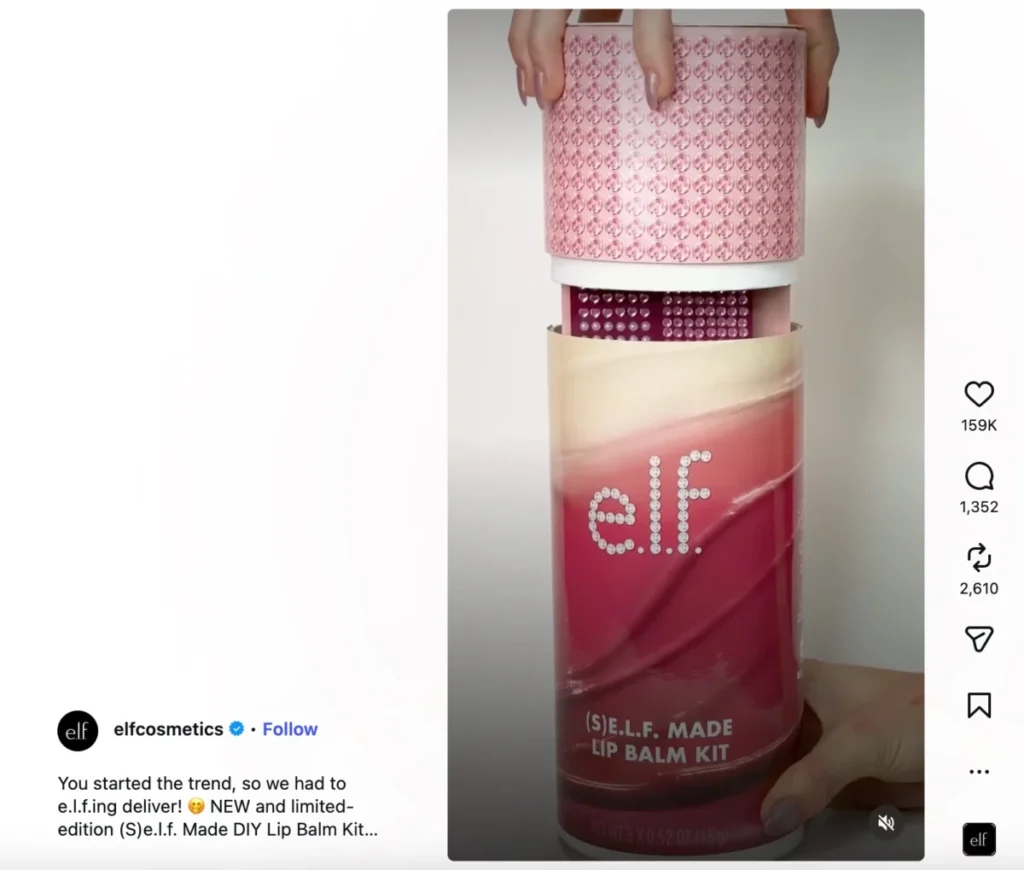
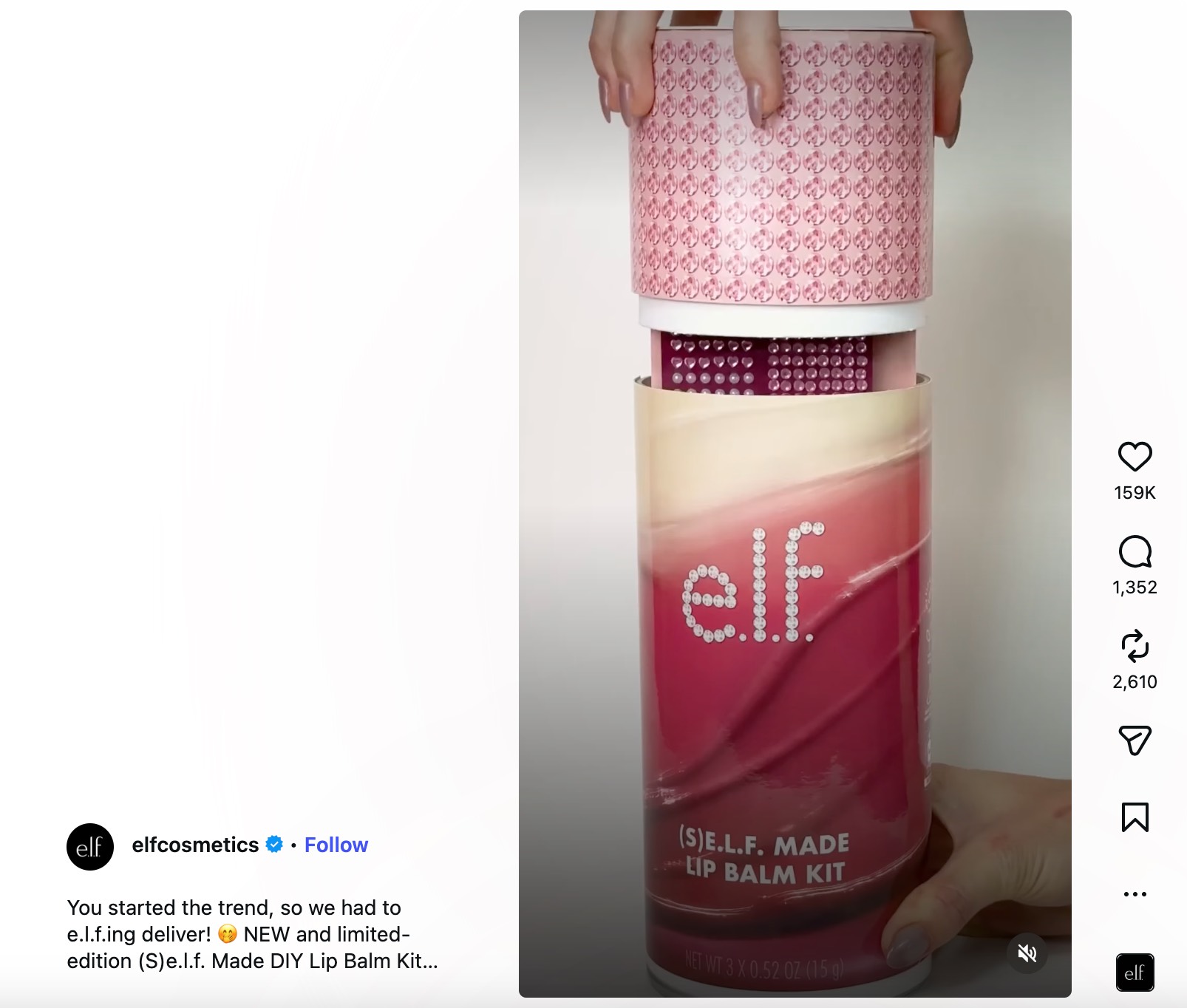
Enterprise listening strategies must extend far beyond tagged mentions and brand-managed comment sections. Unfiltered consumer discourse frequently unfolds organically within independent digital spaces, including Reddit subreddits, creator comment sections, and broad category-level debates. Advanced social listening and media intelligence tools enable organizations to surface emerging product complaints, shifting cultural vocabularies, and novel consumer use cases weeks or months before they manifest in formal focus groups. For instance, cosmetic enterprises have historically leveraged social intelligence to identify grassroots DIY beauty trends, rapidly transitioning public behavior into commercially viable product lines without waiting for traditional market research pipelines. -
Translating Unprompted Feedback into Product Innovation
Public conversations are routinely saturated with consumer product hacks, architectural complaints, and feature requests. By establishing formalized data pipelines from social care teams directly into Research and Development and product innovation departments, enterprises can convert everyday digital chatter into actionable R&D inputs. Major food and beverage brands have successfully utilized social intelligence platforms to monitor consumer recipe experimentation across multiple social networks, leveraging that organic demand as quantitative validation for new product launches. -
Institutionalizing Public Accountability
Modern consumers place a premium on radical transparency. When recurring consumer grievances ultimately lead to structural product improvements or service enhancements, organizations must publicly acknowledge the feedback loop. Acknowledging operational missteps and explicitly detailing corrective measures provides definitive proof to the original complainant and observers alike that the corporate entity is genuinely responsive to public critique. This public accountability establishes a resilient evidentiary foundation of brand credibility. -
Elevating Digital Customer Service Standards
Because social media platforms have effectively doubled as primary customer service channels, support interactions frequently occur in the public square. Rapid, highly personalized resolution of customer grievances reinforces existing brand relationships, whereas generic or protracted responses actively encourage consumer defection. Integrating social messaging streams directly into centralized enterprise CRM databases—such as Salesforce integrations—ensures that customer support agents possess holistic historical context without necessitating navigation across disconnected software silos.
-
Diversifying Influencer and Creator Collaborations
The efficacy of traditional influencer marketing has undergone significant structural transformation. Modern audiences display drastically higher trust in everyday users and niche micro-influencers compared to mega-influencers with massive, generalized reach. Industry data indicates that a significant majority of consumers have completed a purchase based on a peer or micro-influencer recommendation within a single calendar year. By partnering with brand-safe, hyper-relevant creators who possess established community credibility, organizations can secure broad visibility without compromising audience trust. -
Empowering Frontline and Employee Advocacy
Employees represent an underutilized avenue for humanizing enterprise operations. Employee-generated content consistently outperforms traditional corporate messaging in terms of perceived authenticity, offering audiences a granular window into the internal expertise, culture, and operational ethics of the organization. Structured employee advocacy programs provide staff with approved content frameworks while retaining individual personal perspectives, thereby fostering organic familiarity and trust.
Measuring and Sustaining Brand Loyalty in a Volatile Marketplace
Because brand loyalty encompasses both psychological disposition and observable action, relying on a single Key Performance Indicator (KPI) is insufficient. Effective brand health tracking requires a dual-track analytical model that juxtaposes historical behavioral metrics against real-time attitudinal sentiment.
Past behavioral indicators—such as repeat purchase rates, customer retention figures, and historical sales volumes—offer reliable lagging data regarding past consumer choices. However, they are inherently incapable of predicting future volatility. Conversely, current sentiment analysis and share-of-voice metrics provide leading indicators of emerging brand vulnerability or momentum. The highest-fidelity insights emerge when these datasets are synthesized: a marginal dip in repeat purchases carries profound strategic urgency when simultaneously corroborated by surging negative sentiment regarding pricing structures or customer service failures.
Ultimately, maintaining brand loyalty once established requires continuous vigilance against shifting consumer expectations and emerging trust liabilities. As generative artificial intelligence becomes ubiquitous in marketing operations, corporate transparency regarding synthetic media utilization will remain paramount. Unlabeled AI-generated influencers or automated content generation without explicit disclosure risk alienating significant segments of the consumer base.
Brand loyalty is neither a static corporate achievement nor a permanent destination; it is an ongoing commercial journey. Enterprises that survive and thrive in this fragmented digital era will be those that institutionalize real-time listening, embrace radical transparency, and relentlessly align their operational execution with the evolving needs of their customer base.