
The Historical Foundation of a Tragedy
To understand the weight of this exhibition, one must revisit the summer of 1955. Emmett Till, born in 1941, was a teenager from Chicago’s South Side who traveled to Money, Mississippi, to visit relatives. In a landscape defined by Jim Crow segregation and systemic racial terror, Till’s life was extinguished after he was accused of whistling at a white woman, Carolyn Bryant, in a grocery store. His subsequent abduction, brutal beating, and lynching at the hands of Roy Bryant and J.W. Milam transformed a private horror into a public reckoning.
The decision by his mother, Mamie Till-Mobley, to hold an open-casket funeral in Chicago—allowing the world to see the grotesque reality of the violence inflicted upon her son—shattered the veil of silence surrounding racial violence in the South. The acquittal of his killers by an all-white jury despite overwhelming evidence served as a stark indictment of the American legal system at the time, galvanizing a generation of activists.
A Chronology of Impact
The ripple effects of Till’s death were immediate and profound, creating a timeline of resistance that reshaped the American socio-political landscape:
- August 1955: Emmett Till is abducted and murdered in Mississippi.
- September 1955: The open-casket funeral in Chicago attracts tens of thousands, bringing international media attention to the realities of Southern racism.
- December 1955: Rosa Parks refuses to surrender her seat on a Montgomery bus. She later explicitly identified the memory of Till as a psychological factor in her decision to take a stand.
- 1956: Martin Luther King Jr., then a rising figure in the movement, begins leading rallies that incorporate the memory of Till into the fight for equality.
- 1957: Following intense national pressure, Congress passes the Civil Rights Act of 1957, the first federal civil rights legislation since Reconstruction, primarily focused on protecting voting rights.
The Exhibition as a Speculative Archive
The exhibition at the Museum of Contemporary Photography does not attempt to "re-enact" Till’s life in a biographical sense, but rather uses the medium of photography to map the experiences he might have shared with millions of other Black men in America. By assembling images that span decades—from the mid-20th century to the contemporary era—curator Sarah Lewis has created a visual tapestry of American life.
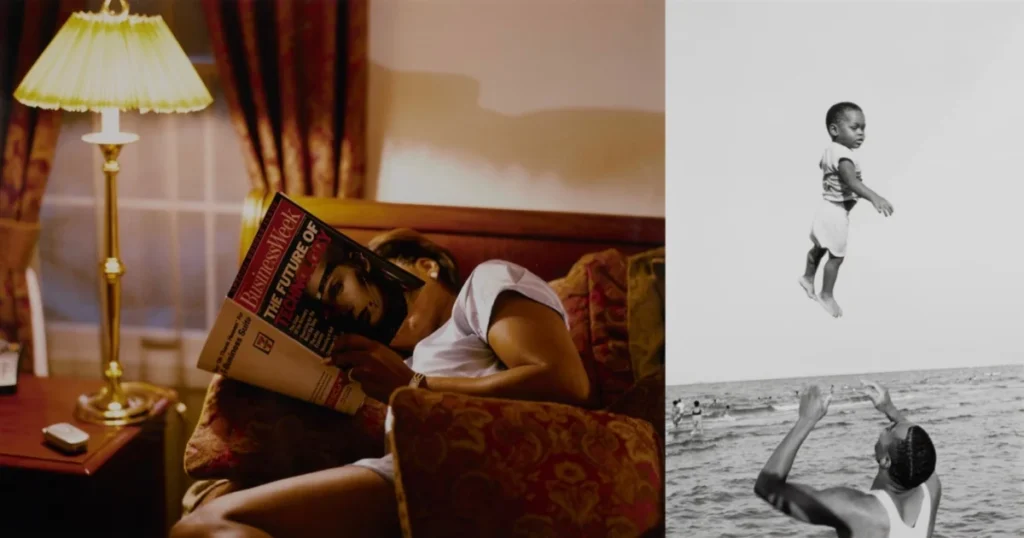
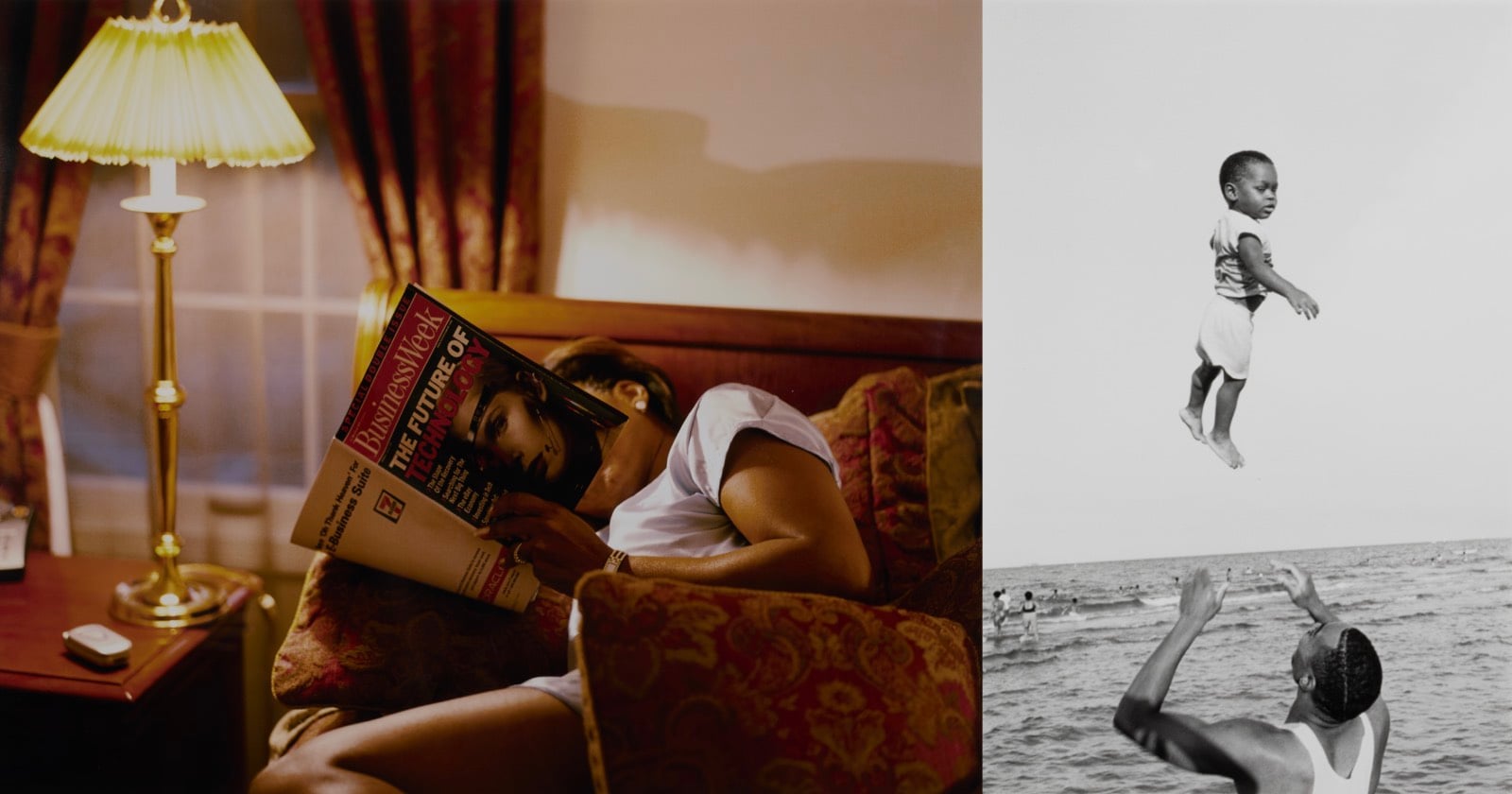
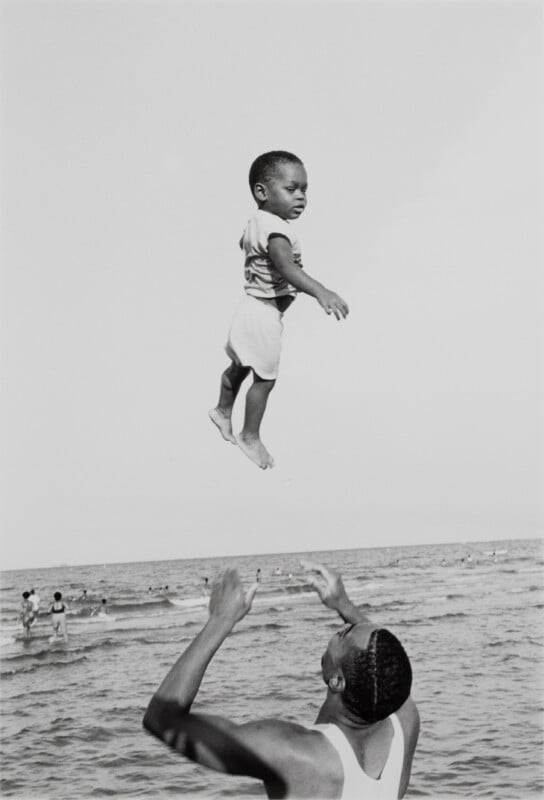
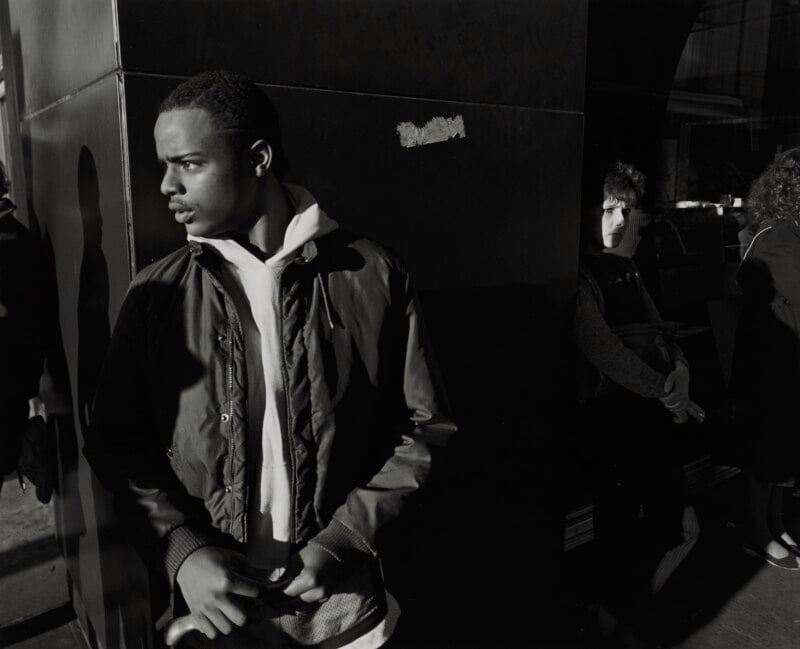
The collection features works by renowned photographers including Gordon Parks, Dawoud Bey, Dorothea Lange, and Henri Cartier-Bresson. These photographs are categorized into thematic threads: the movement of people via railroads, the quiet domesticity of suburban life, the milestones of fatherhood, and the seismic shifts in American politics, such as the election of Barack Obama.
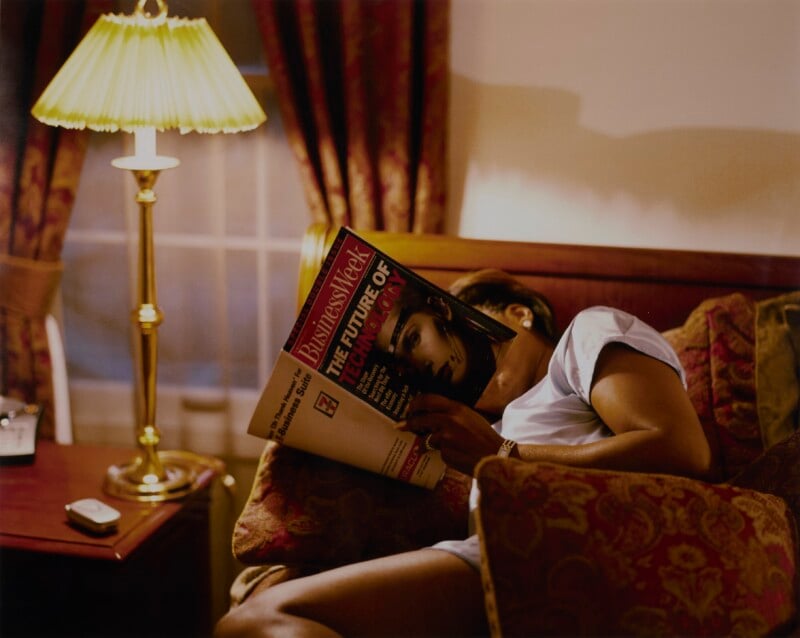
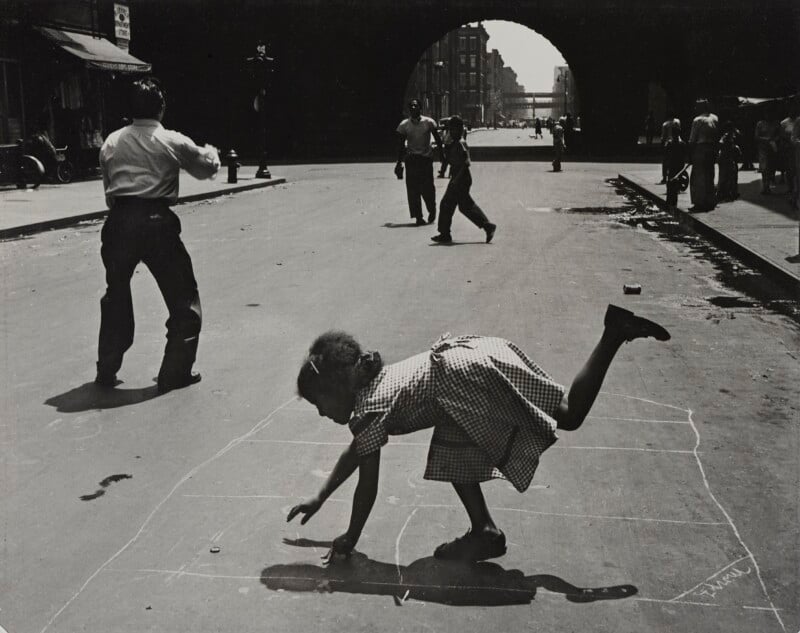
In one sequence, the viewer encounters images of children playing on city streets, evoking a sense of childhood innocence that Till was never permitted to outgrow. Other photographs capture the intimacy of marriage and the responsibilities of parenting, inviting the audience to imagine Till as a husband or a grandfather. By placing these images in conversation, the exhibition transforms the museum space into a "counter-factual" history, where the subject is not a victim of history, but a participant in it.
Curatorial Intent and Broader Implications
Sarah Lewis, in her official statement regarding the exhibition, frames the project as a necessary confrontation with the past. "Why create this show and publication now?" Lewis asks. "Because more than seventy years after Emmett Till’s death, we are still asking, have we made good on the sacrifice of his life? We should not have to ask this question."
The curator emphasizes that the project is not just a commemorative exercise; it is an interrogation of the concept of belonging in America. The title, Freedom on American Ground, underscores the spatial politics of the era. If Till had lived, his life would have been defined by the struggle to claim the right to stand on American soil without fear. The exhibition posits that the "untaken journey" of Emmett Till is, in fact, the journey of every Black person who has navigated the promise and the exclusion of the American dream.
Data and Social Context
The implications of the exhibition extend beyond art historical analysis. The systemic issues that facilitated Till’s murder—vigilante violence, judicial bias, and the normalization of racial inequality—remain subjects of intense public discourse. Statistics from the Equal Justice Initiative indicate that between 1877 and 1950, more than 4,000 Black people were lynched in the United States, yet the specific case of Emmett Till remains the most recognizable due to the visual documentation of the crime.
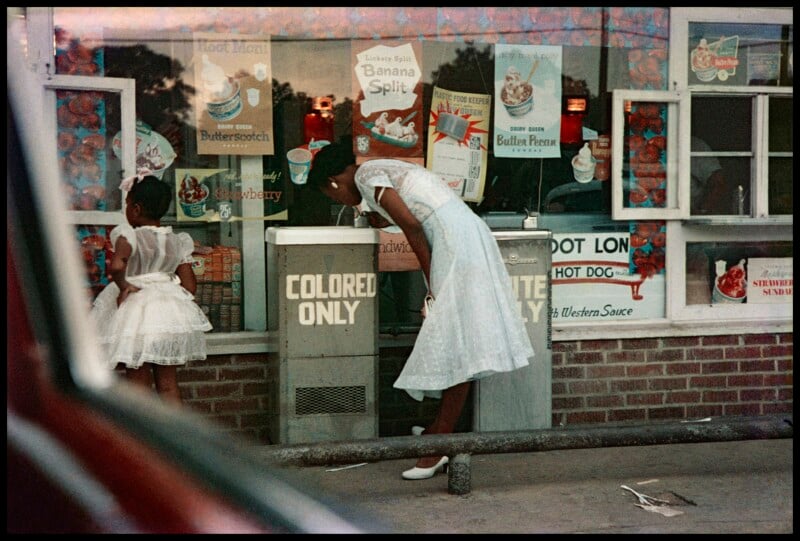
By juxtaposing these archival images with contemporary perspectives, the exhibition forces a dialogue between the past and the present. It highlights the evolution of the Black experience, from the era of the "Colored Only" water fountains—captured in the poignant work of Gordon Parks—to the historic moment of Barack Obama’s presidency. This visual progression serves as a testament to the resilience of a community that continued to build families, careers, and political movements despite the foundational trauma of the 1950s.
The Power of Photography in Memory
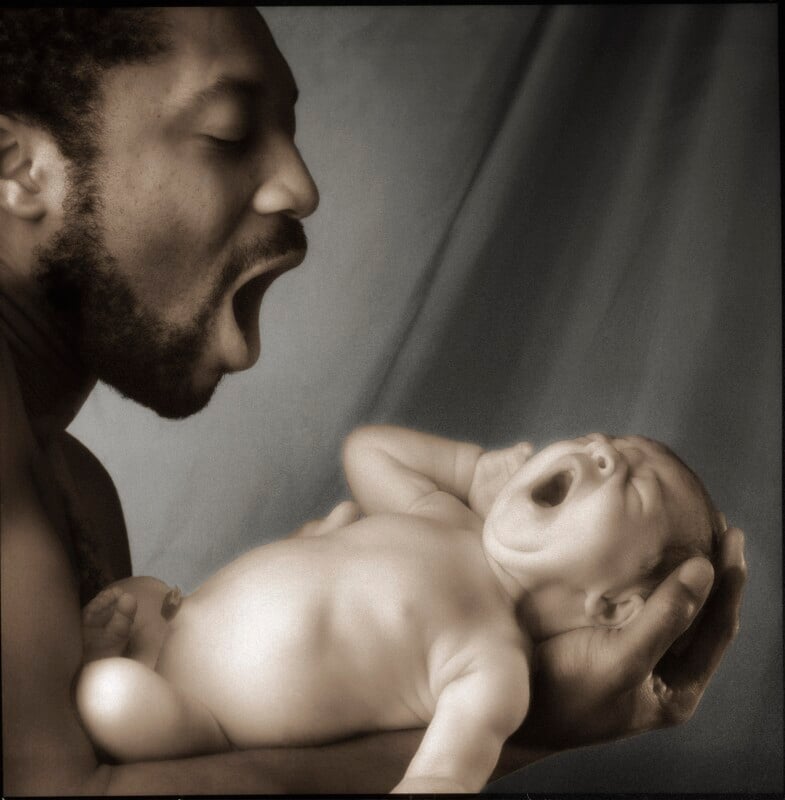
The inclusion of varied photographic styles—from the crisp, documentary-style gelatin silver prints of the 1950s to the modern, saturated inkjet prints of the 2000s—mirrors the passage of time. Each photograph acts as a proxy for the experiences Till missed. When a visitor looks at a portrait of a man holding his newborn child, the image functions as a surrogate for the fatherhood Till never knew. When they view an image of a bustling city, they are looking at the professional and social world Till might have inhabited.
This approach effectively humanizes the statistic. While textbooks often reduce Till to a photograph of his disfigured face, this exhibition restores his humanity by surrounding him with the ordinary, beautiful, and complex fabric of life. It asks the viewer to consider the loss of potential: the inventions, the friendships, the contributions, and the simple, quiet joys that were extinguished in a Mississippi riverbed in 1955.
Conclusion: A Creative Monument
If Emmett Till Lived is an exercise in empathy and an indictment of the status quo. It functions as a creative monument, acknowledging that while we cannot change the past, we can consciously curate our relationship to it. By refusing to let Till remain a static image of suffering, the Museum of Contemporary Photography invites us to see him as an ancestor of the modern American experience—one whose life, though cut short, continues to demand a more equitable and just society.
As the exhibition continues its run through the end of 2026, it stands as a significant cultural event that challenges visitors to consider the value of a single life. In the words of the curator, this work "claims the ground of Till’s untaken journey," ensuring that his name remains synonymous not just with the tragedy of the past, but with the ongoing pursuit of freedom on American ground. For those seeking to engage with the deep intersections of art, history, and social justice, this exhibition offers a necessary and sobering reflection on the cost of progress and the enduring weight of history.