
For over 15 years, the Smashing Magazine monthly wallpaper series has served as a digital gallery for the global design community, providing a platform where professional aesthetics meet personal creative exploration. The initiative, which began as a small experimental project, has evolved into a highly anticipated monthly event. By removing the traditional constraints of client briefs, stakeholder feedback, and commercial KPIs, the series encourages designers from across the globe to delve into subjective storytelling through digital art. The September collection represents a significant cultural intersection, as it captures the global transition from the vitality of summer to the introspective, atmospheric nature of autumn.
Historical Context and Evolution of the Series
The project originated in the mid-2000s, a period when desktop personalization was at its peak in internet culture. As screen resolutions evolved and the demand for high-definition digital aesthetics grew, the platform transitioned into a structured, community-led initiative. To date, thousands of independent artists, design agencies, and illustrators from countries as diverse as Serbia, India, Spain, Mexico, and Canada have contributed to the archive. The process is entirely voluntary and open-source, with the community providing high-resolution imagery at no cost to the end user. This structure highlights a shift in digital design trends: from corporate-mandated branding to a more human-centric, artisanal approach to workspace digital environments.
The September 2026 Artistic Narrative
The current collection is defined by a distinct "seasonal pivot." Analyzing the thematic contributions, it is clear that artists are utilizing the change in light and temperature as a primary visual catalyst.
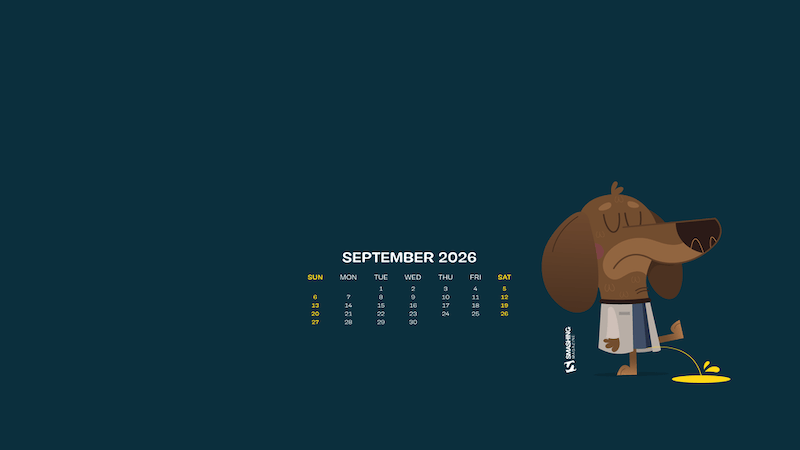
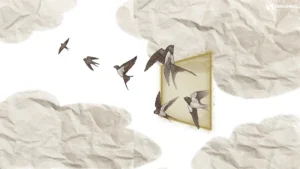
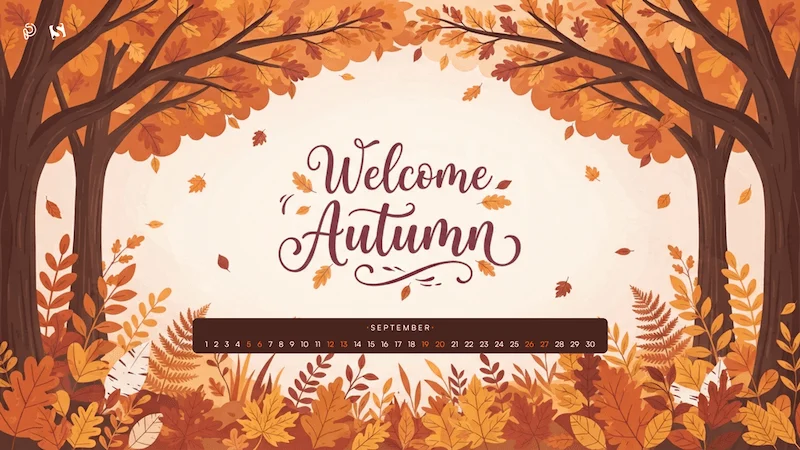
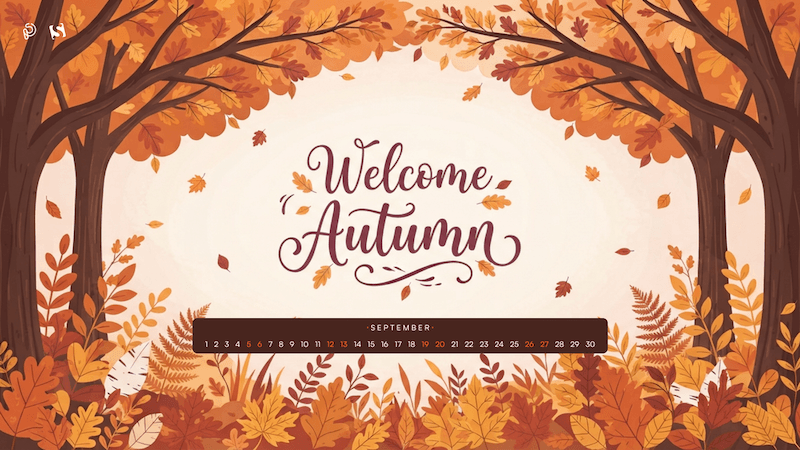
PopArt Studio, based in Serbia, provided multiple contributions that emphasize this transition. Their "Welcome Autumn" design utilizes a warm palette—amber, rust, and burgundy—to mirror the physical transformation of the woodland canopy. This represents a broader trend in seasonal design: the use of "cozy" architectural framing to create a psychological sense of security in the workspace. Conversely, other contributors, such as Vicki Grunewald and Kat Gluszek, focused on "residual summer," employing lighter, more vibrant color theory to bridge the gap between the end of August and the arrival of the equinox. This indicates that artists are not merely responding to calendar dates, but to the emotional friction caused by changing seasons.
Categorizing the Design Trends
The diversity of the submissions can be grouped into three primary stylistic categories:
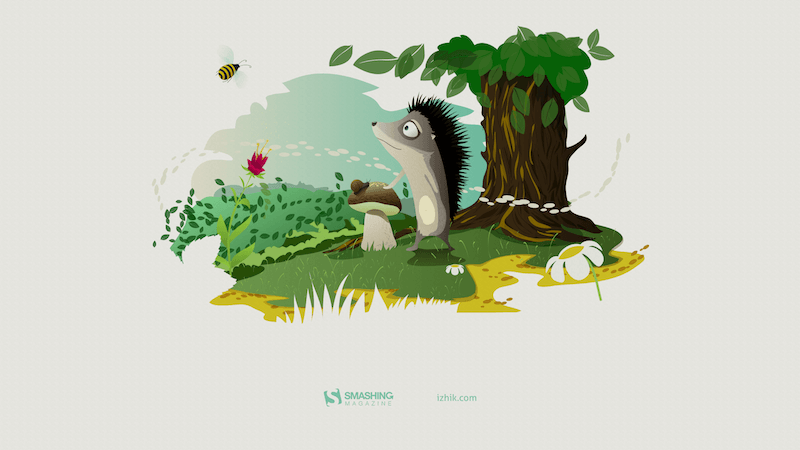
- Environmental Reflection: Works like those from PopArt Studio and Igor Izhik (who highlighted the seasonal shift through the growth of fungi) prioritize naturalism. These pieces act as a "biophilic" interface, bringing elements of the outdoors into the sterile environment of a computer screen.
- Cultural and Regional Identity: This category includes works that celebrate specific national milestones. Maria Keller’s "Lucha Libre" piece, created to honor Mexico’s Independence Day, and The Hannon Group’s tribute to the Maryland blue crab industry, serve as visual documentation of regional heritage. These contributions illustrate how digital assets can be used to ground a globalized internet user in their local culture.
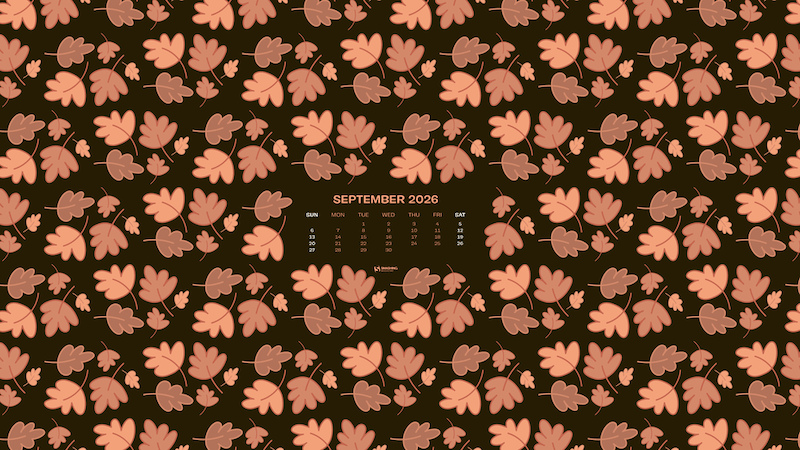
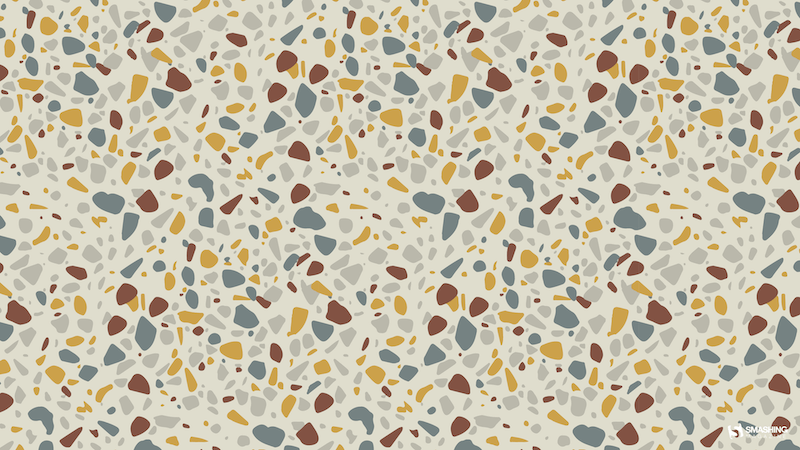
- Surrealism and Abstraction: Artists like Ricardo Gimenes and Melissa Bogemans utilize geometric patterns and abstract shapes, such as the terrazzo pattern, to provide a clean, non-distracting workspace environment. These designs are increasingly preferred by corporate professionals who require high-contrast, low-distraction backgrounds to maintain productivity.
Data-Driven Insights on Desktop Personalization
While the project is inherently creative, it sits at the intersection of UX/UI design. Studies on workspace personalization suggest that users who engage with customizable environments report higher levels of psychological ownership over their digital workspace. The accessibility of these wallpapers—available in multiple resolutions for everything from ultra-wide monitors to mobile devices—addresses the fragmentation of current hardware standards. By allowing the community to dictate the visual direction of the series, the platform maintains a consistent engagement rate that has outperformed more static, corporate-provided stock photography collections for over a decade.
Official Statements and Community Impact
The contributors have noted that the lack of "stakeholder requirements" is the primary driver for participation. In an era where creative professionals are often tasked with producing content for search engine optimization or aggressive marketing funnels, this initiative offers a rare "creative sandbox."
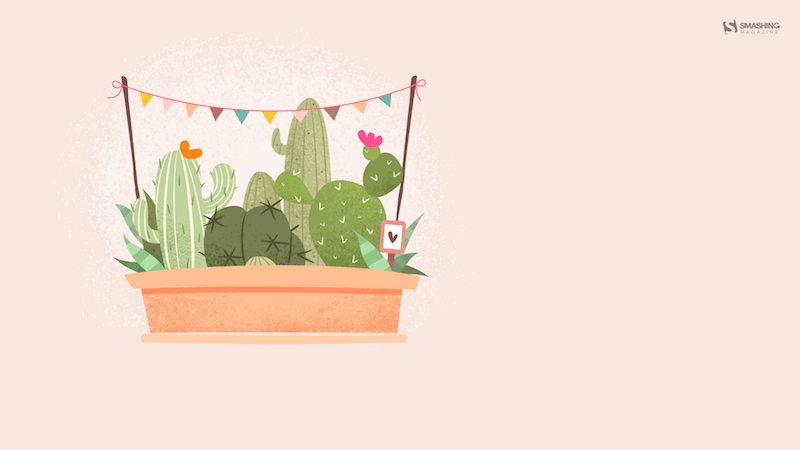
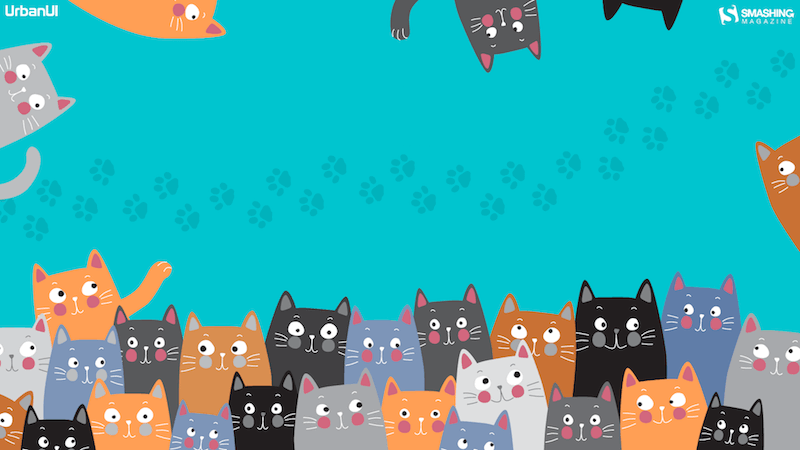
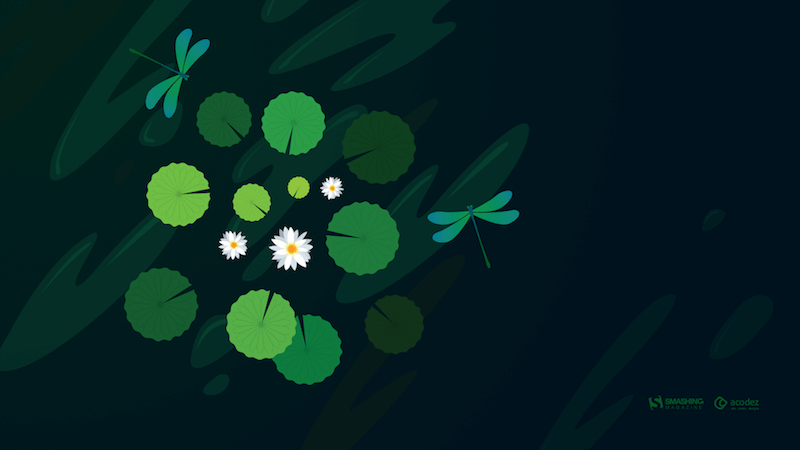
As noted by contributors like UrbanUI (India) and Teodora Vasileva (Bulgaria), the motivation is often to provide a moment of respite for the viewer. Their contributions, ranging from whimsical illustrations of cats to moody, rainy florals, are designed to influence the "mood" of the user’s work environment. This psychological element is an intentional design choice; by rotating wallpapers monthly, users are encouraged to maintain a fresh, updated perspective, effectively resetting their visual workspace in tandem with the calendar.
The Role of Digital Infrastructure in Art
The logistical success of the series relies on a robust digital infrastructure. The transition from simple JPEG files to high-density, multi-resolution assets reflects the technical evolution of the web. The platform’s ability to host and distribute these assets without paywalls or tracking—fostering an environment that prioritizes the artist’s profile and portfolio—has created a symbiotic relationship. Designers gain exposure to a global audience, while the platform maintains a consistent stream of high-quality, original content. This model has been cited in design forums as a "best practice" for maintaining community-driven engagement without resorting to aggressive monetization.

Broader Implications and Future Outlook
As we look toward the final quarter of the year, the "September on Repeat" or "Early Autumn" themes suggest a move toward more reflective content. The shift from the high-energy, vacation-themed wallpapers of the summer months to the grounded, earthy, and sometimes melancholic themes of September signifies a wider cultural recognition of the "back-to-school" and "fiscal year-end" pressures that often accompany this time of year.
The ongoing, open-call nature of the submission process ensures that the collection remains current. With the October collection already in development, the project continues to serve as a bellwether for the international design community’s interests. Whether it is the celebration of niche cultural events like "National Video Games Day" or the quiet observation of changing weather patterns, the series remains an essential archive of early 21st-century digital aesthetic trends.

Conclusion: Joining the Movement
For emerging designers and seasoned professionals alike, the opportunity to be featured in upcoming collections remains a significant milestone. The process for inclusion is straightforward: designers are invited to submit original, high-resolution works that capture the essence of the following month. By maintaining a low barrier to entry, the initiative ensures that the collection is not monopolized by a few elite agencies, but instead represents a true cross-section of global talent. As the digital landscape continues to evolve, initiatives like this provide a necessary human element, reminding us that even in a world of code and data, there is always room for the artistry of a changing season. Those interested in participating in the October cycle are encouraged to finalize their submissions by the end of the month, contributing their own unique perspective to this ongoing, living archive of global digital creativity.