
Tag: free

  • Cavalry Is Now Free Motion Design Software for Individuals

    Cavalry Is Now Free Motion Design Software for Individuals

    Sydney, Australia / London, UK – April 16, 2026 – Cavalry, the advanced node-based motion design software, has transitioned to a free-for-individuals model following its strategic acquisition by the global visual communication platform, Canva. This move, which positions Cavalry directly against traditionally subscription-based professional animation tools, signifies a major shift in the creative software landscape, offering professional-grade capabilities to a broader audience without upfront cost. The announcement has been met with significant interest within the design and animation communities, as it lowers the barrier to entry for sophisticated motion graphics creation on both Mac and Windows operating systems.

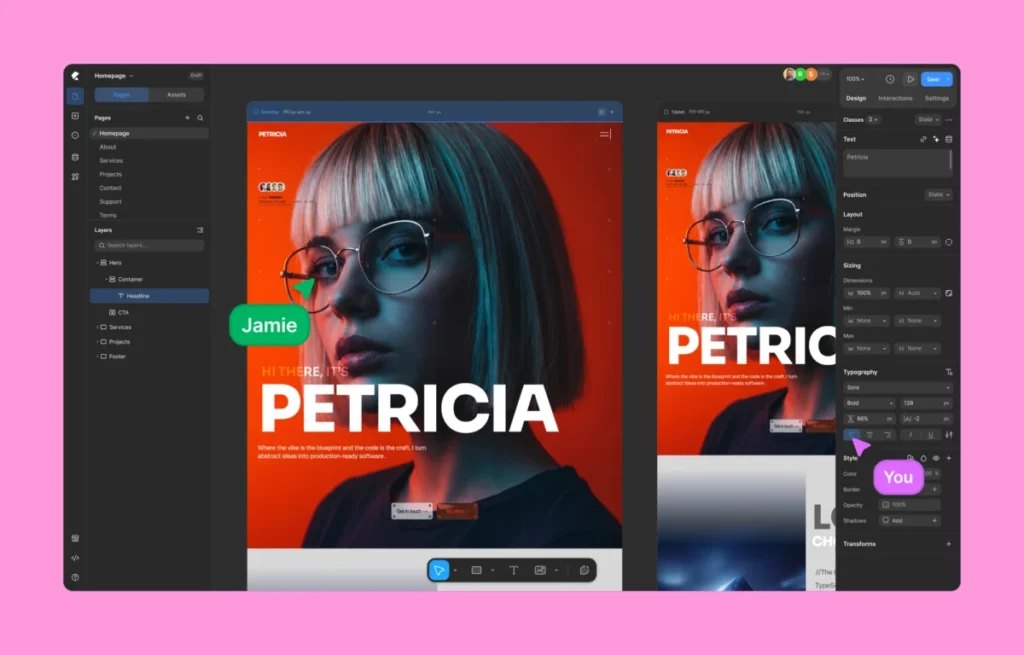
    Previously offered under a paid subscription model, Cavalry’s new accessibility for individual users echoes the "Figma model," where a robust core product is provided free of charge, while enterprise-level features and support remain under a paid plan. This strategic pivot, implemented after Canva’s undisclosed acquisition of the London-based studio behind Cavalry, aims to democratize access to advanced animation tools, aligning with Canva’s overarching mission to empower global creativity. The software’s distinctive interface, characterized by a deep electric violet (#5B3FF0) theme accented by an acid yellow "Download for free" button, subtly but firmly reinforces its free-to-use status, visually differentiating it from competitors.

    The Strategic Acquisition and Canva’s Expanding Ecosystem

    While the exact timeline and financial terms of the acquisition remain undisclosed, it is understood that Canva finalized the deal prior to this public announcement. This move is a clear indication of Canva’s aggressive expansion beyond its core graphic design offerings into more specialized, professional creative domains. Canva, founded in 2013, has grown into a multi-billion-dollar enterprise by simplifying design for millions of users worldwide, from casual creators to small businesses. Its success lies in intuitive interfaces, extensive template libraries, and a freemium business model. The acquisition of Cavalry marks a significant step into the professional motion graphics arena, an industry projected to reach a market size exceeding $60 billion by the end of the decade, driven by the insatiable demand for dynamic visual content across digital platforms.

    Canva’s strategy appears to be multifaceted: first, to attract a new segment of professional motion designers who might otherwise gravitate towards established but often more expensive solutions; second, to integrate advanced animation capabilities into its broader ecosystem, potentially allowing for more sophisticated motion elements within Canva’s own platform in the future; and third, to acquire cutting-edge technology and talent. This aligns with Canva’s history of strategic acquisitions, such as that of Zeetings in 2018 for interactive presentations and Affinity by Serif in 2024, broadening its suite of professional design tools.

    Cavalry Is Now Free Motion Design Software for Individuals

    Cavalry’s Distinctive Node-Based Workflow and Real-Time Rendering

    Cavalry stands out in the crowded motion design software market primarily due to its node-based workflow and real-time rendering capabilities. Unlike traditional layer-based animation software, where elements are stacked in a timeline, a node-based system represents each operation—such as shape creation, transformation, or effect application—as a distinct "node." These nodes are then connected in a visual graph, allowing for highly non-destructive, flexible, and complex animation setups. This approach is particularly advantageous for procedural animation, data visualization, and managing intricate systems, as demonstrated by community work featured on Cavalry’s platform, including @studiofeixen’s parametric type animation and @marsio.bellizzi’s layered circuit composition. Esteemed design studios like Buck, Pentagram, and Studio Dumbar have been listed among its trusted users, underscoring its professional credibility even before its free release.

    The real-time rendering engine is another critical differentiator. In conventional animation workflows, designers often have to wait for renders to preview complex animations, a process that can be time-consuming and disruptive to the creative flow. Cavalry’s real-time rendering allows designers to see immediate feedback on their changes, significantly accelerating the iteration process and fostering a more fluid creative environment. This efficiency gain is particularly valuable in fast-paced production environments where deadlines are tight.

    Key Features Empowering Modern Motion Design

    Beyond its core architecture, Cavalry boasts a robust feature set that caters to a wide range of motion design needs:

    • Rig Control for Character Animation: This feature provides advanced tools for rigging and animating characters, allowing for expressive and complex movements crucial for storytelling and branding.
    • Rubber Hose for Organic Movement: Rubber Hose is a procedural rigging system that simplifies the creation of bendy, organic, and squash-and-stretch animations, traditionally a labor-intensive process. This makes animating limbs, tentacles, or other flexible elements far more intuitive.
    • Data Import from CSV or JSON: In an increasingly data-driven world, the ability to import data directly from formats like CSV or JSON is invaluable. This allows designers to create dynamic motion graphics where elements are driven by external data, perfect for infographics, data visualizations, and automated content generation for apps or websites.
    • Lottie Export for Web and Mobile Delivery: Perhaps the most significant "practical unlock" for many individual creators is the integrated Lottie Export functionality. Lottie is an open-source animation file format that enables designers to ship animations on web and mobile platforms without the need for complex code. By exporting directly to Lottie, Cavalry users can create lightweight, scalable, and interactive animations that integrate seamlessly into digital products. This eliminates the need for re-rendering passes, saving time and ensuring high-fidelity animation delivery at zero additional cost to the individual, directly streamlining the production pipeline for web developers and app designers. The adoption of Lottie has surged in recent years, with major platforms and applications leveraging it for everything from loading animations to interactive UI elements due to its performance benefits and ease of implementation.

    Implications for the Creative Industry and Community Reactions

    Cavalry Is Now Free Motion Design Software for Individuals

    The decision to make Cavalry free for individuals carries profound implications for the creative industry. For aspiring motion designers, students, and freelancers, the cost barrier to entry for professional-grade tools has significantly decreased. This could lead to an explosion of new talent entering the field, fostering greater innovation and diversity in motion graphics. It also provides a powerful alternative to Adobe After Effects, which, despite its dominance, comes with a recurring subscription cost that can be prohibitive for many. While After Effects offers deep integration with the Adobe Creative Cloud ecosystem, Cavalry’s free model and unique workflow present a compelling proposition for those seeking alternatives.

    Initial reactions from the design community have been largely positive, albeit with some measured optimism. Many express excitement over gaining access to a powerful tool without financial commitment, highlighting the potential for experimentation and skill development. There is an expectation that Canva’s backing will ensure continued development and support for Cavalry, potentially even accelerating its feature roadmap. Some industry veterans, while welcoming the accessibility, are keenly observing how Cavalry will integrate into Canva’s broader vision and whether the free individual plan will maintain its feature parity with a potentially more robust paid enterprise version. Concerns often revolve around the long-term sustainability of such models and the potential for a "walled garden" approach if integration becomes too tight with the parent company’s ecosystem.

    For Canva, this move solidifies its position as a comprehensive creative powerhouse, challenging established players like Adobe across multiple verticals. By offering a free, professional-grade motion design tool, Canva is not just expanding its product portfolio; it is actively shaping the future of creative software accessibility and potentially disrupting traditional business models in the design industry. This aligns with a broader trend in software development where powerful tools are increasingly becoming available for free or at a significantly reduced cost, relying on network effects, enterprise licensing, or complementary services for revenue generation.

    The Future Outlook

    The acquisition of Cavalry by Canva and its subsequent shift to a freemium model represents a significant milestone in the evolution of creative software. It underscores the growing importance of motion graphics in digital communication and Canva’s ambition to be at the forefront of this trend. As individual creators embrace Cavalry’s node-based power and real-time capabilities, the landscape of motion design is set to become more dynamic, accessible, and innovative. The challenge for Cavalry and Canva will be to maintain a strong community, continuously evolve the software, and effectively balance the free individual offering with a compelling enterprise solution to ensure long-term viability and impact in a competitive market. The design world will undoubtedly be watching closely to see how this strategic move reshapes the tools and workflows of the next generation of animators and motion graphic artists.

  • Cal Sans UI Free Font: A Variable Typeface with GEOM Axis

    Cal Sans UI Free Font: A Variable Typeface with GEOM Axis

    The digital design and open-source communities are abuzz with the release of Cal Sans UI, a groundbreaking variable typeface commissioned by Cal.com, the rapidly expanding open-source scheduling platform. Developed by Mark Davis of WORDMARK, this new font family is more than just another user interface (UI) typeface; it represents a significant stride in typographic flexibility and integration, offering designers unprecedented control over stylistic expression through its unique GEOM axis. Released under the permissive SIL Open Font License, Cal Sans UI is immediately available for both personal and commercial projects, signaling Cal.com’s deep commitment to contributing high-quality design assets back to the global open-source ecosystem.

    A New Paradigm in Typographic Flexibility: The GEOM Axis

    At the core of Cal Sans UI’s innovation is its custom GEOM axis, which allows for a continuous interpolation between distinctly humanist and strictly geometric letterforms. Ranging from 0 to 100, this axis transforms the very character of the typeface. At GEOM 0, the letterforms exhibit organic, flowing humanist curves, reminiscent of traditional calligraphic influences and prioritizing natural readability. As the axis slides towards GEOM 100, these same letters progressively resolve into precise, angular, and highly structured geometric proportions, embodying a modern, technical aesthetic. This dynamic capability provides designers with a powerful tool to fine-tune the visual tone of their interfaces, brand identities, and textual content, from warm and inviting to sharp and contemporary, all within a single font file.

    The commissioning of Cal Sans UI by Cal.com underscores the increasing importance of bespoke typography in establishing strong brand identity and enhancing user experience, particularly for platforms deeply embedded in the digital realm. Cal.com, with over 50,000 GitHub stars, has cultivated a robust community of developers and users who value efficiency, customization, and open collaboration. The decision to invest in a custom variable typeface reflects a strategic understanding of how visual consistency and aesthetic nuance contribute to a superior product experience.

    The Genesis of Cal Sans UI: Cal.com’s Vision and WORDMARK’s Expertise

    Cal.com’s journey began as an ambitious open-source project aimed at democratizing scheduling and appointment management. Its rapid ascent to prominence, evidenced by its substantial GitHub star count, speaks volumes about its utility, flexibility, and the power of community-driven development. As the platform matured and its user base diversified, the need for a distinctive and highly functional visual language became apparent. A generic UI typeface, while functional, could not fully encapsulate Cal.com’s ethos of innovation, precision, and user-centric design.

    This led Cal.com to collaborate with Mark Davis, a renowned typographer, and his practice, WORDMARK. Davis’s reputation for crafting typefaces that blend aesthetic appeal with rigorous technical execution made him an ideal partner for this ambitious project. The brief was clear: to create a typeface that was not only optimized for digital interfaces but also possessed a unique expressive range, reflecting the dynamic nature of Cal.com itself. The result, Cal Sans UI, stands as a testament to this collaborative vision, marrying cutting-edge variable font technology with a deep understanding of typographic principles.

    Technical Architecture: Families, Weights, and Seamless Integration

    Cal Sans UI ships not as a singular entity, but as three distinct yet harmonized families: Cal Sans UI, Cal Sans UI Text, and Cal Sans UI Geo. Each family maintains a consistent weight axis, spanning from Light to Bold, offering a comprehensive range for hierarchical typography. This tripartite structure allows for nuanced application:

    Cal Sans UI Free Font: A Variable Typeface with GEOM Axis
    • Cal Sans UI: Likely the default for interactive elements, buttons, and short labels, optimized for quick readability in interface contexts.
    • Cal Sans UI Text: Tailored for longer passages of text, where sustained readability and comfortable reading rhythm are paramount. It might feature slightly different proportions or optical corrections to enhance legibility at smaller sizes and in continuous blocks of copy.
    • Cal Sans UI Geo: Potentially designed for display purposes, headlines, or specific brand elements where the geometric character is emphasized, allowing for a stronger, more assertive visual statement.

    This thoughtful segmentation ensures that designers have the right tool for every typographic challenge within an interface, without compromising the overall aesthetic unity.

    A critical aspect of Cal Sans UI’s design is its optimization for modern digital interfaces. It has been meticulously crafted for optimal rendering at 14–15 pixels on high-density screens, a common benchmark for UI elements across contemporary operating systems and web applications. This optimization ensures crisp, clear letterforms, mitigating issues like pixelation or blurriness that can plague poorly designed fonts on high-resolution displays.

    Furthermore, the typeface boasts vertical metrics that align seamlessly with industry-standard UI fonts such as Inter, Geist, and Roboto. This seemingly technical detail holds immense practical significance for developers and designers. It means that integrating Cal Sans UI into an existing codebase or design system often requires no layout adjustments. Fonts with misaligned vertical metrics can cause text to jump, reflow, or require manual padding adjustments, leading to frustrating inconsistencies and increased development overhead. By adhering to established standards, Cal Sans UI significantly reduces friction in the implementation process, making it an attractive option for projects seeking to upgrade their typography without extensive re-engineering.

    The typeface further demonstrates its robustness with support for over 100 languages. This extensive glyph coverage is crucial for global platforms like Cal.com, which cater to a diverse international user base. Implementing a font that handles a wide array of scripts, diacritics, and special characters natively ensures consistent visual presentation and avoids the need for fallback fonts, which can disrupt the user experience and brand continuity.

    The Rise of Variable Fonts and Their Impact on Design

    The advent of variable font technology, formalized with the OpenType 1.8 specification in 2016, marked a pivotal moment in digital typography. Prior to variable fonts, designers relied on static font files, with each weight, width, and style requiring a separate file. This often led to bloated web pages, limited design flexibility, and complex font management. Variable fonts consolidate multiple styles into a single, highly efficient font file, allowing for infinite interpolation along defined axes (like weight, width, slant, and in Cal Sans UI’s case, GEOM).

    The benefits of variable fonts are manifold:

    1. Reduced File Sizes: A single variable font file can replace numerous static files, significantly reducing bandwidth consumption and improving page load times.
    2. Enhanced Design Flexibility: Designers gain unparalleled control, allowing them to fine-tune typography with extreme precision to match specific branding requirements, screen sizes, or user preferences.
    3. Responsive Typography: Variable fonts enable text to adapt dynamically to different screen dimensions and orientations, making responsive design more fluid and aesthetically pleasing.
    4. Creative Possibilities: The ability to animate font axes opens up new avenues for interactive and engaging user interfaces.
    5. Improved Accessibility: Variable fonts can be leveraged to offer users more control over their reading experience, allowing for personalized adjustments to contrast, weight, or width that can aid readability for individuals with specific visual impairments.

    Cal Sans UI capitalizes on these advantages, particularly with its custom GEOM axis, which pushes the boundaries beyond standard variations. It offers a unique expressive range that goes beyond mere weight or width adjustments, enabling a deeper level of stylistic customization.

    Chronology of Development and Anticipated Milestones

    The journey of Cal Sans UI from concept to release is intertwined with Cal.com’s own growth trajectory. As Cal.com scaled its operations and user base, the strategic importance of a unique and adaptable brand identity became increasingly clear. The decision to commission a custom typeface likely emerged from internal discussions about enhancing user experience and solidifying brand presence in a competitive market.

    Cal Sans UI Free Font: A Variable Typeface with GEOM Axis

    While a precise timeline for the font’s development isn’t fully detailed, the process typically involves:

    1. Conceptualization and Briefing: Cal.com’s design team and leadership outlining their needs and vision to Mark Davis.
    2. Design and Iteration: Davis and WORDMARK developing initial sketches, glyphs, and proof-of-concept variable axes, followed by rounds of feedback and refinement.
    3. Technical Implementation: Building the variable font infrastructure, ensuring cross-platform compatibility and optimization for UI environments.
    4. Testing and QA: Rigorous testing across various devices, operating systems, and browsers to identify and rectify rendering issues.
    5. Documentation and Release: Preparing the font files, specimen site, and open-source licensing documentation for public release.

    Following its initial release on GitHub and npm, Cal Sans UI is poised for broader recognition. The article notes that Creative Boom has already heralded it as one of the best new typefaces of April 2026, a remarkable pre-emptive accolade that speaks to its innovative design and potential impact. This forward-looking recognition underscores the industry’s excitement for what Cal Sans UI brings to the table. Furthermore, submissions to major font platforms like Google Fonts and Adobe Fonts are pending. Inclusion in these widely used libraries would significantly amplify Cal Sans UI’s reach and accelerate its adoption among designers and developers globally, solidifying its position as a go-to resource for modern interface typography.

    Inferred Statements and Industry Reactions

    While direct quotes from Cal.com’s leadership or Mark Davis are not provided in the initial release, one can logically infer the sentiments surrounding such a significant launch.

    A spokesperson for Cal.com, perhaps its CEO or Head of Design, might articulate: "Cal Sans UI is more than just a font; it’s a manifestation of our core values. We believe in providing powerful, flexible, and open tools, and this typeface embodies that philosophy perfectly. Its unique GEOM axis allows us to express our brand’s adaptability, from precise functionality to human-centric design, and by releasing it under the SIL Open Font License, we’re empowering the entire design community to benefit from this innovation, further enriching the open-source ecosystem."

    From the perspective of Mark Davis, the principal designer at WORDMARK, the creative challenge would likely be highlighted: "Crafting Cal Sans UI, particularly the GEOM axis, was an incredibly rewarding journey. The goal was to bridge the perceived gap between the organic warmth of humanist forms and the stark efficiency of geometric design, offering a continuous spectrum. This allows designers to dial in the exact expressive quality they need, whether for a highly functional interface component or a brand-defining headline. We focused intensely on UI optimization and seamless integration, ensuring it not only looks exceptional but also performs flawlessly in demanding digital environments."

    Industry experts and the broader design community are likely to welcome Cal Sans UI with enthusiasm. Typography consultant, Sarah Jenkins, commenting on the significance of such releases, might observe: "The open-source design movement gains a substantial asset with Cal Sans UI. Its combination of a novel variable axis, meticulous UI optimization, and a permissive license makes it incredibly valuable. For designers, the GEOM axis is a genuine game-changer, offering a level of stylistic control previously unavailable in open-source fonts. For developers, the alignment with existing UI font metrics is a huge win for efficiency and consistency."

    Broader Impact and Implications

    The release of Cal Sans UI carries significant implications for the open-source design community, UI/UX practices, and the future of digital branding.

    1. Strengthening Open-Source Design: By offering a high-quality, professional-grade variable font under a free and open license, Cal.com sets a precedent and significantly enriches the open-source design toolkit. This encourages other projects and companies to contribute similarly, fostering a more robust and diverse ecosystem of free design resources. It demonstrates that open-source doesn’t mean compromising on design quality.

      Cal Sans UI Free Font: A Variable Typeface with GEOM Axis
    2. Elevating UI/UX Standards: Cal Sans UI pushes the boundaries of what’s expected from UI typefaces. Its GEOM axis encourages designers to think more deeply about the emotional and functional impact of letterforms. This nuanced control can lead to more expressive, accessible, and user-friendly interfaces across a multitude of applications. The focus on vertical metrics compatibility will also subtly influence best practices for future UI font development, promoting easier integration.

    3. Future of Dynamic Branding: The variable nature of Cal Sans UI, especially its GEOM axis, offers immense potential for dynamic branding. A brand could, for instance, subtly shift the geometricity of its typeface based on user interaction, screen size, or even time of day, creating a living, responsive visual identity that feels more engaging and contemporary. This allows for a consistent brand voice with adaptive visual expression.

    4. Accessibility Innovations: While not explicitly stated as an accessibility feature, the flexibility of a variable font can inherently support accessibility initiatives. Fine-tuning weight, width, or even the humanist-geometric balance can assist users with varying visual needs by optimizing readability for their specific conditions. This granular control moves beyond simple bold/regular options.

    5. Empowering Developers and Designers: The availability via GitHub and npm, coupled with easy integration due to standard vertical metrics, significantly empowers developers to adopt and customize the typeface with minimal effort. The interactive specimen microsite further enhances this by allowing real-time exploration, bridging the gap between design vision and technical implementation.

    Cal Sans UI is not merely a new typeface; it is a statement about the evolving landscape of digital design, the power of open collaboration, and the continuous pursuit of expressive and functional excellence in user interfaces. Its innovative approach to variable typography, combined with a commitment to the open-source ethos, positions it as a significant contribution that will likely shape how designers and developers approach visual communication for years to come.

    Availability and Exploration

    The Cal Sans UI free font is readily accessible through several channels, ensuring broad adoption and ease of integration for the global design and development communities. It can be downloaded directly from its official GitHub repository at https://github.com/calcom/sans-ui, providing transparent access to its source files and facilitating community contributions. For developers, the typeface is also available via npm as @calcom/cal-sans-ui, allowing for seamless integration into modern web development workflows.

    To fully appreciate the dynamic capabilities of Cal Sans UI, an interactive specimen microsite has been launched at https://cal.com/font. This dedicated platform allows designers to live-test the typeface, manipulating both the GEOM and weight axes in real-time. This interactive experience is invaluable for understanding the font’s full expressive range before committing to download and implementation. As the design world increasingly embraces open-source solutions, Cal Sans UI stands as a beacon of innovation, usability, and community-driven design.

  • PremiumBeat Launches Unlimited Royalty-Free Music Subscriptions to Address Growing Demand in the Global Creator Economy

    PremiumBeat Launches Unlimited Royalty-Free Music Subscriptions to Address Growing Demand in the Global Creator Economy

    The global creator economy, currently valued at an estimated $250 billion, has fundamentally shifted the requirements for digital asset procurement, placing a premium on high-quality, accessible audio content. In response to this evolving landscape, PremiumBeat, a subsidiary of Shutterstock, has overhauled its licensing model to introduce a series of unlimited subscription plans. This strategic pivot marks a significant departure from the traditional pay-per-track model, aiming to provide filmmakers, social media influencers, and marketing agencies with a more scalable and cost-effective solution for audio integration. By streamlining the licensing process and removing the friction of individual track purchases, PremiumBeat is positioning itself to capture a larger share of a market increasingly dominated by high-volume content production.

    The Strategic Shift Toward Unlimited Music Licensing

    For over a decade, the royalty-free music industry operated primarily on a transactional basis. Creators would browse libraries, select a specific track, and pay a one-time fee ranging from $50 to $200 for a single use. However, the rise of short-form video platforms such as TikTok, Instagram Reels, and YouTube Shorts has necessitated a higher frequency of content output. Modern creators often produce multiple videos per week, making the traditional per-track pricing model financially unsustainable for many independent artists and small-to-medium enterprises (SMEs).

    PremiumBeat’s new subscription architecture is designed to mitigate these costs while maintaining the high production standards for which the library is known. The company’s catalog, curated by professional music editors, consists of thousands of tracks across diverse genres, including cinematic, corporate, lo-fi, and ambient. The introduction of the "Unlimited" model signifies a recognition that the modern editor requires not just music, but a comprehensive toolkit of audio assets that can be deployed across multiple projects without the administrative burden of individual licensing agreements.

    A Detailed Breakdown of the New Subscription Tiers

    To accommodate the varying needs of the creative community, PremiumBeat has structured its offerings into three distinct tiers: the Creator Plan, the Standard Plan, and Enterprise solutions. Each tier is calibrated based on the scope of distribution and the complexity of the project requirements.

    The Unlimited Creator Plan: Entry-Level Accessibility

    The Creator Plan is specifically engineered for hobbyists, bloggers, and solo social media enthusiasts. Priced at $9.99 per month when billed annually (or $14.99 on a month-to-month basis), it represents the most affordable entry point into the PremiumBeat ecosystem.

    This plan offers unlimited downloads, allowing users to experiment with various moods and styles without financial risk. However, it carries specific limitations regarding monetization and commercial use. It is primarily intended for personal projects and single-channel social media use. For creators who are beginning to scale their influence but are not yet managing client portfolios, this plan provides a professional-grade alternative to the often-generic libraries found on free-to-use platforms.

    The Unlimited Standard Plan: The Professional Benchmark

    The Standard Plan is positioned as the flagship offering for freelancers, small businesses, and professional content creators. Priced at $24.99 per month with an annual commitment (or $59.99 month-to-month), this tier addresses the primary pain points of the professional editor: client work and multi-platform monetization.

    One of the defining features of the Standard Plan is its broader licensing scope. Unlike the Creator Plan, the Standard Plan allows for the monetization of content across up to five social media channels. This is a critical advantage for agencies managing diverse digital footprints for their clients. Furthermore, the Standard Plan covers a wider range of distribution channels, including web advertising and corporate presentations, making it the most versatile option for those earning a living through video production.

    Enterprise Solutions: Custom Scaling for Large Media Houses

    For large-scale production companies, advertising agencies, and global brands, the Enterprise Plan offers a bespoke approach to music licensing. This tier is necessary for projects that require coverage for traditional broadcast media, including television, theatrical film releases, and mobile applications.

    The Enterprise Plan is handled via direct consultation with the PremiumBeat sales team, allowing for customized quotes that account for global distribution rights and indemnity protections. This ensures that large organizations can integrate high-end audio into their most visible campaigns without the risk of copyright infringement or legal complications in international markets.

    A Chronological Evolution of Audio Asset Procurement

    To understand the significance of PremiumBeat’s new model, it is essential to examine the timeline of the royalty-free music industry:

    1. The Pre-Digital Era (Pre-2000s): Music licensing was a labyrinthine process involving "needle-drop" fees and complex negotiations with labels and publishers. High-quality production music was largely inaccessible to anyone outside of major Hollywood studios.
    2. The Rise of Library CDs (2000–2005): Production music houses began selling physical CDs with pre-cleared tracks for specific industries. This simplified the process but was still expensive and lacked variety.
    3. The Digital Marketplace Boom (2005–2015): The launch of platforms like PremiumBeat (founded in 2005) revolutionized the industry by allowing users to preview and download individual tracks instantly. This "A La Carte" model became the industry standard.
    4. The Subscription Revolution (2016–2022): Competitors like Epidemic Sound and Artlist entered the market with flat-rate subscription models. These companies capitalized on the growing demand from YouTubers for affordable, consistent access to music.
    5. The Consolidation and Refinement Phase (2023–Present): Established players like PremiumBeat have now integrated unlimited subscription models, combining their superior production quality with the modern pricing structures demanded by the market.

    Comparative Market Analysis: PremiumBeat vs. Industry Rivals

    The royalty-free music space is highly competitive, with Artlist and Epidemic Sound serving as the primary rivals to PremiumBeat. A factual analysis of these services reveals distinct differences in value propositions.

    Comparison with Artlist

    Artlist has long been a favorite for its "all-in-one" approach, offering music, footage, and sound effects. While Artlist’s pricing is competitive, PremiumBeat differentiates itself through the inclusion of "stems," "loops," and "shorts" with nearly every track. Stems allow editors to isolate specific instruments—such as removing a drum line or a vocal—to better fit the audio to a voiceover. While Artlist offers some stems, PremiumBeat’s library is more consistently formatted for this level of technical editing. Additionally, PremiumBeat’s Standard Plan allows for monetization on five channels, whereas Artlist’s equivalent often caps this at three for its base-level professional plans.

    Comparison with Epidemic Sound

    Epidemic Sound is a major player with a massive library and a robust mobile app. However, industry analysts note that PremiumBeat’s curation process tends to favor "studio-quality" tracks that mirror the production value of mainstream radio and cinematic scores. For filmmakers who require a specific "high-end" sound, PremiumBeat is often cited as the preferred choice. Furthermore, PremiumBeat’s pricing for its Standard Plan provides a more favorable balance for small businesses that require comprehensive client-work rights without moving into the much more expensive enterprise tiers.

    Technical Advantages: Stems, Loops, and Shorts

    A significant factor in PremiumBeat’s market appeal is the technical utility of its assets. In a professional editing environment, a three-minute track is rarely used in its entirety. Editors often require:

    • Shorts: 15, 30, and 60-second versions of a track designed for commercials and social media advertisements.
    • Loops: Seamlessly repeating segments that allow an editor to extend a background track indefinitely without noticeable cuts.
    • Stems: Individual audio files for each instrument group (e.g., bass, percussion, melody).

    By providing these assets as standard inclusions, PremiumBeat reduces the editing time for creators. Internal data suggests that having pre-cut shorts and loops can save an editor between 20 and 45 minutes of production time per video, a significant efficiency gain for high-volume agencies.

    Official Industry Outlook and Broader Implications

    Industry experts view the move toward unlimited music subscriptions as a "democratization of production value." As high-quality audio becomes more affordable, the barrier to entry for independent filmmakers and small marketing teams continues to drop.

    "The shift we are seeing from PremiumBeat is a direct response to the ‘prosumer’ boom," says an industry analyst specializing in digital media assets. "In the past, you could tell the difference between a big-budget commercial and an indie project just by the music. Today, that gap is closing. When a solo creator has access to the same library used by major agencies, the only differentiator left is creative talent."

    Furthermore, this move by a Shutterstock-owned company suggests a broader corporate strategy of "ecosystem lock-in." By offering an irresistible subscription value, PremiumBeat ensures that creators remain within the Shutterstock family for their creative needs, potentially bridging the gap between music, stock footage, and AI-generated imagery.

    Conclusion: The Future of Audio in the Creator Economy

    The launch of PremiumBeat’s Unlimited Subscription plans represents a maturation of the stock media industry. By aligning its pricing with the realities of modern content consumption, PremiumBeat is not only defending its market position against newer startups but is also setting a new standard for what professional-grade music licensing should look like.

    For the creator, this means more freedom to experiment and fewer legal hurdles to navigate. For the industry, it signals a permanent shift away from transactional sales toward a "Content-as-a-Service" (CaaS) model. As the demand for video content shows no signs of slowing, the ability to access unlimited, high-quality audio will remain a cornerstone of the digital creative process. PremiumBeat’s new model ensures that whether a creator is producing a 15-second TikTok or a feature-length documentary, the "heavy load" of music licensing is significantly lightened.

  • Developer Thanh Duc Unveils ClipTool: A Go-Powered Solution for Watermark-Free TikTok Video Downloads and the Technical Innovations Behind Its Design.

    Developer Thanh Duc Unveils ClipTool: A Go-Powered Solution for Watermark-Free TikTok Video Downloads and the Technical Innovations Behind Its Design.

    Software engineer Thanh Duc has recently launched ClipTool.app, a novel web application designed to facilitate the downloading of TikTok videos without the platform’s ubiquitous watermarks. This initiative addresses a long-standing demand from content creators and casual users alike for a streamlined, advertisement-free, and registration-exempt method to archive or repurpose short-form video content. The project, meticulously engineered with a robust Go backend and a responsive React frontend, showcases a thoughtful approach to common web development challenges, particularly concerning performance in video processing and search engine optimization for single-page applications.

    The Genesis of ClipTool: Addressing a Market Void

    The burgeoning popularity of TikTok, which boasts over one billion monthly active users globally, has transformed the digital content landscape. Its short-form video format has cultivated a vibrant ecosystem of creators, influencers, and meme enthusiasts. However, a persistent challenge for many users has been the inability to download videos directly without the prominent TikTok watermark, which often obscures parts of the content and can complicate repurposing efforts across other platforms or for personal archival. Existing solutions in the market often present a host of inconveniences and potential risks. Many are riddled with intrusive advertisements, demand user registration, or require subscriptions. Furthermore, some third-party tools raise concerns about data privacy and security, while others suffer from unreliable performance, slow download speeds, or simply fail to remove watermarks effectively.

    Recognizing this significant void, Thanh Duc embarked on the development of ClipTool. His primary motivation was to create a tool that was unequivocally simple, efficient, and user-friendly, devoid of the common pitfalls associated with competitor services. The vision was clear: a completely free service, accessible without any form of registration, capable of delivering watermark-free TikTok videos swiftly and reliably. This user-centric philosophy guided every aspect of ClipTool’s design and technical implementation, aiming to provide a superior alternative in a crowded yet flawed market. The project reflects a broader trend among independent developers to build highly specific tools that solve acute user problems with elegant, efficient technical solutions, often leveraging modern open-source technologies.

    The Technical Foundation: A Deep Dive into the Stack

    The selection of ClipTool’s technology stack was strategic, prioritizing performance, scalability, and developer efficiency. At its core, the application is built on a modern, distributed architecture that leverages best-in-class tools for both backend processing and frontend delivery.

    Backend and Core Logic:

    • Go (Golang): Chosen for its exceptional concurrency model, high performance, and robust standard library, Go serves as the backbone of ClipTool’s server-side operations. Its goroutines and channels facilitate efficient handling of multiple concurrent requests, which is crucial for the demanding task of video processing. Go’s strong typing and compiled nature also contribute to application stability and speed, making it an ideal choice for a service requiring rapid API interactions and data manipulation. The language’s growing adoption in high-performance computing and microservices architecture further validates its selection for such a task.
    • PostgreSQL: This powerful, open-source relational database management system was selected for its reliability, data integrity (ACID compliance), and advanced features. PostgreSQL provides a stable and scalable foundation for storing metadata related to video processing, user sessions (if any were implemented, though the tool emphasizes no registration), and potentially usage analytics. Its extensibility and robust community support ensure long-term viability and ease of maintenance.
    • Redis: Employed as an in-memory data store, Redis significantly enhances ClipTool’s performance by acting as a caching layer. It stores frequently accessed data, such as temporary video processing states or API responses, reducing the load on the primary database and speeding up data retrieval. Beyond caching, Redis is often utilized for message brokering and real-time analytics, capabilities that could be expanded upon in future iterations of ClipTool.

    Frontend and User Experience:

    • React: For the client-side interface, React was chosen due to its declarative nature, component-based architecture, and extensive ecosystem. React enables the creation of highly interactive and responsive single-page applications (SPAs), providing a fluid user experience. Its virtual DOM efficiently updates the UI, ensuring that ClipTool’s interface remains snappy and intuitive even during complex operations like video URL parsing and download initiation.

    Infrastructure and Deployment:

    • Nginx: Serving as a high-performance web server and reverse proxy, Nginx is critical for routing incoming requests to the appropriate backend services, load balancing, and serving static assets. Its efficiency in handling concurrent connections contributes significantly to ClipTool’s overall responsiveness and reliability. Nginx also plays a vital role in security, terminating SSL/TLS connections and shielding the backend servers from direct exposure.
    • Cloudflare: This global network provides a suite of services including Content Delivery Network (CDN), DNS management, and web security. Cloudflare’s CDN caches static and dynamic content closer to users, drastically reducing latency and improving loading times worldwide. Its DDoS protection and Web Application Firewall (WAF) capabilities enhance ClipTool’s security posture, safeguarding against various online threats.
    • Vercel: Utilized for deploying the React frontend, Vercel offers a seamless developer experience with integrated Git workflows, automatic deployments, and serverless functions. Its global edge network ensures that the frontend application is delivered with optimal performance to users across the globe.
    • DigitalOcean: The backend services, including the Go application, PostgreSQL, and Redis, are hosted on DigitalOcean. Known for its developer-friendly interface, competitive pricing, and scalable droplet infrastructure, DigitalOcean provides a reliable and cost-effective cloud platform for ClipTool’s core operations.

    This comprehensive stack demonstrates a commitment to leveraging modern, scalable technologies to deliver a high-performance and reliable service. The synergy between these components allows ClipTool to handle demanding tasks efficiently while maintaining a lean and agile operational footprint.

    Architectural Innovations: Concurrency and SEO Mastery

    Two primary architectural challenges were identified and addressed during ClipTool’s development: achieving high-speed video processing and ensuring discoverability for a Single Page Application (SPA). Thanh Duc’s solutions for these hurdles highlight sophisticated engineering decisions.

    The Power of Go: Multi-threaded Video Processing Explained

    I Built a TikTok Downloader with Go — Here's What I Learned

    The most significant technical challenge lay in optimizing the speed of video processing. TikTok’s API, by design, does not directly expose a watermark-free video URL. Instead, it requires a sequence of multiple requests and data parsing steps to extract the desired content. This process can be inherently slow if handled sequentially, leading to poor user experience, especially with increased traffic.

    Thanh Duc leveraged Go’s powerful concurrency primitives—goroutines and channels—to implement a highly efficient, multi-threaded processing pipeline.

    1. Parallel API Requests: Upon receiving a TikTok video URL, ClipTool initiates multiple API calls concurrently. Instead of waiting for one request to complete before starting the next, goroutines allow these requests to run in parallel. For instance, one goroutine might fetch video metadata, another might process specific redirects, and yet another could parse complex JSON responses, all happening simultaneously.
    2. Efficient Data Extraction: Once raw data is retrieved from TikTok’s various endpoints, further goroutines can be spun up to parse and analyze this data in parallel. This includes identifying specific parameters, headers, or embedded links that lead to the watermark-free video file. Channels are then used to safely communicate results between these concurrently running goroutines, ensuring data integrity and synchronization.
    3. URL Reconstruction and Delivery: The final step involves piecing together the information gathered from parallel processing to construct the direct, watermark-free video download URL. This optimized approach dramatically reduces the overall latency from the moment a user submits a TikTok link to when they receive the download link.

    This multi-threaded architecture offers several critical benefits:

    • Reduced Latency: Users experience significantly faster processing times, which is paramount for a tool designed for quick utility.
    • Improved Scalability: The concurrent nature of Go allows the application to handle a higher volume of simultaneous requests without degrading performance, making ClipTool robust under increased user load.
    • Resource Efficiency: Go’s lightweight goroutines are more memory-efficient than traditional operating system threads, allowing the server to perform more work with fewer resources.

    Bridging the Gap: SEO for Modern SPAs

    Single Page Applications (SPAs) built with frameworks like React are celebrated for their dynamic user experiences, but they often present inherent challenges for Search Engine Optimization (SEO). Because much of the content of an SPA is rendered client-side via JavaScript after the initial page load, search engine crawlers historically struggled to index all the dynamic content effectively. This can severely limit organic discoverability.

    To counteract this, Thanh Duc implemented a multi-faceted SEO strategy:

    1. Server-Side Rendering (SSR) / Pre-rendering: Instead of relying solely on client-side rendering, ClipTool utilizes a form of server-side rendering or pre-rendering for critical pages. This means that when a search engine crawler or a user initially requests a page, the server delivers a fully formed HTML document containing the page’s content. React then "hydrates" this pre-rendered HTML on the client-side, taking over the dynamic interactions without requiring the browser to fetch and execute JavaScript to build the initial content. This ensures that crawlers can easily access and index the content.
    2. Dynamic Sitemaps: An XML sitemap acts as a roadmap for search engines, listing all the important pages on a website. ClipTool generates and maintains dynamic sitemaps, which automatically update as new content or features are added. This ensures that search engines are always aware of the latest available pages and can crawl them efficiently.
    3. Structured Data (Schema.org Markup): Implementing Schema.org markup involves embedding specific semantic tags within the HTML. This structured data provides search engines with explicit information about the content on a page (e.g., that a page is a "tool," what it does, who created it). This can lead to richer search results (rich snippets), improving visibility and click-through rates.
    4. Optimized Meta Tags: Custom and descriptive meta titles and descriptions are dynamically generated for each page. These tags provide concise summaries of the page’s content to search engines and users in search results, crucial for attracting clicks.
    5. Performance Optimization: Beyond rendering, the overall performance of the website (loading speed, interactivity) is a significant SEO ranking factor. Through careful optimization of assets, leveraging CDNs like Cloudflare, and efficient caching strategies, ClipTool ensures a fast and responsive user experience, which is favored by search algorithms.

    By combining these strategies, ClipTool effectively overcomes the traditional SEO limitations of SPAs, ensuring that it is discoverable by users searching for solutions to download TikTok videos, while simultaneously delivering a superior, interactive user experience.

    Achieving Results and User Impact

    The implementation of these sophisticated technical and architectural decisions has yielded tangible results for ClipTool. The platform successfully delivers on its promise: users can download watermark-free TikTok videos with remarkable speed and ease, completely free of charge and without the need for registration. The multi-threaded Go backend ensures that even during peak usage, processing times remain minimal, providing a consistently smooth experience. The meticulous SEO strategy has been instrumental in allowing ClipTool to gain visibility in search engine results, driving organic traffic to the application without relying on paid advertising or intrusive pop-ups, a common affliction of similar services.

    While specific user metrics were not detailed, the underlying architectural choices strongly imply a high capacity for handling a growing user base efficiently. The absence of advertisements and mandatory sign-ups fosters trust and provides a refreshingly clean user interface, distinguishing ClipTool from many of its counterparts. This focus on user experience, coupled with robust backend performance, positions ClipTool as a compelling and reliable utility for anyone seeking to download TikTok content.

    Future Outlook and Developer Insights

    ClipTool represents a compelling case study in modern web application development, demonstrating how a clear problem statement, combined with strategic technology choices and innovative architectural decisions, can lead to a highly effective and user-centric product. Thanh Duc’s insights into overcoming challenges like multi-threaded video processing and SPA SEO provide valuable lessons for the broader developer community. The project underscores the continued relevance of languages like Go for high-performance backend tasks and the importance of a holistic approach to web development that considers not just functionality but also user experience, scalability, and discoverability.

    As ClipTool continues to evolve, future enhancements could potentially include support for additional short-form video platforms, batch downloading capabilities, or even a browser extension for more seamless integration. The open-source nature of many components in its stack (Go, React, PostgreSQL, Nginx) ensures a vibrant community and continuous innovation, allowing for ongoing refinement and expansion.

    ClipTool.app is publicly available, offering a free, no-registration solution for watermark-free TikTok video downloads. It stands as a testament to efficient engineering and a user-first development philosophy in the dynamic world of online content. Feedback on its architecture and feature ideas is welcomed, indicating an ongoing commitment to improvement and community engagement.

  • OpenAI Intensifies Ad-Supported Monetization Strategy, Expanding to Key International Markets While Upholding Premium Ad-Free Tiers

    OpenAI Intensifies Ad-Supported Monetization Strategy, Expanding to Key International Markets While Upholding Premium Ad-Free Tiers

    OpenAI, the vanguard artificial intelligence research and deployment company, is significantly accelerating its strategic shift towards an ad-supported monetization model, a pivotal initiative first introduced earlier this year. This latest expansion now includes the rollout of advertisements for users accessing its Free and Go plans in Australia, New Zealand, and Canada. Crucially, the company has affirmed its commitment to maintaining an ad-free experience for its premium subscribers, drawing a clear distinction between its tiered offerings. This calculated move represents a substantial evolution in OpenAI’s financial strategy, signaling a broader industry trend where advanced AI platforms seek to diversify revenue streams to sustain the escalating costs of cutting-edge research and widespread accessibility. The methodical expansion into these developed Western markets underscores OpenAI’s deliberate approach to evaluating user acceptance and advertiser efficacy within varied regulatory and cultural contexts, paving the way for potential future global scaling.

    Strategic Rationale: The Economic Imperative Behind OpenAI’s Ad Pivot

    The decision to integrate advertising marks a profound departure from OpenAI’s initial revenue paradigm, which predominantly relied on API access for developers, enterprise partnerships, and subscriptions to its ChatGPT Plus service. Historically, many pioneering AI platforms have hesitated to embrace traditional advertising, preferring to cultivate an image of premium, subscription-driven services or robust B2B solutions. However, the sheer scale of computational resources, specialized hardware, and extensive data sets required to train, deploy, and continuously refine large language models (LLMs) such as GPT-4, coupled with the exponential growth in demand for free access, has necessitated a strategic re-evaluation. The development and ongoing maintenance of these state-of-the-art AI models involve investments soaring into the hundreds of millions, often billions, of dollars annually. For instance, training costs for the most advanced LLMs are estimated to be in the tens of millions of dollars per iteration, excluding the substantial inference costs incurred with every user query.

    This formidable financial imperative is exacerbated by the unprecedented user adoption of ChatGPT since its public debut in November 2022. The platform rapidly achieved 100 million monthly active users within two months, setting a new benchmark for consumer application growth. While a significant majority of these users engage with the free tier, converting a substantial portion into paying subscribers remains a persistent challenge for many freemium digital services. Ad-supported models present a scalable and proven solution to monetize this vast, engaged free user base, transforming what could be a considerable operational expense into a vital revenue generator. By strategically embedding advertisements, OpenAI aims to offset the immense operational costs associated with providing free access, thereby fostering broad adoption of its technology and garnering invaluable user feedback essential for iterative model refinement. This hybrid approach concurrently diversifies OpenAI’s revenue portfolio, mitigating reliance on any single income stream and bolstering financial stability within an intensely competitive and capital-intensive industry. The move is widely interpreted as a pragmatic response to the economic realities of operating at the vanguard of AI development, crucial for ensuring the company’s long-term sustainability and its capacity to advance the frontiers of artificial intelligence.

    A Timeline of Monetization: From Research to Revenue Diversification

    OpenAI’s journey toward its current multifaceted monetization strategy has unfolded with remarkable speed since its founding in 2015 as a non-profit dedicated to ensuring artificial general intelligence benefits all of humanity. The organization’s restructuring in 2019 to include a "capped-profit" entity, enabling it to attract significant investments from entities like Microsoft, marked the initial step towards commercial viability while theoretically preserving its core mission.

    OpenAI begins rolling out ads in select markets
    • 2019-2022: API Access and Enterprise Solutions: In its nascent commercial phase, OpenAI primarily generated revenue through providing API access to its foundational models, such as GPT-3, for developers and businesses. This business-to-business (B2B) model allowed companies to integrate OpenAI’s advanced AI capabilities into their own applications and services, establishing a foundational, albeit specialized, revenue stream.
    • November 2022: ChatGPT Public Launch: The public release of ChatGPT was a watershed moment, democratizing access to sophisticated conversational AI and propelling the platform to unprecedented user growth. The immediate and overwhelming success of this free-to-use model vividly highlighted both the immense potential for mass-market adoption and the equally immense infrastructure costs associated with supporting millions of concurrent users.
    • February 2023: Introduction of ChatGPT Plus: In direct response to the escalating demand and the clear need for a more sustainable operational model, OpenAI launched ChatGPT Plus, a premium subscription service priced at $20 per month. Subscribers were offered enhanced benefits, including guaranteed general access even during peak usage times, significantly faster response rates, and priority access to new features and model improvements. This represented the first major step towards a tiered monetization strategy, clearly differentiating between free and paid user experiences.
    • Mid-2023: Initial Ad-Supported Experiments: While specific public announcements detailing the exact timing or location of OpenAI’s inaugural ad integrations are not widely publicized, the company’s statement that this strategy "began earlier this year" strongly suggests an initial, likely confined, testing phase. This pilot program was likely conducted in a limited market, possibly within the United States, to assess technical feasibility, gauge user acceptance, and evaluate initial advertiser interest. This preliminary phase would have been instrumental for OpenAI to refine its ad serving mechanisms, explore appropriate ad formats within a conversational interface, and establish robust policies concerning brand safety and user privacy.
    • Late 2023/Early 2024: International Expansion: The current expansion into Australia, New Zealand, and Canada signifies the maturation and increased confidence in this ad-supported strategy. These specific markets are frequently chosen for initial international rollouts by global tech companies due to their advanced digital economies, robust advertising ecosystems, and often similar regulatory frameworks to the United States. This makes them ideal testbeds for evaluating the scalability and efficacy of new monetization models before a potentially broader global deployment.

    This meticulously executed chronology underscores OpenAI’s adaptive and iterative approach, transitioning from a predominantly research-centric organization to one that strategically commercializes its groundbreaking innovations through a diversified portfolio encompassing B2B APIs, premium subscriptions, and now, ad-supported free access.

    Market Opportunity: The Untapped Potential of AI Advertising

    The global digital advertising market stands as an enormous industry, with projections indicating it will reach approximately $750 billion in 2024 and is on track to surpass $1 trillion by 2027. Within this vast and dynamic landscape, the emergence of AI-driven platforms like ChatGPT introduces a distinct and rapidly expanding channel for advertisers. While traditional digital advertising has historically concentrated on display ads, search engine marketing, and social media promotions, conversational AI presents an entirely novel paradigm for user engagement.

    • Untapped Frontier: Advertising seamlessly integrated within AI-driven conversational experiences represents a largely uncharted territory. Unlike conventional webpages or social media feeds where advertisements are typically visually distinct, the challenge and opportunity lie in integrating ads contextually and non-disruptively within a natural language dialogue. The potential for hyper-personalized, contextually relevant advertising, delivered within a direct conversation with an AI assistant, is immense. Advertisers could potentially target users based on their immediate queries, expressed interests, and even inferred intent, leading to significantly higher engagement rates and improved conversion metrics compared to more static or broadly targeted ad placements.
    • Projected Growth: While specific forecasts for "conversational AI advertising" are still in their infancy, the broader market for AI in marketing is projected to exhibit a compound annual growth rate (CAGR) exceeding 25% over the next five to seven years. This robust forecast reflects a strong industry belief in AI’s transformative power across all facets of marketing. OpenAI’s proactive move strategically positions the company to capture a substantial share of this burgeoning market as it matures.
    • Monetizing the Free Tier: With ChatGPT reportedly attracting over 1.6 billion visits in a single month and its free tier maintaining immense popularity, the sheer volume of potential ad impressions is staggering. Even a conservative average revenue per user (ARPU) from advertising on the free tier could generate hundreds of millions, potentially billions, of dollars annually as the strategy scales globally. For context, major social media platforms and search engines derive the vast majority of their multi-billion dollar revenues from advertising, underscoring the formidable financial power of effectively monetizing a large, engaged user base.
    • Competitive Landscape: OpenAI’s strategic decision is also informed by the fiercely competitive AI landscape. Major players like Google, with its Search Generative Experience (SGE), are actively exploring methods to embed advertisements within AI-powered search results. Microsoft’s Copilot, deeply integrated across its ecosystem, similarly presents future opportunities for advertising monetization. By aggressively entering this space, OpenAI aims to establish an early leadership position and influence the nascent standards and best practices for advertising within conversational AI, thereby preventing competitors from monopolizing this emerging channel. This proactive stance is critical for securing a competitive advantage in the rapidly evolving AI ecosystem.

    Stakeholder Perspectives: Reactions and Broader Implications

    OpenAI’s official communication on this development, primarily conveyed through its help articles, focuses on the practical aspects of the ad rollout. However, the profound strategic implications invite a spectrum of inferred reactions from various key stakeholders.

    • OpenAI’s Official Stance: From OpenAI’s perspective, the implementation of ads is framed as a necessary measure to uphold its foundational mission. The company is likely to emphasize that the advertising revenue generated will be reinvested into ongoing research, accelerating the development of safer and more powerful AI models, and ensuring that a robust version of its technology remains broadly accessible to a global audience without direct financial cost. OpenAI is also expected to reiterate its unwavering commitment to user privacy, asserting that any ad targeting will adhere to stringent privacy standards and will not compromise the integrity or quality of the core conversational experience. The clear demarcation between free (ad-supported) and paid (ad-free) tiers reinforces the value proposition for premium subscribers, preserving the perception of an enhanced, uninterrupted service.
    • Advertiser Interest and Concerns: The global advertising industry is likely to regard this development with a blend of keen interest, optimism, and pragmatic caution.
      • Optimism: Brands are perpetually seeking innovative and effective channels to reach highly engaged audiences. Conversational AI offers unprecedented avenues for contextual relevance and direct interaction. Early adopting brands will be eager to experiment with novel ad formats that can integrate seamlessly into a dialogue, such as intelligent product recommendations based on user queries, contextually relevant sponsored answers, or interactive brand experiences initiated by the AI itself. The capacity to target users based on their real-time informational needs or expressed purchasing intent could represent a significant leap in advertising efficacy.
      • Caution: Advertisers will also harbor legitimate concerns regarding brand safety and the evolving landscape of measurement. Ensuring that their advertisements appear in appropriate contexts, carefully avoiding juxtaposition with sensitive, inaccurate, or potentially undesirable content generated by the AI, will be paramount. The nascent nature of conversational AI advertising also implies that established measurement metrics and attribution models are still in development, necessitating innovative approaches to quantify return on investment (ROI). Furthermore, the user experience within a conversational interface is delicate; overly intrusive or irrelevant advertisements could engender negative user sentiment, potentially impacting brand perception.
    • User Reception: For existing free users within the affected regions, the introduction of advertisements is a widely accepted trade-off for accessing valuable digital services without direct cost. While some users may voice minor frustrations, it is generally understood in the digital realm that "if you’re not paying for the product, you are the product." The critical challenge for OpenAI will be to implement advertisements in a non-disruptive manner, ensuring they are either highly relevant, easily dismissible, or genuinely add value, rather than impeding the core utility and flow of ChatGPT. The readily available ad-free premium tier provides a clear and attractive alternative for users who prioritize an uninterrupted experience.
    • Industry Analysts’ Commentary: Industry analysts are largely expected to commend OpenAI for its pragmatic and strategically sound approach to monetization. They are likely to highlight the strategic necessity of diversifying revenue streams for a company burdened by exceptionally high operational costs and ambitious growth objectives. This move is anticipated to be viewed as a validation of the hybrid monetization model for cutting-edge AI, potentially influencing other AI developers to explore similar strategies. Analysts will meticulously monitor the implementation, particularly concerning ad formats, user engagement metrics, and the specific revenue figures generated, as these will provide crucial insights into the nascent future of AI advertising.

    Future Forward: Broader Industry Impact and Ethical Considerations

    OpenAI’s decisive entry into ad-supported monetization carries profound and far-reaching implications, extending beyond the company itself to impact the entire artificial intelligence ecosystem, the trajectory of digital advertising, and even the fundamental ways users discover and interact with information.

    • Reshaping Search and Discovery: The integration of advertisements into conversational AI could fundamentally redefine the landscape of search and discovery. Traditional search engines typically present a list of links, with sponsored results clearly delineated. Conversational AI, however, provides direct, synthesized answers. If these AI-generated responses begin to seamlessly incorporate sponsored content or subtly guide users towards product recommendations woven into the dialogue, it could create an
Grafex Media
Privacy Overview

This website uses cookies so that we can provide you with the best user experience possible. Cookie information is stored in your browser and performs functions such as recognising you when you return to our website and helping our team to understand which sections of the website you find most interesting and useful.