Tag: Visual Arts

  • Exat Variable Font Microsite Redefines Type as a Living System

    Exat Variable Font Microsite Redefines Type as a Living System

    The digital design landscape has been significantly enriched with the unveiling of the Exat variable font microsite, a groundbreaking interactive platform meticulously crafted by Studio Size for Hot Type. This innovative showcase transforms the traditional presentation of a typeface into an immersive, experiential journey, setting a new benchmark for how digital fonts are introduced and explored. Launched in conjunction with Hot Type’s ambitious Exat typeface, slated for its full release in 2026, the microsite stands as a testament to the power of design and technology coalescing to redefine user engagement.

    A New Paradigm in Typographic Presentation

    Hot Type’s Exat font is poised to be one of the most significant typeface releases of 2026, distinguished by its expansive scope and profound inspiration. Encompassing 21 distinct styles, the typeface is structured across Condensed, Normal, and Wide subfamilies, each offering seven weights, culminating in a comprehensive system of 1,715 glyphs that support both Latin and Cyrillic scripts. Such an extensive and versatile typographic offering necessitated a promotional platform that could not only convey its technical breadth but also its artistic depth and underlying philosophical roots. Studio Size was tasked with this formidable challenge, responding with a digital experience that treats typography not as a static visual element, but as a dynamic, responsive entity.

    The microsite’s core philosophy revolves around the concept of "typography as behavior." Rather than simply displaying static specimens or explanatory text, the platform invites users to directly interact with the font, witnessing its inherent flexibility and responsiveness in real-time. This approach marks a significant departure from conventional font presentations, where users often rely on predefined examples or complex control panels to grasp a variable font’s capabilities. Here, the interaction is intuitive and immediate, fostering a deeper understanding and appreciation of Exat’s intricate design.

    The Legacy of EXAT 51: Inspiration Behind Exat

    Exat Variable Font Microsite Redefines Type as a Living System

    To fully appreciate the Exat typeface and its digital showcase, one must delve into its foundational inspiration: the Croatian modernist collective EXAT 51. Active in Zagreb during the early 1950s, EXAT 51 (Experimental Atelier 51) was a pivotal group of architects, artists, and designers who championed experimental art, abstract painting, and the synthesis of various artistic disciplines. Comprising figures like Vjenceslav Richter, Aleksandar Srnec, and Ivan Picelj, the collective challenged the prevailing socialist realism dogma of the time, advocating for abstract, geometric forms and the integration of art into everyday life and architecture.

    Their work was characterized by a commitment to purity of form, geometric precision, and a rational yet experimental approach to design. EXAT 51 believed in the inherent logic and expressive power of abstract forms, striving to create a universal visual language. This philosophy deeply influenced the design ethos of the Exat typeface, imbuing it with a modernist spirit, clarity, and geometric structure. The font’s clean lines, balanced proportions, and systematic variations across its axes subtly echo the collective’s pursuit of a cohesive and functional aesthetic. The microsite, in turn, subtly references this geometric spirit through its structured layouts and occasional three-dimensional reveals, connecting the digital experience back to its historical and artistic lineage without overwhelming the user with overt historical references.

    The Rise of Variable Fonts: A Technological Revolution

    The development of the Exat typeface and its interactive microsite is also situated within the broader context of the variable font revolution. Variable fonts, introduced as an extension to the OpenType font specification by Adobe, Apple, Google, and Microsoft in 2016, represent a paradigm shift in digital typography. Unlike traditional font families, which comprise multiple static font files for different weights, widths, or styles, a variable font consolidates all these variations into a single, highly efficient font file. This single file contains "axes" of variation (such as weight, width, slant, optical size), allowing designers to interpolate smoothly between predefined master designs.

    The advantages of variable fonts are manifold. From a technical standpoint, they drastically reduce file sizes, leading to faster loading times and improved website performance – a critical factor in today’s mobile-first internet. From a design perspective, they offer unparalleled creative flexibility, enabling designers to fine-tune typographic nuances with precision, creating bespoke type settings that were previously impossible without custom font modifications. This allows for truly responsive typography, where type can adapt seamlessly to different screen sizes, resolutions, and user preferences, enhancing readability and aesthetic coherence across diverse digital environments. The Exat typeface, with its 21 styles, seven weights, and three widths, is a prime example of a variable font pushing the boundaries of this technology, offering an expansive toolkit for designers. Its comprehensive Latin and Cyrillic script support further solidifies its position as a globally relevant and versatile design asset.

    Anatomy of Interaction: Unpacking the Microsite’s Features

    Exat Variable Font Microsite Redefines Type as a Living System

    Studio Size’s microsite for Exat is a masterclass in interactive design, meticulously structured to guide users through the font’s complexities while maintaining visual interest and preventing fatigue. Each section of the site is designed to introduce a specific axis or characteristic of the type system, progressing naturally without becoming repetitive.

    Central to the microsite’s innovative approach is its scroll-driven structure. Unlike conventional websites where scrolling merely advances content sequentially, here, scroll position directly dictates the "state" of the typography. This means that reversing the scroll motion instantly restores previous forms and interactions, offering a fluid and intuitive exploration. This non-linear, state-based navigation empowers users with a sense of control, encouraging experimentation and deeper engagement. The careful balance between "calmer reading sections" and "denser expressive ones" is a thoughtful user experience consideration, designed to manage visual fatigue while showcasing the full expressive range of the Exat system. This dynamic pacing ensures that the user remains engaged, alternating between periods of focused information absorption and moments of visual delight.

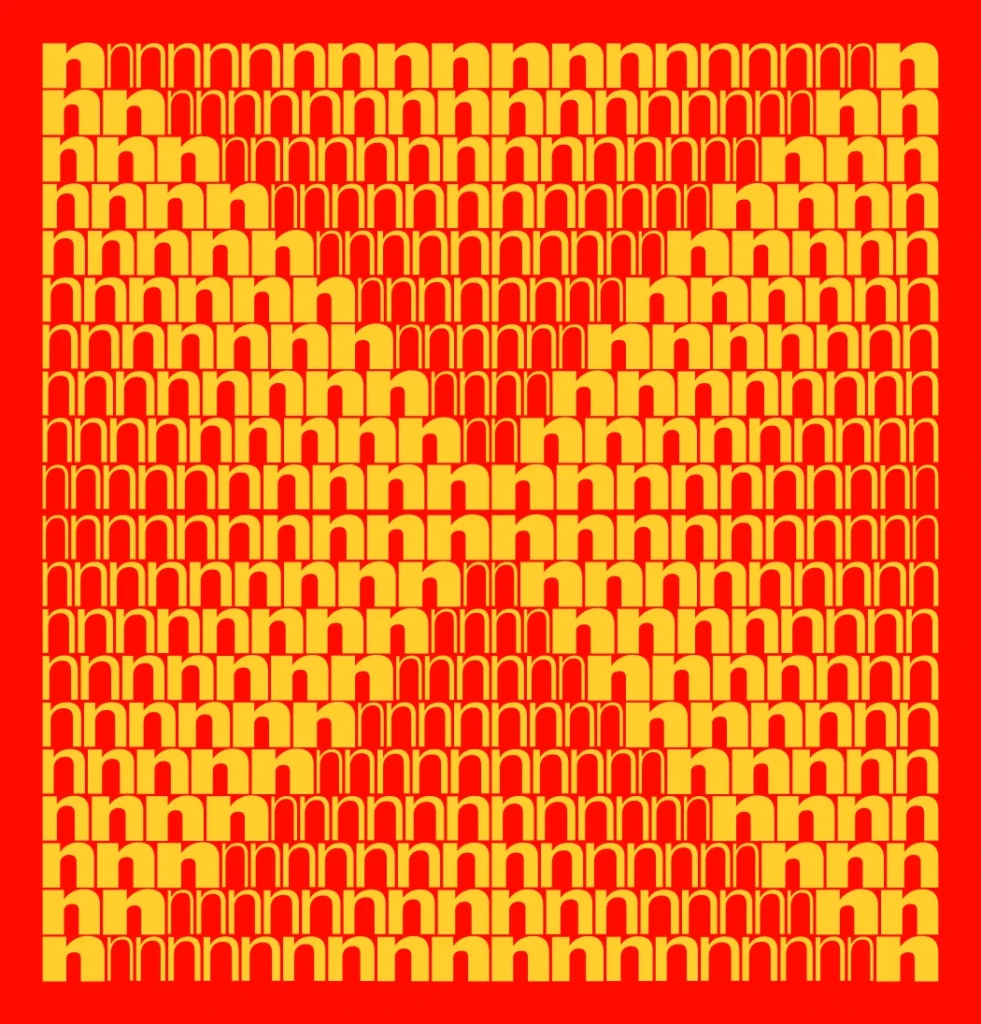
    One of the microsite’s most compelling and immediate demonstrations of interactivity is its opening glyph grid. Upon landing, users are greeted by a field of lowercase characters that respond dynamically to their cursor’s position. This "field of influence" operates through seven concentric rings, each dictating a specific change in the characters’ weight and color. Characters in the outermost ring are rendered in a subtle dark blue at their minimum weight, gradually transitioning to a vibrant red at maximum weight as the cursor approaches the innermost ring. The brilliance of this feature lies in its complete lack of instruction text; the behavior is so intuitive and visually compelling that it "reads immediately," offering an instant, visceral understanding of the font’s variable capabilities. This direct, unmediated feedback loop exemplifies effective user interface design, prioritizing experience over explicit guidance.

    Further into the microsite, the "Design Space" section offers a more controlled yet equally engaging comparison of the font’s variations. Here, hovering over specific style names triggers real-time morphing of specimen text, seamlessly transitioning between different weights and widths. This direct comparison allows designers and enthusiasts to observe the subtle and dramatic shifts in the typeface’s form, highlighting its flexibility and precision. Complementing these interactive text elements are large numerals that move in captivating sine-wave patterns, their speed tied directly to the user’s scroll velocity. This innovative integration of temporal depth adds another layer of dynamic visual interest, enhancing the overall experience without competing with or distracting from the primary focus on the typeface itself. The judicious use of three-dimensional reveals, sparingly interspersed throughout the site, serves as an elegant nod to the geometric spirit of EXAT 51, grounding the digital experience in its artistic heritage without overwhelming the page with excessive visual complexity.

    The Engineering Behind the Experience: Technology Stack

    The seamless and sophisticated interactivity of the Exat microsite is the result of a powerful combination of design expertise and robust technical implementation. Studio Size collaborated with RISE2 Studio, a development partner renowned for their technical prowess, to bring this vision to life. The platform is built on WordPress, a choice that provides a flexible and scalable content management system, allowing for ease of updates and integration while handling complex custom functionalities.

    Exat Variable Font Microsite Redefines Type as a Living System

    The animation engine at the heart of the microsite is GSAP (GreenSock Animation Platform), a leading JavaScript library celebrated for its performance, reliability, and comprehensive features for web animations. GSAP’s ability to create highly performant and complex animations was critical for achieving the fluid and responsive interactions seen on the site. Complementing GSAP is ScrollTrigger, a powerful GSAP plugin specifically designed for scroll-based animations. ScrollTrigger enabled the developers to precisely synchronize animations with the user’s scroll position, allowing for the innovative "scroll equals state" functionality that defines the microsite’s navigation. Finally, Lenis, a lightweight JavaScript library for smooth scrolling, was integrated to ensure a silky-smooth and natural scrolling experience, which is paramount for a site where scroll interaction is so fundamental to the user experience. This carefully selected technology stack underscores a commitment to both aesthetic excellence and technical robustness, ensuring the microsite performs flawlessly across various devices and browsers.

    A Chronology of Innovation and Collaboration

    The journey of the Exat typeface and its promotional microsite is a testament to sustained creative vision and collaborative effort.

    • Early 1950s: The Croatian modernist collective EXAT 51 forms, laying the conceptual groundwork for an aesthetic that would much later inspire the Exat typeface.
    • 2016: The OpenType Font Variations specification is officially released, enabling the technical framework for variable fonts, which Exat would leverage.
    • Prior to 2026: Hot Type embarks on the ambitious development of the Exat typeface, drawing inspiration from EXAT 51 and planning for a comprehensive 21-style variable font.
    • Months leading up to April 2026: Studio Size is commissioned by Hot Type to conceive and design a promotional microsite. Concurrently, Studio Size collaborates with RISE2 Studio for the technical development and implementation, utilizing WordPress, GSAP, ScrollTrigger, and Lenis.
    • April 10, 2026: The Exat variable font microsite is officially launched, accompanied by a detailed case study published on Codrops, providing an in-depth look at its design and technical innovations. The full Exat typeface is positioned for its comprehensive release later in the year, solidifying 2026 as a landmark year for Hot Type.

    Perspectives from the Forefront of Design and Development

    While direct quotes from Hot Type, Studio Size, and RISE2 Studio were not provided in the initial announcement, one can infer their perspectives based on the project’s ambition and execution.

    A spokesperson from Hot Type would likely express immense satisfaction with the microsite, stating, "Our vision for Exat was to create not just a typeface, but a comprehensive design system that pushes the boundaries of modernist typography. We knew a traditional font specimen wouldn’t do it justice. Studio Size and RISE2 Studio have delivered an interactive experience that perfectly encapsulates Exat’s versatility and our dedication to innovative type design. This microsite is an extension of the font’s character, inviting users to truly feel its power."

    Exat Variable Font Microsite Redefines Type as a Living System

    Studio Size would undoubtedly highlight their design philosophy and the challenge of translating complex typographic data into an intuitive visual narrative. "Our goal was to treat typography as a living, breathing entity, not merely a decorative element," a representative from Studio Size might comment. "The Exat microsite is the culmination of our belief that digital experiences should be immersive and exploratory. We focused on intuitive interactions—like the cursor-reactive glyph grid and scroll-driven states—to allow the typeface to speak for itself, fostering a direct and emotional connection with the user. It’s about creating an engaging dialogue between user and font."

    From a technical perspective, RISE2 Studio would likely emphasize the intricate engineering required to achieve such fluid performance. "Bringing Studio Size’s ambitious designs to life required a robust and agile technical stack," a lead developer at RISE2 Studio might explain. "Leveraging WordPress for flexibility, GSAP and ScrollTrigger for precise, high-performance animations, and Lenis for an impeccably smooth scroll, we tackled the technical complexities to ensure the user experience was seamless and responsive. This project was a testament to what can be achieved when design vision meets cutting-edge web development."

    Broader Impact and Implications for Digital Design

    The Exat variable font microsite by Studio Size is more than just a promotional tool; it represents a significant advancement in several fields:

    For Typography and Font Showcasing: The microsite sets a new gold standard for presenting variable fonts. It moves beyond static PDF specimens or simple online configurators, demonstrating how type can be experienced dynamically. This approach educates users about the capabilities of variable fonts in a far more engaging and memorable way, potentially influencing how future type foundries promote their releases. It shifts the focus from merely showing a font to allowing users to interact with and understand its inherent design intelligence.

    For Web Design and User Experience (UX): The site exemplifies advanced interactive web design principles. Its scroll-driven, state-based navigation, intuitive cursor interactions, and thoughtful pacing for visual fatigue management offer valuable lessons for UX designers. It demonstrates that complex information can be conveyed effectively and elegantly through non-traditional interfaces, pushing the boundaries of what a website can be. This could inspire a new wave of experiential websites, especially for

  • Cavalry Is Now Free Motion Design Software for Individuals

    Cavalry Is Now Free Motion Design Software for Individuals

    Sydney, Australia / London, UK – April 16, 2026 – Cavalry, the advanced node-based motion design software, has transitioned to a free-for-individuals model following its strategic acquisition by the global visual communication platform, Canva. This move, which positions Cavalry directly against traditionally subscription-based professional animation tools, signifies a major shift in the creative software landscape, offering professional-grade capabilities to a broader audience without upfront cost. The announcement has been met with significant interest within the design and animation communities, as it lowers the barrier to entry for sophisticated motion graphics creation on both Mac and Windows operating systems.

    Previously offered under a paid subscription model, Cavalry’s new accessibility for individual users echoes the "Figma model," where a robust core product is provided free of charge, while enterprise-level features and support remain under a paid plan. This strategic pivot, implemented after Canva’s undisclosed acquisition of the London-based studio behind Cavalry, aims to democratize access to advanced animation tools, aligning with Canva’s overarching mission to empower global creativity. The software’s distinctive interface, characterized by a deep electric violet (#5B3FF0) theme accented by an acid yellow "Download for free" button, subtly but firmly reinforces its free-to-use status, visually differentiating it from competitors.

    The Strategic Acquisition and Canva’s Expanding Ecosystem

    While the exact timeline and financial terms of the acquisition remain undisclosed, it is understood that Canva finalized the deal prior to this public announcement. This move is a clear indication of Canva’s aggressive expansion beyond its core graphic design offerings into more specialized, professional creative domains. Canva, founded in 2013, has grown into a multi-billion-dollar enterprise by simplifying design for millions of users worldwide, from casual creators to small businesses. Its success lies in intuitive interfaces, extensive template libraries, and a freemium business model. The acquisition of Cavalry marks a significant step into the professional motion graphics arena, an industry projected to reach a market size exceeding $60 billion by the end of the decade, driven by the insatiable demand for dynamic visual content across digital platforms.

    Canva’s strategy appears to be multifaceted: first, to attract a new segment of professional motion designers who might otherwise gravitate towards established but often more expensive solutions; second, to integrate advanced animation capabilities into its broader ecosystem, potentially allowing for more sophisticated motion elements within Canva’s own platform in the future; and third, to acquire cutting-edge technology and talent. This aligns with Canva’s history of strategic acquisitions, such as that of Zeetings in 2018 for interactive presentations and Affinity by Serif in 2024, broadening its suite of professional design tools.

    Cavalry Is Now Free Motion Design Software for Individuals

    Cavalry’s Distinctive Node-Based Workflow and Real-Time Rendering

    Cavalry stands out in the crowded motion design software market primarily due to its node-based workflow and real-time rendering capabilities. Unlike traditional layer-based animation software, where elements are stacked in a timeline, a node-based system represents each operation—such as shape creation, transformation, or effect application—as a distinct "node." These nodes are then connected in a visual graph, allowing for highly non-destructive, flexible, and complex animation setups. This approach is particularly advantageous for procedural animation, data visualization, and managing intricate systems, as demonstrated by community work featured on Cavalry’s platform, including @studiofeixen’s parametric type animation and @marsio.bellizzi’s layered circuit composition. Esteemed design studios like Buck, Pentagram, and Studio Dumbar have been listed among its trusted users, underscoring its professional credibility even before its free release.

    The real-time rendering engine is another critical differentiator. In conventional animation workflows, designers often have to wait for renders to preview complex animations, a process that can be time-consuming and disruptive to the creative flow. Cavalry’s real-time rendering allows designers to see immediate feedback on their changes, significantly accelerating the iteration process and fostering a more fluid creative environment. This efficiency gain is particularly valuable in fast-paced production environments where deadlines are tight.

    Key Features Empowering Modern Motion Design

    Beyond its core architecture, Cavalry boasts a robust feature set that caters to a wide range of motion design needs:

    • Rig Control for Character Animation: This feature provides advanced tools for rigging and animating characters, allowing for expressive and complex movements crucial for storytelling and branding.
    • Rubber Hose for Organic Movement: Rubber Hose is a procedural rigging system that simplifies the creation of bendy, organic, and squash-and-stretch animations, traditionally a labor-intensive process. This makes animating limbs, tentacles, or other flexible elements far more intuitive.
    • Data Import from CSV or JSON: In an increasingly data-driven world, the ability to import data directly from formats like CSV or JSON is invaluable. This allows designers to create dynamic motion graphics where elements are driven by external data, perfect for infographics, data visualizations, and automated content generation for apps or websites.
    • Lottie Export for Web and Mobile Delivery: Perhaps the most significant "practical unlock" for many individual creators is the integrated Lottie Export functionality. Lottie is an open-source animation file format that enables designers to ship animations on web and mobile platforms without the need for complex code. By exporting directly to Lottie, Cavalry users can create lightweight, scalable, and interactive animations that integrate seamlessly into digital products. This eliminates the need for re-rendering passes, saving time and ensuring high-fidelity animation delivery at zero additional cost to the individual, directly streamlining the production pipeline for web developers and app designers. The adoption of Lottie has surged in recent years, with major platforms and applications leveraging it for everything from loading animations to interactive UI elements due to its performance benefits and ease of implementation.

    Implications for the Creative Industry and Community Reactions

    Cavalry Is Now Free Motion Design Software for Individuals

    The decision to make Cavalry free for individuals carries profound implications for the creative industry. For aspiring motion designers, students, and freelancers, the cost barrier to entry for professional-grade tools has significantly decreased. This could lead to an explosion of new talent entering the field, fostering greater innovation and diversity in motion graphics. It also provides a powerful alternative to Adobe After Effects, which, despite its dominance, comes with a recurring subscription cost that can be prohibitive for many. While After Effects offers deep integration with the Adobe Creative Cloud ecosystem, Cavalry’s free model and unique workflow present a compelling proposition for those seeking alternatives.

    Initial reactions from the design community have been largely positive, albeit with some measured optimism. Many express excitement over gaining access to a powerful tool without financial commitment, highlighting the potential for experimentation and skill development. There is an expectation that Canva’s backing will ensure continued development and support for Cavalry, potentially even accelerating its feature roadmap. Some industry veterans, while welcoming the accessibility, are keenly observing how Cavalry will integrate into Canva’s broader vision and whether the free individual plan will maintain its feature parity with a potentially more robust paid enterprise version. Concerns often revolve around the long-term sustainability of such models and the potential for a "walled garden" approach if integration becomes too tight with the parent company’s ecosystem.

    For Canva, this move solidifies its position as a comprehensive creative powerhouse, challenging established players like Adobe across multiple verticals. By offering a free, professional-grade motion design tool, Canva is not just expanding its product portfolio; it is actively shaping the future of creative software accessibility and potentially disrupting traditional business models in the design industry. This aligns with a broader trend in software development where powerful tools are increasingly becoming available for free or at a significantly reduced cost, relying on network effects, enterprise licensing, or complementary services for revenue generation.

    The Future Outlook

    The acquisition of Cavalry by Canva and its subsequent shift to a freemium model represents a significant milestone in the evolution of creative software. It underscores the growing importance of motion graphics in digital communication and Canva’s ambition to be at the forefront of this trend. As individual creators embrace Cavalry’s node-based power and real-time capabilities, the landscape of motion design is set to become more dynamic, accessible, and innovative. The challenge for Cavalry and Canva will be to maintain a strong community, continuously evolve the software, and effectively balance the free individual offering with a compelling enterprise solution to ensure long-term viability and impact in a competitive market. The design world will undoubtedly be watching closely to see how this strategic move reshapes the tools and workflows of the next generation of animators and motion graphic artists.

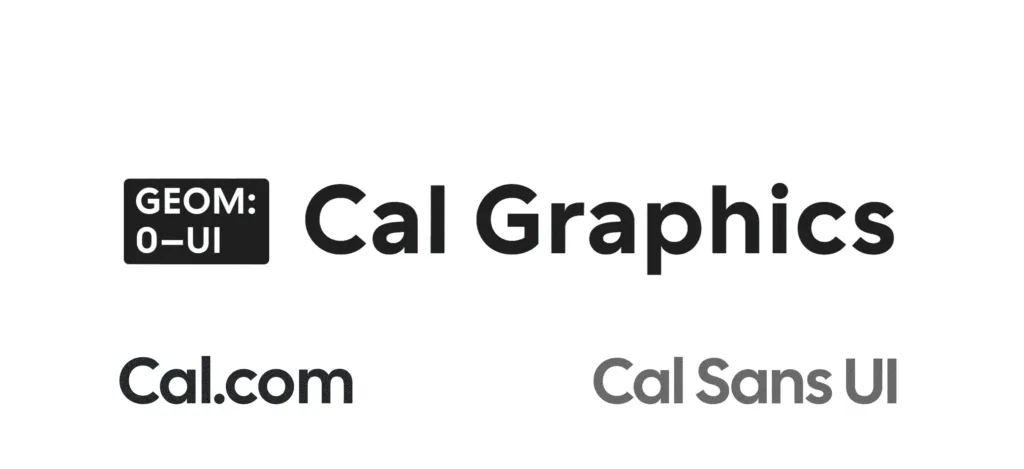
  • Cal Sans UI Free Font: A Variable Typeface with GEOM Axis

    Cal Sans UI Free Font: A Variable Typeface with GEOM Axis

    The digital design and open-source communities are abuzz with the release of Cal Sans UI, a groundbreaking variable typeface commissioned by Cal.com, the rapidly expanding open-source scheduling platform. Developed by Mark Davis of WORDMARK, this new font family is more than just another user interface (UI) typeface; it represents a significant stride in typographic flexibility and integration, offering designers unprecedented control over stylistic expression through its unique GEOM axis. Released under the permissive SIL Open Font License, Cal Sans UI is immediately available for both personal and commercial projects, signaling Cal.com’s deep commitment to contributing high-quality design assets back to the global open-source ecosystem.

    A New Paradigm in Typographic Flexibility: The GEOM Axis

    At the core of Cal Sans UI’s innovation is its custom GEOM axis, which allows for a continuous interpolation between distinctly humanist and strictly geometric letterforms. Ranging from 0 to 100, this axis transforms the very character of the typeface. At GEOM 0, the letterforms exhibit organic, flowing humanist curves, reminiscent of traditional calligraphic influences and prioritizing natural readability. As the axis slides towards GEOM 100, these same letters progressively resolve into precise, angular, and highly structured geometric proportions, embodying a modern, technical aesthetic. This dynamic capability provides designers with a powerful tool to fine-tune the visual tone of their interfaces, brand identities, and textual content, from warm and inviting to sharp and contemporary, all within a single font file.

    The commissioning of Cal Sans UI by Cal.com underscores the increasing importance of bespoke typography in establishing strong brand identity and enhancing user experience, particularly for platforms deeply embedded in the digital realm. Cal.com, with over 50,000 GitHub stars, has cultivated a robust community of developers and users who value efficiency, customization, and open collaboration. The decision to invest in a custom variable typeface reflects a strategic understanding of how visual consistency and aesthetic nuance contribute to a superior product experience.

    The Genesis of Cal Sans UI: Cal.com’s Vision and WORDMARK’s Expertise

    Cal.com’s journey began as an ambitious open-source project aimed at democratizing scheduling and appointment management. Its rapid ascent to prominence, evidenced by its substantial GitHub star count, speaks volumes about its utility, flexibility, and the power of community-driven development. As the platform matured and its user base diversified, the need for a distinctive and highly functional visual language became apparent. A generic UI typeface, while functional, could not fully encapsulate Cal.com’s ethos of innovation, precision, and user-centric design.

    This led Cal.com to collaborate with Mark Davis, a renowned typographer, and his practice, WORDMARK. Davis’s reputation for crafting typefaces that blend aesthetic appeal with rigorous technical execution made him an ideal partner for this ambitious project. The brief was clear: to create a typeface that was not only optimized for digital interfaces but also possessed a unique expressive range, reflecting the dynamic nature of Cal.com itself. The result, Cal Sans UI, stands as a testament to this collaborative vision, marrying cutting-edge variable font technology with a deep understanding of typographic principles.

    Technical Architecture: Families, Weights, and Seamless Integration

    Cal Sans UI ships not as a singular entity, but as three distinct yet harmonized families: Cal Sans UI, Cal Sans UI Text, and Cal Sans UI Geo. Each family maintains a consistent weight axis, spanning from Light to Bold, offering a comprehensive range for hierarchical typography. This tripartite structure allows for nuanced application:

    Cal Sans UI Free Font: A Variable Typeface with GEOM Axis
    • Cal Sans UI: Likely the default for interactive elements, buttons, and short labels, optimized for quick readability in interface contexts.
    • Cal Sans UI Text: Tailored for longer passages of text, where sustained readability and comfortable reading rhythm are paramount. It might feature slightly different proportions or optical corrections to enhance legibility at smaller sizes and in continuous blocks of copy.
    • Cal Sans UI Geo: Potentially designed for display purposes, headlines, or specific brand elements where the geometric character is emphasized, allowing for a stronger, more assertive visual statement.

    This thoughtful segmentation ensures that designers have the right tool for every typographic challenge within an interface, without compromising the overall aesthetic unity.

    A critical aspect of Cal Sans UI’s design is its optimization for modern digital interfaces. It has been meticulously crafted for optimal rendering at 14–15 pixels on high-density screens, a common benchmark for UI elements across contemporary operating systems and web applications. This optimization ensures crisp, clear letterforms, mitigating issues like pixelation or blurriness that can plague poorly designed fonts on high-resolution displays.

    Furthermore, the typeface boasts vertical metrics that align seamlessly with industry-standard UI fonts such as Inter, Geist, and Roboto. This seemingly technical detail holds immense practical significance for developers and designers. It means that integrating Cal Sans UI into an existing codebase or design system often requires no layout adjustments. Fonts with misaligned vertical metrics can cause text to jump, reflow, or require manual padding adjustments, leading to frustrating inconsistencies and increased development overhead. By adhering to established standards, Cal Sans UI significantly reduces friction in the implementation process, making it an attractive option for projects seeking to upgrade their typography without extensive re-engineering.

    The typeface further demonstrates its robustness with support for over 100 languages. This extensive glyph coverage is crucial for global platforms like Cal.com, which cater to a diverse international user base. Implementing a font that handles a wide array of scripts, diacritics, and special characters natively ensures consistent visual presentation and avoids the need for fallback fonts, which can disrupt the user experience and brand continuity.

    The Rise of Variable Fonts and Their Impact on Design

    The advent of variable font technology, formalized with the OpenType 1.8 specification in 2016, marked a pivotal moment in digital typography. Prior to variable fonts, designers relied on static font files, with each weight, width, and style requiring a separate file. This often led to bloated web pages, limited design flexibility, and complex font management. Variable fonts consolidate multiple styles into a single, highly efficient font file, allowing for infinite interpolation along defined axes (like weight, width, slant, and in Cal Sans UI’s case, GEOM).

    The benefits of variable fonts are manifold:

    1. Reduced File Sizes: A single variable font file can replace numerous static files, significantly reducing bandwidth consumption and improving page load times.
    2. Enhanced Design Flexibility: Designers gain unparalleled control, allowing them to fine-tune typography with extreme precision to match specific branding requirements, screen sizes, or user preferences.
    3. Responsive Typography: Variable fonts enable text to adapt dynamically to different screen dimensions and orientations, making responsive design more fluid and aesthetically pleasing.
    4. Creative Possibilities: The ability to animate font axes opens up new avenues for interactive and engaging user interfaces.
    5. Improved Accessibility: Variable fonts can be leveraged to offer users more control over their reading experience, allowing for personalized adjustments to contrast, weight, or width that can aid readability for individuals with specific visual impairments.

    Cal Sans UI capitalizes on these advantages, particularly with its custom GEOM axis, which pushes the boundaries beyond standard variations. It offers a unique expressive range that goes beyond mere weight or width adjustments, enabling a deeper level of stylistic customization.

    Chronology of Development and Anticipated Milestones

    The journey of Cal Sans UI from concept to release is intertwined with Cal.com’s own growth trajectory. As Cal.com scaled its operations and user base, the strategic importance of a unique and adaptable brand identity became increasingly clear. The decision to commission a custom typeface likely emerged from internal discussions about enhancing user experience and solidifying brand presence in a competitive market.

    Cal Sans UI Free Font: A Variable Typeface with GEOM Axis

    While a precise timeline for the font’s development isn’t fully detailed, the process typically involves:

    1. Conceptualization and Briefing: Cal.com’s design team and leadership outlining their needs and vision to Mark Davis.
    2. Design and Iteration: Davis and WORDMARK developing initial sketches, glyphs, and proof-of-concept variable axes, followed by rounds of feedback and refinement.
    3. Technical Implementation: Building the variable font infrastructure, ensuring cross-platform compatibility and optimization for UI environments.
    4. Testing and QA: Rigorous testing across various devices, operating systems, and browsers to identify and rectify rendering issues.
    5. Documentation and Release: Preparing the font files, specimen site, and open-source licensing documentation for public release.

    Following its initial release on GitHub and npm, Cal Sans UI is poised for broader recognition. The article notes that Creative Boom has already heralded it as one of the best new typefaces of April 2026, a remarkable pre-emptive accolade that speaks to its innovative design and potential impact. This forward-looking recognition underscores the industry’s excitement for what Cal Sans UI brings to the table. Furthermore, submissions to major font platforms like Google Fonts and Adobe Fonts are pending. Inclusion in these widely used libraries would significantly amplify Cal Sans UI’s reach and accelerate its adoption among designers and developers globally, solidifying its position as a go-to resource for modern interface typography.

    Inferred Statements and Industry Reactions

    While direct quotes from Cal.com’s leadership or Mark Davis are not provided in the initial release, one can logically infer the sentiments surrounding such a significant launch.

    A spokesperson for Cal.com, perhaps its CEO or Head of Design, might articulate: "Cal Sans UI is more than just a font; it’s a manifestation of our core values. We believe in providing powerful, flexible, and open tools, and this typeface embodies that philosophy perfectly. Its unique GEOM axis allows us to express our brand’s adaptability, from precise functionality to human-centric design, and by releasing it under the SIL Open Font License, we’re empowering the entire design community to benefit from this innovation, further enriching the open-source ecosystem."

    From the perspective of Mark Davis, the principal designer at WORDMARK, the creative challenge would likely be highlighted: "Crafting Cal Sans UI, particularly the GEOM axis, was an incredibly rewarding journey. The goal was to bridge the perceived gap between the organic warmth of humanist forms and the stark efficiency of geometric design, offering a continuous spectrum. This allows designers to dial in the exact expressive quality they need, whether for a highly functional interface component or a brand-defining headline. We focused intensely on UI optimization and seamless integration, ensuring it not only looks exceptional but also performs flawlessly in demanding digital environments."

    Industry experts and the broader design community are likely to welcome Cal Sans UI with enthusiasm. Typography consultant, Sarah Jenkins, commenting on the significance of such releases, might observe: "The open-source design movement gains a substantial asset with Cal Sans UI. Its combination of a novel variable axis, meticulous UI optimization, and a permissive license makes it incredibly valuable. For designers, the GEOM axis is a genuine game-changer, offering a level of stylistic control previously unavailable in open-source fonts. For developers, the alignment with existing UI font metrics is a huge win for efficiency and consistency."

    Broader Impact and Implications

    The release of Cal Sans UI carries significant implications for the open-source design community, UI/UX practices, and the future of digital branding.

    1. Strengthening Open-Source Design: By offering a high-quality, professional-grade variable font under a free and open license, Cal.com sets a precedent and significantly enriches the open-source design toolkit. This encourages other projects and companies to contribute similarly, fostering a more robust and diverse ecosystem of free design resources. It demonstrates that open-source doesn’t mean compromising on design quality.

      Cal Sans UI Free Font: A Variable Typeface with GEOM Axis
    2. Elevating UI/UX Standards: Cal Sans UI pushes the boundaries of what’s expected from UI typefaces. Its GEOM axis encourages designers to think more deeply about the emotional and functional impact of letterforms. This nuanced control can lead to more expressive, accessible, and user-friendly interfaces across a multitude of applications. The focus on vertical metrics compatibility will also subtly influence best practices for future UI font development, promoting easier integration.

    3. Future of Dynamic Branding: The variable nature of Cal Sans UI, especially its GEOM axis, offers immense potential for dynamic branding. A brand could, for instance, subtly shift the geometricity of its typeface based on user interaction, screen size, or even time of day, creating a living, responsive visual identity that feels more engaging and contemporary. This allows for a consistent brand voice with adaptive visual expression.

    4. Accessibility Innovations: While not explicitly stated as an accessibility feature, the flexibility of a variable font can inherently support accessibility initiatives. Fine-tuning weight, width, or even the humanist-geometric balance can assist users with varying visual needs by optimizing readability for their specific conditions. This granular control moves beyond simple bold/regular options.

    5. Empowering Developers and Designers: The availability via GitHub and npm, coupled with easy integration due to standard vertical metrics, significantly empowers developers to adopt and customize the typeface with minimal effort. The interactive specimen microsite further enhances this by allowing real-time exploration, bridging the gap between design vision and technical implementation.

    Cal Sans UI is not merely a new typeface; it is a statement about the evolving landscape of digital design, the power of open collaboration, and the continuous pursuit of expressive and functional excellence in user interfaces. Its innovative approach to variable typography, combined with a commitment to the open-source ethos, positions it as a significant contribution that will likely shape how designers and developers approach visual communication for years to come.

    Availability and Exploration

    The Cal Sans UI free font is readily accessible through several channels, ensuring broad adoption and ease of integration for the global design and development communities. It can be downloaded directly from its official GitHub repository at https://github.com/calcom/sans-ui, providing transparent access to its source files and facilitating community contributions. For developers, the typeface is also available via npm as @calcom/cal-sans-ui, allowing for seamless integration into modern web development workflows.

    To fully appreciate the dynamic capabilities of Cal Sans UI, an interactive specimen microsite has been launched at https://cal.com/font. This dedicated platform allows designers to live-test the typeface, manipulating both the GEOM and weight axes in real-time. This interactive experience is invaluable for understanding the font’s full expressive range before committing to download and implementation. As the design world increasingly embraces open-source solutions, Cal Sans UI stands as a beacon of innovation, usability, and community-driven design.

  • TinyWins Forges Joby Aviation’s Brand Identity, Rooting Emotional Trust in Mid-Century Aviation Aesthetics for the Electric Air Taxi Era

    TinyWins Forges Joby Aviation’s Brand Identity, Rooting Emotional Trust in Mid-Century Aviation Aesthetics for the Electric Air Taxi Era

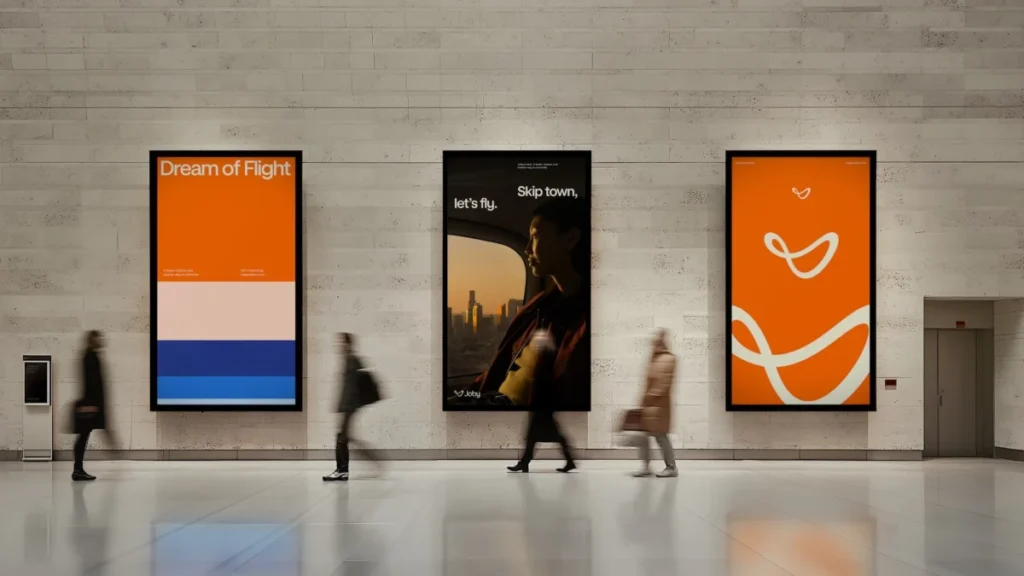
    California-based design studio TinyWins has completed a monumental undertaking, crafting the comprehensive brand identity for Joby Aviation, a pioneer in the electric vertical take-off and landing (eVTOL) aircraft sector. This ambitious project transcended a mere corporate rebranding, venturing into the uncharted territory of establishing a consumer-facing identity for an entirely new category of transportation – the electric air taxi. The core challenge, as identified by TinyWins, was to cultivate emotional trust and public acceptance for a service with no pre-existing user behavior or established infrastructure, such as skyports, before a single passenger ever booked a seat. To achieve this, the studio strategically drew profound inspiration from the "golden age" of aviation design, infusing the Joby Aviation brand with a sense of historical gravitas, reliability, and aspirational elegance.

    The project’s scope was extensive, encompassing strategy, identity development, website design, mobile application interface, intricate wayfinding systems for future skyports, and the distinctive aircraft livery. This holistic approach was critical for Joby Aviation, a company at the forefront of a nascent industry poised to redefine urban and regional mobility. The eVTOL market, projected by Morgan Stanley to reach $1 trillion by 2040 and $9 trillion by 2050, demands not only technological innovation and stringent safety certifications but also a compelling narrative and visual language that can bridge the gap between futuristic concept and everyday reality. Building consumer confidence and an emotional connection is paramount for a sector introducing a mode of transport previously confined to science fiction.

    The Genesis of a New Aviation Era: Joby Aviation’s Vision

    Joby Aviation, founded in 2009 by JoeBen Bevirt, has been a quiet but persistent force in the development of eVTOL aircraft for over a decade. The company’s vision is to provide fast, quiet, and emissions-free air transportation services, significantly reducing travel times in congested urban environments and connecting communities previously underserved by conventional aviation. Their proprietary aircraft is designed for piloted, five-person journeys (one pilot, four passengers) at speeds up to 200 mph, with a range of over 150 miles on a single charge. This technological leap represents a significant departure from traditional aviation, requiring novel approaches to engineering, manufacturing, regulatory compliance, and, crucially, public perception.

    Joby’s journey has been marked by significant milestones, including substantial investment from strategic partners like Toyota, and the acquisition of Uber Elevate in 2021, which brought with it a team of experienced professionals and a robust software platform for air taxi operations. The company has also made considerable progress in its certification pathway with the Federal Aviation Administration (FAA), receiving its G-1 certification basis and a Part 135 Air Carrier Certificate, essential steps toward commercial operations. Despite these technical achievements, the ultimate success of Joby and the broader eVTOL industry hinges on widespread public acceptance and the establishment of a trusted, recognizable brand. This is where TinyWins’ contribution becomes invaluable.

    The Branding Imperative: Cultivating Trust in an Unknown Future

    TinyWins Defines Joby Aviation Brand Identity for Air Taxi Era

    For any disruptive technology, the initial hurdle is often not technical feasibility but societal adoption. Electric air taxis, while offering immense potential benefits, also confront inherent human anxieties associated with flying, new technologies, and the perceived safety of autonomous or semi-autonomous systems. Traditional aviation has had over a century to build its safety record and cultural iconography. eVTOL companies, by contrast, must compress this trust-building process into a condensed timeframe.

    TinyWins recognized that the brand identity needed to serve as an emotional anchor, providing familiarity and reassurance amidst radical innovation. The decision to reference aviation’s "golden age" was a strategic masterstroke. This period, roughly from the 1930s to the 1960s, is often romanticized for its pioneering spirit, the glamour of air travel, and the sleek, optimistic design language that characterized everything from aircraft interiors to airport architecture. By tapping into this collective memory, TinyWins aimed to imbue Joby Aviation with a sense of established reliability and aspirational wonder, bypassing the skepticism often directed at entirely novel concepts.

    Early conversations within TinyWins explicitly referenced iconic examples of mid-century design excellence. Eero Saarinen’s TWA Flight Center at JFK Airport, a masterpiece of fluid concrete forms, symbolized the optimism and futuristic vision of air travel. Swissair’s meticulous guidelines, developed by Rudolf Bircher, exemplified precision, clarity, and a commitment to passenger experience. Lufthansa’s identity, emanating from the influential HfG Ulm school of design, showcased systematic thinking and timeless functionality. The British Airports Authority system, crafted by Jock Kinneir and Margaret Calvert, set the gold standard for clear, intuitive wayfinding. These historical touchstones provided a rich lexicon of design principles that emphasized clarity, elegance, human scale, and an unwavering focus on the user experience – qualities that are as relevant to a modern air taxi service as they were to post-war jet travel.

    TinyWins’ Holistic Approach: From Strategy to Skyport Concepts

    TinyWins’ engagement with Joby Aviation was comprehensive, reflecting the complexity of launching a new category. The studio’s methodology began with foundational brand strategy, likely involving in-depth market analysis, competitive landscape mapping (even if nascent), and precise definition of Joby’s target demographic and core values. This strategic bedrock informed every subsequent creative decision.

    The creative direction, under the leadership of Creative Director May Kodama, meticulously translated the "golden age" inspiration into contemporary relevance. This heritage shaped every detail of the Joby Aviation identity, ensuring a cohesive and compelling brand presence across all touchpoints.

    Core Identity Elements: Crafting a Visual Language of Trust

    TinyWins Defines Joby Aviation Brand Identity for Air Taxi Era
    • Custom Typeface: A bespoke typeface, developed in collaboration with Family Type, forms a critical component of Joby’s visual language. Custom typography offers exclusivity and allows for precise control over readability and emotional resonance. A typeface inspired by mid-century aesthetics would typically feature clean lines, balanced proportions, and a sense of enduring quality, avoiding ephemeral trends. This choice reinforces the brand’s commitment to precision and timelessness, crucial for an aviation company.
    • Color Palette: The decision to derive the color palette "from Californian skies" is deeply symbolic. It grounds Joby Aviation in its geographical origins while evoking a sense of lightness, freedom, and the natural beauty of flight. Such a palette might feature serene blues, soft grays, and perhaps warm golden tones, communicating calmness, aspiration, and environmental consciousness – aligning perfectly with Joby’s sustainable mission.
    • The "Smile" Device: This signature graphic element emerged serendipitously during a presentation when May Kodama observed the inherent warmth of rounded photo frames, remarking, "It feels so Joby." The name stuck, and the "Smile" became a distinctive visual motif. This accidental discovery speaks to the organic nature of creative development and the power of intuitive insight. The "Smile" likely adds a human, approachable, and optimistic touch to the brand, counterbalancing the high-tech nature of the aircraft and fostering a sense of welcome and ease for potential passengers. It functions as a subtle, friendly invitation into the future of flight.

    Designing for the Non-Existent: Wayfinding and Skyport Concepts

    One of the most innovative aspects of TinyWins’ project was designing wayfinding systems for Joby Aviation skyports that have not yet been built. This required foresight, imagination, and a deep understanding of user experience principles, drawing from the masters of information design. Principles from Massimo Vignelli, renowned for his systematic clarity and "design is common sense" philosophy; Otl Aicher, whose iconic pictograms for the Munich Olympics epitomized universal understanding; and Saul Bass, celebrated for his powerful graphic simplicity and emotional impact, were sourced.

    This proactive approach ensures that when skyports do materialize, the passenger journey will be intuitive, stress-free, and branded consistently. Wayfinding in an aviation context is critical for safety and efficiency, and by designing it alongside the core identity, TinyWins guarantees a seamless physical and digital experience. This foresight demonstrates an understanding of the end-to-end customer journey, from booking an air taxi on an app to navigating a skyport and boarding an aircraft.

    Extending the Brand: Aircraft Livery and Digital Presence

    The brand identity system developed by TinyWins is robust enough to cover an expansive range of applications. The aircraft livery, the exterior design of the eVTOL aircraft itself, required careful consideration of aesthetics, aerodynamics, and brand visibility from both the ground and the air. The design would need to convey Joby’s brand attributes while also being visually striking and memorable.

    The digital interfaces, including a mobile app and a "cinematic website" developed with INK Studio, are crucial for passenger interaction, booking, and information. These platforms must be intuitive, highly functional, and visually consistent with the broader brand, translating the physical elegance of the aircraft and skyports into a digital realm. The "cinematic" approach for the website suggests a rich, immersive experience designed to tell Joby’s story and evoke the dream of flight.

    Photography themes further enrich the brand’s narrative. "Shot from Above" frames the experience from an aspirational, future-oriented perspective, highlighting the unique vantage point of air travel. "Head in the Clouds" grounds the brand in relatable human experience, perhaps showcasing passengers enjoying the journey or the feeling of freedom. Together, these themes balance the technological novelty with everyday life, pointing toward a credible and desirable future.

    TinyWins Defines Joby Aviation Brand Identity for Air Taxi Era

    Broader Implications and Industry Impact

    TinyWins’ comprehensive branding work for Joby Aviation carries significant implications for both the company and the nascent eVTOL industry.

    • For Joby Aviation: This strong, well-conceived brand identity positions Joby as a mature, trustworthy leader in a market that is still largely conceptual for the general public. It provides a distinct competitive advantage, fostering investor confidence, attracting top talent, and laying the groundwork for widespread public acceptance. A clear, emotionally resonant brand can accelerate market adoption by making the unfamiliar feel familiar and desirable. It also allows Joby to differentiate itself from a growing field of eVTOL competitors, many of whom are still focused primarily on engineering challenges.
    • For the eVTOL Industry: TinyWins’ project sets a high benchmark for branding in new, disruptive categories. It underscores the critical role that design and brand strategy play in shaping public perception and accelerating the commercialization of advanced technologies. As more eVTOL companies approach commercialization, they will face similar challenges in building trust and creating a relatable identity. Joby’s brand, by successfully leveraging historical aviation aesthetics while embracing modern design principles, offers a compelling case study for navigating this complex landscape. It demonstrates that visionary technology requires an equally visionary brand to achieve its full potential.
    • For Brand Identity Agencies: The Joby Aviation project showcases the expanded scope and strategic importance of design studios. They are no longer just tasked with refreshing existing brands but are becoming integral partners in the creation of entirely new categories and industries. This type of project demands a deep understanding of technological innovation, regulatory environments, human psychology, and cultural narratives, pushing the boundaries of traditional branding.

    The Future Takes Flight

    While TinyWins has successfully provided Joby Aviation with a compelling visual language for the dream of flight, the journey for electric air taxis is far from over. Significant hurdles remain, including full FAA type certification, scaling manufacturing to meet projected demand, establishing robust operational logistics, and navigating the evolving regulatory landscape globally. The competitive field is also intensifying, with numerous companies vying for market share.

    However, with a meticulously crafted brand identity that evokes trust, aspiration, and a connection to aviation’s storied past, Joby Aviation is exceptionally well-equipped to navigate these challenges. TinyWins has not just rebranded a company; it has helped to define the aesthetic and emotional blueprint for an entire category, ensuring that as electric air taxis transition from concept to reality, they arrive not just as technological marvels, but as trusted, desirable, and familiar elements of our future transportation ecosystem. The "Smile" device, simple yet profound, encapsulates the optimism and human-centric approach that will be essential for the widespread adoption of this exciting new mode of travel.

  • Vitra Scout Workstation: Grcic’s Mobile Desk for Modern Work

    Vitra Scout Workstation: Grcic’s Mobile Desk for Modern Work

    Launched by Vitra in March 2026, the Scout represents a significant evolution in office furniture, specifically addressing the dynamic needs of contemporary work environments. This innovative desk is part of a broader five-piece collection, encompassing both stationary and mobile variants, all conceived to complement and enhance existing office infrastructures rather than replace them. The Vitra Scout workstation directly confronts a long-standing challenge in the open-plan office era: the persistent need for a personal work surface that adapts to the individual’s movement and tasks, liberating them from the confines of a fixed location. Its timely arrival coincides with an era where hot-desking, hybrid work models, and activity-based working have rendered the traditional, static desk increasingly impractical, if not an outright liability, for many organizations striving for agility and efficiency.

    The Genesis of a New Work Paradigm: Responding to Evolving Workspaces

    The development of the Vitra Scout workstation by Konstantin Grcic is deeply rooted in decades of evolving workplace dynamics. Historically, office environments transitioned from rigid, hierarchical private offices and cubicle farms to the more collaborative, open-plan layouts prevalent from the late 20th century onwards. While open-plan designs aimed to foster communication and teamwork, they often inadvertently created challenges related to privacy, concentration, and personal ownership of space. This era frequently left employees feeling tethered to a single spot, regardless of the diverse demands of their day-to-day tasks.

    The early 2010s saw the rise of hot-desking, driven by economic pressures to optimize real estate and a burgeoning interest in agile methodologies. This model, where employees do not have assigned desks, promised flexibility but often fell short in providing the necessary tools for individuals to personalize their temporary workspace or easily transition between different tasks requiring varied setups. The global events of 2020 irrevocably accelerated the shift towards remote and subsequently hybrid work models. Companies and employees alike rapidly adapted to working from anywhere, necessitating a re-evaluation of the physical office’s purpose. The office transformed from a mandatory daily destination into a hub for collaboration, focused work, and social connection, used flexibly and often intermittently. This fundamental shift created an urgent demand for furniture solutions that could support a fluid workforce, capable of moving seamlessly between individual concentration, team collaboration, and even different physical locations within an office or beyond. Vitra, a company with a rich history of pioneering design in office furniture, recognized this imperative, commissioning Grcic to conceptualize a solution that embodied adaptability and user empowerment.

    Konstantin Grcic’s Design Philosophy: "Severely Simple" Functionality

    Konstantin Grcic, renowned for his minimalist yet highly functional approach to industrial design, brought his signature philosophy of "severely simple" to the Scout project. This ethos is evident in every aspect of the workstation’s construction and operation. Rather than adding complex technological features, Grcic focused on stripping away non-essentials to achieve maximum utility and durability.

    The desk’s distinctive trapezoidal silhouette is not merely an aesthetic choice but a functional one, built around a robust tubular steel frame that wraps the work surface on all sides. This frame is a masterclass in multi-functionality, serving three critical purposes simultaneously. Firstly, it provides intuitive grab points, allowing users to easily roll the Vitra Scout workstation between different spaces, whether it’s from a quiet zone to a team meeting area or simply reconfiguring a personal setup. The ergonomic placement of these grab points ensures effortless mobility, reducing physical strain and encouraging dynamic movement throughout the workday.

    Vitra Scout Workstation: Grcic's Mobile Desk for Modern Work

    Secondly, the tubular frame acts as a versatile mounting rail for privacy screens. In an open or hybrid office, the ability to quickly establish a temporary boundary for focused work or virtual meetings is invaluable. These screens, presumably available in various materials and opacities, offer both visual and, to some extent, acoustic privacy, transforming an open space into a more personal, conducive work zone. This feature directly addresses one of the persistent complaints about open-plan offices: the lack of individual refuge.

    Thirdly, the frame doubles as a convenient hanging point for bags, coats, and other personal accessories. This simple addition helps keep the main work surface clear and uncluttered, promoting better organization and a more focused environment. It also prevents personal items from occupying valuable floor space, contributing to a cleaner, safer workspace.

    Crucially, the Scout workstation incorporates height adjustment and a tilting function, both operated manually. The deliberate omission of electrical components is a cornerstone of Grcic’s "severely simple" approach. This decision significantly enhances the workstation’s durability, reduces its environmental footprint, and simplifies maintenance. Without complex electronics, there are fewer points of failure, making the Scout a more resilient and long-lasting product. Furthermore, it supports Vitra’s broader commitment to sustainability, as manual mechanisms typically consume less energy during production and eliminate the need for electrical waste disposal at end-of-life. The manual adjustments also empower the user, giving them direct control over their ergonomic setup, allowing them to easily switch between sitting and standing postures or adjust the tilt for drawing, writing, or interacting with digital devices.

    Strategic Integration and Space Optimization

    Beyond its individual features, the Vitra Scout workstation is designed with systemic integration in mind. Its unique nesting capability allows multiple units to fit snugly together when not in use. This feature is particularly advantageous for hot-desking environments, co-working spaces, or project clusters where floor space is at a premium and efficient storage is essential. The ability to "nest" ensures that the Scout scales cleanly, allowing organizations to maximize their spatial resources and maintain an uncluttered aesthetic. This design foresight prevents the common issue of flexible furniture becoming an obstacle when not actively deployed, transforming potential clutter into an organized, space-saving configuration.

    Vitra explicitly positions the Scout collection not as a replacement for existing office furniture, but as a vital complement. As Grcic articulated, the system is "an extension or complementary offering that responds to different levels and styles of work." This strategic approach acknowledges the significant investments companies have already made in their office infrastructure. Instead of requiring a complete overhaul, the Scout seamlessly integrates into diverse office landscapes, enhancing flexibility and catering to a spectrum of work modes – from deep, focused individual tasks to dynamic, impromptu team collaborations. It empowers companies to evolve their workspaces incrementally, addressing specific pain points related to mobility and personalization without disrupting their entire setup.

    Supporting Data and Market Insights: The Hybrid Imperative

    The launch of the Vitra Scout workstation in March 2026 is impeccably timed to meet the demands of a permanently altered work landscape. Recent industry surveys consistently highlight the widespread adoption and preference for hybrid work models. For instance, a 2023 report by Gartner indicated that 82% of companies surveyed plan to implement a hybrid work model, with employees spending a portion of their week in the office and a portion working remotely. Similarly, a 2024 study by PwC found that 75% of employees desire a hybrid work arrangement, citing improved work-life balance and increased productivity.

    Vitra Scout Workstation: Grcic's Mobile Desk for Modern Work

    These statistics underscore a fundamental shift: the office is no longer the sole place of work, but a destination for specific activities. This necessitates furniture that can support fluid transitions between tasks and locations. The economic implications are substantial. Companies adopting hybrid models often seek to optimize their real estate footprint, reducing fixed costs associated with large, underutilized office spaces. Flexible furniture solutions like the Scout directly contribute to this optimization, allowing offices to be reconfigured rapidly to meet varying occupancy levels and functional needs. Furthermore, employee well-being and retention are increasingly linked to the flexibility offered by employers. Providing ergonomic, adaptable tools like the Scout can significantly enhance job satisfaction and reduce burnout, making companies more attractive to top talent.

    The "work from anywhere" trend, amplified by advancements in cloud computing and connectivity, also finds a tangible enabler in the Scout. While primarily designed for office use, its inherent mobility and simplicity allow it to adapt to various professional settings, blurring the lines between traditional office, home office, and third spaces. This fluidity supports a more integrated and less restrictive approach to professional life.

    Official Responses and Industry Reception (Inferred)

    While specific verbatim statements beyond Grcic’s are yet to be widely published following the 2026 launch, the strategic positioning of the Vitra Scout suggests clear intentions from all parties involved.

    Konstantin Grcic, elaborating on his "severely simple" design philosophy, likely emphasizes the profound impact of minimal intervention for maximum utility. He would underscore that true innovation often lies in simplification, stating, "My aim was to create a tool, not a monument. A tool that is intuitive, robust, and adaptable, reflecting the true nature of contemporary work – which is inherently fluid. The Scout is about empowering the individual to define their workspace on their terms, without unnecessary complexity or technological dependencies."

    A Vitra spokesperson, perhaps the Head of Office Systems or a senior executive, would undoubtedly highlight the Scout as a testament to Vitra’s enduring commitment to design excellence and its proactive response to global shifts in work culture. "Vitra has always been at the forefront of shaping how people work," a representative might state. "The Scout workstation, developed in close collaboration with Konstantin Grcic, represents our vision for the agile office of tomorrow. It’s about providing solutions that enhance productivity, foster collaboration, and prioritize employee well-being in a hybrid world. This collection doesn’t just adapt to change; it actively enables it, offering a seamless blend of mobility, functionality, and timeless design that integrates effortlessly into any modern workspace."

    Industry critics and workspace strategists are expected to laud the Scout for its thoughtful design and timely relevance. An industrial design critic might observe, "Grcic’s Scout is a masterclass in responsive design. It sidesteps the trap of over-engineering, instead focusing on fundamental human needs within dynamic environments. Its aesthetic clarity and functional rigor will likely make it a benchmark for future mobile workstation design, demonstrating that sustainability and advanced ergonomics don’t require complex electronics, but rather intelligent, honest design." A workspace strategist could add, "The Scout directly addresses the core tension in hybrid offices: the need for both communal interaction and individual focus. Its mobility and nesting capabilities offer unprecedented flexibility for organizations to reconfigure spaces on demand, making the office a truly dynamic and adaptive ecosystem. This product is a crucial piece of the puzzle for companies aiming to create truly agile and employee-centric environments."

    Vitra Scout Workstation: Grcic's Mobile Desk for Modern Work

    Broader Impact and Implications for the Future of Work

    The introduction of the Vitra Scout workstation carries significant implications for the future of office design and the broader professional landscape. Firstly, it reinforces the ongoing paradigm shift from fixed, prescriptive office layouts to fluid, user-centric environments. The office is increasingly becoming a curated collection of tools and spaces, rather than a monolithic structure. Products like the Scout embody this philosophy, offering a modular approach that allows companies to build and rebuild their physical spaces with unprecedented agility. This flexibility extends beyond mere aesthetics, impacting operational efficiency, employee morale, and ultimately, organizational success.

    Secondly, the Scout’s emphasis on manual adjustments and durable materials aligns perfectly with the growing demand for sustainable and long-lasting furniture. In an era of heightened environmental consciousness, products that minimize electronic waste, consume less energy, and are built to withstand years of rigorous use will gain increasing prominence. Vitra and Grcic are setting a standard for responsible design that prioritizes longevity and environmental stewardship, demonstrating that high design and sustainability can go hand-in-hand.

    Thirdly, the collection’s focus on individual empowerment through mobility directly contributes to employee well-being and productivity. By allowing workers to choose where and how they work, the Scout fosters a sense of autonomy and control, which are critical factors in reducing stress and enhancing job satisfaction. The ability to shift postures, move to different zones for varied tasks, and personalize one’s immediate surroundings can lead to improved concentration, reduced physical discomfort, and a more dynamic, engaging workday.

    Finally, the Vitra Scout workstation further solidifies Vitra’s position as a visionary leader in the global furniture market, capable of anticipating and responding to fundamental shifts in how people live and work. It also reinforces Konstantin Grcic’s legacy as a designer who consistently challenges conventions, delivering solutions that are both intellectually rigorous and profoundly practical. As companies continue to navigate the complexities of hybrid work, the Scout offers a tangible, elegant, and highly functional answer to the perennial question of how to design spaces that truly serve the flexible, always-mobile worker of today and tomorrow. The workstation is available now through Vitra and its authorized retailers, marking a pivotal moment in the evolution of adaptable office solutions.

Grafex Media
Privacy Overview

This website uses cookies so that we can provide you with the best user experience possible. Cookie information is stored in your browser and performs functions such as recognising you when you return to our website and helping our team to understand which sections of the website you find most interesting and useful.