
The digital landscape of professional networking has undergone a significant transformation, according to a comprehensive study of 4.8 million LinkedIn posts conducted by Buffer. The 2026 data, analyzed by resident data scientist Julian Winternheimer, reveals a stark departure from traditional engagement patterns observed in previous years. While 2025 was characterized by engagement strictly tethered to the 9-to-5 workday, the current year shows a decisive shift toward late afternoon and evening hours. This transition suggests that the professional community is increasingly consuming industry insights and career-related content during their post-work wind-down rather than during peak productivity hours.
The 2026 Engagement Paradigm Shift
For years, social media managers and B2B marketers operated under the assumption that LinkedIn was a "work hours only" platform. In 2025, data supported this, showing a sharp decline in interactions immediately following 5:00 p.m. However, the 2026 findings indicate that the "prime time" for LinkedIn now mirrors the consumption habits previously reserved for entertainment-centric platforms like Instagram and TikTok.
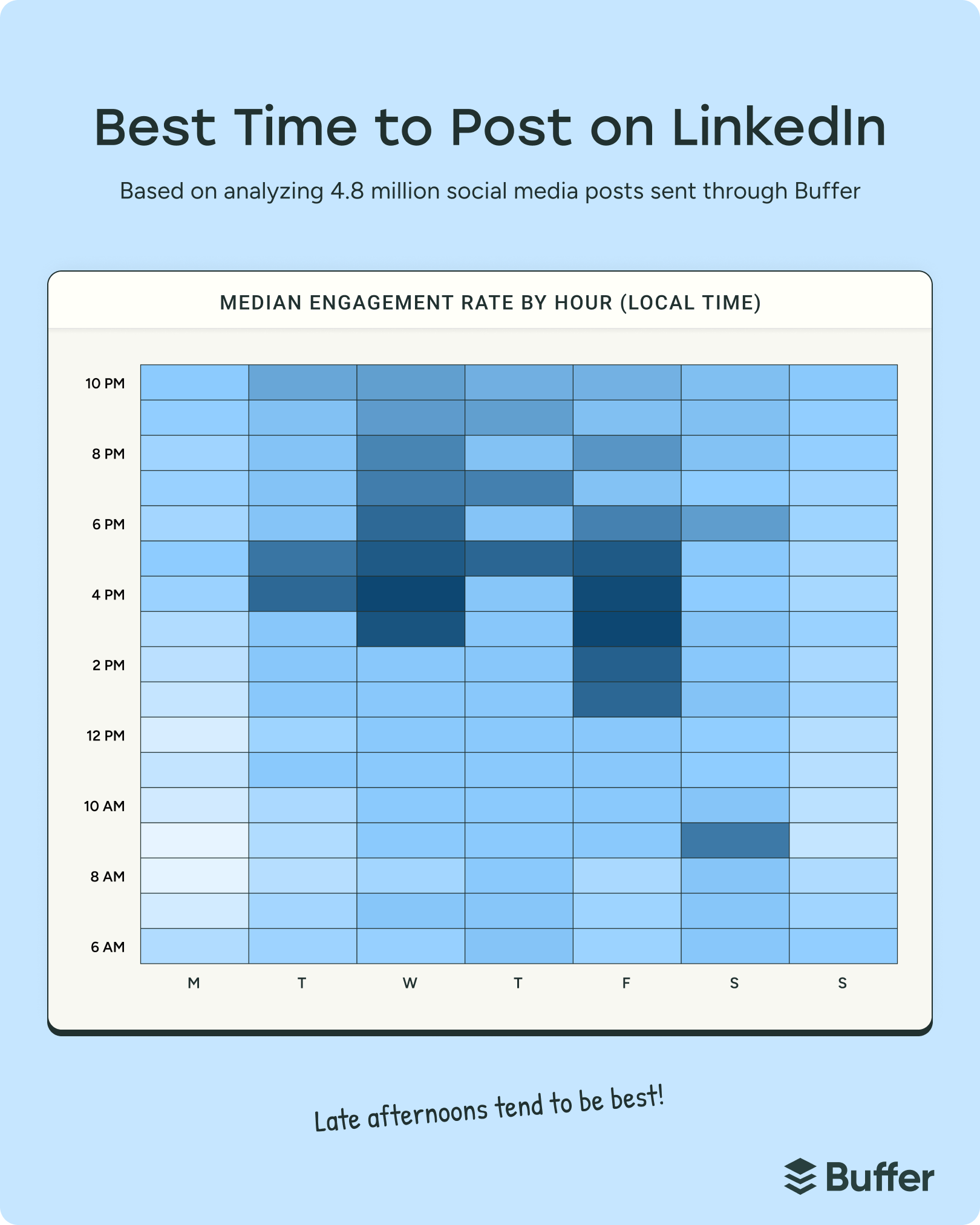
The study identifies the window between 3:00 p.m. and 8:00 p.m. on weekdays as the most fertile ground for engagement. This shift reflects a broader societal change in how professionals manage their digital presence. With the normalization of hybrid work and the increasing "TikTok-ification" of professional content, users are more inclined to scroll through their feeds during commutes, evening relaxation, or late-night industry catch-ups.
Chronology of LinkedIn Content Consumption (2020–2026)
To understand the 2026 data, one must look at the evolution of the platform over the last six years:
- 2020–2022: The Pandemic Surge. During the height of remote work, LinkedIn engagement was scattered throughout the day as the lines between home and office blurred.
- 2023–2024: The Return to Routine. As corporate mandates brought workers back to offices, engagement re-aligned with traditional "coffee breaks" and lunch hours.
- 2025: The Working Hour Peak. Engagement was almost exclusively confined to the hours of 9:00 a.m. to 5:00 p.m., with weekends and evenings essentially becoming "dead zones" for professional content.
- 2026: The After-Hours Evolution. The current data shows that while professionals still use the platform during the day, the highest density of reactions, comments, and shares occurs after 3:00 p.m., extending deep into the evening.
Data Analysis: The Best Times by the Day
The study normalized all posting times to the user’s local time zone, removing the need for complex conversions and providing a universal blueprint for global creators.
Mid-Week Dominance: Wednesday and Thursday
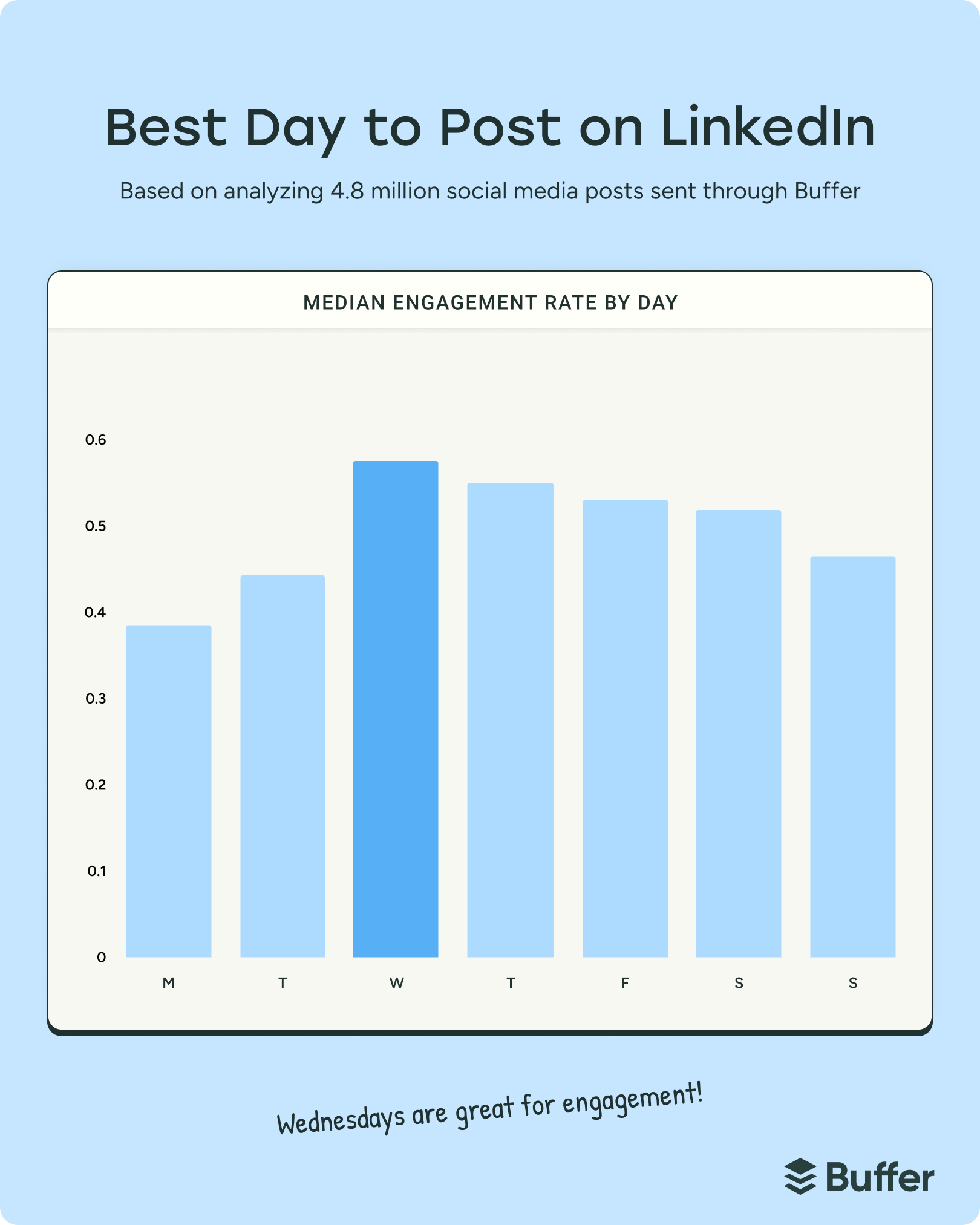
Wednesday remains the undisputed champion of LinkedIn engagement. The "hump day" phenomenon suggests that by mid-week, professionals are fully immersed in their work cycle and actively seeking external perspectives or networking opportunities. The peak time for Wednesday is 4:00 p.m., followed closely by 3:00 p.m. and 5:00 p.m. Thursday follows a similar pattern, with 5:00 p.m. being the primary slot for high-performance content.
The Friday "Wind-Down" Effect
Contrary to the belief that engagement drops off on Fridays as people head into the weekend, Friday has emerged as one of the strongest days for content creators. The data highlights 3:00 p.m. and 4:00 p.m. as peak hours. Analysts suggest this is due to "low-stakes" browsing that occurs as professionals finish their weekly tasks and begin reflecting on industry trends before the weekend.
Monday and Tuesday: The Focus Period
Monday and Tuesday consistently show the lowest engagement numbers of the workweek. Monday’s peak engagement does not occur until 10:00 p.m., suggesting that professionals spend their first day of the week catching up on emails and meetings, only turning to LinkedIn once their primary responsibilities are handled. Tuesday shows a slight improvement, with 4:00 p.m. being the optimal window.
Weekend Anomalies
While Saturday and Sunday generally see lower traffic, they are not without opportunities. Saturday at 9:00 a.m. sees a small spike in engagement from "weekend warriors" and career-driven individuals who use Saturday mornings for professional development. Sunday engagement is highest at 10:00 p.m., likely driven by the "Sunday Scaries"—professionals preparing for the week ahead by checking in on industry news.
Supporting Data: Frequency and Format
The 2026 report emphasizes that timing is only one component of a successful LinkedIn strategy. The volume and type of content published are equally critical to navigating the platform’s current algorithm.
The Impact of Posting Frequency
Buffer’s analysis of over 2 million posts regarding frequency revealed a clear correlation between volume and reach:
- 1 Post per Week: The baseline for maintaining a presence.
- 2–5 Posts per Week: This cadence results in an average of 1,182 more impressions per post and a 0.23% lift in engagement rate compared to once-weekly posting.
- 6–10 Posts per Week: Delivers approximately 5,001 additional impressions per post.
- 11+ Posts per Week: This high-volume strategy results in nearly 17,000 more impressions per post and three times the engagement of lower-frequency accounts.
The Rise of Document Carousels
In terms of format, the data indicates that LinkedIn’s algorithm currently prioritizes "Document" or "Carousel" posts. These formats generate up to 596% more engagement than text-only posts. This is largely attributed to "dwell time"—the amount of time a user spends on a post. As users click through the slides of a carousel, the algorithm interprets this sustained attention as a signal of high quality, subsequently pushing the content to a wider audience.
The Role of the LinkedIn Algorithm
LinkedIn’s algorithm functions as a feedback loop. While the platform has not officially confirmed a specific "Golden Hour," it is widely accepted that early engagement signals (likes, comments, and shares within the first 60–90 minutes) are vital. When a post is published during high-activity windows, such as 4:00 p.m. on a Wednesday, it has a higher probability of garnering these early signals.
Official insights from LinkedIn’s own marketing blog suggest that while the algorithm prioritizes relevance over recency, the two are inextricably linked. A relevant post that gains immediate traction due to optimal timing is more likely to be surfaced in the feeds of second and third-degree connections, creating a viral "snowball effect."
Professional Reactions and Industry Implications
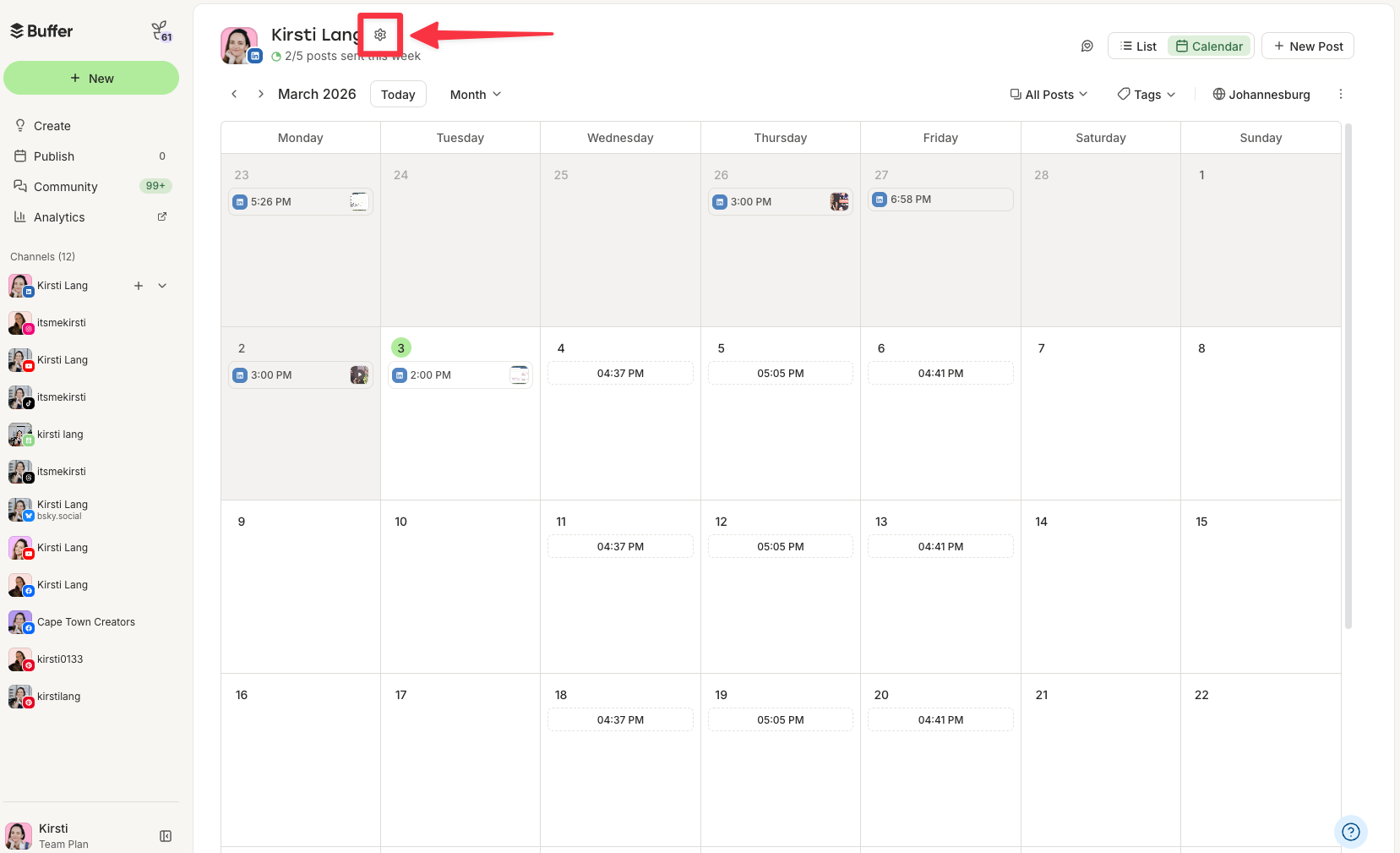
Marketing experts have noted that the shift to evening engagement requires a change in how brands manage their social media teams. "If the peak engagement is happening at 8:00 p.m., companies can no longer rely on social media managers who only work 9-to-5," says one digital strategist. "This data necessitates either the use of sophisticated scheduling tools or a shift in staffing hours to ensure community management is active when the audience is actually online."
Furthermore, the data suggests that the tone of LinkedIn content may need to evolve. Content consumed at 7:00 p.m. while someone is at home may benefit from being more conversational, visual, and story-driven than the dry, analytical reports that dominated the platform during traditional office hours.
Broader Impact and Future Outlook
The findings from 2026 indicate that LinkedIn is successfully transitioning from a static "online resume" or job board into a dynamic content ecosystem. The platform’s ability to capture attention outside of working hours puts it in direct competition with other social media giants for "leisure time" scrolling.
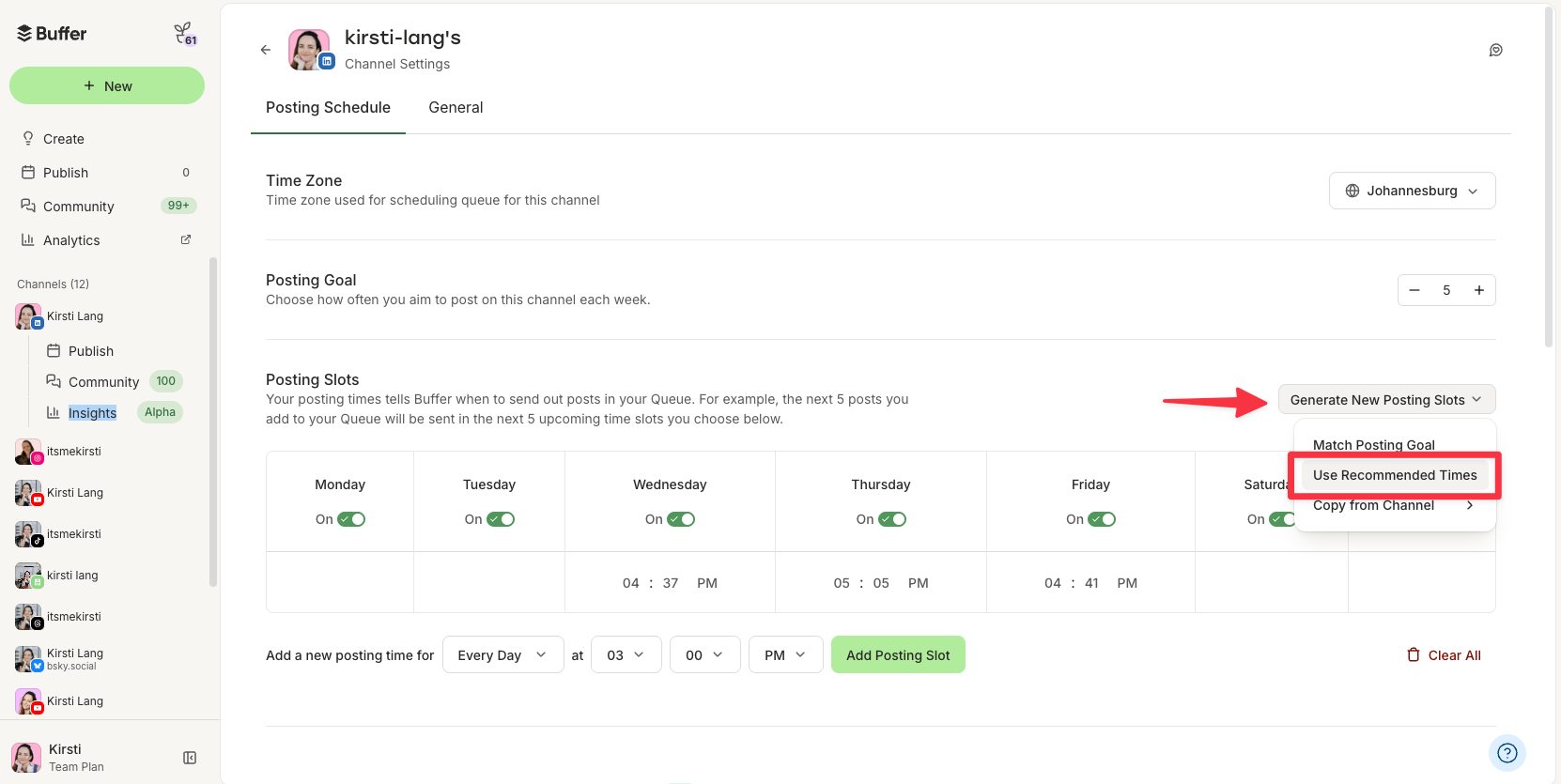
For personal brands and corporate pages, the implications are clear: the most successful users will be those who treat LinkedIn as a 24/7 community rather than a daytime-only bulletin board. As the platform continues to refine its algorithm, the importance of data-driven timing, high-frequency posting, and interactive formats like carousels will only increase.
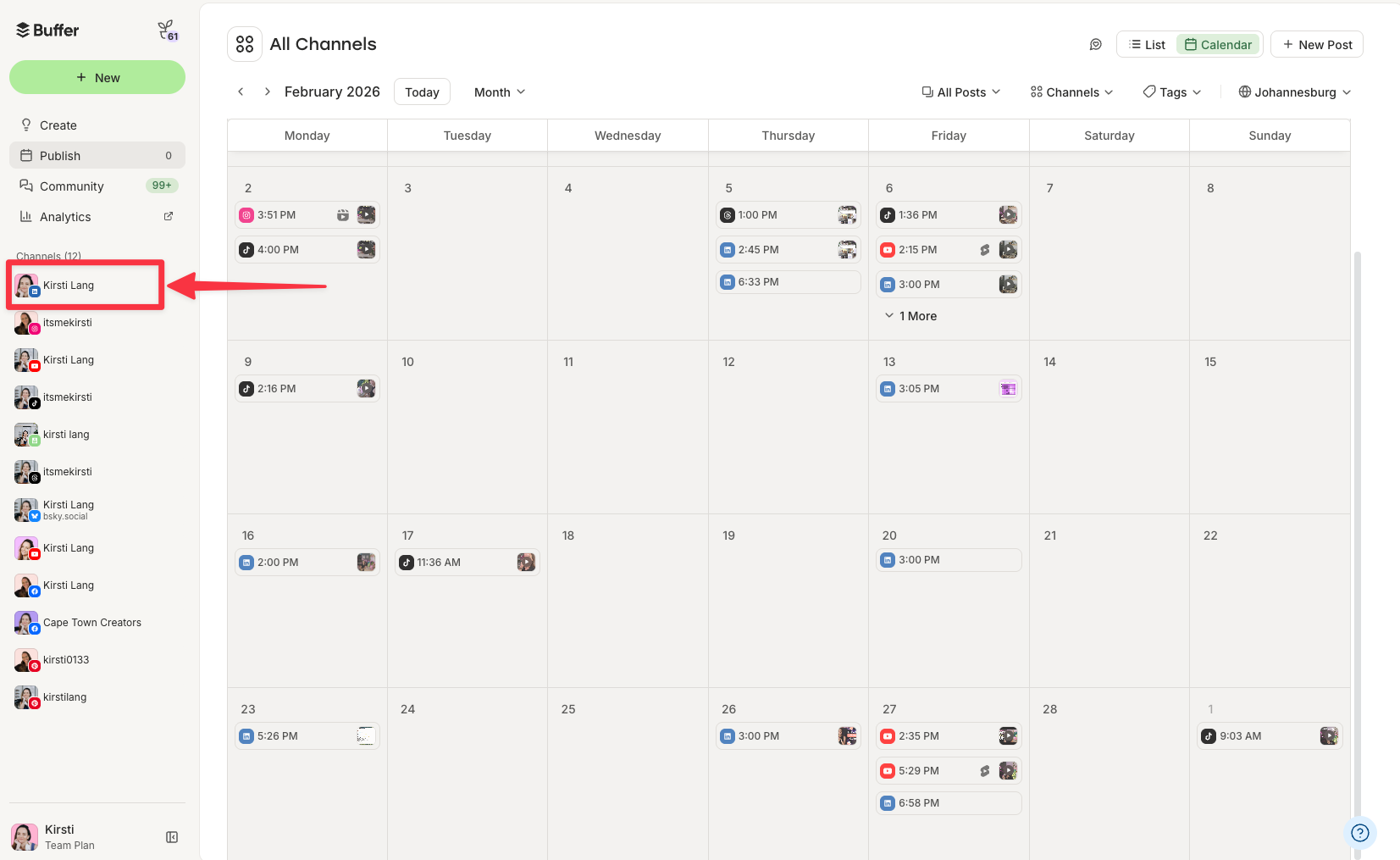
While the "best time to post" will always vary slightly depending on a specific niche or target demographic, the 2026 Buffer study provides the most statistically significant roadmap available for navigating the current professional digital landscape. Marketers are encouraged to use these findings as a baseline while continuously monitoring their own unique analytics to fine-tune their approach in an ever-evolving social media environment.