
The comment section is no longer just a digital suggestion box; it has evolved into the primary port of call for a brand’s customer experience and a real-time barometer for audience sentiment. Directly beneath a brand’s content lies a complex, high-velocity ecosystem that dictates culture, builds community, and facilitates audience discovery. In the contemporary social landscape, the act of "running to the comments" after viewing a video or post has become a cornerstone of the overall user experience. This trend is driven by a fundamental shift in consumer psychology, particularly among younger demographics who prioritize authenticity over curated marketing.
According to data from the Sprout Social Q1 2026 Pulse Survey, approximately 30% of all consumers—and a significant 43% of Gen Z—have increased their consumption of text-based social media. These users are actively seeking opportunities for genuine discussion and transparent interaction. However, this immediate feedback loop presents a double-edged sword for corporations. While it offers unprecedented access to consumer insights, it also creates an environment of high expectations where brands are expected to be "on" 24/7, delivering rapid-fire responses while maintaining strict brand safety and message alignment. Managing this stream requires a sophisticated dual approach: high-impact tactical workflows for social and care teams, supported by strategic guardrails from communication leaders.
The Economic Impact of the Social Dialogue
The stakes of social media engagement are increasingly tied to the bottom line. The 2025 Sprout Social Index indicates that 73% of social users agree that if a brand fails to respond to them on social platforms, they will shift their business to a competitor. This statistic underscores a shift in consumer loyalty; prompt, empathetic responses are no longer a "nice-to-have" but a core requirement for brand satisfaction and retention.

Furthermore, the role of social media as a search tool is disrupting traditional commerce paths. The Q2 2026 Pulse Survey revealed that 30% of consumers now favor social networks over traditional search engines when looking for product reviews and recommendations. Because the comment section serves as a repository for unfiltered, third-party thoughts, it acts as a primary source of social proof. Brands that proactively manage these comments can position themselves as thought leaders and experts, directly influencing the "discovery-to-purchase" pipeline. Community-focused content is also in high demand, with 27% of consumers explicitly stating they want to see more community-centric initiatives from the brands they follow.
The Evolution of Social Interaction: A Chronological Context
To understand the current state of social media management, one must look at the evolution of digital communication over the last two decades. In the early 2010s, social media was largely a broadcast medium—a "one-to-many" communication style where brands posted updates and ignored the feedback. By the mid-2010s, the rise of "social care" began to emerge as platforms like Twitter (now X) became hubs for customer service complaints.
By 2020, the pandemic accelerated the shift toward "community-led growth," where the comment section became a virtual town square. Today, in the mid-2020s, we have entered the era of "Social Discovery and Real-Time Accountability." The timeline of a typical brand interaction has compressed from days to minutes. A single unaddressed negative comment can go viral within hours, necessitating a framework that balances speed with accuracy and empathy.
Strategic Frameworks for Daily Comment Management
Effective comment management requires a structured approach that categorizes interactions into three primary streams: positive reinforcement, negative resolution, and hostile moderation. Without a dedicated strategy, brands risk alienating followers or producing jarring, inconsistent messaging that undermines core values.
Cultivating Loyalty Through Positive Engagement
Responding to positive comments is a critical yet often overlooked aspect of brand health. When a customer expresses appreciation, a sincere, personalized response can solidify long-term loyalty. Industry best practices suggest that brands should avoid "canned" responses, instead opting for a tone that matches the customer’s energy.
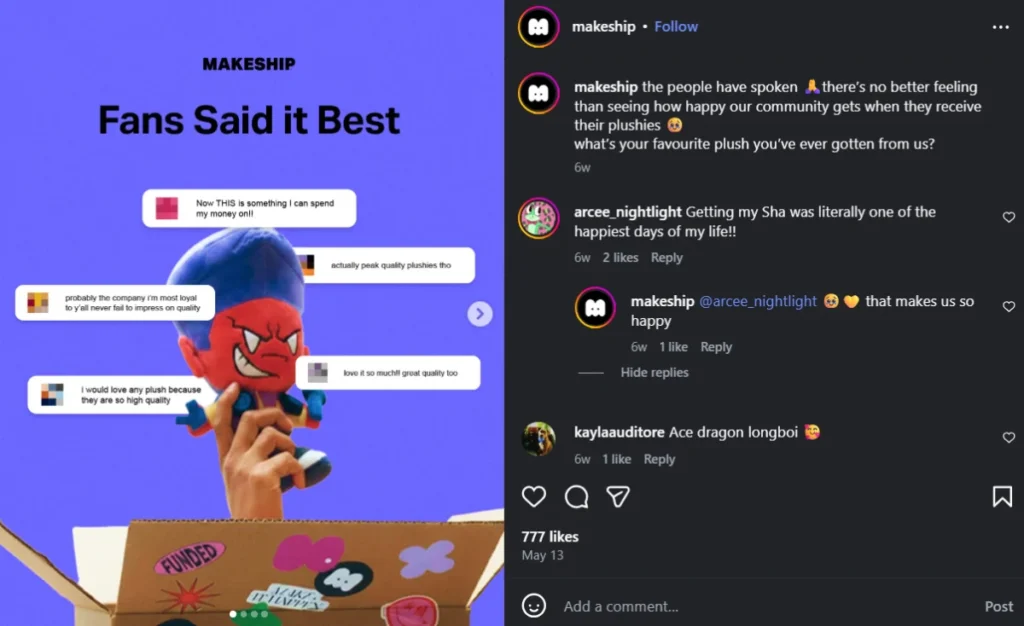
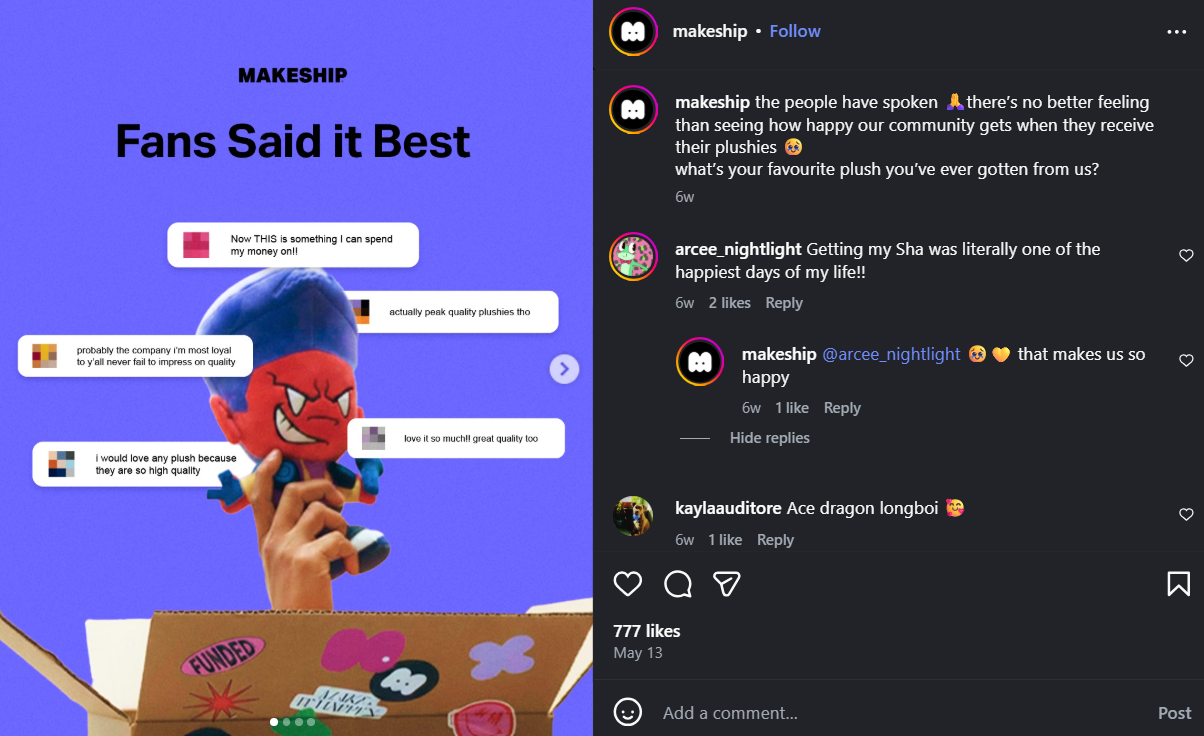
For instance, the plushie brand Makeship has gained traction by treating customers like friends, using emojis and sincere language that mirrors the original comment’s enthusiasm. This "mirroring" technique not only builds trust but also encourages further engagement, as followers see that their contributions are valued. Additionally, positive comments serve as vital internal intelligence, providing decision-makers with qualitative data to forecast future product ideas or marketing directions.
Mitigating Risk Through Empathetic Resolution
Negative comments generally stem from issues regarding product quality or customer care. The goal here is de-escalation. A respectful, calm, and personalized approach can transform a disgruntled user into a brand advocate.
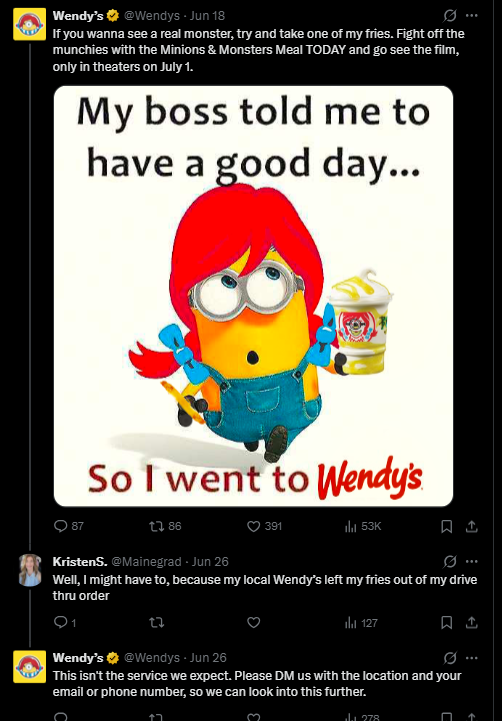
A hallmark of sophisticated social care is the "public-to-private" transition. For example, the social team at Wendy’s is known for addressing complaints—such as missing items in a drive-thru order—with immediate empathy before moving the conversation to private messages (DMs) to resolve the issue. This demonstrates to the public that the brand is responsive while protecting the customer’s privacy and preventing the public thread from becoming a venting ground.

Defining Boundaries: Offensive Content and Hate Speech
There is a distinct line between a negative customer experience and hate speech. Brands must establish clear boundaries for what constitutes inappropriate behavior. Dehumanizing language, personal attacks, and offensive slurs require a zero-tolerance policy. In these instances, professional candor is essential; the objective is to protect the community rather than engage with "trolls" who seek to provoke. Moderation teams must be empowered to block, report, and delete content that violates community guidelines to maintain a safe environment for other users.
Navigating Brand Threats and Crises
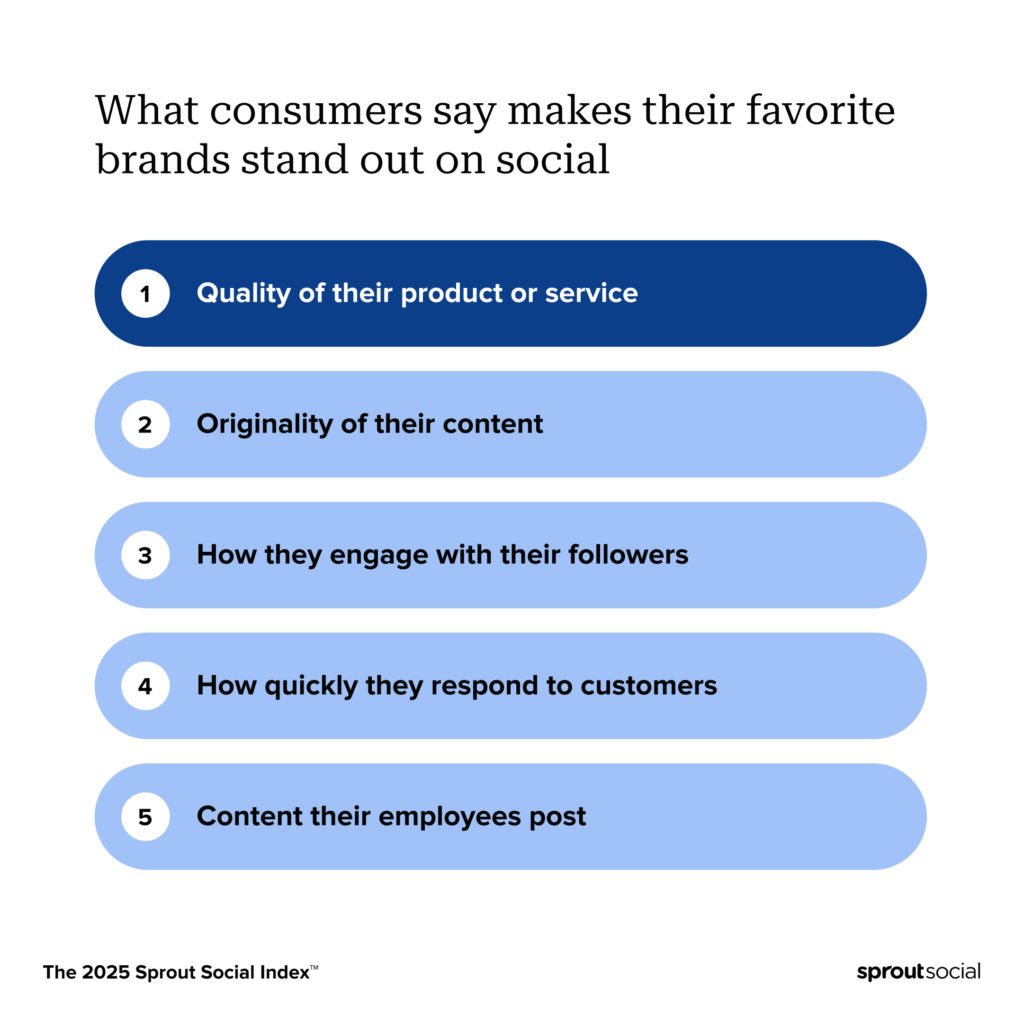
The comment section is often the "ground zero" of a corporate crisis. Data from the Q2 2026 Pulse Survey confirms that social media is the number one place consumers first hear about a brand controversy. Crucially, 64% of consumers believe it is vital for a brand to respond to a crisis publicly on social media rather than through a traditional press release or a static website statement.
Response speed is a determining factor in reputation recovery. Only 16% of general consumers (and a mere 10% of Gen Z) believe that response speed does not affect their view of a brand’s handling of a crisis. Therefore, a crisis communication plan must be integrated directly into the social media workflow.
Case Study: The Ryanair "Seat Allocation" Response
In a notable example of modern crisis management, an influencer posted a viral reel explaining how to "game" the airline Ryanair’s seat allocation system. Instead of issuing a litigious or panicked statement, Ryanair’s social team responded with a meme. By using humor to acknowledge the situation, the brand softened the blow and regained control of the narrative, demonstrating that not every negative trend requires a formal escalation.
The Crisis Response Checklist
When a comment thread indicates a systemic issue rather than an isolated incident, communication professionals should:
- Assess the Scale: Determine if the issue is a "one-off" or a broader trend.
- Document Everything: Keep records and screenshots of threads for legal and HR stakeholders.
- Pause Scheduled Content: Prevent "tone-deaf" automated posts from appearing during a sensitive moment.
- Acknowledge Early: Even if a full solution isn’t ready, acknowledge the issue to show the brand is listening.
The Role of Technology in Scaling Engagement
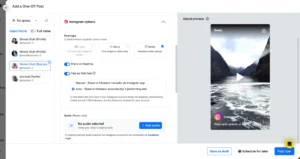
As brands expand across platforms—from Facebook and Instagram to TikTok, LinkedIn, and Reddit—manual monitoring becomes impossible. The integration of sophisticated tools like Sprout Social’s Smart Inbox allows organizations to unify disparate social streams into a single source of truth.
Technological solutions now offer:
- Automated Categorization: Using AI to tag and prioritize urgent messages.
- Sentiment Analysis: Predictive tools like NewsWhip that anticipate risk by tracking how narratives are trending in real-time.
- Keyword Filtering: Automatically hiding or blocking specific words to maintain brand alignment.
- Enterprise Integration: Connecting social care workflows with CRM tools like Salesforce to ensure the social team has a full view of the customer’s history.
Forums like Reddit have also become essential. Through expanded partnerships, brands can now moderate subreddits they own, engaging in deep-dive discussions that were previously unmanaged. This level of oversight ensures that even in the most niche corners of the internet, the brand’s voice remains consistent and protective.
Conclusion: From Liability to Asset
Effective social media comment management requires a collaborative mindset that bridges the gap between tactical agility and strategic vision. When social care teams are empowered with clear guidelines and robust technology, the comment section ceases to be a liability and becomes a powerful engine for growth.
By fostering a proactive environment where every comment is viewed as an opportunity for connection or improvement, brands can drive undeniable customer retention. In an era where 73% of consumers are willing to walk away over a single ignored message, the digital dialogue is no longer just "talk"—it is the very foundation of modern brand resilience. Improving social media responses is not merely a task for the marketing department; it is a vital business strategy to nurture communities and protect the long-term health of the enterprise.