
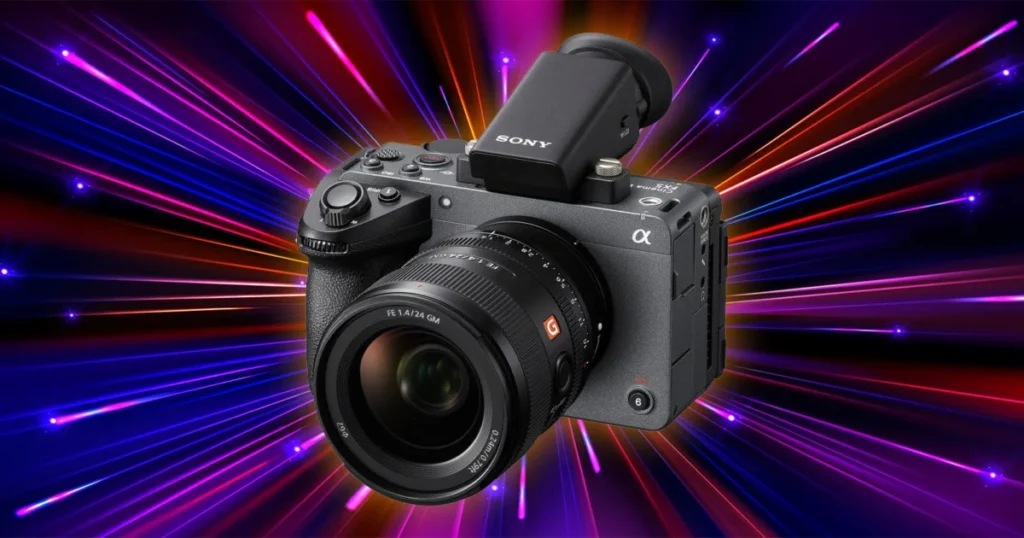

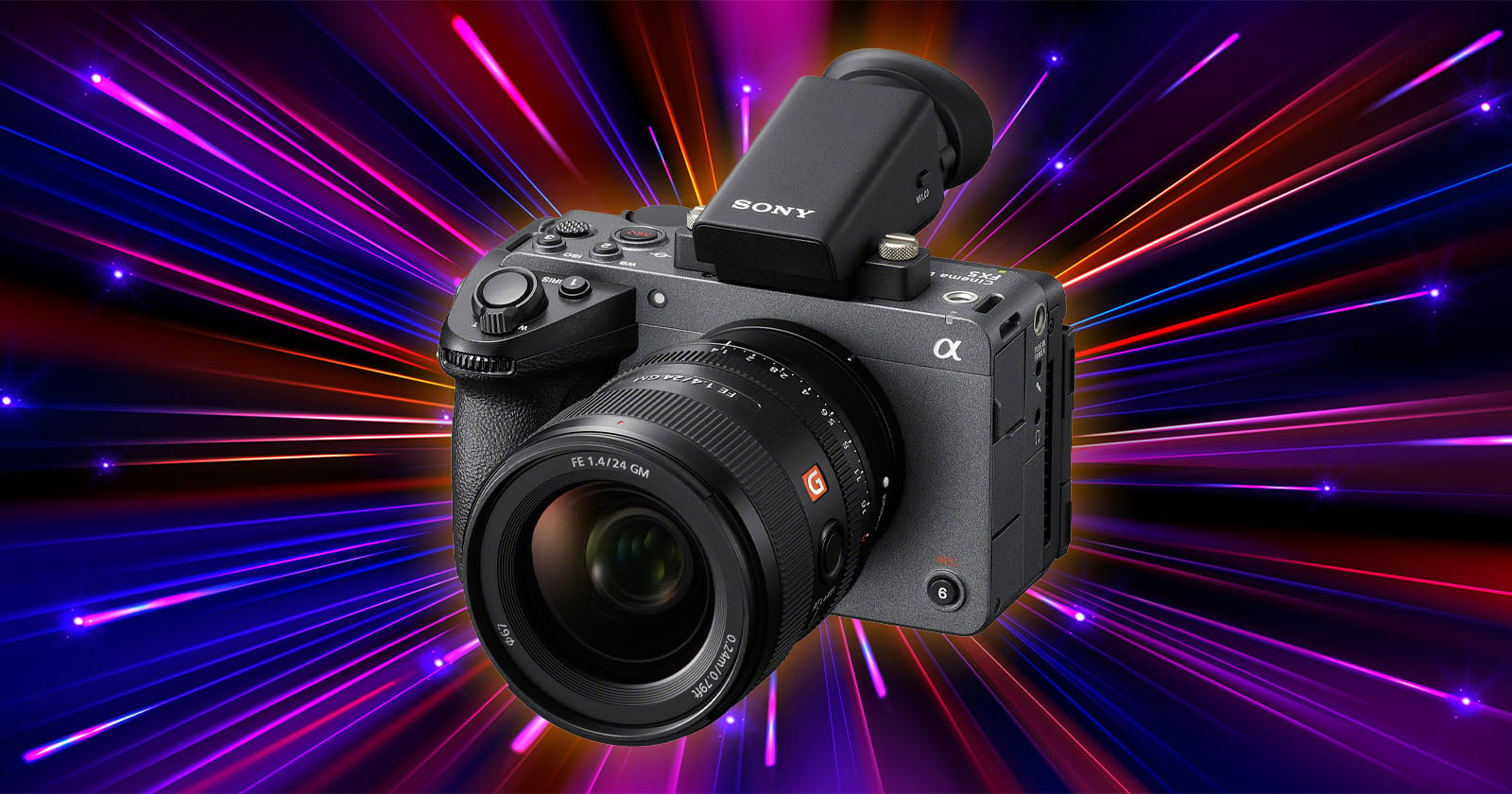
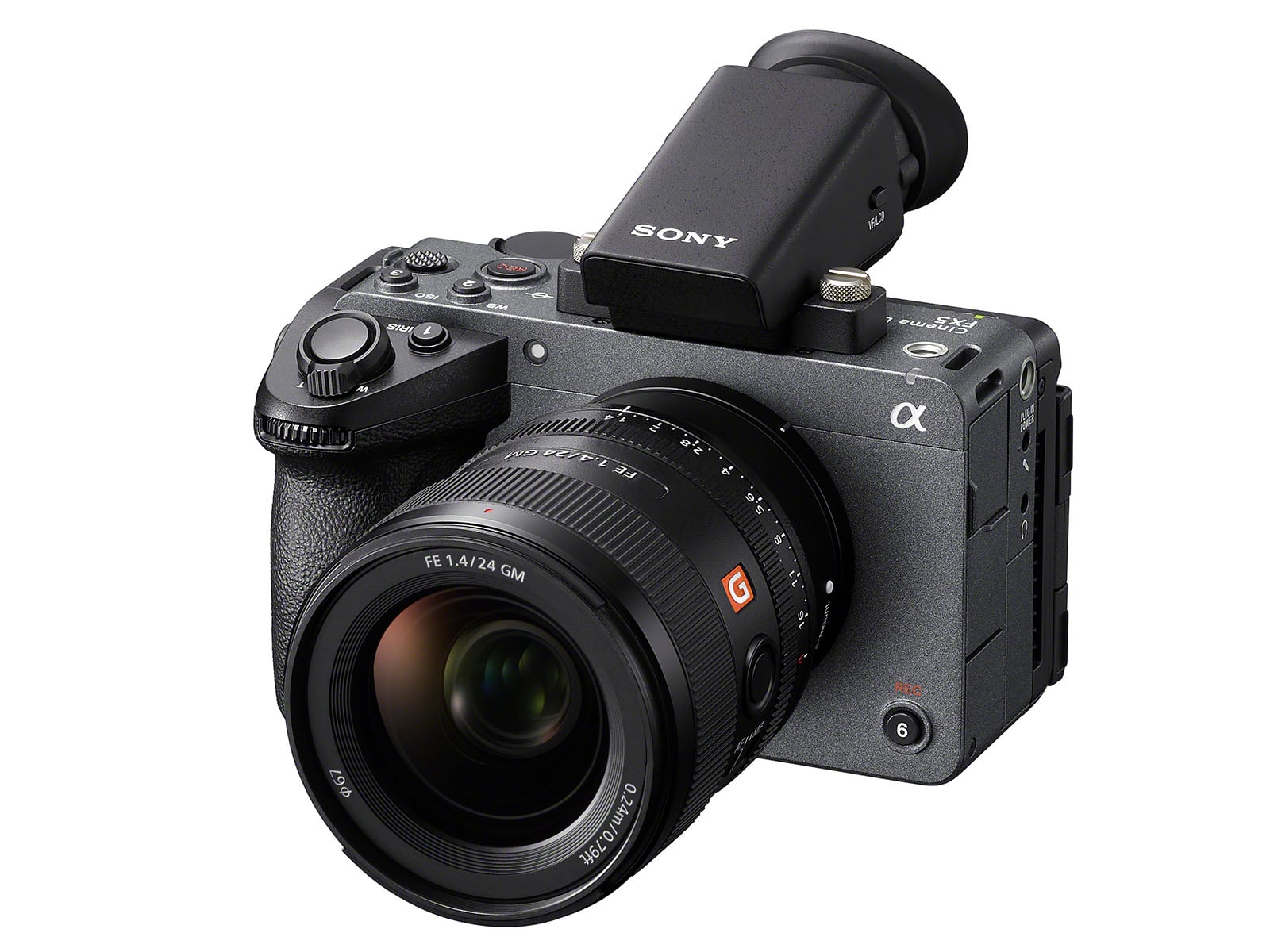
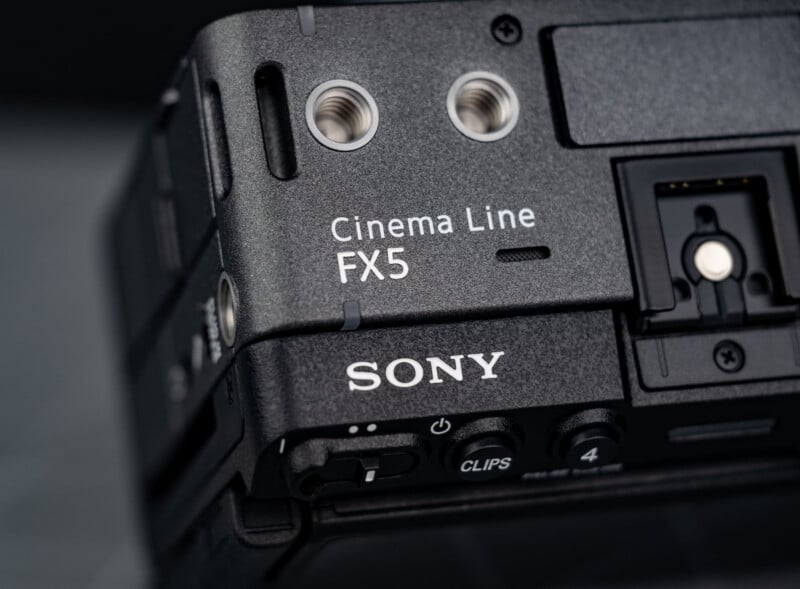
The Sony FX5 has been officially unveiled, marking a significant technological pivot for the company’s Cinema Line and establishing a new product tier designed to bridge the gap between compact mirrorless-style bodies and full-scale cinema rigs. This release represents a direct response to a maturing market where professional cinematographers and high-end content creators have increasingly demanded specific features—most notably internal RAW recording and Open Gate functionality—that were previously absent from Sony’s mid-range offerings. Built around a newly developed 16.6-megapixel sensor and the Bionz XR2 processor, the FX5 is positioned not as a direct successor to the FX3 or a compact version of the FX6, but as a distinct tool intended to redefine the capabilities of a portable cinema camera.
Technical Specifications and Hardware Architecture
At the heart of the Sony FX5 is a 16.6-megapixel image sensor, which industry analysts suggest is a specialized variant of the high-resolution sensors found in Sony’s flagship photography line, utilizing a Quad Bayer pattern to optimize for both speed and dynamic range. This sensor, paired with the latest Bionz XR2 processing engine, allows the FX5 to record at resolutions up to 5K. While the industry has seen a push toward 8K, Sony’s decision to cap the FX5 at 5K suggests a focus on data efficiency and thermal management, providing enough overhead for high-quality 4K delivery while maintaining the performance benefits of a lower-resolution sensor.
The camera introduces a triple-base ISO system, featuring native sensitivities at ISO 800, 4000, and 12800. This configuration provides filmmakers with exceptional flexibility across varying lighting conditions, ensuring clean signal-to-noise ratios in both bright daylight and low-light environments. Furthermore, the FX5 incorporates a Dynamic Range Boost mode, which maximizes the sensor’s latitude, although this mode does introduce certain limitations regarding readout speed.
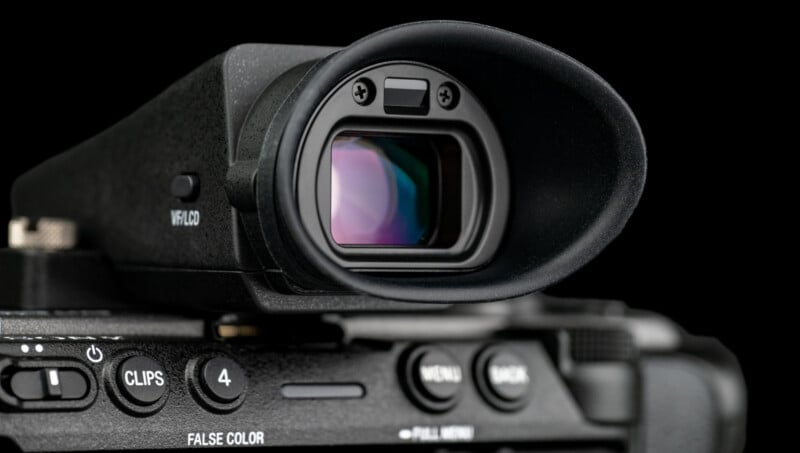
Ergonomically, the FX5 maintains the compact form factor popularized by the FX3 but introduces several professional-grade physical enhancements. The most notable is the inclusion of a detachable electronic viewfinder (EVF) and a larger, high-resolution rear display. While the EVF attachment provides a traditional shooting experience, it does occupy the Multi Interface (MI) shoe, which is required for the camera’s 32-bit float audio recording capabilities. This trade-off emphasizes the camera’s modular nature, allowing users to rig the device according to the specific needs of a production.
The Introduction of Internal 16-bit RAW and Open Gate
For several years, the primary criticism directed at Sony’s FX Series was the reliance on external recorders, such as those from Atomos, to achieve RAW video output. The Sony FX5 addresses this by offering internal 16-bit RAW recording in the X-OCN (Extended Original Camera Negative) format. This move brings Sony into direct parity with competitors like Canon, Nikon, and Panasonic, who have integrated various forms of internal RAW recording into their recent releases. The inclusion of 16-bit X-OCN internally provides colorists with a massive amount of data for post-production, allowing for extreme grading and recovery that standard 10-bit codecs cannot match.
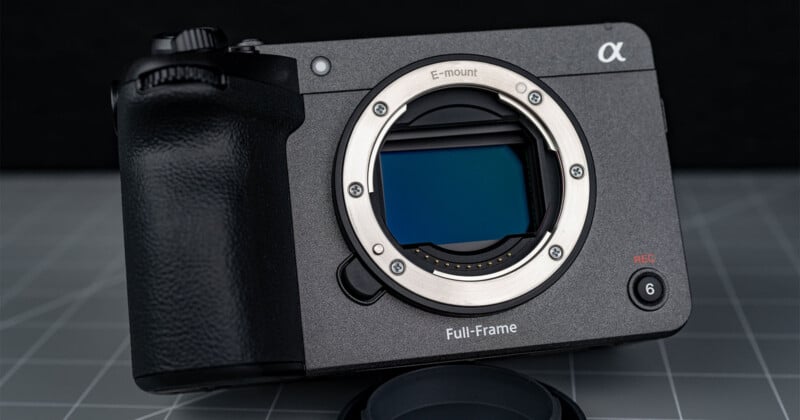
Equally significant is the inclusion of Open Gate recording. Open Gate allows the camera to utilize the full height and width of the sensor, providing a taller aspect ratio than standard 16:9. This is a critical feature for two specific modern workflows: anamorphic cinematography and social media content creation. For anamorphic shooters, Open Gate provides the necessary sensor height to utilize the full characteristics of the lens. For social media creators, the extra vertical resolution allows for more flexible cropping into 9:16 vertical formats without sacrificing image quality. Curiously, on the FX5, Open Gate functionality is currently limited to RAW recording modes, a technical decision that may be tied to the processing requirements of de-squeezing or scaling the full sensor readout.
A Chronology of the Sony Cinema Line Evolution
To understand the impact of the FX5, one must look at the timeline of Sony’s Cinema Line development. The series began its modern era with the FX9 in late 2019, which brought full-frame cinematography to a versatile camcorder form factor. This was followed in late 2020 by the FX6, which became an industry standard for documentary and reality television due to its built-in electronic variable ND filter and compact size. In early 2021, Sony released the FX3, a camera that shared the sensor of the A7S III but housed it in a fan-cooled, cage-free body optimized for solo operators.
Since the release of the FX3 and FX6, the competitive landscape has shifted dramatically. Panasonic introduced the GH6 and S5IIX, both offering internal ProRes RAW and Open Gate. Nikon entered the video space aggressively with the Z9 and Z8, featuring internal 8K N-RAW. Canon updated its Cinema EOS line with the R5C and C70, providing robust internal RAW options. Throughout this period, Sony users remained on the 12-megapixel sensor architecture of the FX3/FX6, leading to a vocal demand for a "next-generation" sensor that could offer higher resolutions and more professional internal recording formats. The FX5 represents the first major architectural leap for the Cinema Line since 2020, signaling the start of a new chapter for the brand.
Comparative Analysis: FX5 vs. FX6 and Market Rivals
While the FX5 surpasses the older FX6 in terms of raw resolution and internal recording formats, Sony has carefully segmented the two products to ensure the FX6 remains viable for specific professional workflows. The FX5 lacks the internal electronic variable Neutral Density (ND) filter found in the FX6—a feature many documentary filmmakers consider indispensable. Additionally, the FX5 does not include Genlock or SDI output, which are essential for multi-camera broadcast environments and high-end onset monitoring.
Compared to its market rivals, the FX5’s $4,900 price point places it in a competitive, albeit premium, position.
- Vs. Canon EOS C70: The FX5 offers a newer sensor and internal 16-bit RAW, whereas the C70 relies on 12-bit Cinema RAW Light. However, the C70 includes built-in ND filters and a dedicated video-centric body.
- Vs. Blackmagic Pyxis 6K: Blackmagic offers a lower entry price and internal BRAW, but the Sony FX5 provides a significantly more advanced autofocus system powered by AI, as well as superior battery life and a more established lens ecosystem.
- Vs. Nikon Z8: While the Nikon Z8 offers 8K internal RAW at a lower price, the FX5 provides a dedicated cinema workflow, including CineAlta-inspired menus, waveform monitoring, and a cooling system designed for unlimited recording in professional environments.
Professional Implications and Market Impact
The release of the FX5 has immediate implications for the professional video production market. By providing internal RAW and Open Gate, Sony has removed the "gatekeeping" factors that previously forced some productions to choose other camera systems. Filmmakers who were previously losing contracts because clients demanded anamorphic-ready sensors or RAW deliverables can now remain within the Sony ecosystem.
The inclusion of AI-powered autofocus and improved stabilization further cements the FX5 as a "run-and-gun" powerhouse. For B-camera and C-camera use on larger sets, the FX5 can be easily matched with Sony’s higher-end Venice or FX9 cameras thanks to the shared color science and the CineAlta user interface. In the independent film sector, the FX5’s ability to record 16-bit RAW internally reduces the need for bulky external accessories, allowing for a more streamlined and mobile production kit.
Industry experts anticipate that the FX5 will be particularly popular among commercial and music video directors who prioritize aesthetic flexibility. The ability to switch between high-speed 4K, 5K RAW, and Open Gate anamorphic modes within a single compact body allows for a high degree of creative experimentation without the overhead of a traditional cinema camera rental.
Future Outlook for the Sony FX Series
The Sony FX5 is more than just a new camera; it is a foundation for the future of Sony’s video strategy. The technologies debuted here—the 16.6MP sensor, the 16-bit internal RAW, and the triple base ISO—are likely to migrate to future iterations of the FX6 and perhaps a successor to the FX9.
By addressing the specific technical limitations that have frustrated users for the past several years, Sony has reasserted its dominance in the mid-range cinema market. While the lack of internal ND filters and SDI output may keep some traditional broadcasters loyal to the FX6 or FX9, the FX5 captures the largest growing segment of the market: high-end content creators, independent filmmakers, and specialized production houses. As the industry continues to move toward more data-heavy workflows and flexible aspect ratios, the FX5 stands as a timely and consequential evolution of the modern cinema camera.