

Artificial intelligence is rapidly reshaping how information is consumed and disseminated. As AI models learn by processing vast amounts of online data, marketers are left navigating uncharted territory, often operating with limited insights into how their digital presence is perceived and utilized by these intelligent systems. A recent comprehensive analysis, dubbed "The AI Crawl vs. Traffic Report," delves into this critical gap, examining how AI bots interact with marketing websites and offering actionable intelligence for businesses aiming to optimize their online strategy.
The core of the study, conducted by [Insert hypothetical research firm or publication name, e.g., "Digital Insights Group"], involved analyzing bot-tracking data from over 74 diverse marketing accounts, primarily leveraging insights from Cloudflare’s bot management services. The research aimed to answer fundamental questions: Which pages do AI models visit most frequently? Where do they direct human visitors? The findings reveal significant patterns in AI behavior that challenge existing assumptions and highlight crucial areas for strategic adjustment.
The Homepage: AI’s Primary Destination
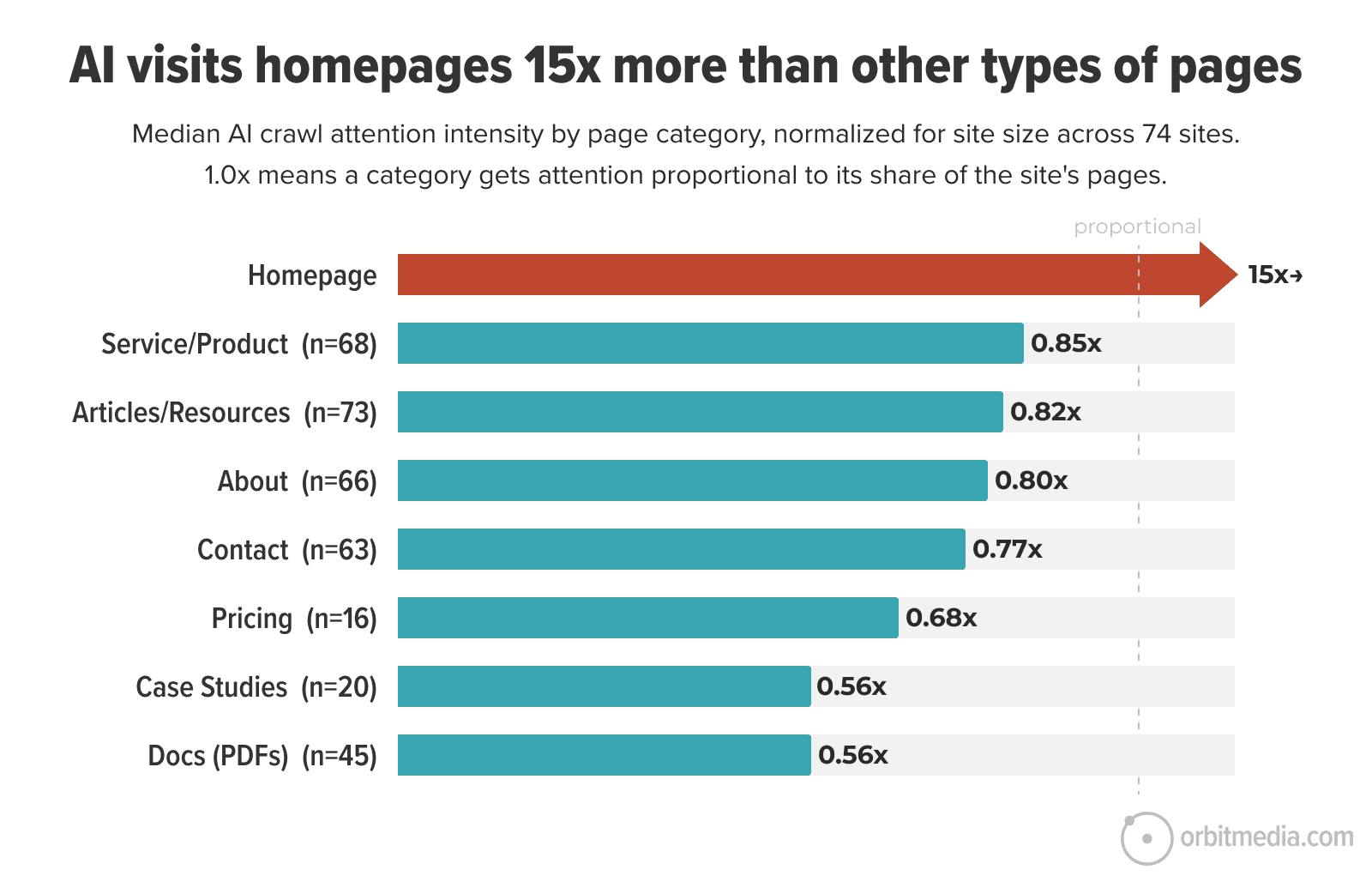
One of the most striking revelations from the report is the disproportionate attention AI bots pay to homepages. Across the analyzed accounts, homepages were crawled approximately 15 times more frequently than any other single page type on a website. This figure stands in stark contrast to a hypothetical even distribution, where a homepage, representing a small fraction of total URLs, would receive a proportionally small share of crawl requests.
"Homepages are the undisputed focal point for AI crawlers," stated [Hypothetical expert name, e.g., Dr. Anya Sharma, Lead Data Scientist at Digital Insights Group]. "While we anticipated some level of interest, the magnitude of this preference is extraordinary. It suggests that AI models, in their foundational learning phase, prioritize the most prominent entry point to a brand’s digital identity."
The report categorized other page types for comparison, including service/product pages, articles/resources, about pages, contact pages, pricing, and case studies. Even when aggregated, these secondary pages received significantly less proportional AI attention compared to the homepage. This data underscores a key takeaway: if the objective is to ensure AI has a comprehensive understanding of a brand, its core messaging and offerings should be prominently featured on the homepage. The study suggests that the question of "what to publish" might be secondary to "where to publish" when aiming for AI visibility.
Cyrus Shepard, Founder at Zyppy, commented on these findings, noting, "This data suggests that many publishers may be sleeping on the potential of their homepages. It makes sense, but you have to wonder how many brands really pay attention to what their homepage says about them, or if they are offloading this valuable information space to about, support, and article pages."
Implications for Marketers: This insight carries significant weight for content strategy. Businesses should scrutinize their homepages to ensure they effectively communicate their value proposition, key offerings, and brand essence. Optimizing the homepage is not just a user experience best practice; it’s a critical step in training AI models to accurately represent and recommend a brand.
Website Size and AI Attention: A Correlation Emerges
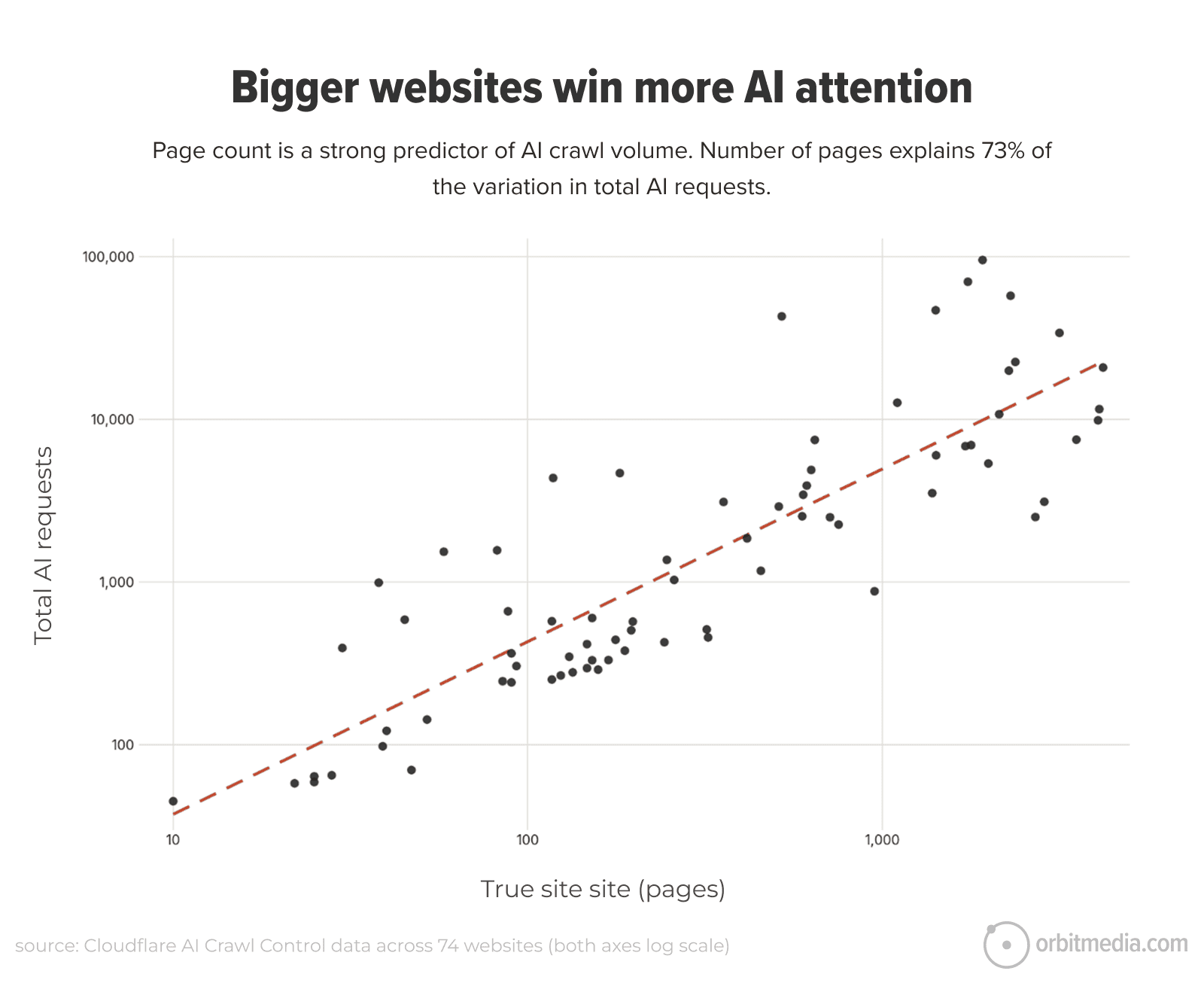
Beyond specific page types, the study also investigated the relationship between a website’s overall size – measured by the total number of URLs – and the attention it receives from AI. The findings indicate a strong, almost perfectly proportional correlation: larger websites tend to attract more total AI attention.

The data revealed a correlation coefficient of 0.86 between page count and AI requests, suggesting that as the number of pages on a website increases, so does the volume of AI crawling activity. This aligns with traditional search engine behavior, where a larger digital footprint often translates to greater discoverability. More pages provide more potential entry points for AI models to index and process.
However, the analysis also highlighted nuances within this correlation. The scatter plot of the data revealed outliers, indicating that some smaller websites, despite having fewer pages, managed to attract a disproportionately high amount of AI attention. This suggests that factors beyond sheer volume, such as content quality, on-page optimization, and brand authority, can play a significant role in attracting AI interest.
Analysis: This finding implies that while a robust website architecture is beneficial for AI visibility, it is not the sole determinant. Websites with exceptional content or strong brand recognition may overcome limitations in size, drawing AI attention that rivals much larger entities. This presents an opportunity for smaller businesses to compete by focusing on quality and strategic optimization rather than simply increasing page count.
AI Referral Traffic: Where Do Visitors Actually Go?
The research extended beyond mere crawling activity to analyze actual referral traffic – human visitors directed to websites from AI-generated citations. This distinction is crucial, as not all AI crawls result in user engagement. The study differentiated between "AI visibility" (being crawled or cited) and "AI referral traffic" (actual clicks leading to visits).
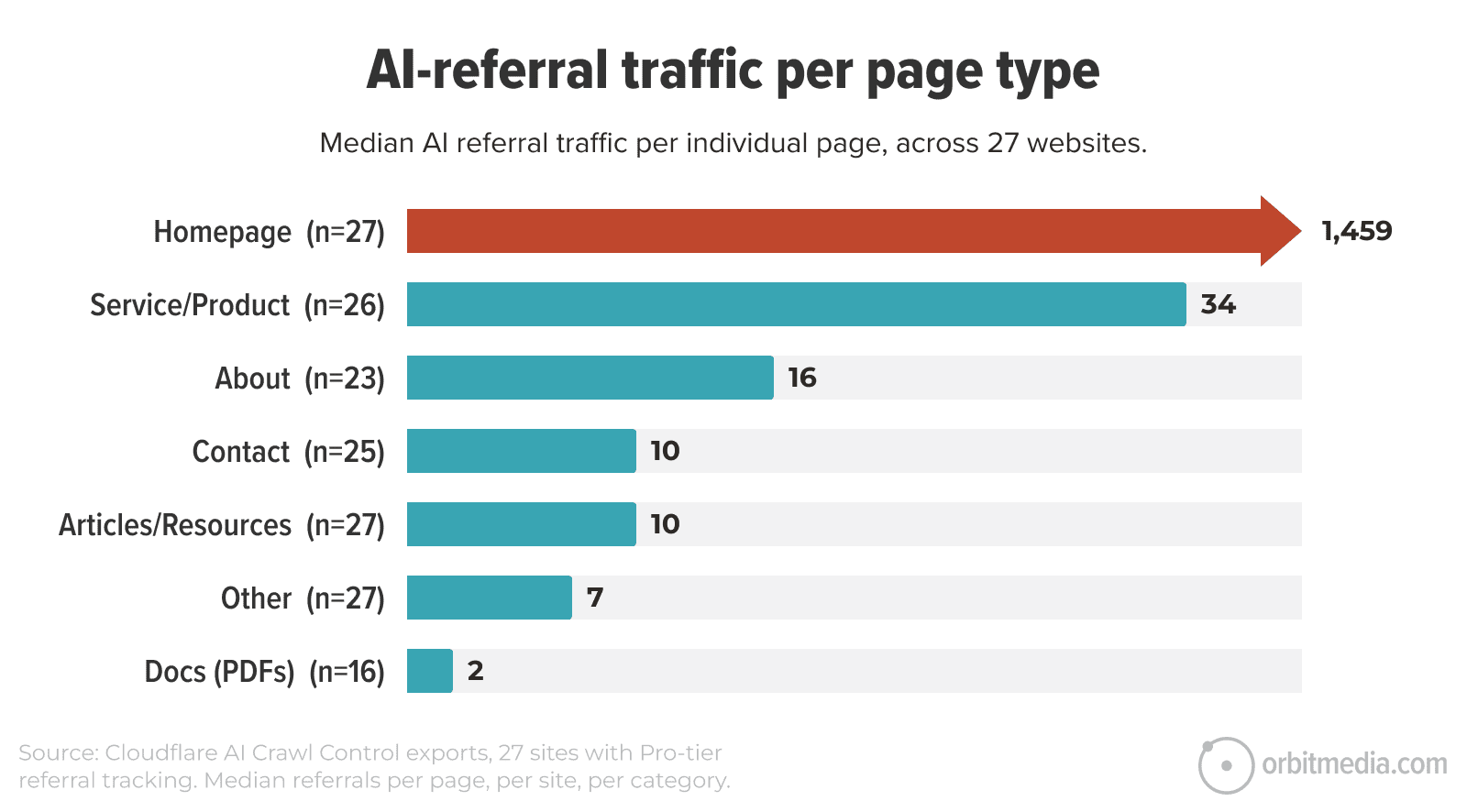
The analysis of referral traffic revealed that homepages and service/product pages significantly outperform other content types in driving AI-generated visits. While articles and resources are frequently crawled by AI, they often fall victim to the "Dark Library Effect," where content is absorbed and summarized by AI without leading to direct clicks. Articles underperformed homepages by nearly 20% in terms of AI referral traffic.
"This ‘Dark Library Effect’ is a familiar phenomenon for content marketers," explained [Hypothetical analyst, e.g., Mark Jensen, Senior Digital Strategist]. "AI models are becoming adept at synthesizing information directly within their responses, mirroring the zero-click trend observed in traditional search. This means that while articles are valuable for building knowledge, their role in driving direct traffic from AI may be diminishing."
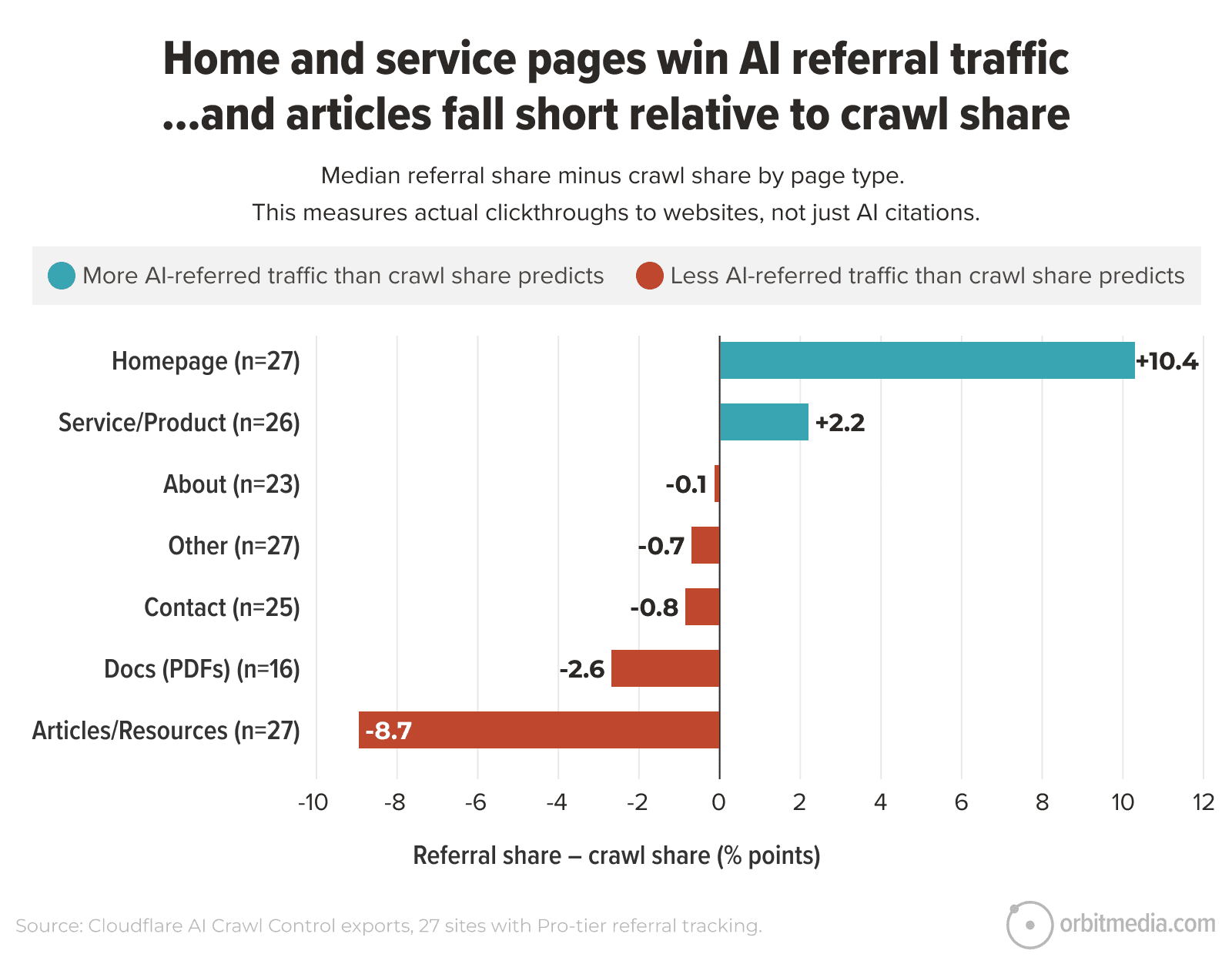
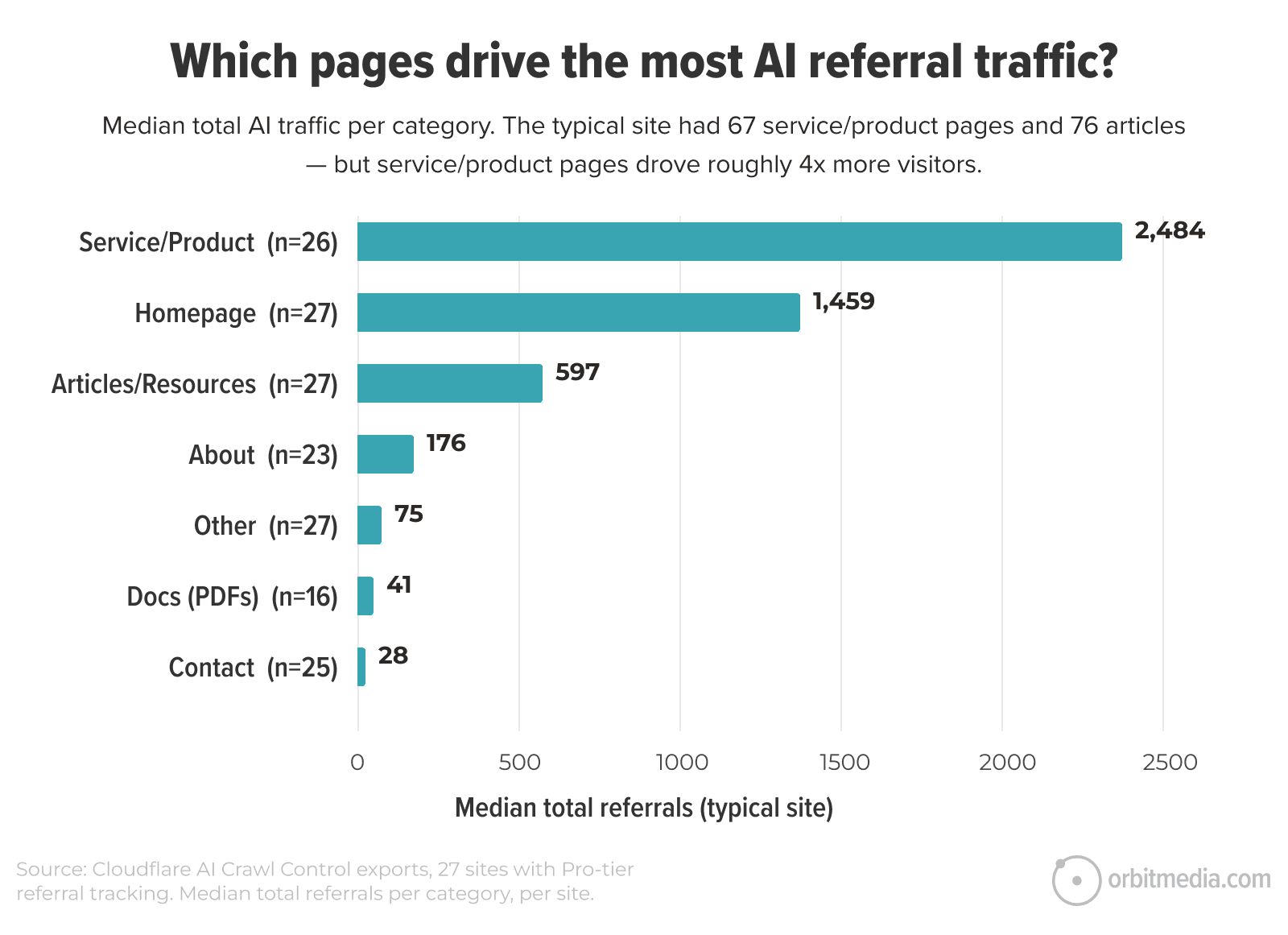
Further analysis of total visits from AI sources, independent of crawl data, showed that service and product pages generated roughly three times more AI referral traffic per page than typical articles. This reinforces the idea that AI is more likely to direct users to pages that directly address commercial intent or provide specific solutions.
Broader Impact: The implications for content strategy are profound. While valuable for brand awareness and thought leadership, content marketing focused solely on informational articles may not be the most effective channel for driving direct traffic from AI in the current landscape. Businesses should consider optimizing their service and product pages for AI discovery and potentially re-evaluating the ROI of content creation solely for informational purposes if direct AI referral traffic is a primary goal.
URL Structure and Page Depth: The "Architecture Tax"
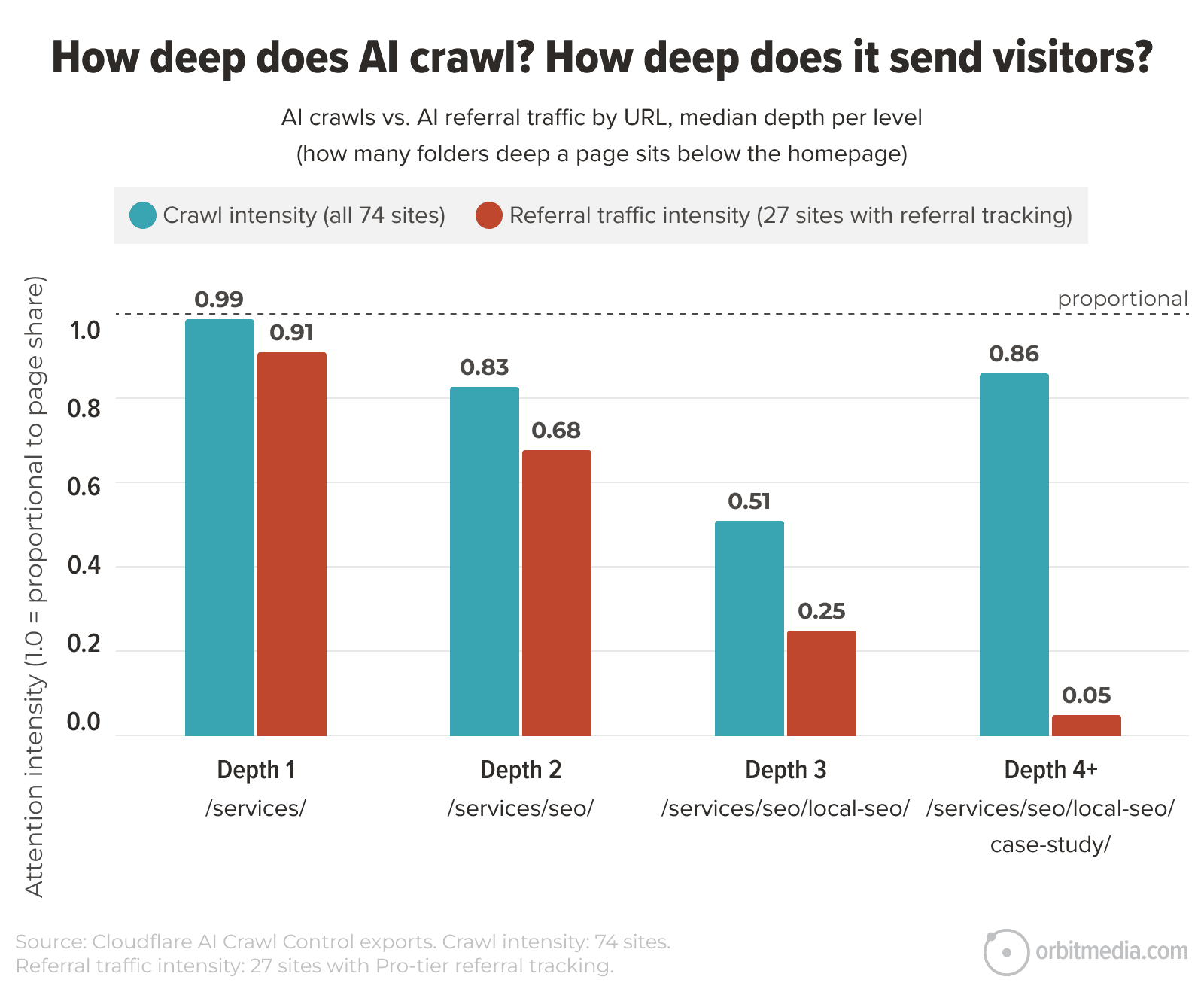
The study also examined the impact of URL structure and page depth on AI behavior. By analyzing Cloudflare’s "Most Crawled Paths" report, researchers observed how deeply AI bots would venture into a website’s architecture. The findings indicated that AI bots are generally willing to crawl pages located several folders deep within a website structure.
However, a significant divergence emerged when analyzing referral traffic. Pages buried deeper within the folder structure were considerably less likely to receive visitors from AI citations. The referral traffic saw a sharp decline beyond the first folder level, with pages four folders deep receiving close to zero AI referral traffic, despite being crawled.
"This suggests an ‘architecture tax’ where complex or deep URL structures can hinder AI’s ability to effectively recommend pages," stated Dr. Sharma. "While AI bots may find these pages during their indexing process, they appear less inclined to direct human users to them. This could be due to perceived relevance, ease of access for the AI model itself, or a combination of factors."
The report cautioned against drastically reorganizing website structures solely based on this finding, emphasizing correlation over causation. However, for new website builds or significant redesigns, this data offers valuable guidance for creating a more accessible and AI-friendly information architecture.
Analysis: This insight highlights the importance of a clean and logical URL structure. While technical SEO has long advocated for shallower URL structures for human users and search engines, this research extends that principle to AI interaction. Burying key content deep within a site’s hierarchy may inadvertently limit its potential to be recommended by AI, impacting lead generation and customer acquisition strategies.
Empowering Marketers: Diagnostic Tools and Strategic Adjustments
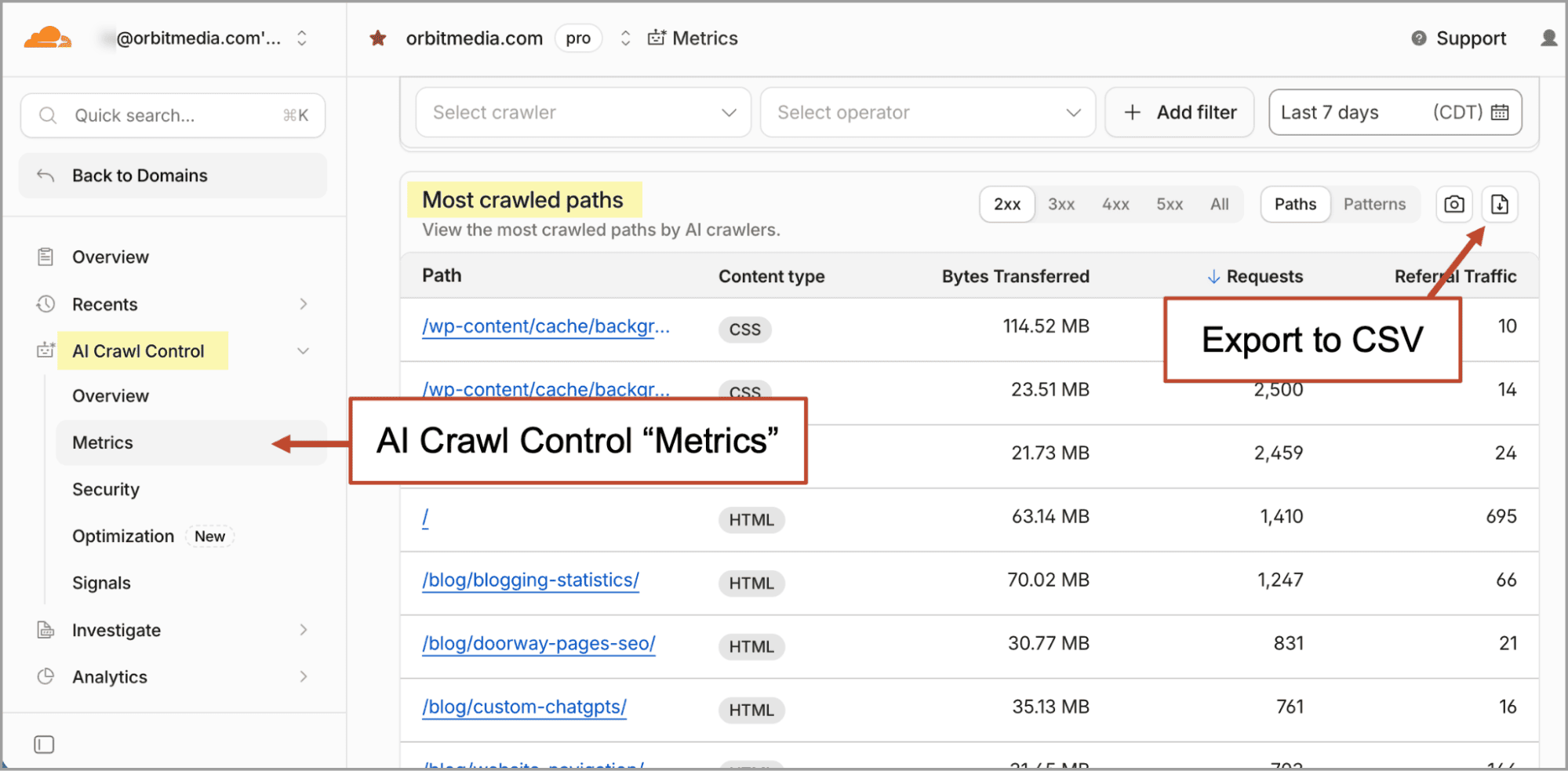
The "AI Crawl vs. Traffic Report" not only provides critical data but also equips marketers with practical tools for self-assessment. Cloudflare users can access their own "AI Crawl Control" data and utilize a provided diagnostic prompt to analyze their website’s AI interaction patterns. This prompt guides users to categorize their pages, benchmark their performance against the study’s findings, and identify potential data issues.
The report concludes with a powerful call to action for marketers: to actively "train the AIs" to recommend their brands. By understanding where AI bots are looking and where they are sending visitors, businesses can optimize their websites to ensure AI models have accurate and compelling information to share.
"Your website is the corner of the internet that you control," the report emphasizes. "It’s your best, and most direct, hope of training an AI to recommend your brand." The study notes that 47% of pages in their dataset generated zero referrals, which is not necessarily a negative outcome, as AI bots serve two primary functions: training and direct response. Understanding these distinct roles allows for more targeted optimization.
The researchers also touched upon the peculiar behavior of AI bots, including their tendency to repeatedly crawl seemingly useless backend files. A data cleanup step was implemented in their analysis to exclude these "zero-value requests," highlighting the need for careful data interpretation.
Finally, the report addresses the critical issue of AI bot access. By offering an "AI Bot Access Checker," the study prompts marketers to consider whether their websites are inadvertently blocking AI crawlers, thereby hindering their own discoverability and potential for recommendation. The overarching message is clear: in the evolving digital landscape, understanding and adapting to AI behavior is no longer optional but a strategic imperative for businesses seeking to thrive.