
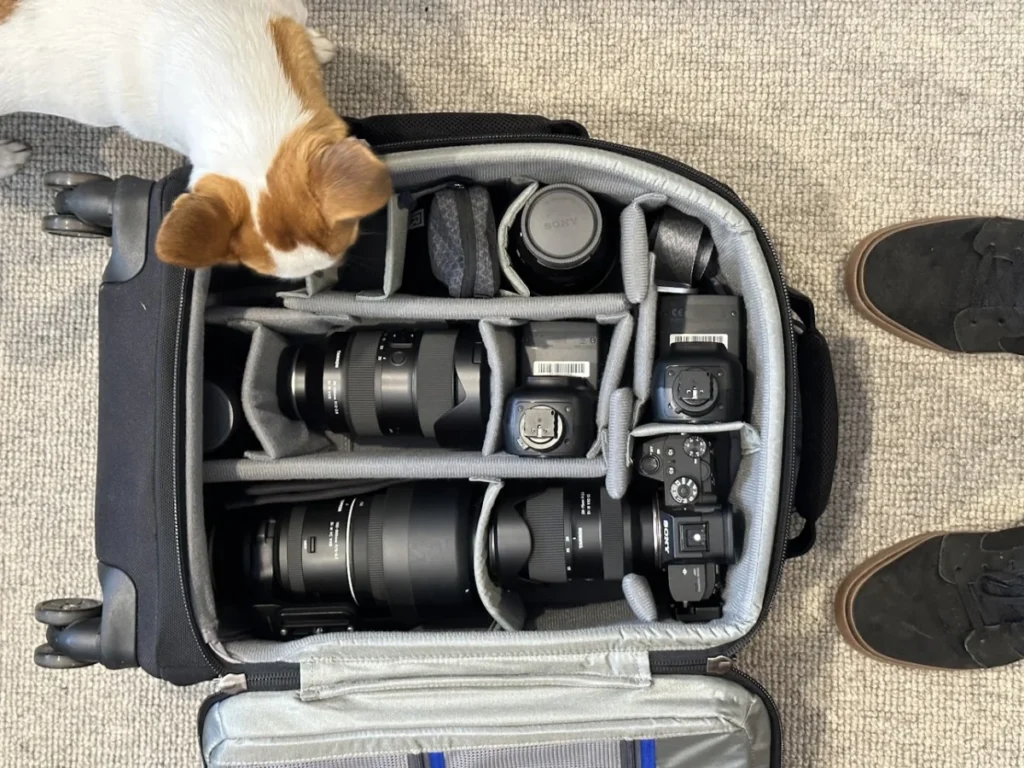

The relationship between a photographer and their equipment transport system is often characterized by a paradoxical struggle between the necessity of preparation and the physical limitations of the human body. For professional and hobbyist photographers alike, the selection of a camera bag is not merely a logistical decision but a reflection of their workflow, their anxieties regarding missed opportunities, and their long-term physical health. Recent industry observations suggest that the tendency to overpack—carrying significantly more lenses, bodies, and accessories than a specific assignment requires—remains one of the most persistent challenges in the field. This phenomenon, often joked about as the "secret life" of bags that seem to accumulate weight on their own, has significant implications for professional longevity and creative efficiency.
The Psychology of Overpacking in Modern Photography
The drive to overpack is rooted in a psychological concept known as loss aversion. In a photographic context, this manifests as the fear of encountering a specific lighting condition or subject matter without the precise focal length or filter required to capture it perfectly. While a standard assignment, such as a local sporting event, may realistically only require a telephoto zoom and a wide-angle prime, photographers frequently find themselves carrying "backup" gear that never leaves the bag.
Industry veterans, including those with decades of experience in camera bag design and manufacturing, note that the availability of space often dictates the amount of gear carried. The logic follows a simple but detrimental pattern: if a bag has an extra compartment, the photographer feels a subconscious pressure to fill it. This leads to the inclusion of redundant items, such as multiple lens caps that do not fit the current kit, expired snacks, and specialized lenses that are functionally irrelevant to the task at hand. This "just in case" mentality creates a cumulative physical burden that can lead to chronic fatigue and decreased mobility during a shoot.
The Evolution of Camera Transport: A Brief Chronology
To understand the current state of camera bag culture, one must look at the technological shifts in the industry over the last several decades.
In the mid-20th century, camera bags were largely utilitarian leather boxes with minimal padding. As photography moved from the studio to the field, the need for specialized transport became apparent. By the 1970s and 1980s, the introduction of ballistic nylon and closed-cell foam revolutionized gear protection. This era saw the rise of the "gadget bag," a shoulder-slung satchel that became the industry standard.
The 1990s and early 2000s introduced the professional roller case and the ergonomic backpack. These innovations were driven by the increasing weight of digital SLR systems and the necessity for photographers to travel through international airports with entire studio setups. However, as the industry transitioned toward mirrorless technology in the 2010s—a move intended to reduce the size and weight of gear—a strange trend emerged. Rather than carrying lighter loads, photographers began using the weight savings to pack more accessories, such as external monitors, gimbals, and high-capacity battery grips. This effectively neutralized the ergonomic benefits of the mirrorless revolution, keeping the average bag weight consistent with the DSLR era.
Market Data and the Economic Impact of Accessory Growth
The global camera bag market is a significant sector of the photography industry, valued at approximately $2.1 billion in 2023, with a projected compound annual growth rate (CAGR) of 3.4% through 2030. This growth is driven by the diversification of bag types, including sling bags, backpacks, waist packs, and hard-shell rolling cases.
Data indicates that the average professional photographer owns between three and five different types of bags. This "multi-bag" strategy is intended to allow for kit customization based on the assignment. However, market research suggests that many consumers struggle to downsize their kits when switching from a large roller case to a smaller sling bag. The result is an overstuffed small bag that lacks the structural integrity to support the weight, leading to zipper failures and strap breakage.
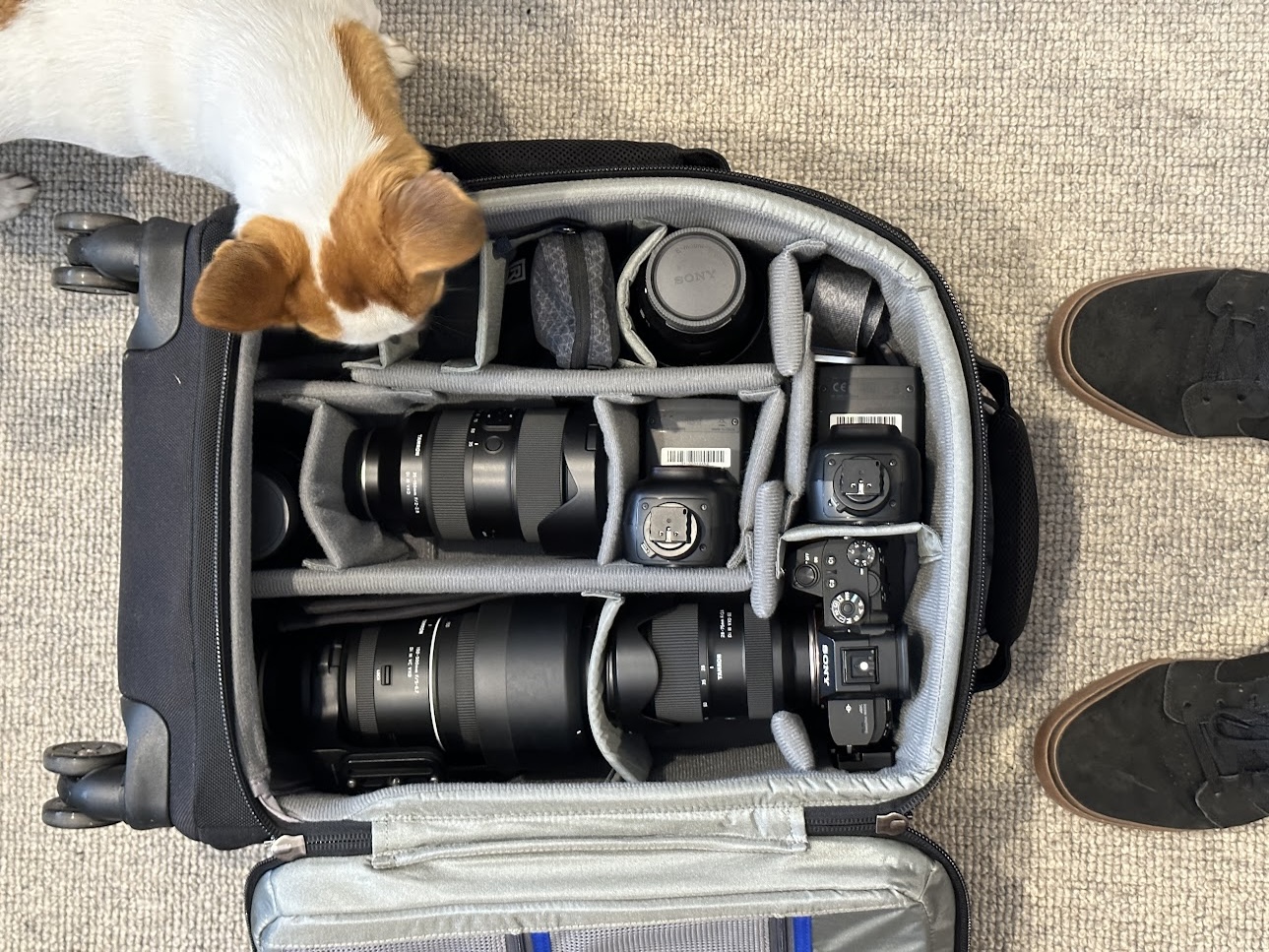
Furthermore, the rise of "lifestyle" camera bags—products designed to look like high-end fashion items while providing internal protection—has expanded the market. These bags often prioritize aesthetics over ergonomic weight distribution, which has contributed to an increase in reported musculoskeletal issues among photographers who use them for extended periods.
The Physical Toll: Ergonomics and Occupational Health
The physical implications of overpacking are a primary concern for occupational therapists and sports medicine professionals who work with visual artists. Carrying a heavy shoulder bag for several hours creates an asymmetrical load on the spine, leading to a condition known as "photographer’s shoulder." This involves the elevation of one scapula, causing chronic tension in the trapezius muscles and potential nerve impingement.
Experts in ergonomic health, such as noted photography wellness advocate Suzi Johnston, emphasize that the method of transport is as important as the weight itself. The human body is better equipped to handle weight when it is distributed evenly across the pelvic girdle and the shoulders. When a photographer chooses a sling bag or a heavily loaded shoulder bag for an event like a football game, they are placing a disproportionate amount of stress on a single side of the body.
The long-term effects of this behavior include:
- Disc Compression: Prolonged carrying of heavy loads can lead to premature wear of the intervertebral discs.
- Repetitive Strain Injury (RSI): Constant adjustment of a slipping bag strap can lead to tendonitis in the shoulder and neck.
- Postural Deviation: The body naturally leans away from the weight of a heavy bag to maintain balance, which can lead to permanent changes in gait and posture if not corrected.
To mitigate these risks, professionals are increasingly advised to utilize backpacks with sternum straps and hip belts for any kit exceeding five kilograms. The hip belt is particularly crucial, as it transfers up to 60% of the bag’s weight from the shoulders to the stronger muscles of the legs and hips.
Expert Recommendations for Strategic Packing
To combat the habit of overpacking, professional consultants suggest a "mission-based" approach to gear selection. This involves a rigorous pre-shoot audit where every item must be justified based on the specific requirements of the job.
- The "One-Lens" Challenge: Periodically attending low-stakes events with only one camera body and one prime lens to break the psychological dependency on a full kit.
- Modular Organization: Using color-coded internal pouches to categorize gear. If the "essential" pouch is full, nothing else is added.
- Weight Limits: Establishing a strict maximum weight for various bag types. For instance, a sling bag should never exceed 10% of the wearer’s body weight.
- The Six-Month Rule: Any accessory that has not been used in six months should be removed from the daily carry bag and stored in a secondary location.
Broader Implications for the Photography Industry
The culture of overpacking also has environmental and logistical implications. In the context of travel photography, excess weight leads to higher carbon emissions from transport and increased costs in the form of excess baggage fees. Logistically, a photographer weighed down by an overpacked bag is less agile, which can lead to missed shots in fast-moving environments such as news reporting or wedding photography.
Moreover, the industry is seeing a shift toward "minimalist" photography movements. These groups advocate for the use of fixed-lens cameras or single-lens kits to enhance creativity. The argument is that by removing the distraction of choosing between six different lenses, the photographer can focus more intensely on composition and lighting.
Conclusion: Finding the Balance
The "secret lives" of camera bags—the tendency for them to become cluttered and heavy—is a reflection of a photographer’s desire to be prepared for every possible scenario. However, the data and expert analysis suggest that this preparation often comes at the cost of physical health and creative fluidity. As camera technology continues to evolve, the challenge for the modern photographer will be to adopt a more disciplined approach to gear management. By understanding the ergonomics of weight distribution and the psychological triggers of overpacking, photographers can ensure that their equipment serves as a tool for artistic expression rather than a physical burden that limits their professional longevity. The goal is not to carry the most gear, but to carry the right gear in a manner that sustains both the body and the craft.