
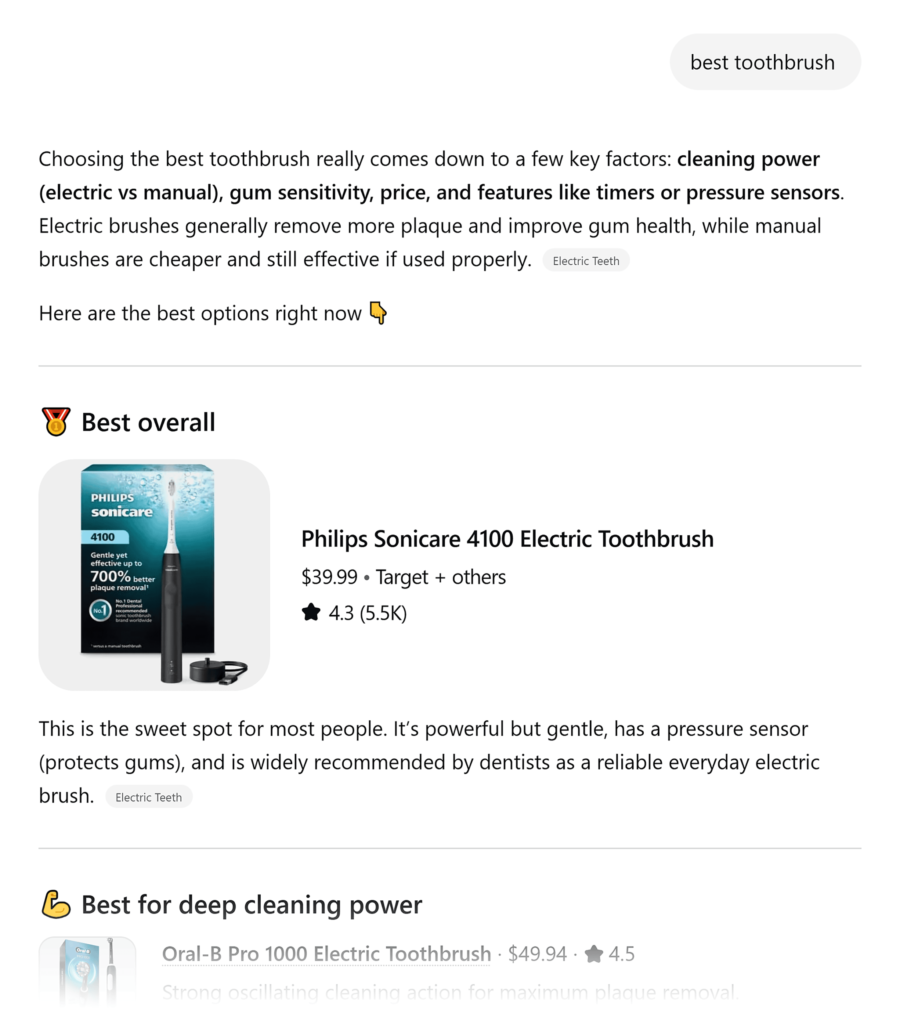

The landscape of digital information retrieval is undergoing its most significant transformation since the inception of the commercial search engine. As Large Language Models (LLMs) like ChatGPT, Perplexity, and Google’s AI Overviews become the primary interface for millions of users, the traditional mechanics of Search Engine Optimization (SEO) are being supplemented—and in some cases, bypassed—by a background process known as query fan-out. This technical mechanism ensures that high-ranking visibility on traditional Search Engine Results Pages (SERPs) no longer guarantees a mention or citation in AI-generated answers. Instead, AI systems are prioritizing relevance, reliability, and specific passage retrieval over legacy domain authority and keyword positioning.
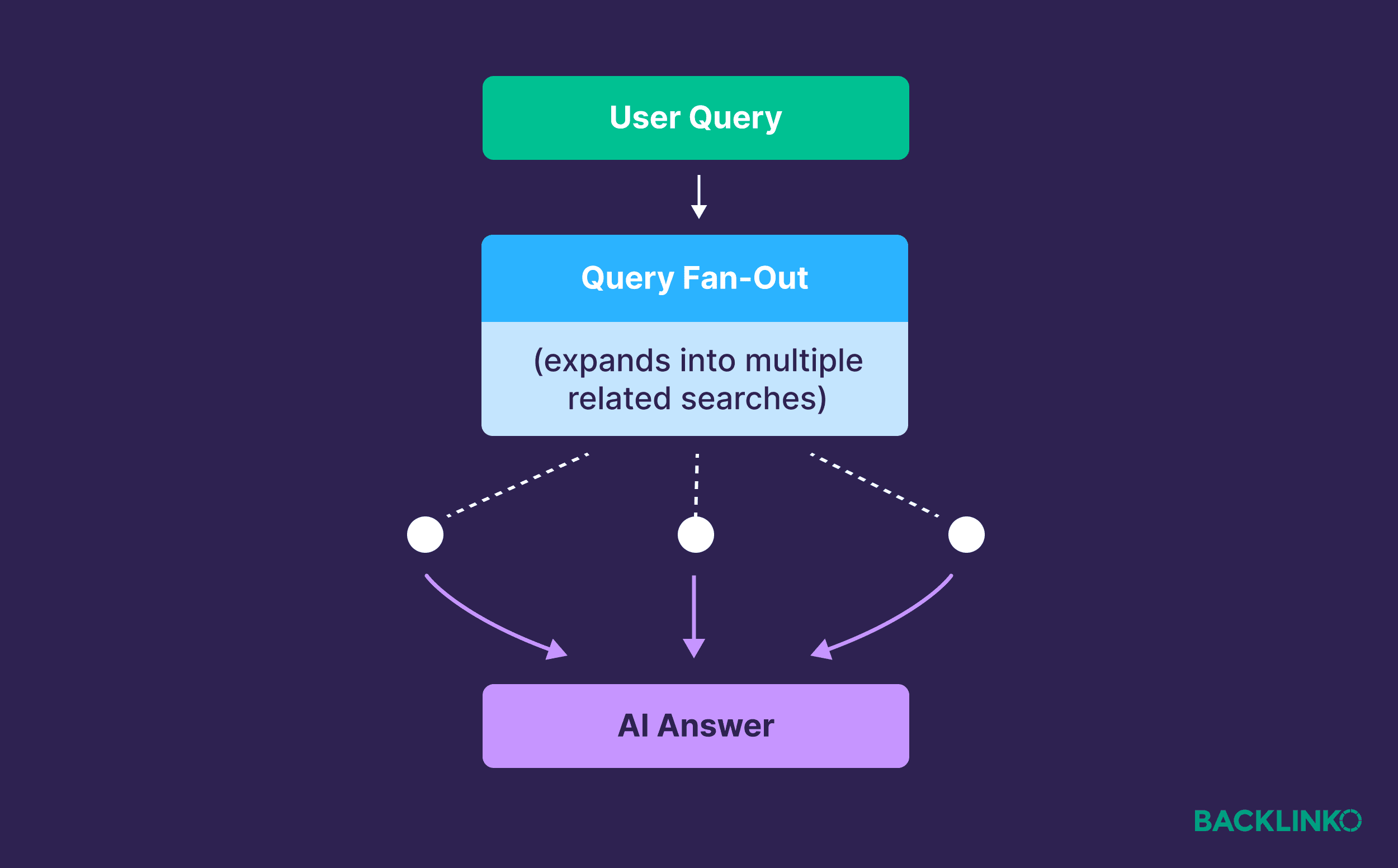
Understanding query fan-out is no longer optional for digital strategists; it is the prerequisite for maintaining brand presence in an era of synthesized information. This process allows AI to decompose a single user prompt into a multi-dimensional array of sub-queries, effectively "fanning out" to capture a holistic view of a topic before presenting a unified response.
The Technical Mechanics of Query Fan-Out
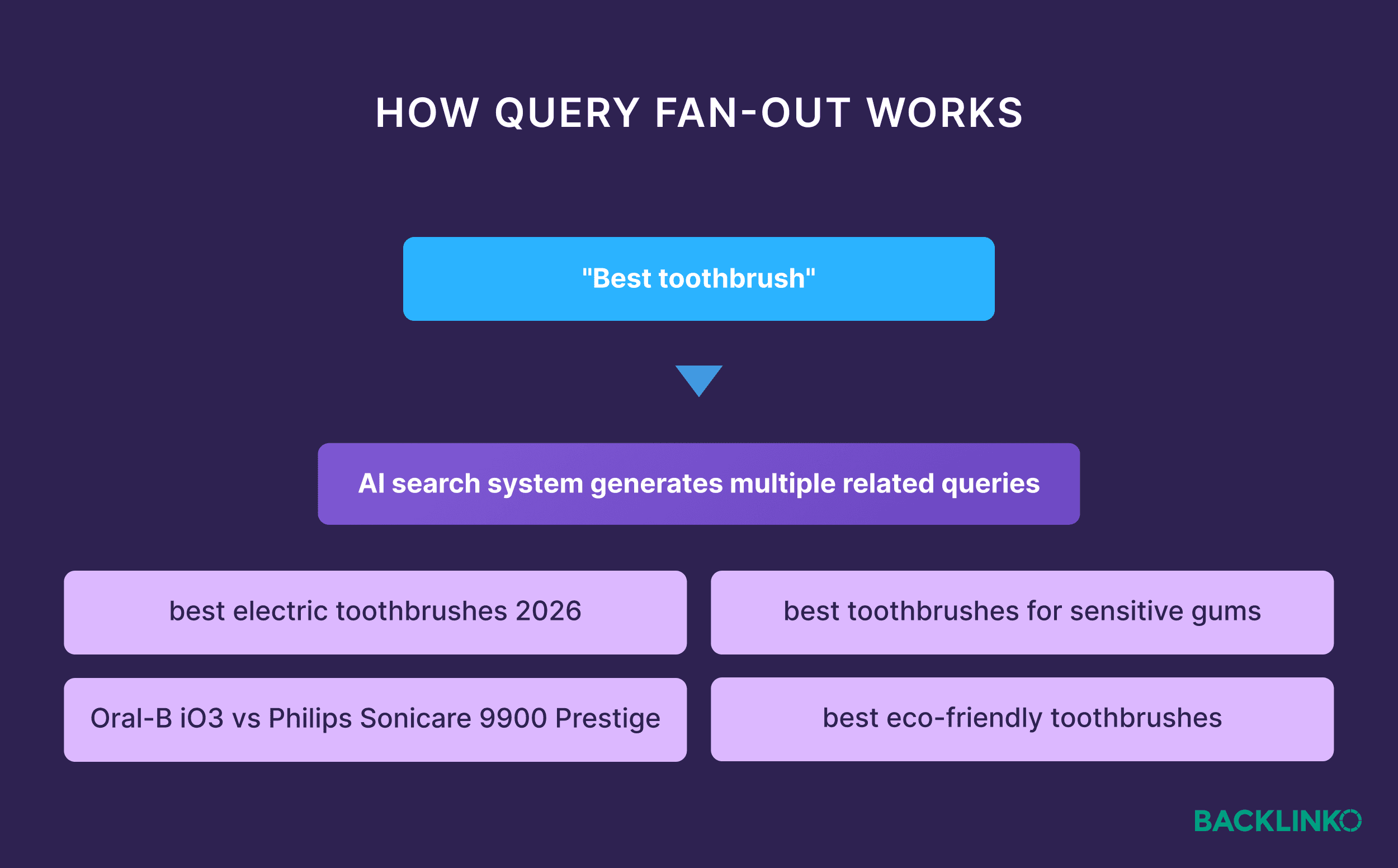
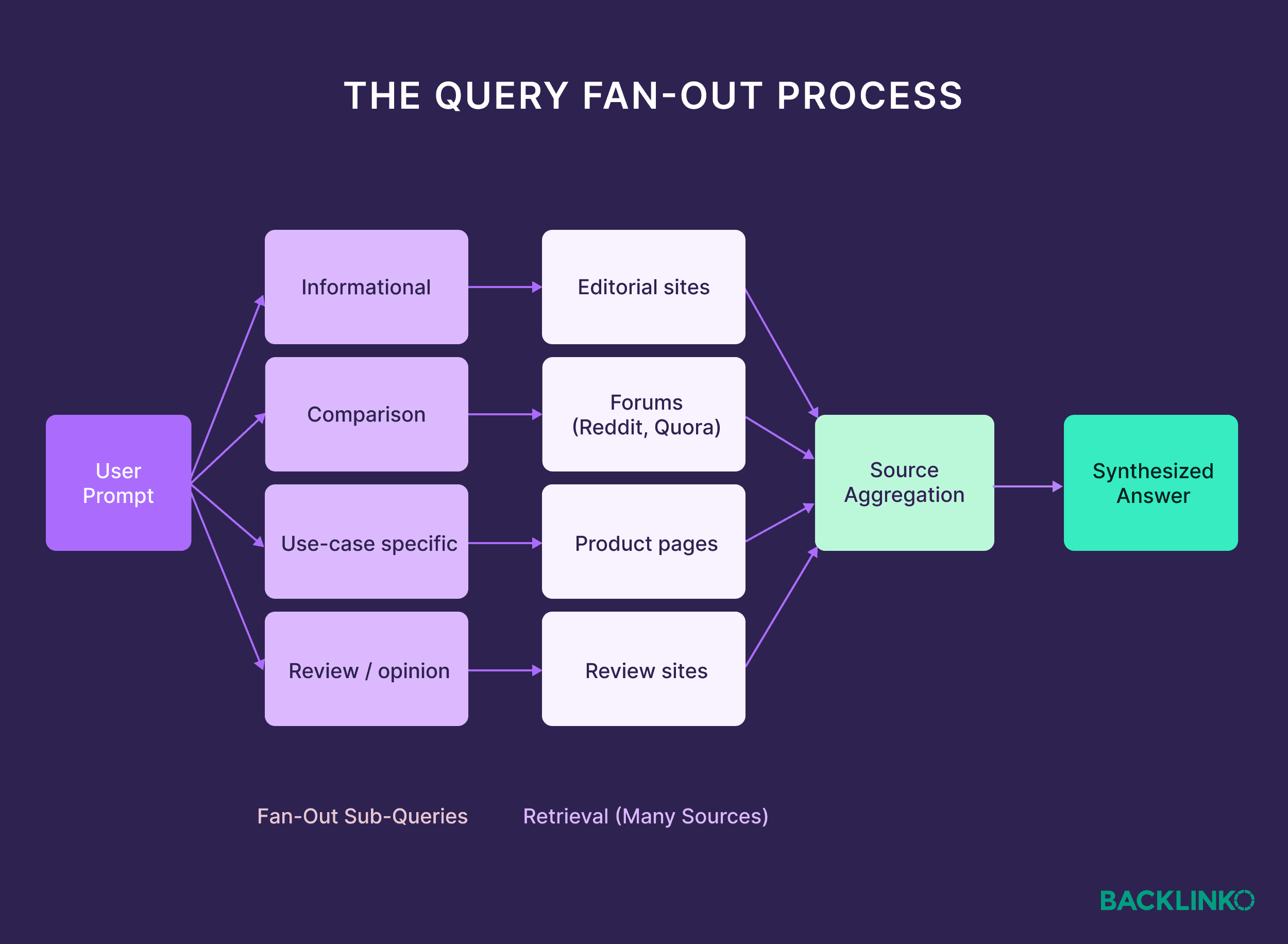
Query fan-out is a sophisticated background operation utilized by AI search systems to ensure comprehensive answer construction. When a user submits a prompt, the AI does not simply perform a singular search. Instead, it analyzes the intent behind the prompt and generates several related sub-questions. This allows the system to pull data from diverse sources—ranging from editorial reviews and technical documentation to community-driven platforms like Reddit and niche product pages—and synthesize them into a single, cohesive narrative.
For instance, a search for "best mountain bikes" triggers a fan-out process that might include sub-queries such as "best mountain bike brands 2024," "hardtail vs. full-suspension for beginners," and "mountain bike price-to-performance comparisons." By gathering data points for each of these sub-queries, the AI can anticipate the user’s next several questions, providing a breakdown of top picks, use-case recommendations, and pricing tiers in one interaction.
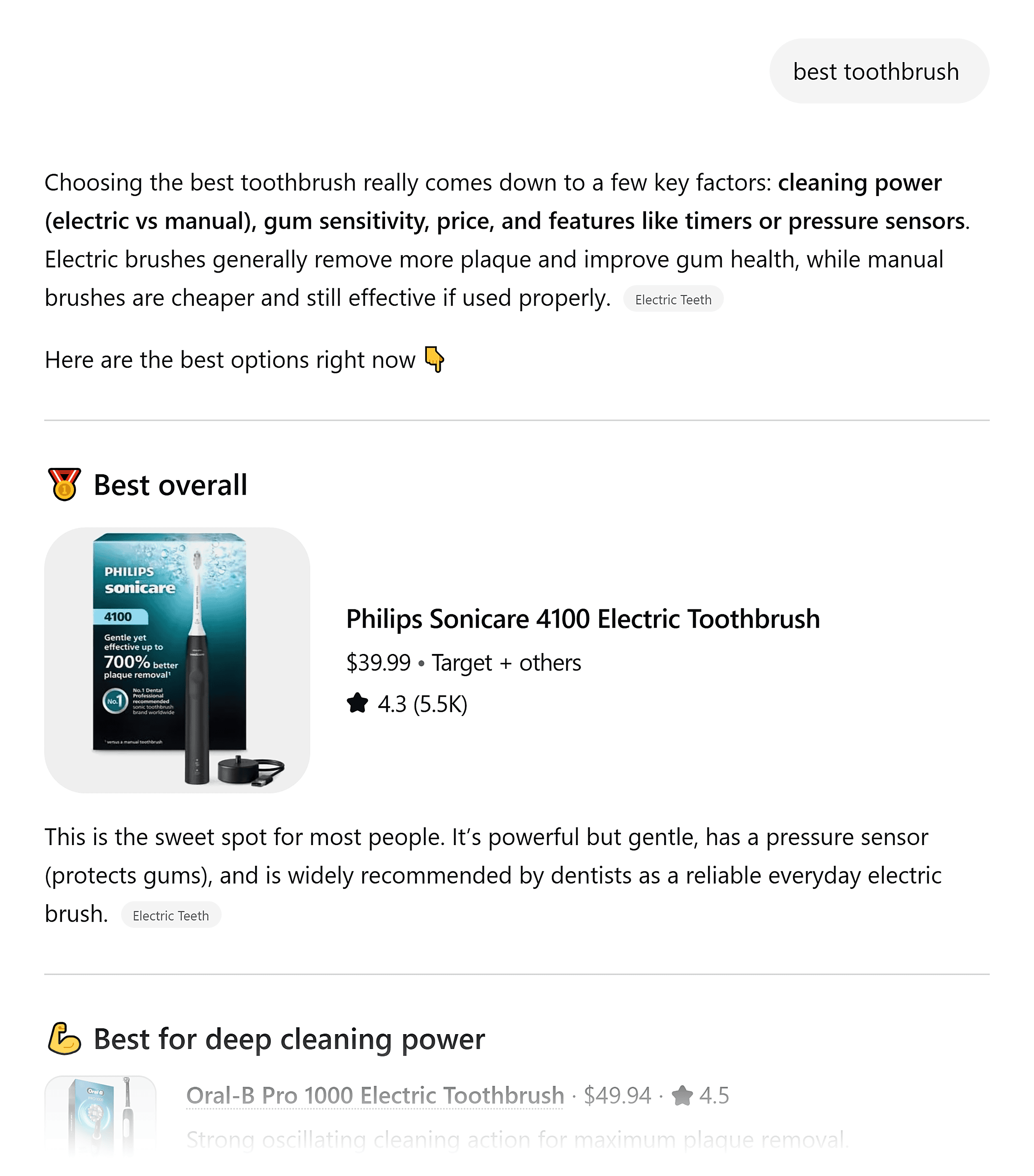
Industry experts distinguish query fan-out from traditional search expansion. It is not merely a synonym check or a "people also ask" suggestion; it is a fundamental restructuring of the search journey. The goal is to maximize the helpfulness and accuracy of the LLM’s response by ensuring the retrieved information is both deep and wide.
The Data Behind the Shift: Why Rankings Are Not Enough
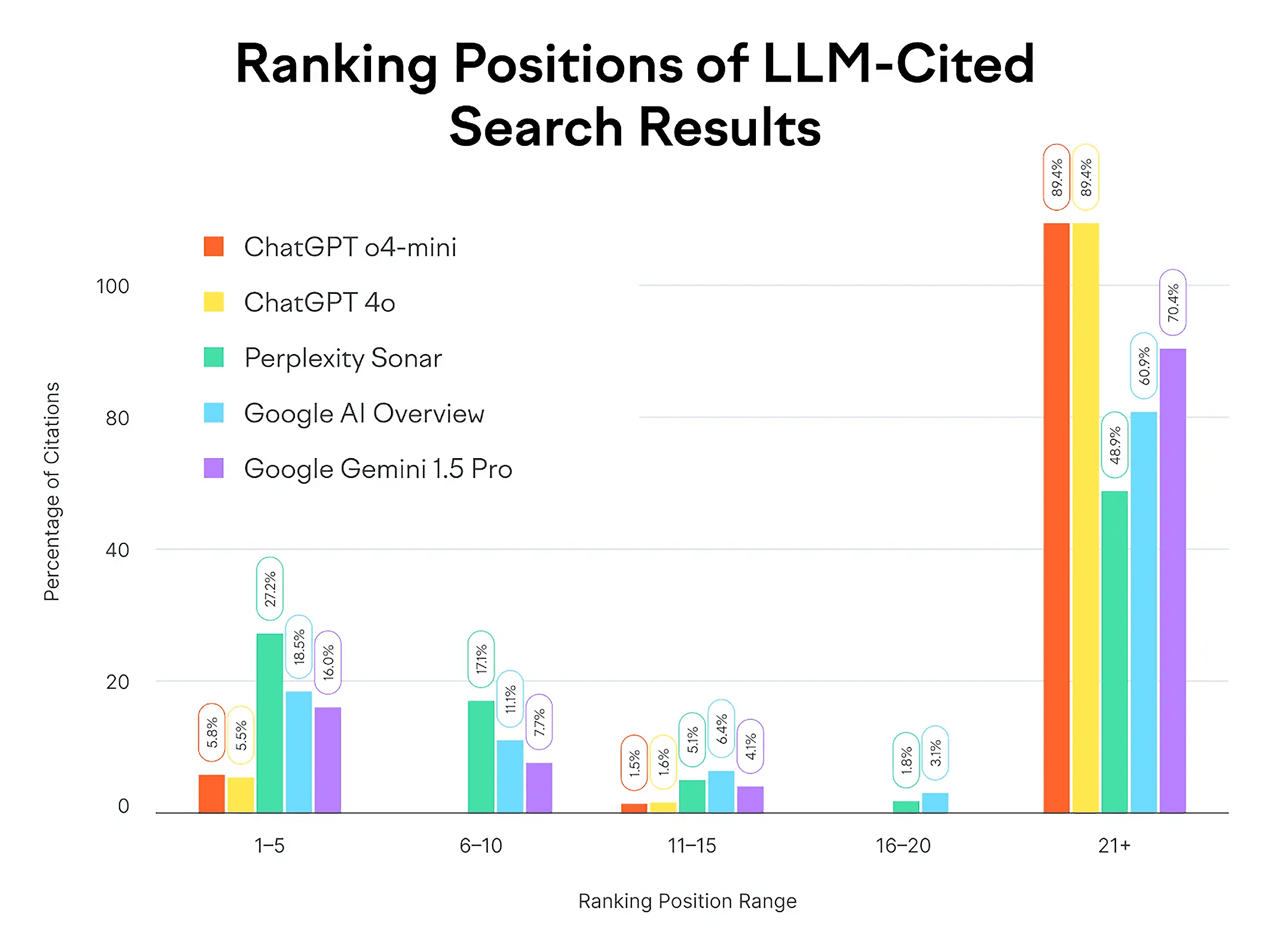
Recent empirical studies highlight a growing disconnect between Google’s traditional rankings and AI citations. Data from a comprehensive Semrush study indicates that ChatGPT cites pages appearing in position 21 or lower on Google nearly 90% of the time. This suggests that LLMs are not tethered to the "top 10" results that have dominated SEO strategy for decades. Instead, these systems utilize sophisticated retrieval-augmented generation (RAG) frameworks to find the specific passage that best resolves a sub-query, regardless of the overall page’s ranking for the primary keyword.
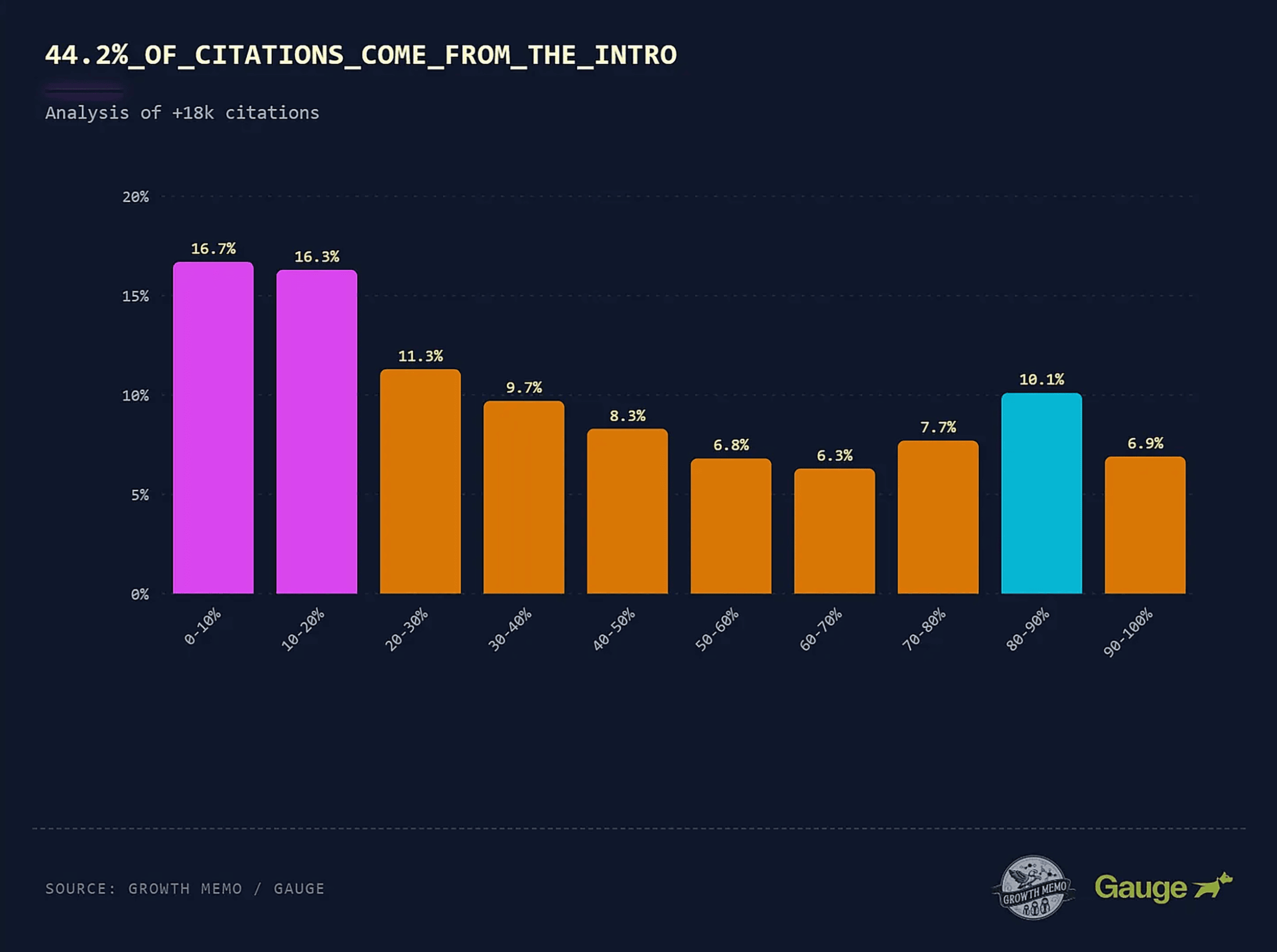
Further analysis by growth advisor Kevin Indig, who examined over 1.2 million ChatGPT responses, reveals that the location of content on a page significantly impacts its "retrievability." According to the study, 44.2% of AI citations are extracted from the first 30% of a webpage. The middle third of a page accounts for 31.1% of citations, while the final third contributes only 24.7%. This data underscores a critical shift: AI systems prioritize "front-loaded" information that provides immediate, self-contained answers to specific sub-queries.
The Strategic Framework for AI Visibility
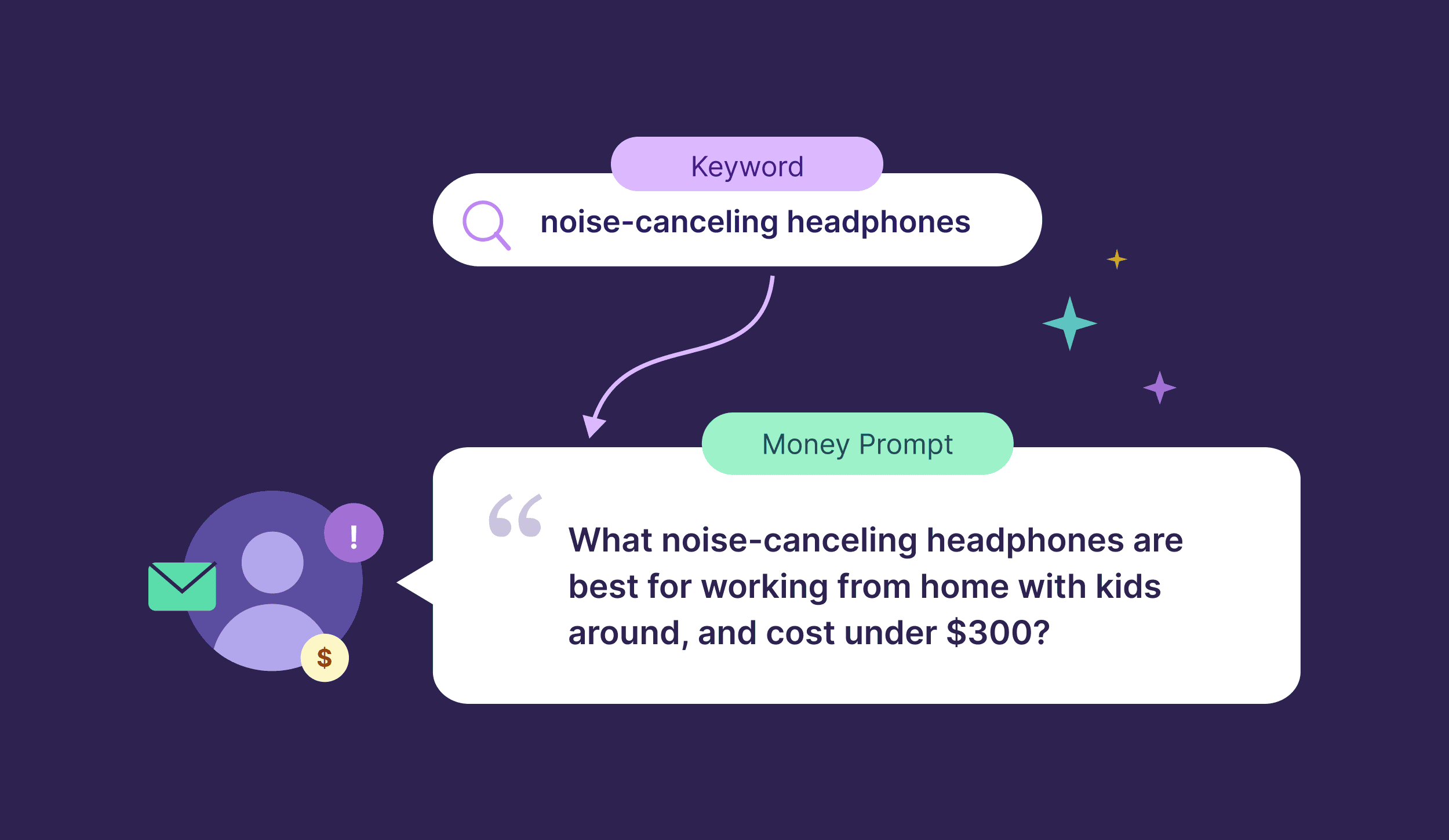
To adapt to the query fan-out environment, organizations are moving toward a six-step workflow designed to maximize AI citations. This framework shifts the focus from broad keywords to "Money Prompts"—the conversational questions high-intent users are likely to ask an AI.
Identifying Money Prompts
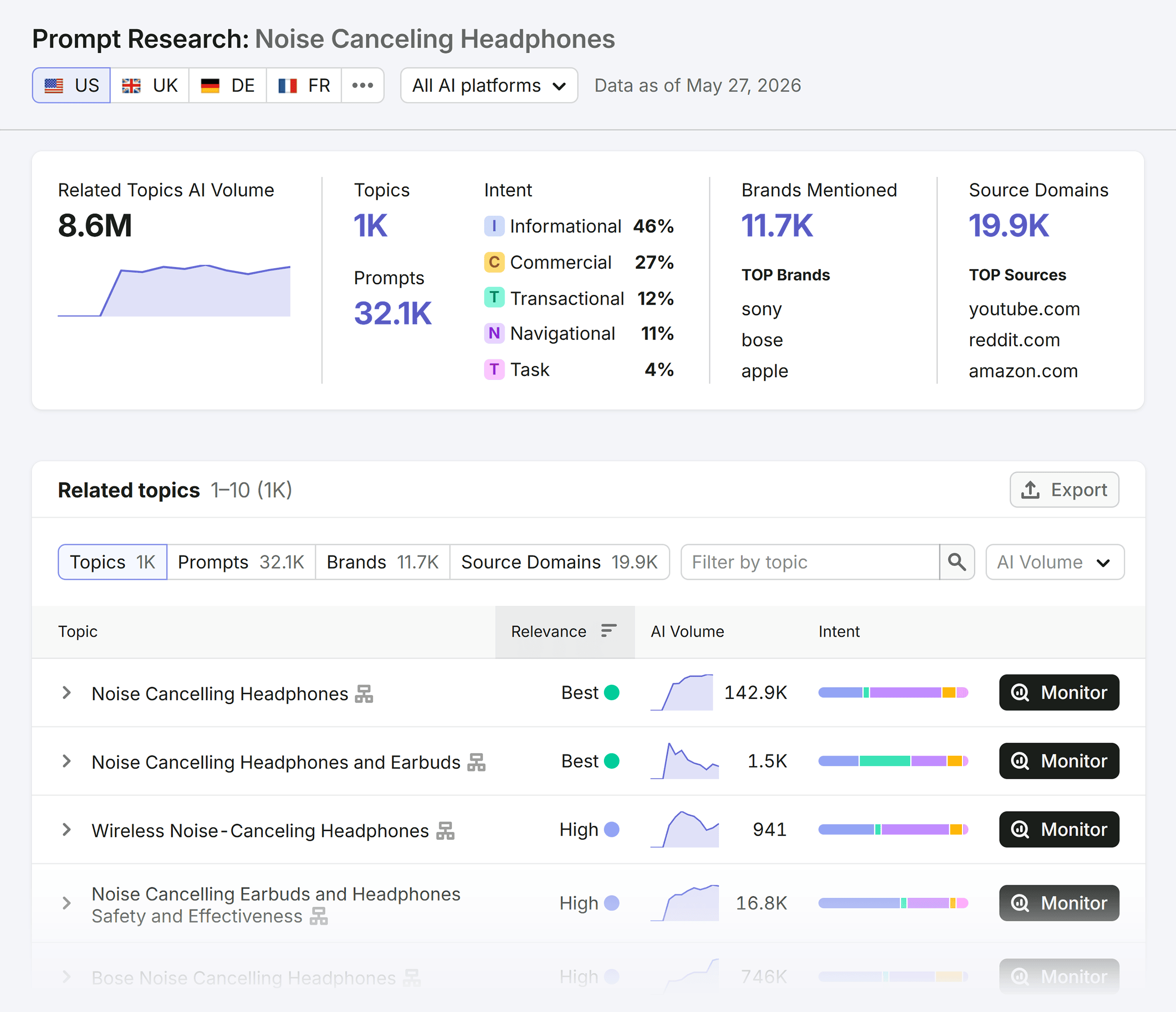
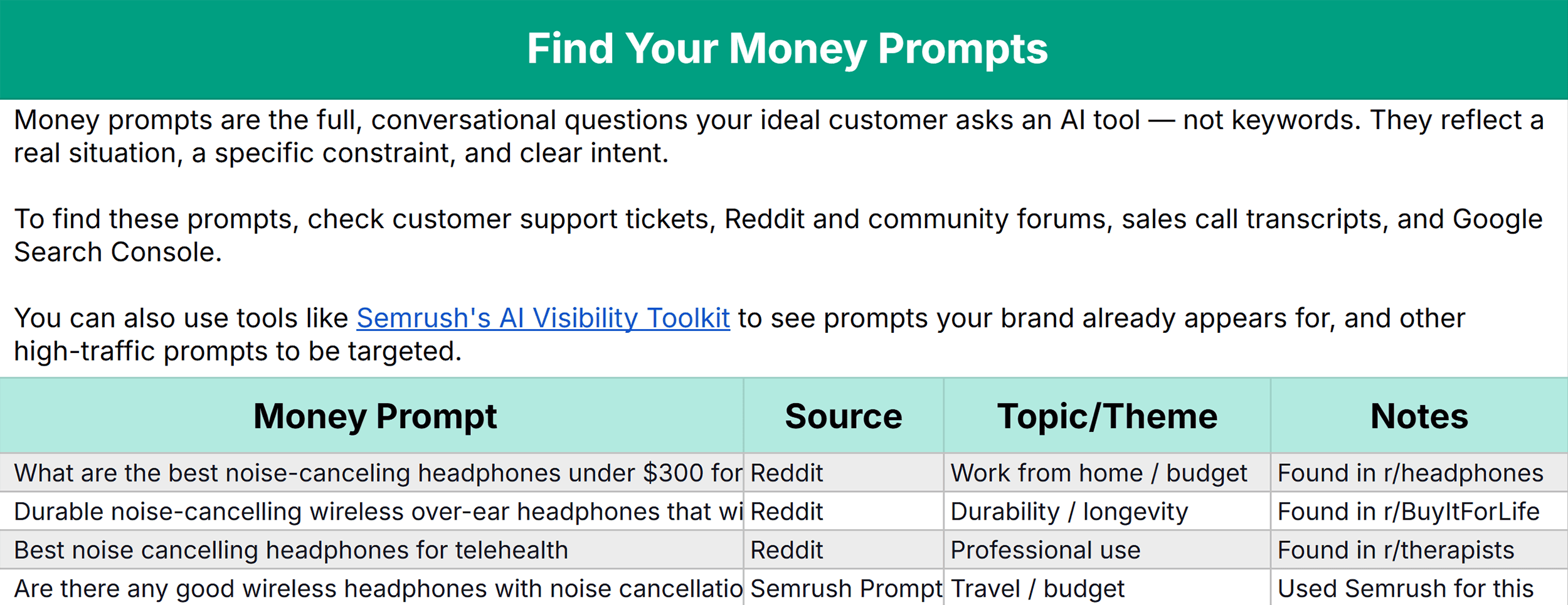
Unlike traditional keywords, Money Prompts are long-tail, conversational, and highly specific. A traditional keyword might be "cloud security," whereas a Money Prompt would be: "What are the best cloud security platforms for a mid-sized healthcare firm with strict compliance needs?" Finding these prompts requires analyzing community forums, customer support transcripts, and dedicated AI visibility toolkits.
Generating and Categorizing Fan-Out Sets
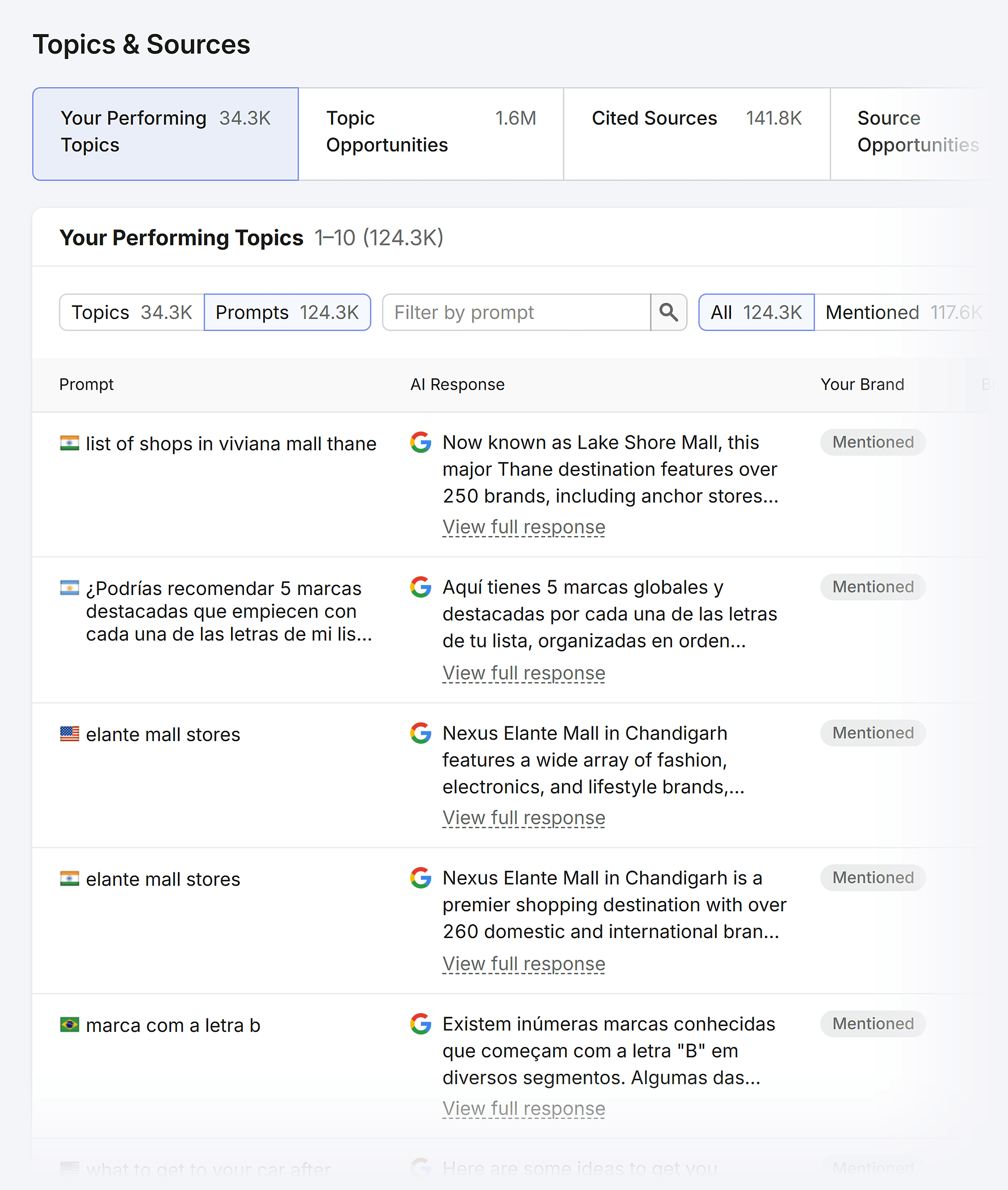
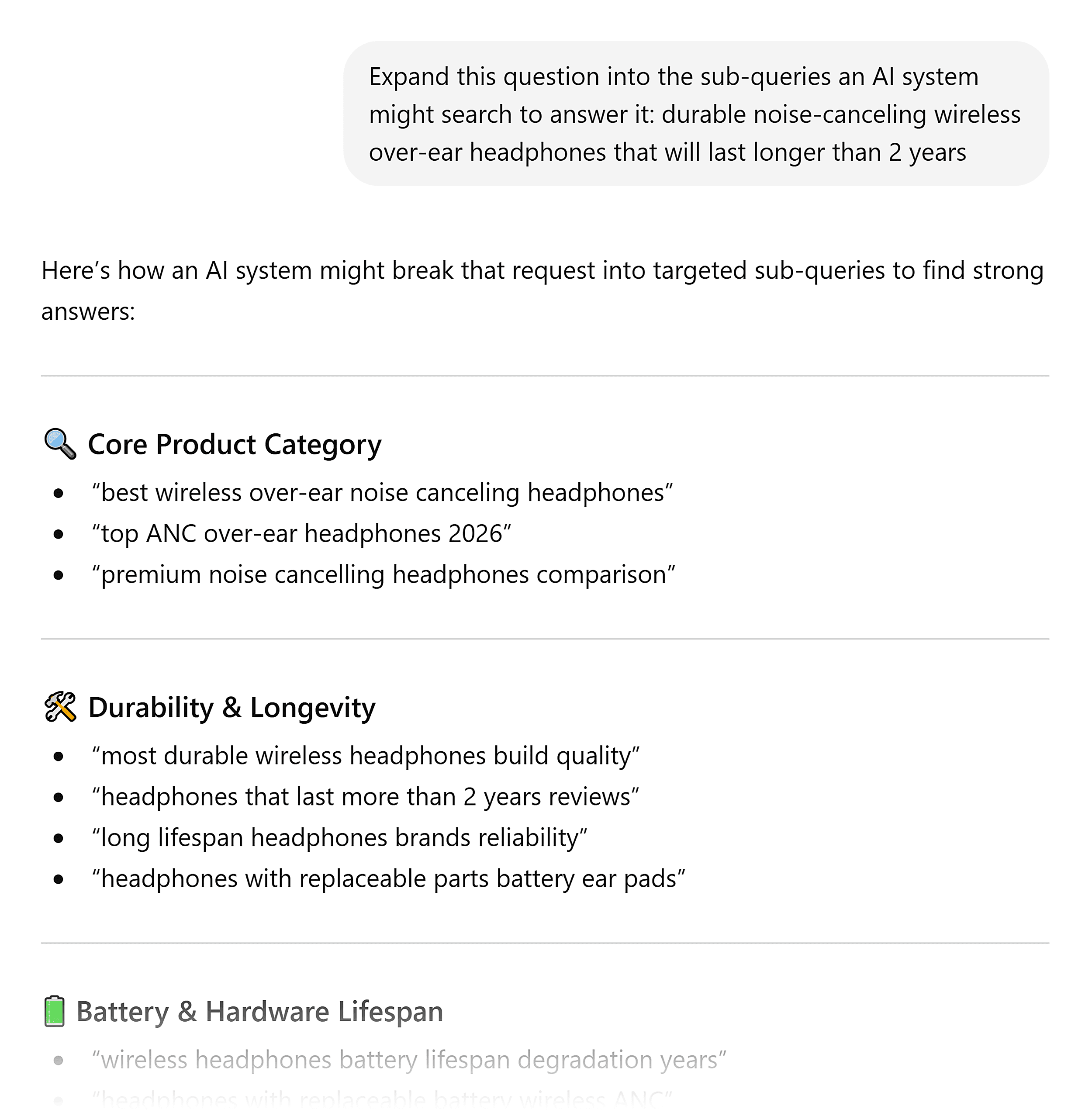
Once a Money Prompt is identified, strategists must anticipate the fan-out. This can be done manually by running prompts through various LLMs or by using technical tools to intercept the sub-queries an AI runs in the background. These sub-queries generally fall into several categories:

- Reformulation: Reworded versions of the original prompt.
- Comparative: Weighing two or more entities against each other.
- Entity Expansion: Drilling into specific products or brands mentioned.
- Implicit: Addressing needs the user didn’t explicitly state, such as budget or ease of use.
Auditing and Structuring Content
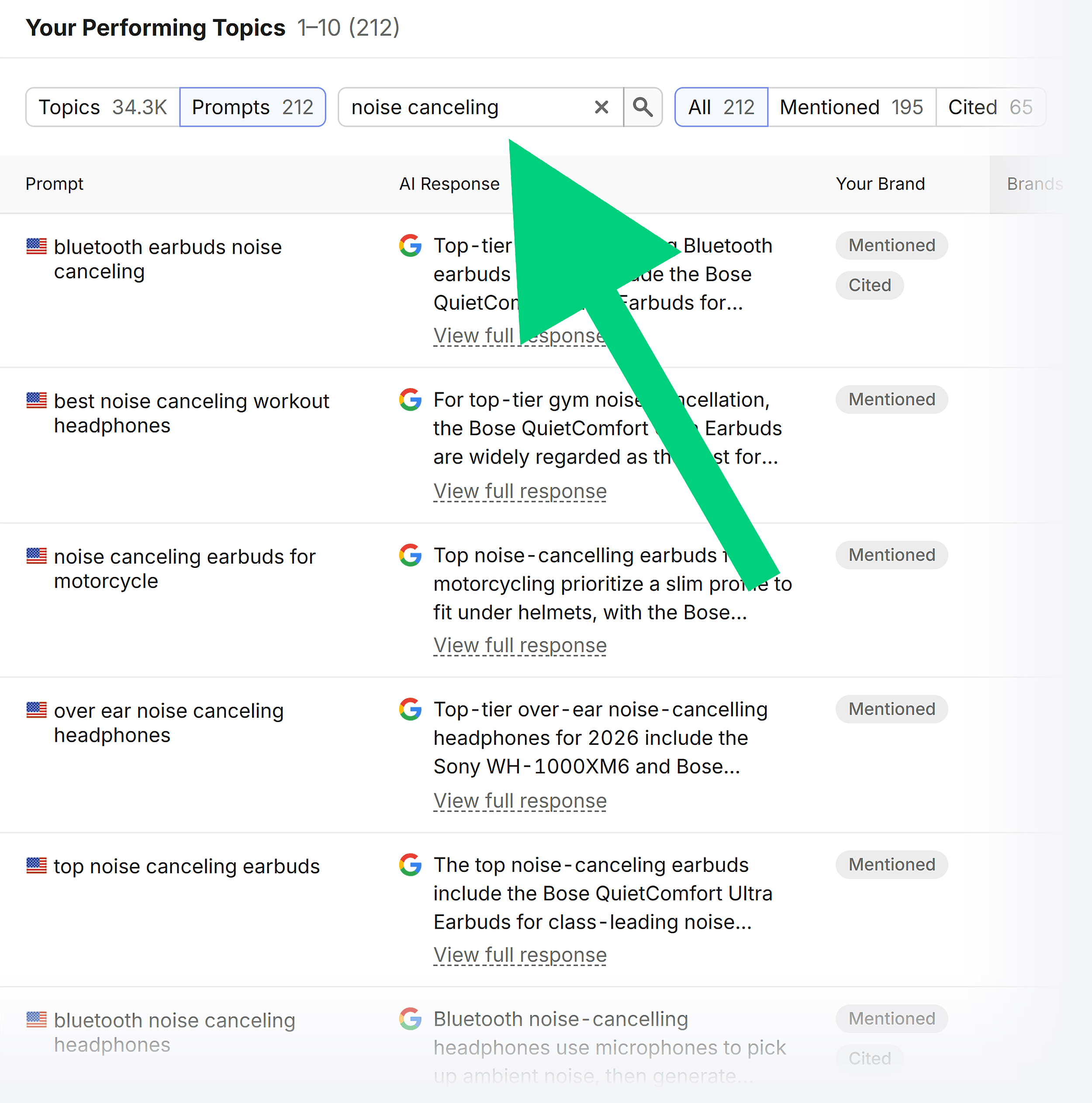
The most critical stage of the workflow involves a "content gap" audit. Organizations must determine if their existing assets resolve the sub-queries identified in the fan-out set. If a brand is mentioned alongside competitors in an AI response but is not cited as a primary source, it indicates a structural failure in the content.

To improve extraction rates, content must be structured for machine readability. This includes using descriptive H2 and H3 subheadings that mirror sub-queries, front-loading claims with scannable data points, and utilizing structured elements like comparison tables and bulleted lists.
Platform-Specific Behaviors in Query Fan-Out
While the concept of fan-out is universal across modern AI, different platforms execute the process with varying priorities.
- ChatGPT: Utilizes a "Thinking" mode that allows it to reason internally before performing live web searches. It tends to pull from a vast array of third-party sources to build a consensus-based answer.
- Perplexity: Combines conversational context with real-time web search. It often performs "contextual" fan-out, checking a user’s past queries to tailor the sub-queries it runs for the current prompt.
- Claude: Takes a more cautious approach, often asking the user for clarification before launching a targeted set of searches. This results in fewer but more precise sub-queries.
- Google AI Overviews and AI Mode: These systems synthesize Google’s existing web index. AI Overviews act as condensed summaries of top-tier search data, while AI Mode is a dedicated conversational interface for complex, multi-part inquiries.
The Collapse of the Buying Journey
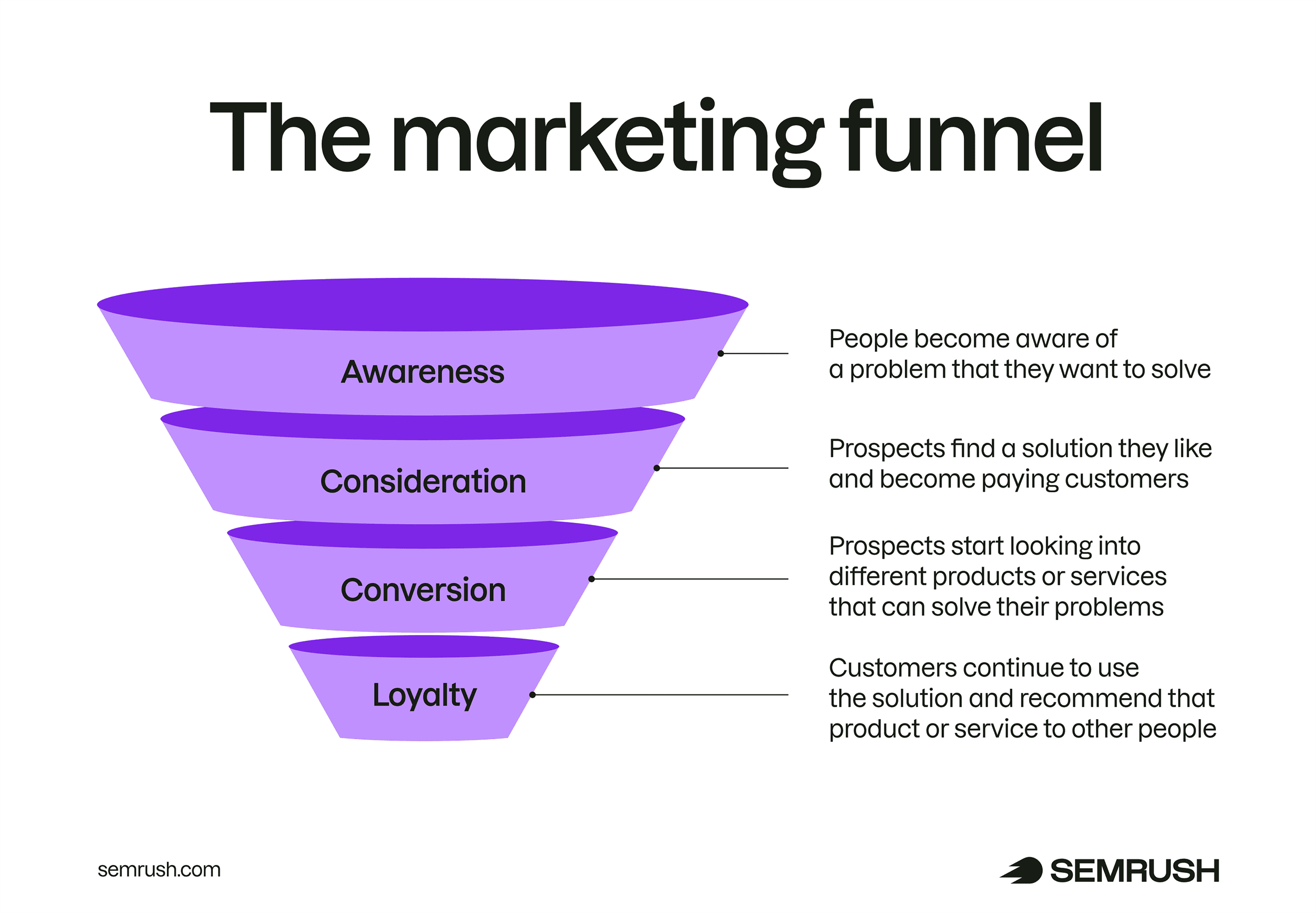
One of the most profound implications of query fan-out is the collapse of the traditional marketing funnel. Historically, marketers viewed the buyer’s journey as a linear progression from awareness to consideration and, finally, decision. Content was siloed accordingly.
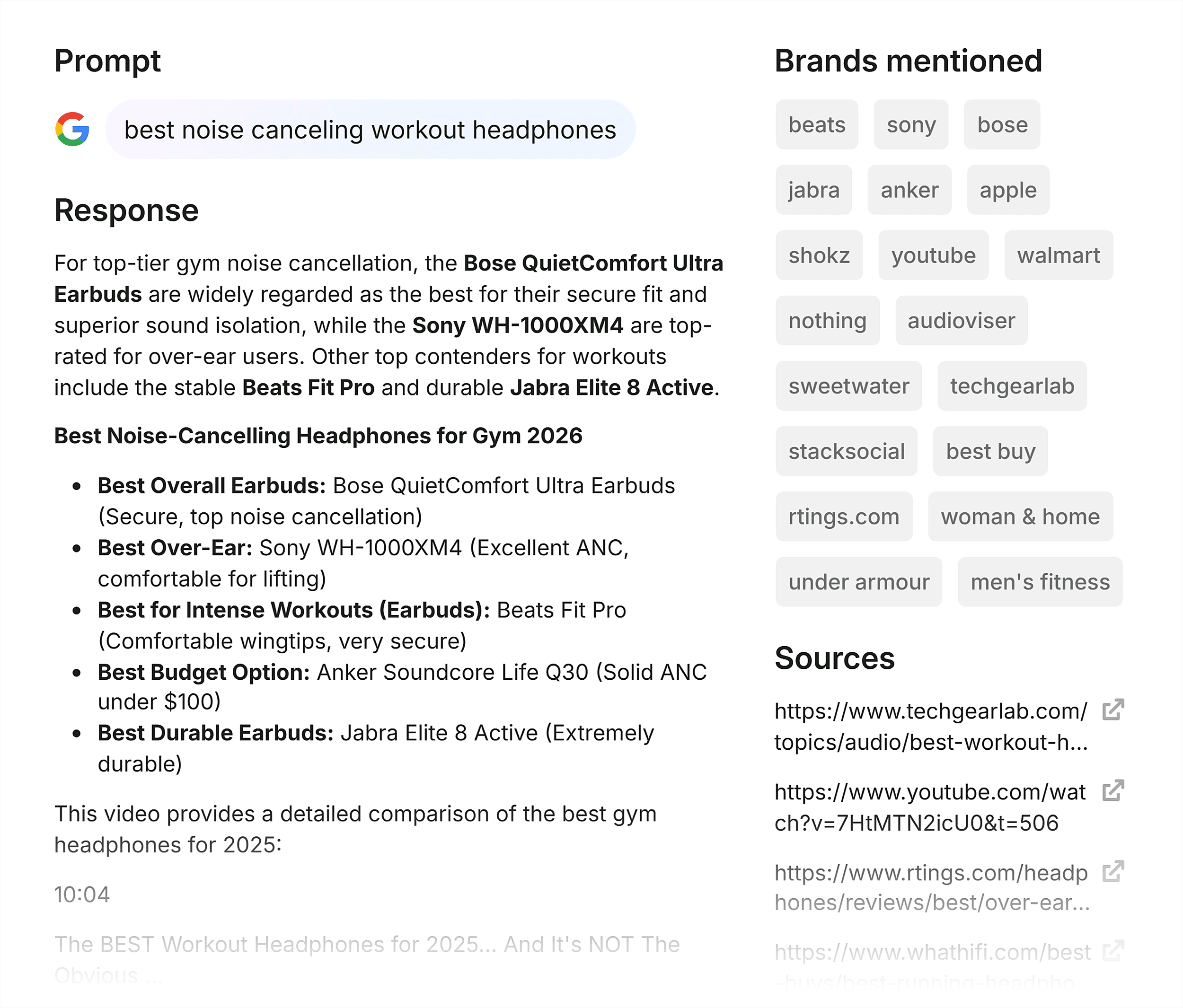
Query fan-out effectively merges these stages. A single high-intent prompt triggers the AI to retrieve awareness-level context (definitions and basics), consideration-level data (comparisons and alternatives), and decision-level specifics (pricing and social proof) all at once. This means that a single piece of content must now work across the full funnel. If a webpage only provides a product description but fails to offer a comparison against a top competitor, it is likely to be excluded from the "consideration" portion of the AI’s synthesized answer.
Broader Impact and Industry Implications
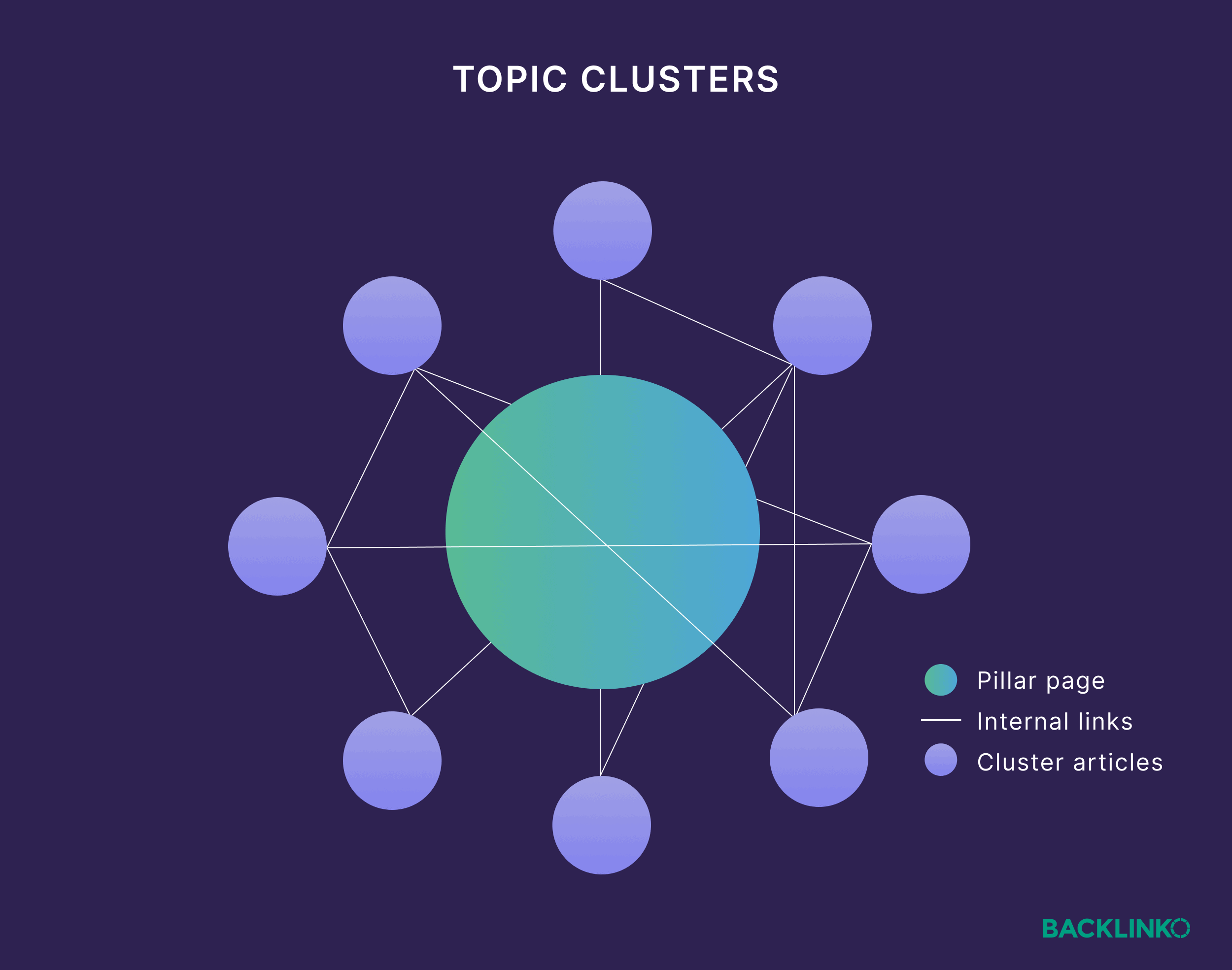
The rise of query fan-out signals the end of "thin" SEO content. As AI systems become more adept at identifying and extracting high-value passages, the incentive for brands to create comprehensive, authoritative, and well-structured topical clusters increases.
Industry analysts suggest that this shift will lead to a "winner-takes-most" dynamic in AI search visibility. Brands that successfully occupy the "Money Prompts" and their associated sub-queries will see their influence amplified across multiple LLM platforms. Conversely, brands that rely solely on legacy SEO tactics may find their organic traffic dwindling as users transition to conversational interfaces that do not require clicking through to a website.
Furthermore, the importance of "off-site" authority has never been higher. Because AI systems often look for consensus across the web, a brand’s presence on third-party review sites, Reddit threads, and editorial features is now a direct factor in whether an LLM will recommend that brand. In the age of query fan-out, your content strategy is no longer confined to your own domain; it must encompass the entire digital ecosystem where your audience—and the AI—is looking for answers.