


The Bát Tràng Museum serves as a monumental milestone in the cultural landscape of Vietnam, representing the first government-authorized private museum located within the historic Bát Tràng Pottery Village. Founded by the esteemed National Artist Vũ Đức Thắng, the institution stands as a living repository of centuries-old craftsmanship, now presented through a lens of contemporary design and institutional rigor. Originally conceptualized under the name "Hồn Đất Việt" (The Soul of Vietnam’s Earth), the museum functions not merely as a gallery, but as a preservation site for the technical and artistic legacy of a master ceramicist whose work has bridged the gap between traditional utility and avant-garde sculpture.

The Artistic Legacy of Vũ Đức Thắng
The identity of the Bát Tràng Museum is inseparable from the career of its founder, Vũ Đức Thắng. Throughout his prolific tenure as a ceramic artist, Thắng challenged the conventional boundaries of clay. His most notable achievement, which garnered significant international attention, was the creation of 12 highly detailed, life-sized pottery boots. This project, recognized by the Guinness World Records in 2013, highlighted his ability to manipulate ceramic material into forms typically associated with soft leather, demonstrating a mastery of kiln-firing temperatures and structural engineering that few peers have achieved.
Thắng’s artistic philosophy centers on two primary technical innovations: the development of proprietary color-changing ceramic glazes and the implementation of complex, three-dimensional sculpting techniques. These methods allow for a dynamic play of light and shadow on the surface of his pieces, enabling the ceramic to react to environmental conditions. By documenting these techniques, the museum ensures that the pedagogical aspects of his work—how the chemistry of glazes interacts with the structural integrity of the clay—are preserved for future generations of artisans.

Institutional Evolution and Rebranding
In recent years, the museum underwent a comprehensive institutional restructuring, aiming to shift from a private gallery model to a standardized, accessible cultural hub. This transformation was led by a strategic partnership with the design studio M-N Associates, which was tasked with modernizing the museum’s visual identity without compromising the sanctity of its traditional roots.
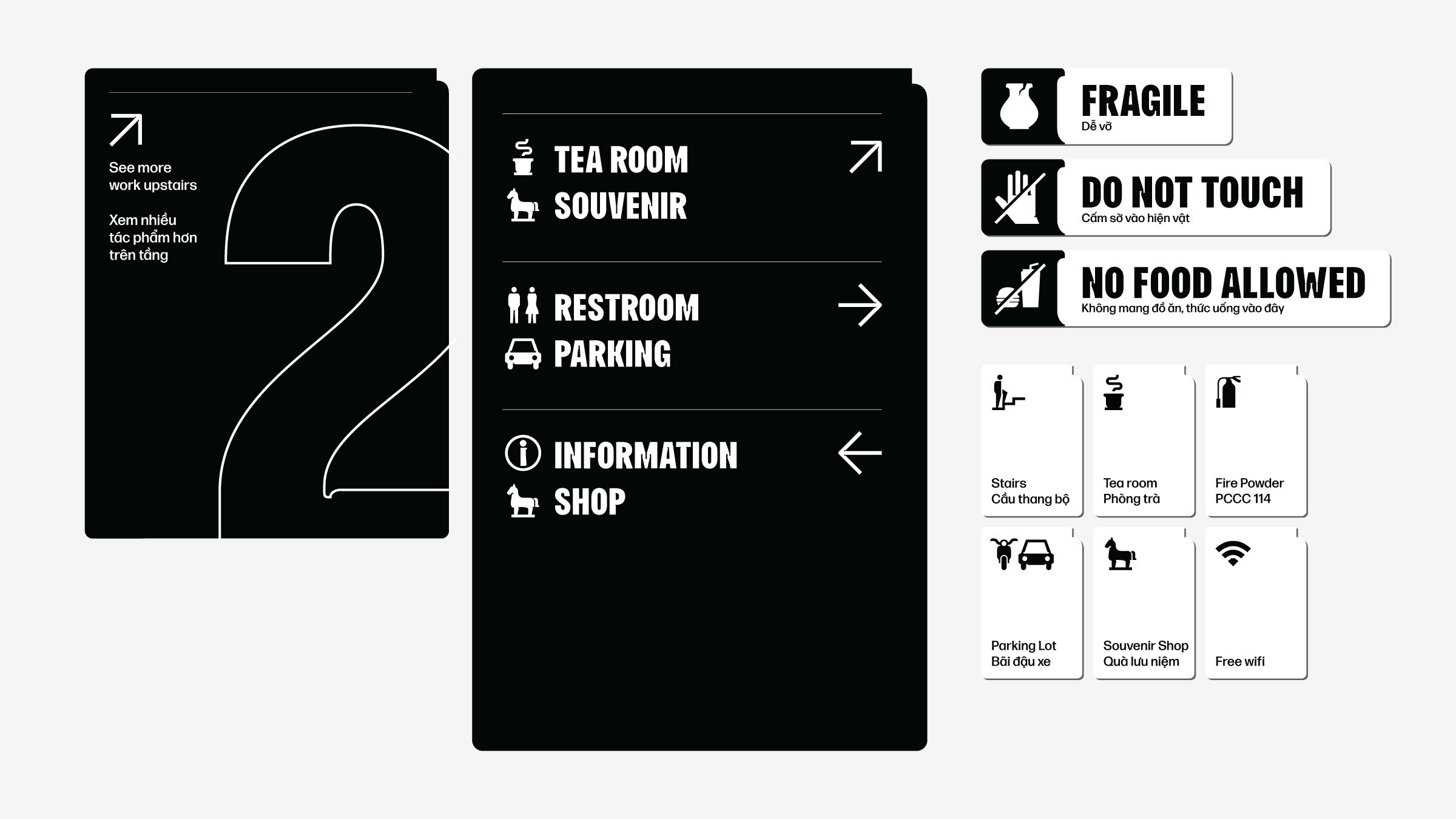
The rebranding process was grounded in extensive historical research. Designers analyzed the structural layout of the museum—which follows a distinct three-part floor plan—to develop a grid system that governs all brand communications, from digital signage to print materials. This alignment between the physical space and the visual identity is intended to provide visitors with a cohesive, intuitive navigation experience.

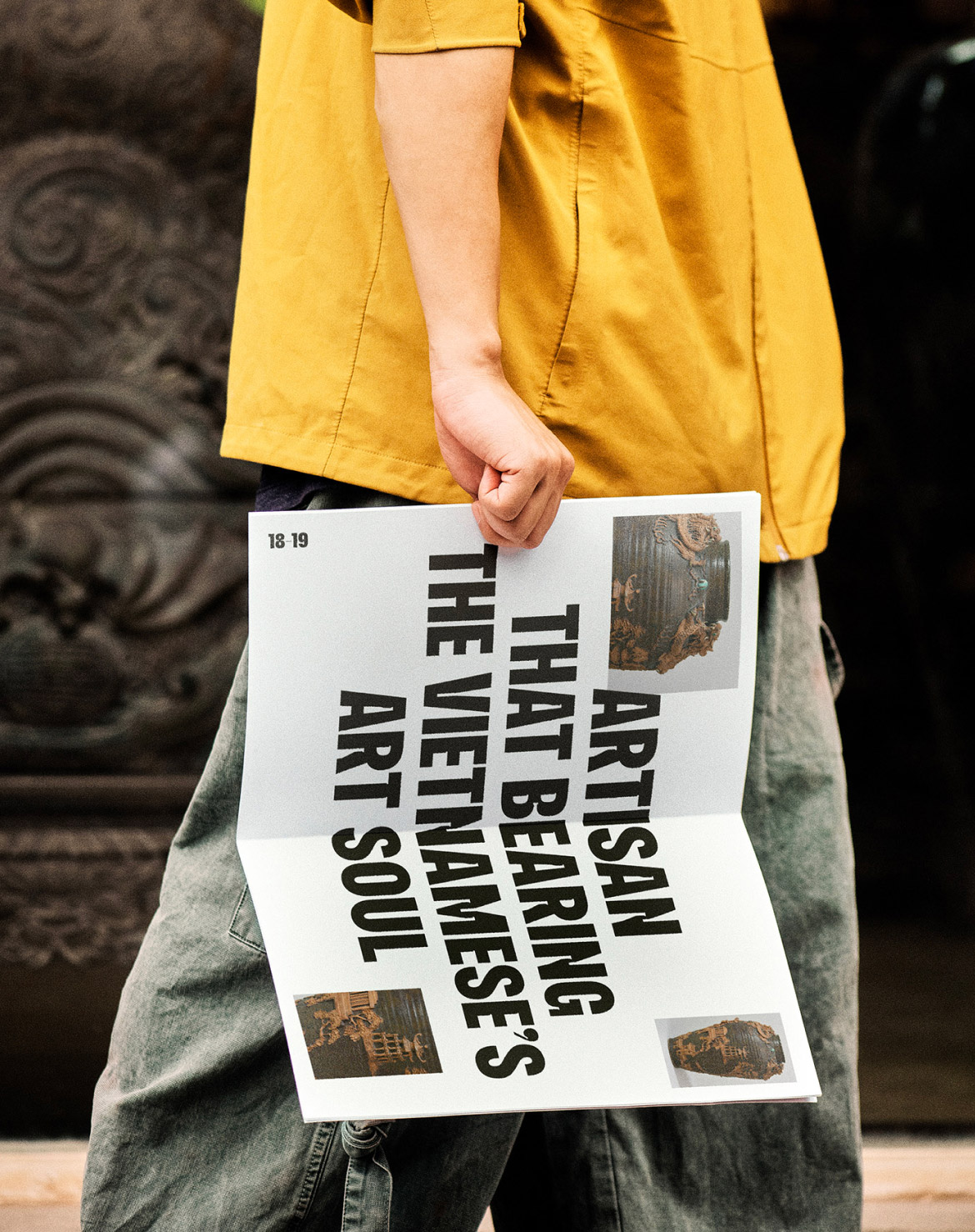
A pivotal element of this modernization was the development of a custom typeface, "MN Vũ Đức Thắng." This typeface features unique "inktrap" flourishes, colloquially referred to as "pottery-shoe-soul" touches, which subtly nod to Thắng’s record-breaking ceramic boots. This design choice serves a dual purpose: it acts as a subtle homage to the museum’s history while providing a high-legibility, modern aesthetic suitable for contemporary institutional branding.
Chronology of Development
The path to the current state of the Bát Tràng Museum can be categorized into three distinct phases:
- The Formative Years (Pre-2013): During this period, Vũ Đức Thắng refined his signature glazing techniques. The village of Bát Tràng, located on the outskirts of Hanoi, had long been established as a hub for ceramic production, but the need for a formal, centralized space to house the works of modern masters became increasingly apparent.
- The Guinness Recognition (2013): The successful completion of the "12 Pottery Boots" project put the museum on the international map. This period saw the formalization of the museum’s status as a private, government-sanctioned entity, marking a shift toward institutional legitimacy.
- Modernization and Rebranding (2023–2024): The recent overhaul aimed to standardize the museum’s presentation. By adopting a "clean" photographic style and a simplified, vibrant color palette that emphasizes the natural textures of the ceramic glazes, the museum successfully pivoted toward a more professional, international-facing aesthetic.
Data and Design Specifications
The museum’s visual system is built upon a foundation of architectural and structural consistency. Key technical aspects of the rebranding include:
- Grid System: The branding is anchored to a grid based on the museum’s three-part architectural layout. This ensures that every piece of collateral—including brochures, website elements, and signage—adheres to the same proportions as the building itself.
- Color Strategy: Designers transitioned away from cluttered palettes, opting instead for a color scheme that highlights the vividness and organic textures of the ceramic glazes. The primary focus is placed on the "truth" of the material—showcasing the depth and color variations inherent in the kiln-fired pieces.
- Typography: The "MN Vũ Đức Thắng" font is a bespoke solution designed specifically for this project. Its technical features, such as the inktraps, mimic the physical process of pottery making, where excess glaze or material collects in the recesses of a mold.
Cultural Implications and Broader Impact
The revitalization of the Bát Tràng Museum holds significant implications for the preservation of Vietnamese craft. In an era of mass production and industrial ceramics, the Bát Tràng Museum serves as a crucial counter-narrative, highlighting the importance of the "human touch" in manufacturing. By elevating individual artists like Vũ Đức Thắng, the museum provides a template for how traditional artisan guilds can adapt to modern museum standards.
From an academic perspective, the museum serves as a bridge between the historical Bát Tràng Pottery Village—which dates back to the 14th century—and the contemporary art scene. It facilitates a deeper understanding of the chemistry and physics involved in ceramic production, subjects often overlooked in favor of purely aesthetic discussions. The implementation of a structured archive and a modernized brand identity allows the museum to engage with a younger, international audience, ensuring that the legacy of Bát Tràng remains relevant in a globalized market.
Official Stance and Future Outlook
While representatives for the museum have remained largely focused on the preservation of Thắng’s legacy, the strategic shift toward a more modern brand identity suggests a long-term goal of increasing tourism and educational outreach. By aligning with professional design firms and adopting international standards of exhibition management, the museum is positioning itself to be a cornerstone of Hanoi’s cultural tourism circuit.

The museum’s efforts to systematize its archives indicate a commitment to long-term sustainability. By moving beyond a collection of individual objects to a curated, branded experience, the Bát Tràng Museum has secured its place as a professional institution capable of hosting international exhibitions and scholarly research. The ongoing focus on "pottery-shoe-soul" design elements reflects a brand identity that is proud of its origin while looking firmly toward a future where heritage and modernity coexist.
In conclusion, the Bát Tràng Museum’s evolution is a testament to the power of thoughtful, design-led institutional growth. By honoring the technical genius of its founder while embracing contemporary branding, the museum has successfully transformed from a localized curiosity into a sophisticated cultural destination. Its ability to maintain the integrity of ancient techniques while speaking the language of modern visual communication provides a blueprint for cultural institutions worldwide that seek to preserve their heritage in an ever-changing world.