
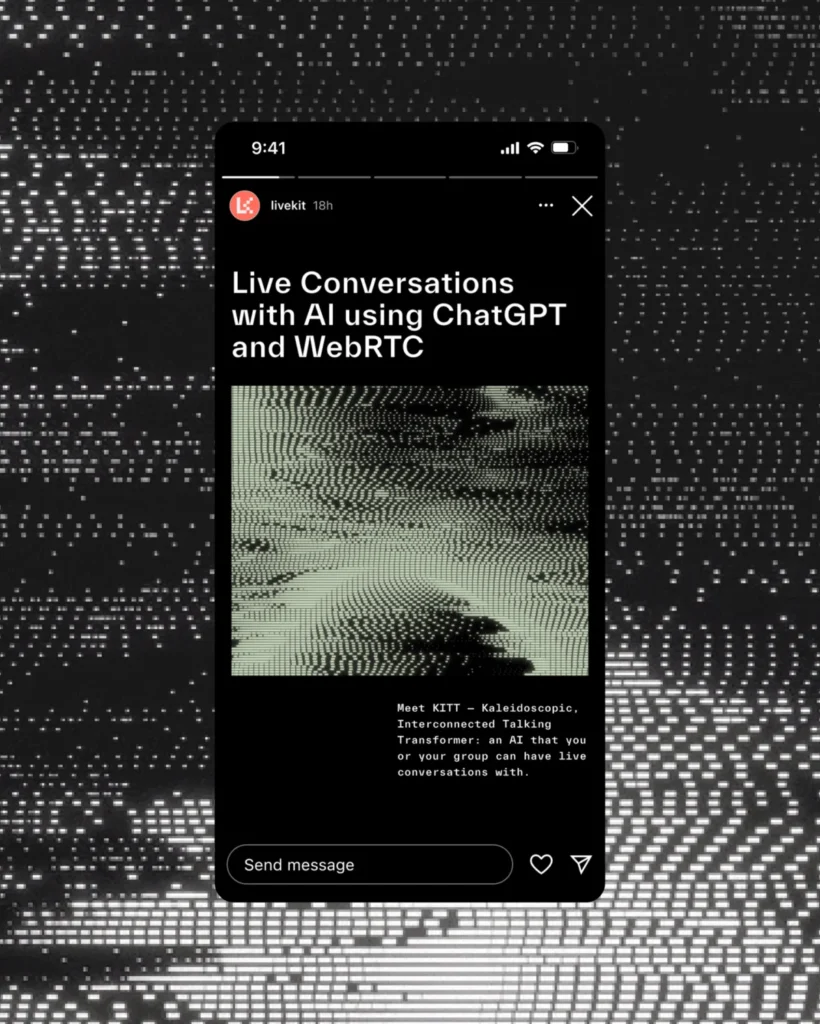

LiveKit, the high-performance infrastructure platform for real-time video, audio, and data, has rapidly ascended to the forefront of the developer ecosystem, transforming from a specialized WebRTC tool into a foundational pillar for modern digital experiences. As the demand for low-latency communication continues to surge across sectors ranging from robotics and artificial intelligence to immersive spatial computing, LiveKit has solidified its market position not only through technical prowess but through a comprehensive rebranding initiative that aligns its visual identity with the complexity of its underlying architecture.

The necessity for a robust design system arose from the platform’s unique position in the software stack. While developers utilize LiveKit to power mission-critical applications, the software often functions as the "silent engine" behind the scenes. To bridge the gap between back-end utility and user-facing brand recognition, the company collaborated with The Collected Works to craft a visual language that balances technical sophistication with aesthetic accessibility. This new identity leverages a "digital edge" aesthetic, characterized by a dark-mode-first design philosophy, vibrant color palettes, and fluid animations, ensuring that the brand remains memorable even when embedded deep within complex software environments.
The Technical Context of the WebRTC Revolution
To understand the trajectory of LiveKit, one must first examine the evolution of WebRTC (Web Real-Time Communication). Originally introduced by Google in 2011, WebRTC provided the first standardized framework for browser-based video and audio communication. However, implementing WebRTC at scale is notoriously difficult, requiring expertise in signaling, media relaying, and network traversal.
LiveKit emerged as a solution to these hurdles, providing a managed, scalable infrastructure that abstracts away the complexities of WebRTC. By allowing developers to build interactive applications—such as video conferencing platforms, live streaming services, and robotics control interfaces—without the overhead of maintaining proprietary media servers, LiveKit effectively lowered the barrier to entry for high-fidelity real-time communication. This functionality has become increasingly vital as businesses seek to integrate synchronous, interactive experiences into their own platforms, moving away from reliance on third-party "black box" solutions like Zoom or Twilio.
Chronology and Market Growth
The growth of LiveKit reflects the broader shift toward decentralized and programmable communications. Since its inception, the company has achieved several milestones that underscore its rapid adoption by the developer community:

- 2021 (Q3): LiveKit is recognized as one of GitHub’s Top 10 Fastest Growing Repositories, signaling widespread adoption among open-source developers seeking a reliable WebRTC stack.
- 2022 (Q2): The company repeats this achievement, appearing once again on GitHub’s list of fastest-growing projects, confirming its sustained relevance in the cloud infrastructure space.
- 2023: As the company matures, it gains industry-wide validation, culminating in its inclusion in the Forbes Cloud 100 Rising Stars list. This designation highlights the company as a key emerging player within the competitive private cloud sector, often reserved for companies demonstrating high growth and significant technological disruption.
- 2024: The company completes a brand identity overhaul, focusing on a cohesive visual system that spans across digital dashboards, social media, and physical merchandise, signaling a transition from an early-stage project to an established enterprise brand.
The Strategic Shift in Branding
The decision to invest heavily in brand identity is a calculated strategic move. In the developer tools market, companies often overlook the importance of visual design, prioritizing raw performance over user experience. LiveKit’s pivot toward a refined, cohesive aesthetic serves two purposes: internal morale and external differentiation.
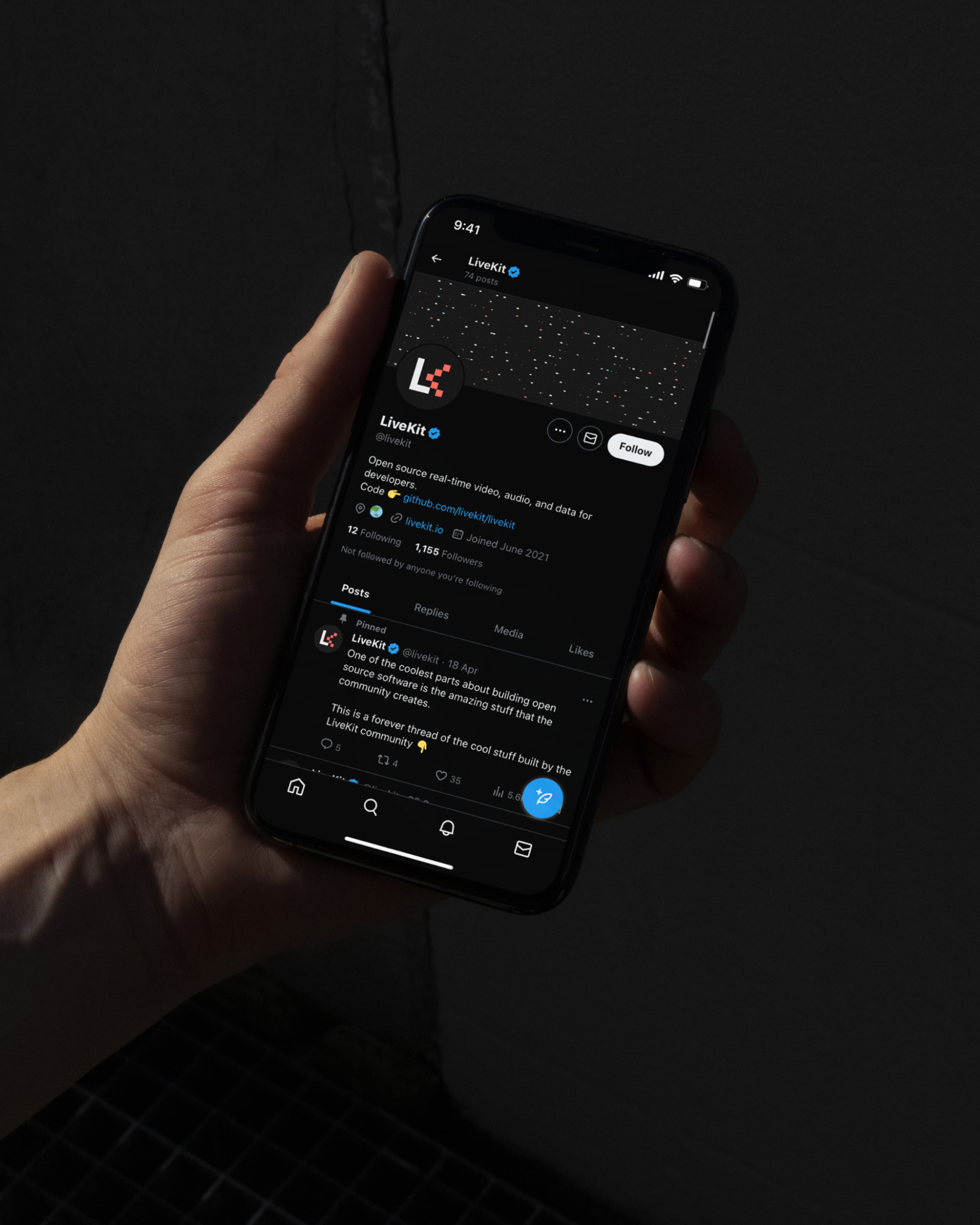
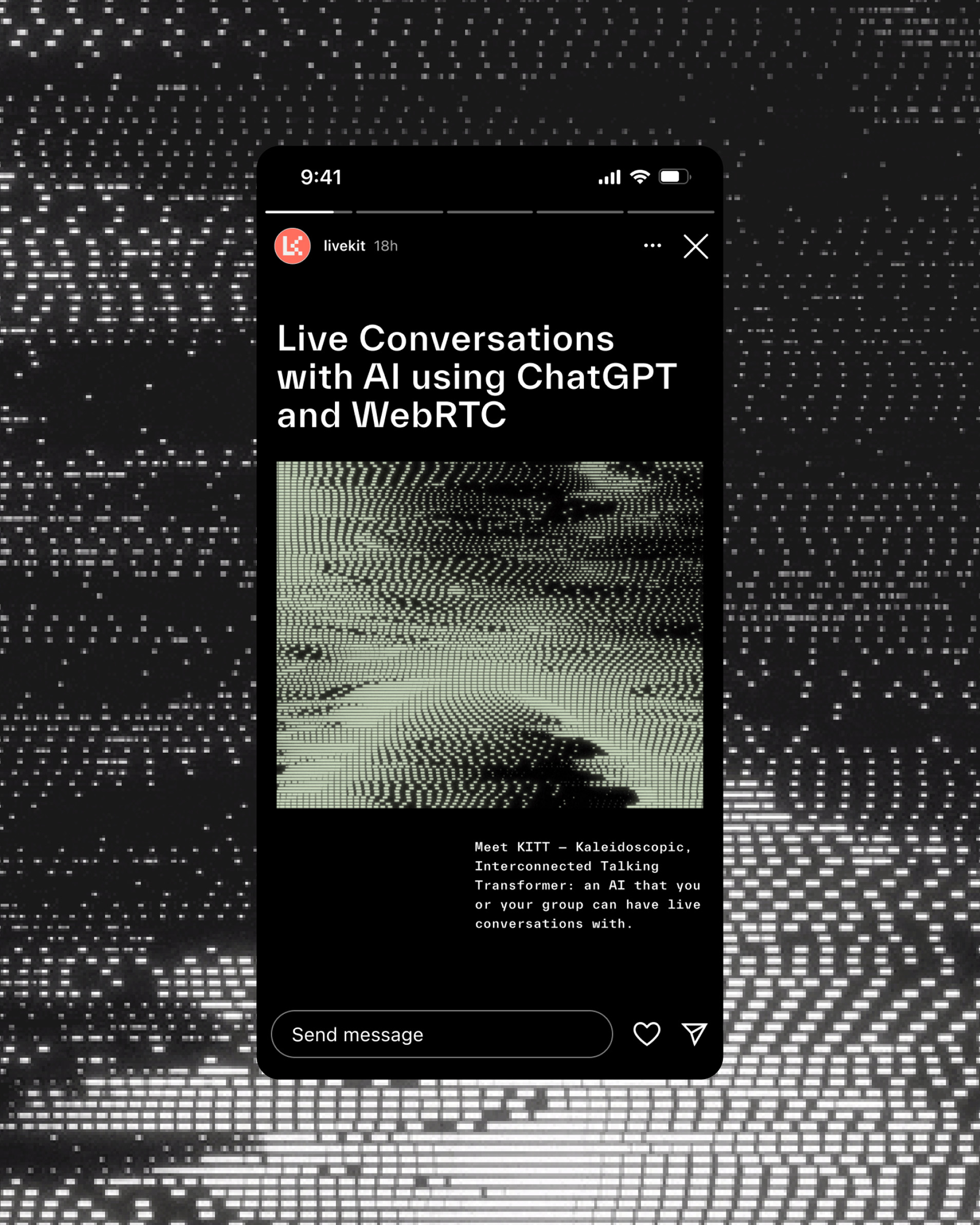
The new design system utilizes a dark-mode interface that aligns with the typical working environment of software engineers. By prioritizing dark aesthetics, the designers reduced visual fatigue—a critical factor for developers who spend hours within terminal and coding environments. Furthermore, the introduction of intentional, high-quality motion design and distinct color profiles allows LiveKit to stand out in a saturated market of SaaS providers. The branding extends across a variety of touchpoints, including the developer dashboard, social media assets, and even company apparel, creating a sense of professional uniformity that appeals to enterprise-level clients who require stability and consistency.

Data-Driven Demand for Real-Time Infrastructure
The rise of LiveKit is not coincidental; it is a direct response to the explosion of real-time data needs in the post-pandemic digital landscape. Industry analysts suggest that the real-time communication market is currently undergoing a "democratization phase."
According to various cloud computing benchmarks, the shift toward interactive digital experiences has increased by roughly 25% year-over-year. As businesses move beyond simple video chat and toward "spatial" applications—where audio and video must be synchronized with 3D environments or robotics telemetry—the latency requirements become significantly more stringent. LiveKit’s focus on low-latency protocols ensures that it remains the preferred choice for applications where a delay of even a few milliseconds could result in system failure or a degraded user experience.
Industry Implications and Future Outlook
The success of LiveKit carries significant implications for the future of the internet. As developers gain access to tools that treat video and audio as standard data types rather than specialized media, we are likely to see an increase in "Web-Native" communication tools. The ability to integrate real-time streaming into robotics, for instance, allows for remote teleoperation with a level of precision that was previously only available to specialized, proprietary hardware ecosystems.
Furthermore, LiveKit’s rise is part of a larger trend of "infrastructure-as-code." By providing a comprehensive SDK and a clearly defined dashboard, the company allows for seamless integration into existing CI/CD pipelines. This developer-centric approach is likely to influence how other communication platforms structure their own offerings.
In terms of market competition, LiveKit’s status as a "Rising Star" suggests that it is successfully carving out a niche between legacy telecommunications giants and lightweight, open-source libraries. By maintaining a high-growth trajectory while simultaneously refining its corporate identity, the company has demonstrated that technical excellence and brand design are not mutually exclusive—rather, they are synergistic components of a successful modern tech enterprise.
Concluding Analysis
The journey of LiveKit, from an open-source repository to a recognized name in the Forbes Cloud 100, serves as a case study in how technical utility can be amplified by a strong, well-defined brand identity. While the platform’s performance metrics—such as its status as the "Fastest Growing WebRTC Stack"—provide the necessary technical credibility to attract developers, the new visual identity ensures that the brand remains top-of-mind for potential partners and enterprise customers.

As the company looks to the future, the challenge will remain in balancing its open-source roots with the expectations of an enterprise-grade client base. However, the evidence suggests that by investing in a design system that feels both modern and professional, LiveKit has successfully positioned itself to lead the next generation of real-time communication infrastructure. Whether it is powering the next evolution of spatial computing or enabling the future of remote robotics, LiveKit’s combination of high-speed performance and high-fidelity branding offers a blueprint for other emerging technology firms seeking to achieve long-term market presence.