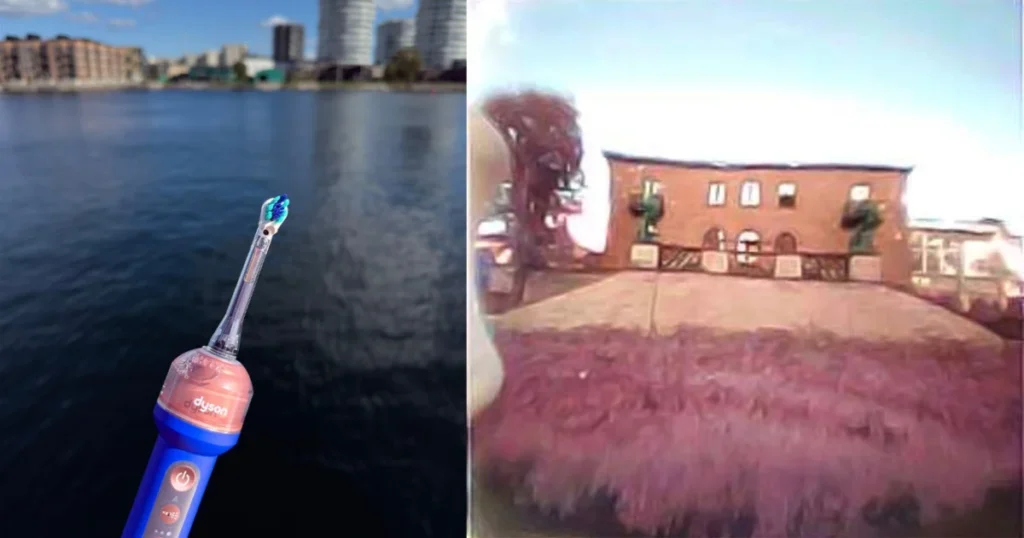

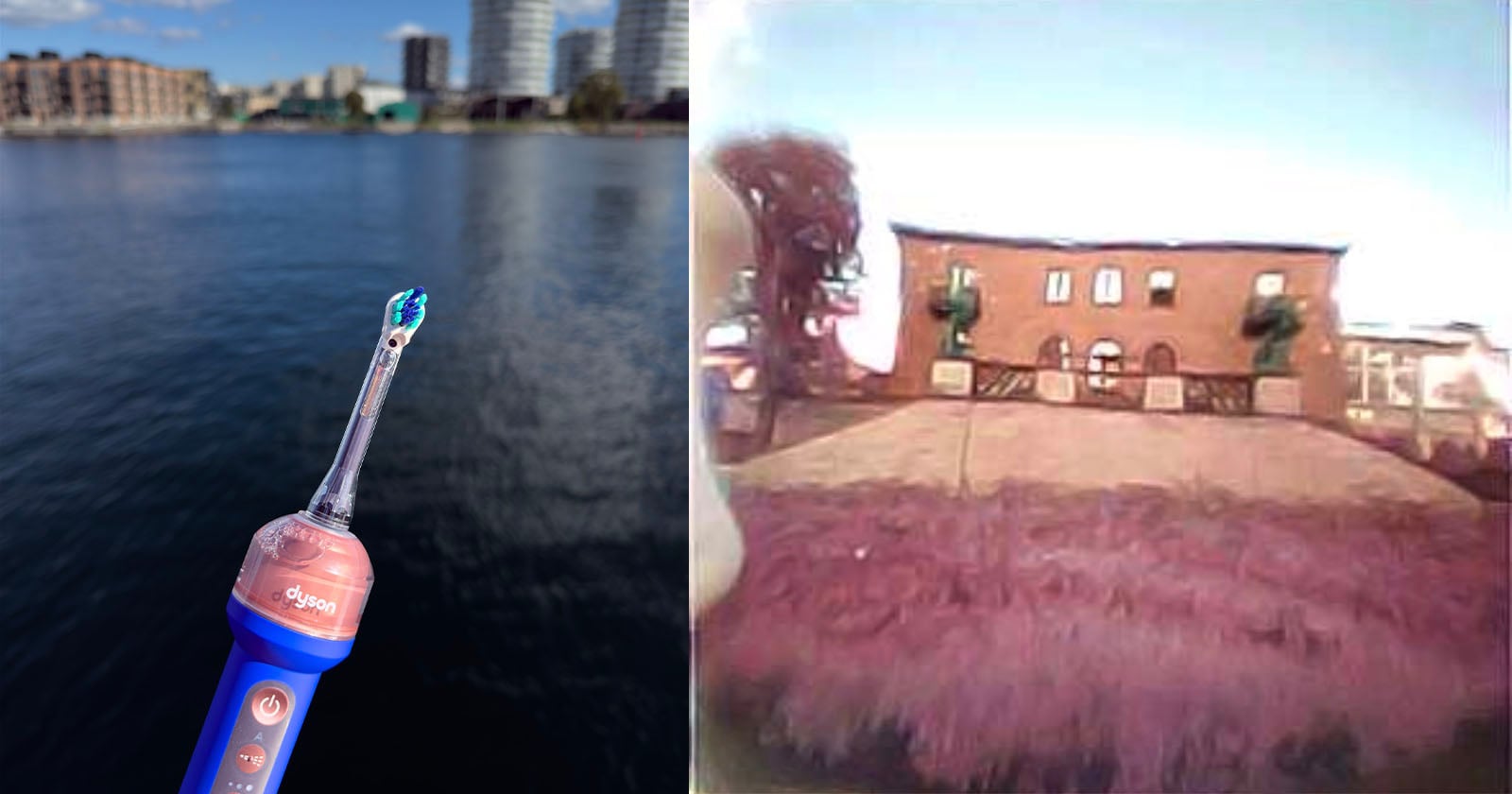
The $499 Dyson CameraJet has sparked a peculiar debate within the photography community following its release earlier this month, as creators begin to repurpose its built-in endoscopic camera for unconventional street photography. The device, marketed primarily as a high-tech oral hygiene tool designed to provide real-time visual feedback of one’s dental health, has been thrust into the spotlight after an Instagram creator known as "all gear no skill" utilized the toothbrush to document an urban photo walk. This experiment highlights a growing trend in consumer electronics where cameras are being embedded into an increasingly diverse array of everyday items, raising questions about the intersection of utility, privacy, and artistic expression.
The Genesis of the Dyson CameraJet
Dyson’s entry into the smart-toothbrush market with the CameraJet model represents a significant evolution in personal care technology. Launched in September 2026, the device features a high-definition endoscopic lens integrated into the brush head. The primary engineering goal for this feature was to allow users to visualize hard-to-reach areas of the mouth, ensuring more effective cleaning through the company’s dedicated mobile application.
However, the hardware capabilities of the CameraJet—specifically its live-feed connectivity and macro-lens optics—have attracted the attention of tech-enthusiasts and photographers. When Dyson initially announced the product, the inclusion of a camera was positioned as a convenience feature for oral hygiene. Few, if any, predicted that the device would be taken out of the bathroom and onto the streets to capture candid architectural shots and urban landscapes.
Technical Limitations and Aesthetic Outcomes
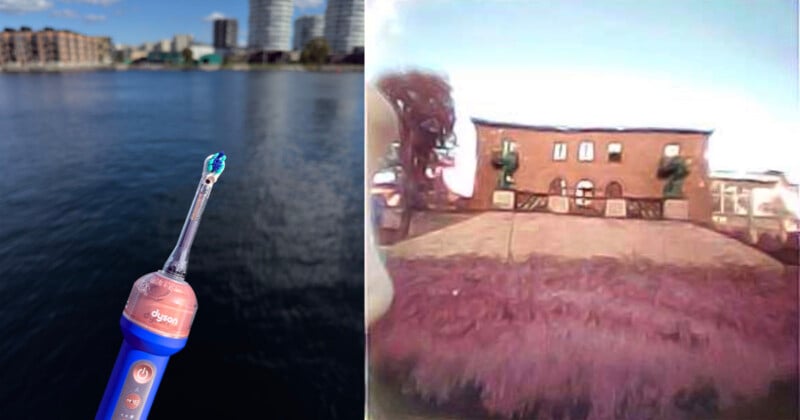
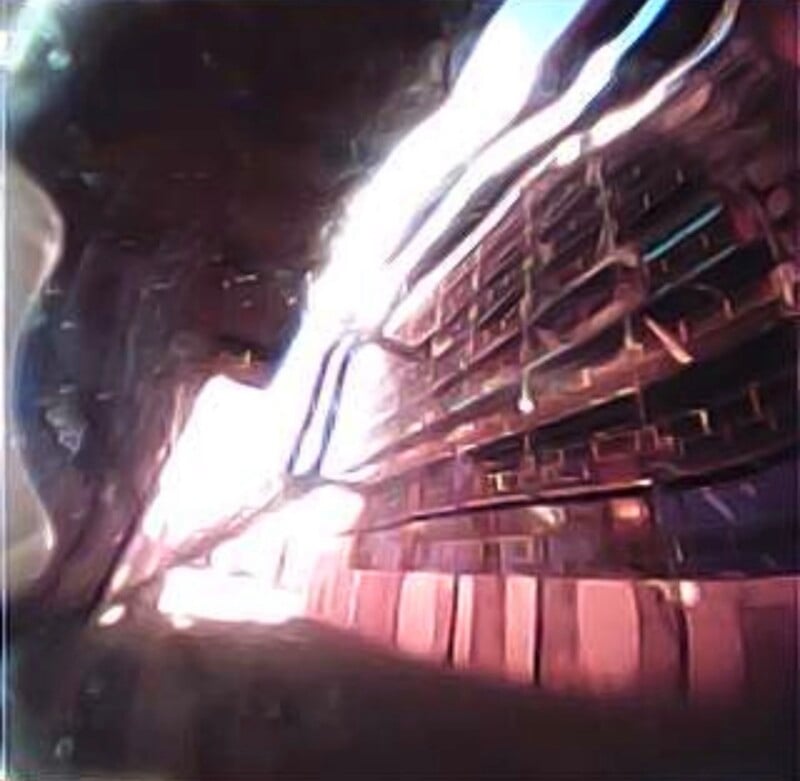
The "all gear no skill" project serves as a practical stress test for the CameraJet’s optical sensors outside of a controlled, well-lit dental environment. According to the photographer, the device’s performance is defined by its inherent limitations. The camera requires a delicate balance of light: it struggles in low-light conditions, yet it is easily overwhelmed by high-contrast environments, leading to significant overexposure and blown-out highlights.
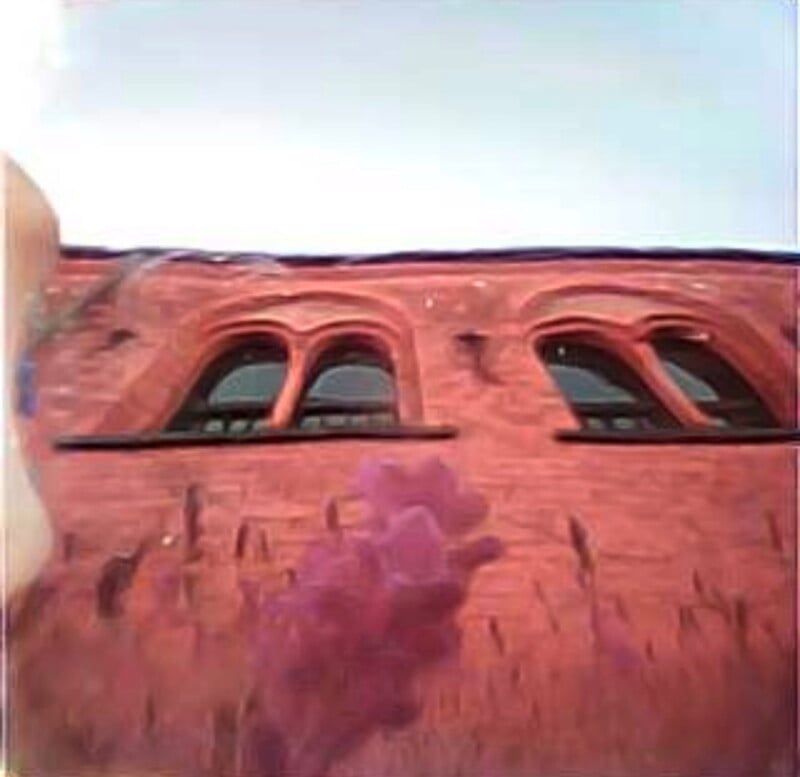
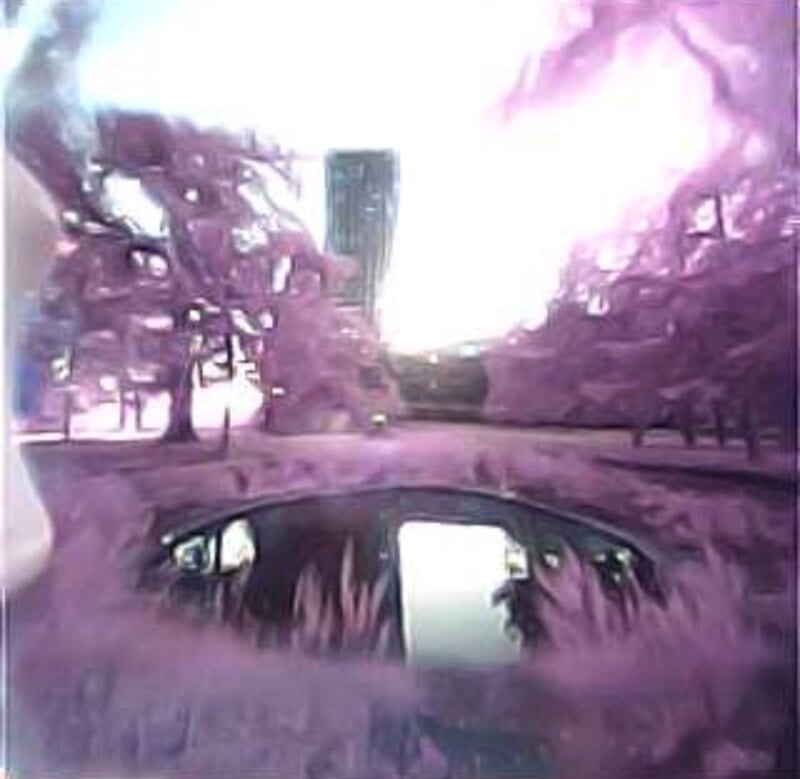
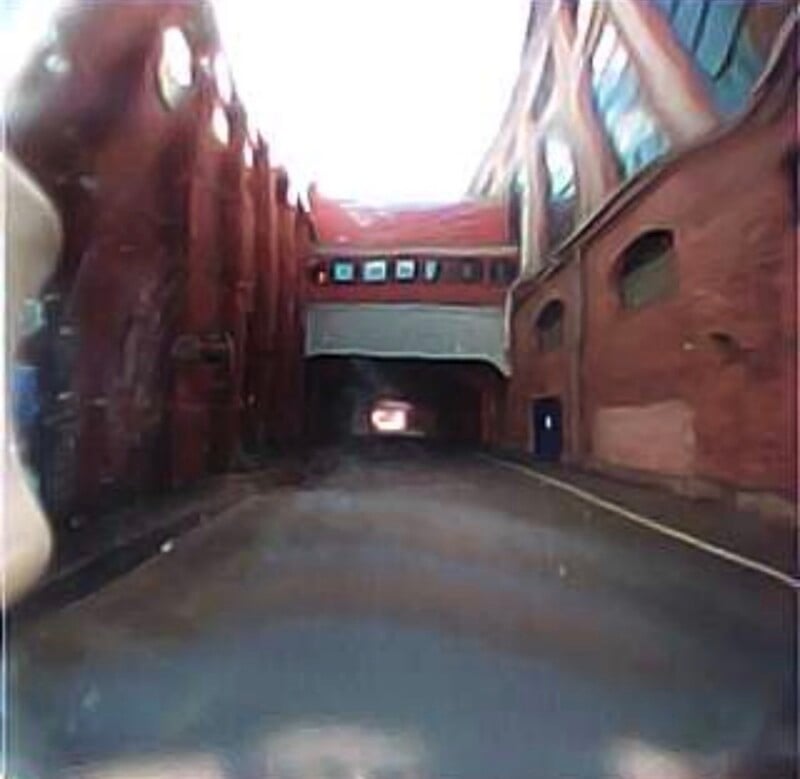
Furthermore, the lens exhibits a severe fisheye distortion consistent with miniature endoscopic technology. Because the hardware was calibrated for macro-distance focusing—typically within a few centimeters of a surface—capturing objects at a distance results in a soft, dreamy, and often distorted aesthetic. The photographer noted that the color reproduction and white balance settings are not optimized for outdoor daylight, often resulting in imagery that mimics the distinct aesthetic of infrared photography or early 2020s generative AI outputs.
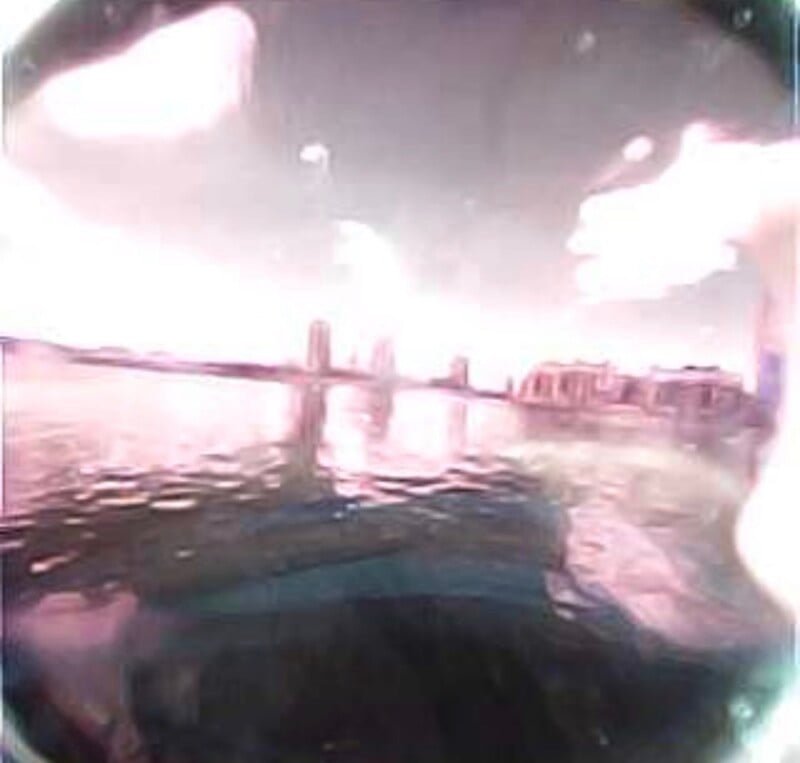
Technically, the CameraJet presents a unique challenge for photographers because it lacks an internal storage medium. The device does not save photos or videos locally, nor does it upload content to the cloud. The camera feed is strictly a real-time transmission to the companion app. Consequently, capturing a "photograph" with the device requires the user to take a screen capture of the live feed on their smartphone, a process that inherently introduces the user interface of the app into the final composition.
Chronology of the Street Photography Experiment
The integration of the CameraJet into street photography began shortly after the product’s mid-September release.
- September 1, 2026: Dyson officially releases the CameraJet to the public, emphasizing the "smart cleaning" capabilities of the endoscopic lens.
- September 5, 2026: Online discourse begins to shift from the product’s cleaning efficacy to its potential for unconventional surveillance and photography.
- September 12, 2026: "All gear no skill" documents her first full-day photo walk, using the toothbrush in public spaces.
- September 15, 2026: The images are shared across various social media platforms, garnering attention for their surreal, low-fidelity aesthetic.
- September 17, 2026: The photographer attempts to share her findings on the r/streetphoto subreddit, where the post is subsequently removed by moderators for failing to meet the community’s strict definition of street photography.
The Debate Over "Street Photography" Standards
The exclusion of the Dyson-captured images from the r/streetphoto community underscores a long-standing tension in the photography world regarding the definition of the medium. The subreddit moderators cited a violation of the "street photography only" rule, arguing that the specific gear used or the quality of the image did not align with the artistic standards expected of the community.
This rejection has ignited a broader debate. Proponents of the project argue that street photography is defined by the subject and the intent—capturing candid life in public spaces—rather than the quality of the sensor or the prestige of the camera brand. Critics, however, maintain that using a toothbrush camera produces images that are too distorted and technically compromised to be considered serious photography. The photographer herself expressed disappointment, noting that she had reached out to moderators to explain the context of her work, only to be denied a reinstatement.
Broader Implications of the "Camera-Everywhere" Trend
The Dyson CameraJet is not an isolated case. In recent years, companies have integrated imaging sensors into watches, glasses, doorbells, and now, grooming tools. This phenomenon has two distinct impacts: first, it broadens the potential for "guerrilla" photography, where users capture images with devices that do not look like cameras, thereby avoiding the social friction often associated with traditional photography in public spaces. Second, it raises profound privacy concerns.
As cameras become ubiquitous, the line between personal utility and public surveillance blurs. While the CameraJet is limited by its lack of recording functionality, the presence of these sensors in everyday objects forces society to reconsider the "reasonable expectation of privacy." When a device as mundane as a toothbrush is equipped with a lens, the threshold for what constitutes a "camera" changes entirely.
Market Context and Future Outlook
From a business perspective, the Dyson CameraJet is a testament to the brand’s commitment to "smart" hardware. While the retail price of $499 places it at the premium end of the oral hygiene market, the inclusion of the camera is a primary driver of its value proposition for consumers interested in health data.
Industry analysts suggest that Dyson’s success with this device could encourage other manufacturers to follow suit, potentially leading to a market flooded with niche, camera-equipped domestic appliances. Whether these devices will continue to be repurposed for art remains to be seen. However, the current interest in the CameraJet indicates that there is a significant demographic of creators who are actively seeking out "anti-gear"—tools that defy the industry’s obsession with high-resolution, sharp, and perfectly color-corrected images in favor of something more experimental and raw.
Conclusion: Art in the Mundane
Ultimately, the experiment with the Dyson CameraJet serves as a reminder that the tools of photography are secondary to the creative impulse. By stripping away the ability to adjust aperture, shutter speed, or ISO, the photographer is forced to focus entirely on composition and the limitations of the medium. While the Reddit controversy suggests that the professional photography community may not be ready to embrace toothbrush-generated images as "fine art," the project has successfully pushed the boundaries of what consumers consider a camera. As technology continues to embed imaging capabilities into our daily lives, the definition of a "photographer" will likely continue to evolve, moving away from a focus on professional equipment and toward a more democratic, if unconventional, approach to documenting the world. Whether it is a Leica M10 or a Dyson toothbrush, the camera is, at its heart, simply a vehicle for observation.