
In the complex and often rugged landscape of industrial automation, the imperative for inclusive design has transitioned from a niche design philosophy to a critical business strategy. Building on the foundational definitions established in the first installment of this series, this second report explores the tactical implementation of inclusive design across hardware, nomenclature, and digital infrastructure at Rockwell Automation. As industrial environments evolve to incorporate more diverse workforces, the necessity for equipment and software that performs reliably for every operator—regardless of physical ability—has never been more urgent.
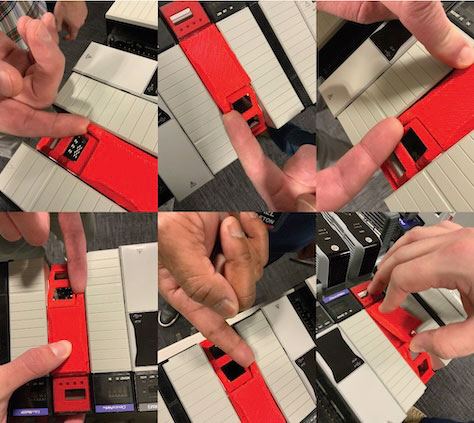
The challenge of industrial design lies in the demand for equipment to function perfectly in unpredictable, high-stakes environments. Unlike consumer electronics designed for controlled, climate-regulated settings, industrial hardware must withstand vibration, debris, extreme temperatures, and limited visibility. Alex Mummert, Senior Industrial Designer at Rockwell Automation, emphasizes that hardware must support a vast spectrum of human users. Designing for the 99th percentile—standardizing grip points, pull forces, and spatial affordances—is now a core metric for success. By conducting low-fidelity ergonomic validations, designers can simulate real-world usage scenarios, ensuring that devices are accessible to individuals with varying degrees of physical strength and dexterity.
The Evolution of Hardware Ergonomics and Visibility
The physical placement of hardware presents a dual challenge: on-machine mounting versus in-cabinet integration. Mummert notes that standardization is vital, yet it must remain flexible enough to accommodate different industrial use cases. Modern design efforts are focusing on maximizing access by minimizing physical obstructions and optimizing the angles at which information is displayed. This is particularly relevant for workers wearing protective gear, such as heavy gloves, which can reduce tactile feedback and increase the difficulty of operating precision controls.
Visual indicators also play a critical role in safety and efficiency. Historically, the use of green and yellow LEDs with overlapping wavelengths created significant barriers for operators with color vision deficiencies. Rockwell Automation has responded by implementing updated wavelength guidance and increasing the physical spacing between LED indicators. This deliberate spacing ensures that in high-stress, low-visibility conditions, an operator can identify a specific status light even if they struggle to distinguish the color, relying instead on the indicator’s position within a cluster. This approach transforms a potential point of frustration into a clear, legible status signal.
A Chronology of Linguistic Reform
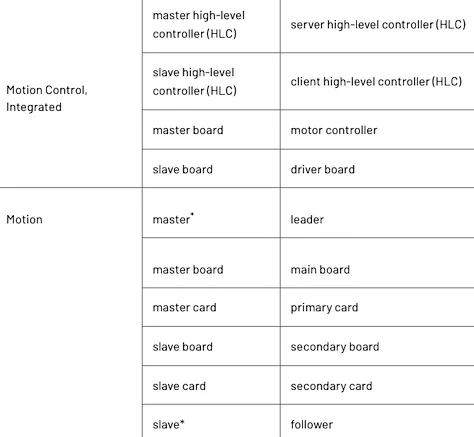
Parallel to physical design, the automation industry has begun a significant, long-term project to modernize its terminology. Historically, the technology sector relied on non-inclusive jargon that created unnecessary barriers to entry. Since the inception of the inclusive terminology initiative, the movement has shifted from internal discussion to industry-wide advocacy.
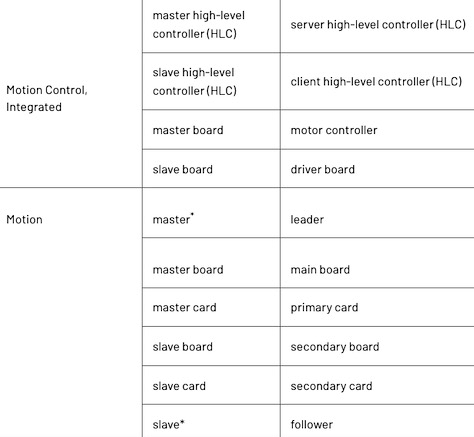
The timeline of this transition began with the formation of the Terminology Review Board, which aligned with cross-industry consortiums like TerminOrgs to establish global standards for inclusive language. In 2022, Rockwell Automation integrated these discussions into its annual Automation Fair’s "Bold Conversations" roundtable. By 2023, the initiative had moved beyond mere internal policy, manifesting as a public-facing resource on the company’s website that provides preferred, inclusive alternatives for legacy terms used in cybersecurity, motion control, and software programming. This transition is not merely cosmetic; it is a recognition that language shapes the accessibility of technical documentation and training, which directly impacts the safety and efficacy of the industrial workforce.
Digital Accessibility through Design Systems
The integration of accessibility into digital workflows is arguably the most significant hurdle for legacy software. Because industrial IDEs, such as the FactoryTalk Design Studio, are designed for "power users" who require extreme efficiency, the introduction of accessibility features is often viewed through the lens of performance. Jonathon Gulbrandsen, Design System Leader, notes that the adoption of keyboard-first navigation has proven to be a strategic win for all users, not just those with disabilities.
By prioritizing keyboard accessibility, developers have inadvertently increased the speed and efficiency of high-volume tasks for all engineers, reducing the physical and cognitive load associated with prolonged mouse usage. Furthermore, the standardization of contrast ratios to meet WCAG 2.1 AA standards for UI components and AAA standards for text represents a shift toward compliance-driven design. This shift is essential, as modern enterprise clients now demand that software procurement aligns with global accessibility mandates. The Flourish Design System currently serves as the centralized repository for these standards, ensuring that every new component developed is inherently accessible by design.
Economic and Operational Implications
The implications of this shift toward inclusive design are manifold. From a human resources perspective, as the industrial sector faces a persistent talent gap, inclusive design expands the potential labor pool, allowing companies to recruit from a more diverse demographic of engineers and technicians. Data from the World Health Organization and other labor statistics organizations indicate that approximately 15% of the global population lives with some form of disability. By failing to account for these users in industrial hardware and software, companies risk marginalizing a significant portion of the workforce.
Furthermore, the economic impact of "inclusive-first" design is measurable. Designing for the 99th percentile reduces the need for costly retrofits and ergonomic modifications post-deployment. When hardware is designed to be intuitive and legible from the start, the frequency of operator error—often caused by poorly placed controls or ambiguous status indicators—decreases. This, in turn, boosts uptime and productivity, providing a clear ROI for the investment in inclusive design.
Looking Toward Future Standards
As the industry looks toward the next phase of this evolution, the focus will inevitably shift toward localization and deep-system integration. While the current initiatives have successfully established a framework for hardware ergonomics and digital interface standards, the future of industrial automation will require these principles to be baked into global supply chains and international standards bodies.
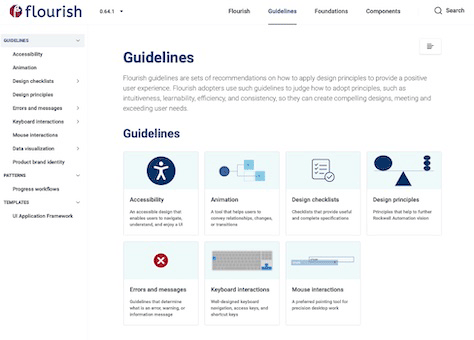
The transition is not without friction; legacy systems often require years of development to modernize, and cultural inertia within the engineering community remains a factor. However, the move toward "proactive" accessibility—where design checks are built into the initial productization pipeline—marks a departure from the reactive, fix-it-later approach that defined the previous decade. By embedding accessibility into the very foundations of the design system, organizations can ensure that future innovations are inherently inclusive, effectively closing the gap between human capability and machine complexity.
As documented in the upcoming third part of this series, the conversation will expand to include the challenges of localization and the nuances of international compliance, which remain the final frontiers in the quest for truly universal industrial accessibility. The ongoing commitment from design leaders at companies like Rockwell Automation underscores a broader industry realization: that in the era of smart, connected, and automated manufacturing, the most sophisticated machine is only as effective as the human who operates it. Through rigorous, evidence-based design, the automation sector is moving closer to an environment where inclusivity is the standard, rather than the exception.