
In the rapidly evolving landscape of digital marketing, maintaining a consistent brand presence across multiple social media channels is no longer a luxury but a necessity for businesses and individual creators alike. As platforms shift algorithms and user behaviors change, the demand for robust social media management tools—often referred to as the "home base" for digital operations—has reached an all-time high. Among the most recognized players in this sector are Buffer and Later, two platforms that provide essential infrastructure for scheduling, engagement, and performance analysis. While both aim to streamline the complex process of social media management, their operational philosophies, pricing structures, and feature sets cater to fundamentally different organizational needs.
Historical Context and Market Evolution
The social media management market has matured significantly over the past decade. Buffer, founded in 2010, initially carved out its market share by focusing on simplicity and cross-platform utility, allowing users to queue content across various networks with minimal friction. Its evolution has focused heavily on accessibility, prioritizing a freemium model that serves as an entry point for solopreneurs and small teams. Conversely, Later—which gained significant traction following the rise of Instagram as a primary marketing channel—has historically centered its product development around visual aesthetics. Originally known as "Latergramme," the platform was built to solve the specific pain point of planning and visualizing the Instagram grid, eventually expanding its scope to include TikTok and broader social media management capabilities.
Pricing Structures and Financial Implications for Businesses
The most immediate differentiator for potential users is the pricing philosophy adopted by each firm. Buffer utilizes a modular, channel-based pricing model. This approach is designed to provide cost-predictability; users pay for exactly the number of social media channels they require. For a small business owner, this means avoiding the "bloat" of paying for unused features or unnecessary account slots. Buffer’s paid tiers begin at approximately $6 per month per channel, with a generous free plan that supports up to three channels.
Later, by contrast, employs a "social set" model. A social set typically encompasses one account from each supported platform (e.g., one Instagram, one Facebook, one TikTok). While this provides a comprehensive suite for brands that maintain an equal presence across all major platforms, it can be cost-prohibitive for niche creators. For example, a user who exclusively focuses on LinkedIn and X (formerly Twitter) would find Buffer’s model highly efficient, whereas Later’s bundled approach forces them to pay for a full social set regardless of whether they utilize every included network. Furthermore, Later’s pricing scales significantly as teams grow, with base plans often starting at $25 per month, and additional costs incurred for extra team members or specific advanced features.
Feature Parity and Technical Capabilities
While the user interface of each platform differs—Buffer favoring a clean, list-based dashboard and Later leaning into visual grids—both platforms offer core functionality that includes content scheduling, performance analytics, and community management. However, deep-dive analysis reveals structural differences in execution.
One of the most critical areas of divergence is in bulk content management and automation. Buffer offers a robust CSV import feature that allows users to schedule up to 100 posts simultaneously, a feature that is essential for agencies and enterprise-level marketing teams. Later, while superior in visual grid planning, lacks a native CSV bulk-scheduling function, requiring more manual intervention for high-volume content calendars.
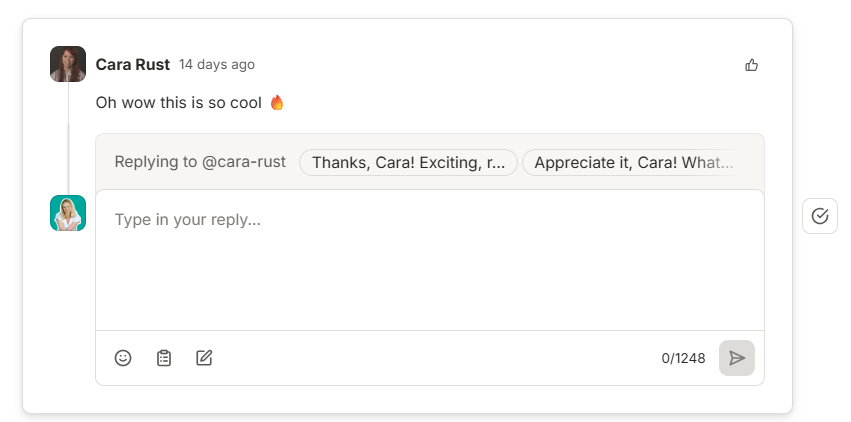
Furthermore, the integration of artificial intelligence (AI) has become a battleground for these platforms. Buffer has taken an aggressive stance on AI integration, providing unlimited access to its AI Assistant across all plans, including the free tier. This allows users to generate ideas, refine captions, and repurpose content without artificial caps. Later utilizes a credit-based system for its AI tools, which is restricted to paid subscribers. For high-volume users, this difference can represent a substantial long-term saving or an unexpected variable cost.
Analytics and Reporting: The Data Divide
Data-driven decision-making remains the cornerstone of modern social media strategy. Buffer’s "Insights" dashboard is engineered to provide a bird’s-eye view of multi-platform performance. A unique feature of the Buffer suite is its AI-powered "Takeaways," which interpret raw data to offer actionable advice, such as identifying the optimal time to post or suggesting content types that yield higher engagement. This is particularly valuable for users who may not have dedicated data analysts on their team.
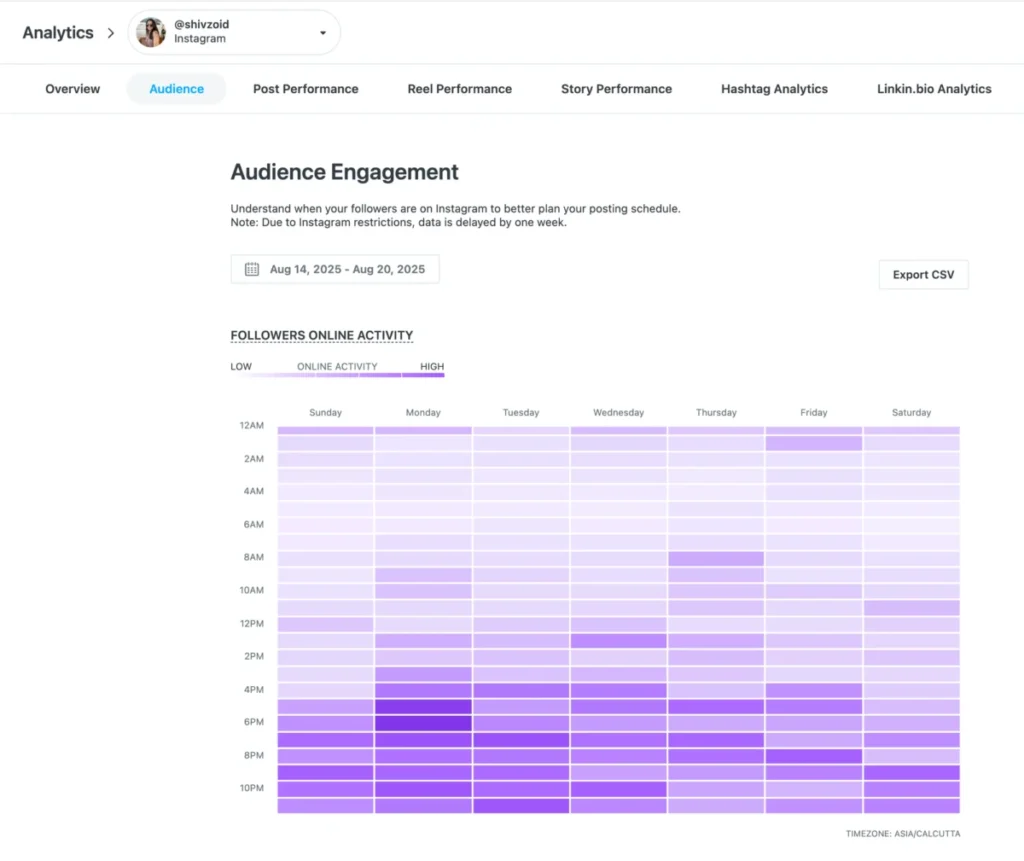
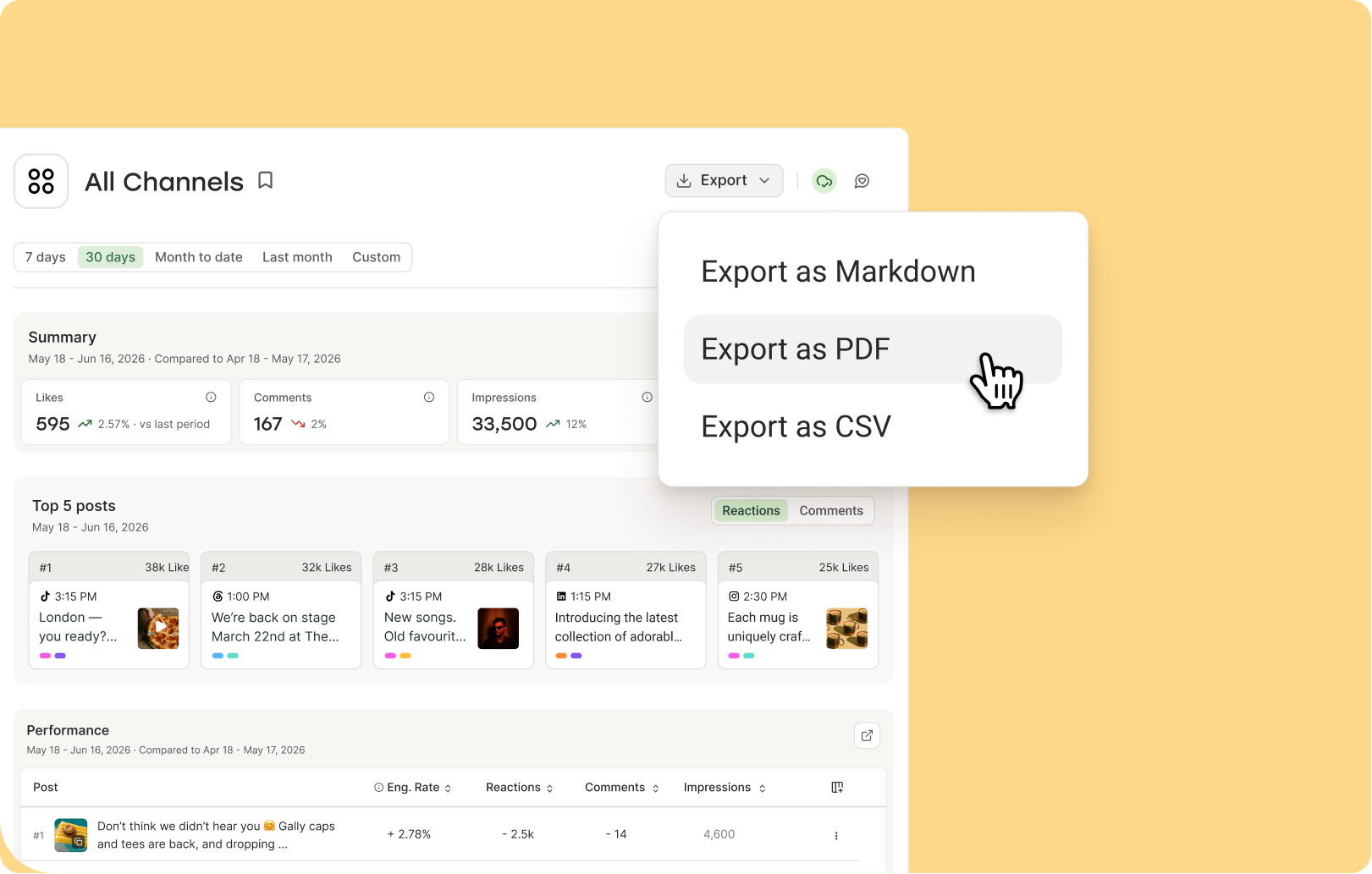
Later focuses its analytics heavily on visual engagement metrics and demographic breakdowns, particularly for Instagram and TikTok. Its strength lies in its "audience heatmaps," which visualize exactly when followers are most active. While this is highly effective for visual-centric brands, the platform’s reporting capabilities—such as the inability to export PDF reports directly on lower-tier plans—may hinder the workflow of agencies that need to provide professional, client-ready summaries.
Team Collaboration and Workflow Management
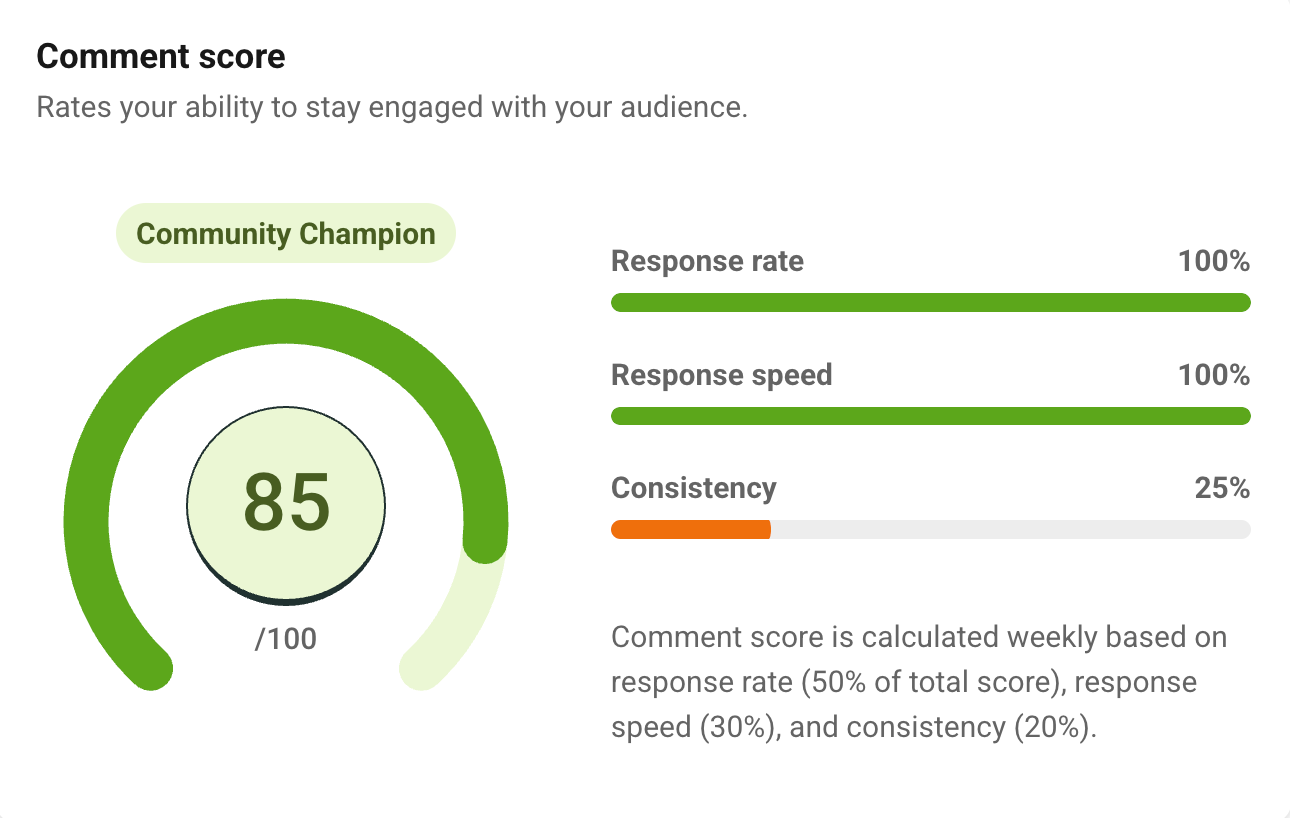
For organizations with multiple stakeholders, the management of user permissions is paramount. Buffer provides unlimited users on its team-focused plans, which simplifies billing and encourages collaboration across departments. Its permission structure is straightforward, offering "Full Access" or "Approval Required" roles, which limits the complexity of training new team members.
Later manages team access through "Access Groups," a system designed to partition content libraries and scheduling calendars by brand or client. While this is highly effective for marketing agencies managing disparate brands, it can be structurally rigid. If a user needs to cross-utilize social profiles across different access groups, the system may require the purchase of additional social sets, potentially complicating the administrative overhead.
Platform Support and Ecosystem Integration
A critical look at the supported platforms underscores the strategic focus of each company. Buffer maintains a broader reach, supporting 11 platforms, including professional and decentralized networks such as LinkedIn, Mastodon, and Bluesky. This makes Buffer the preferred choice for organizations that prioritize multi-channel distribution and thought leadership across diverse professional communities.
Later, while supporting eight platforms, offers a unique integration with Snapchat, which remains a key demographic touchpoint for Gen Z-focused brands. Additionally, Later has invested heavily in commerce integrations, most notably with Shopify. Their "Linkin.bio" tool allows for seamless product tagging and conversion tracking, turning a static link-in-bio page into a direct sales channel. While Buffer also offers a "Start Page" with link-in-bio functionality and affiliate link support, Later’s deep integration with e-commerce platforms gives it a distinct advantage for retail and direct-to-consumer (DTC) brands.
Impact and Strategic Implications for Users
The decision between Buffer and Later often boils down to a choice between "flexible utility" and "visual-first specialization." The objective data suggests that for solopreneurs, small businesses, and organizations prioritizing a wide, multi-channel strategy, Buffer offers a more scalable and cost-effective entry point. Its commitment to unlimited AI usage and channel-based pricing provides a predictable environment for growth.
Conversely, for brands that operate primarily through visual storytelling—such as fashion labels, lifestyle influencers, and boutique retail brands—Later’s specialized features, such as the drag-and-drop grid planner and e-commerce integrations, may justify its higher price point. The platform acts less like a utility and more like a creative partner, specifically designed to optimize the visual performance of Instagram and TikTok.
As the social media landscape continues to consolidate and new, niche platforms emerge, the ability of these tools to adapt their APIs and feature sets will be the ultimate test of their longevity. For now, the choice remains clear: prioritize the specific goals of the brand, evaluate the required frequency of content, and consider the long-term cost of scaling team access and AI usage. Both platforms have established themselves as industry standards, yet their distinct architectures ensure that they continue to serve different segments of the digital marketing ecosystem effectively.