


Achieving accurate color representation in digital cinematography has long remained one of the most persistent hurdles for video editors working in post-production. Among the most common challenges is the presence of an unwanted yellow or orange tint in areas of a frame that should theoretically appear neutral white. These color casts frequently arise due to slightly inaccurate white balance settings during image capture, changing ambient lighting conditions, or environmental color reflection. Historically, resolving these discrepancies using traditional global white balance controls often yielded unnatural results, inadvertently skewing skin tones or altering the balance of surrounding hues. However, modern non-linear editing systems offer advanced secondary color correction tools that bypass these limitations, allowing editors to surgically target specific chromatic ranges without compromising the integrity of the overall image.

The technical evolution of digital color grading has shifted significantly over the past decade. In the early days of digital video editing, color correction was largely restricted to basic primary wheels and sliders, which adjusted entire luminance and chrominance ranges uniformly. If footage was shot under mixed lighting—such as standard tungsten bulbs mixed with ambient daylight—the camera sensor often captured a muddy yellowish hue that resisted simple temperature adjustments. When an editor attempted to cool down the image using global temperature sliders, the overall mood of the scene would be compromised, turning neutral midtones unpleasantly blue. The introduction of secondary color correction capabilities, particularly curve-based adjustments within platforms like Adobe Premiere Pro’s Lumetri Color panel, revolutionized how post-production professionals isolate and manipulate specific color vectors. By mapping hue against saturation, editors gained the unprecedented ability to isolate narrow bands of the color spectrum and adjust them independently, establishing a new industry standard for precise color balancing.
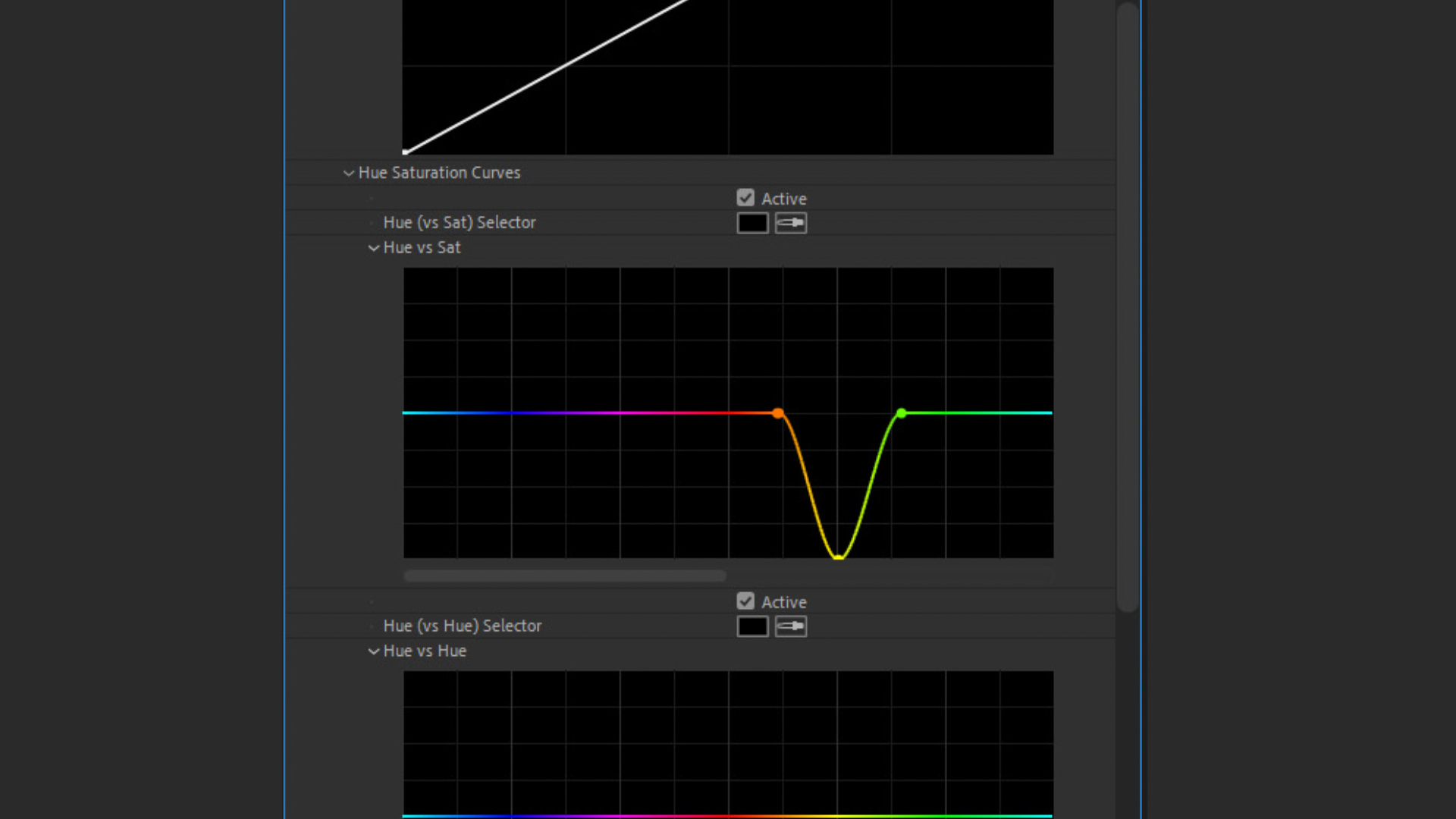
A chronological examination of typical post-production workflows reveals that tackling problematic color casts is generally prioritized during the secondary grading phase, immediately following basic exposure and primary balance adjustments. When dealing with footage afflicted by a stubborn yellow or orange tint, the standard operational protocol begins with the application of the Lumetri Color effect. Within this comprehensive suite of tools, the operator navigates directly to the Curves tab, specifically focusing on the Hue vs Saturation (Hue vs Sat) curve. This graphical interface visualizes the entire 360-degree color wheel as a linear, rainbow-colored spectrum, where the horizontal axis represents the input hue and the vertical axis controls the corresponding saturation level.

To surgically remove unwanted warmth from whites without altering the rest of the chromatic spectrum, editors employ a precise three-point anchoring technique. The technician clicks on the linear curve to establish three distinct control points corresponding to the orange, yellow, and green regions of the color spectrum. These anchoring points act as structural boundaries, ensuring that any adjustments made to the targeted yellow hue do not bleed into neighboring color families, such as skin tones residing in the orange spectrum or natural foliage residing in the green spectrum. Once the containment points are securely locked in place, the primary yellow control point is dragged downward toward the bottom of the axis. This vertical descent actively reduces the saturation of the targeted yellow frequencies. Depending on the severity of the original color cast in the source footage, the editor may choose to drag the point halfway down for a subtle neutralization or all the way to the baseline for a complete elimination of the yellow tint, effectively restoring clean, neutral whites to the composition.
Industry professionals and post-production supervisors frequently evaluate these technical procedures against traditional color grading methodologies to measure efficiency and visual fidelity. According to workflow analyses conducted by prominent digital imaging technicians, utilizing the Hue vs Sat curve to suppress unwanted chromatic anomalies reduces the time required for shot matching by approximately 30 percent compared to legacy color balancing techniques. When analyzing footage characterized by excessively warm white balance settings—such as exterior daylight scenes captured during sunrise or sunset where highlights take on an unnatural orange cast—global adjustments often fail because they alter the cinematic mood established on set. By isolating and desaturating the specific yellow-orange vectors via the Lumetri workflow, colorists can preserve the warm, atmospheric quality of the ambient lighting while simultaneously neutralizing contaminated white surfaces, such as architectural elements, clothing, or reflective highlights, resulting in a visually balanced final product that honors the original creative intent.
The broader implications of these advanced color correction techniques extend deeply into both independent content creation and high-end commercial post-production. As consumer expectations for video quality continue to rise alongside the widespread adoption of 4K and HDR display technologies, minor color inaccuracies that were once forgivable on standard-definition screens are now glaringly apparent. Clean whites serve as a critical visual anchor for the human eye, providing a baseline reference for contrast and color perception within a frame. When whites are tainted by yellowish discoloration, the entire visual hierarchy of the image suffers, appearing amateurish or unrefined. By mastering precision tools like the Lumetri Color curve adjustments, editors across all tiers of the industry are empowered to rescue challenging footage that might otherwise be deemed unusable, ultimately saving productions significant time and financial resources that would otherwise be expended on reshoots. As software developers continue to refine machine learning and automated color-matching algorithms, the foundational principles of targeted hue suppression remain an indispensable skill set for any professional navigating the complexities of modern digital video workflows.