
The digital marketing landscape is undergoing a seismic shift with the rapid integration of Artificial Intelligence into search engines. While the SEO community has coalesced around a core set of best practices for navigating this new frontier, a deeper analysis reveals a concerning reliance on surface-level tactics over strategic innovation. This article delves into the prevailing advice for AI search optimization, scrutinizes its potential shortcomings, and proposes more nuanced, data-driven approaches that promise to yield superior results.
The Dominant Narrative: A Checklist Approach to AI Search
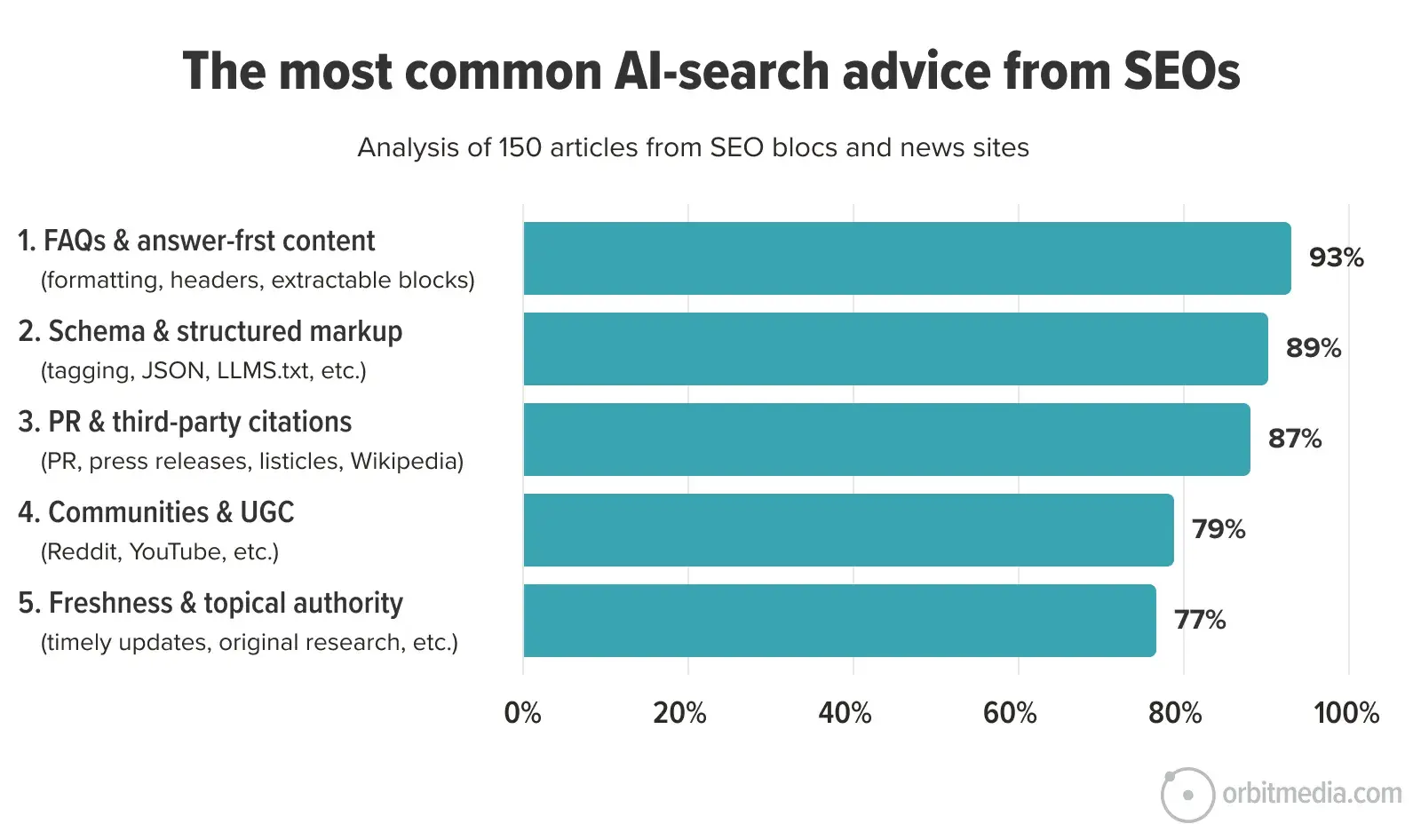
A comprehensive review of 150 SEO articles dedicated to AI search optimization has identified a clear consensus on the key strategies for improving a website’s visibility in AI-driven search environments. The overwhelming majority of these articles point to three primary pillars: Frequently Asked Questions (FAQs), schema markup, and off-site citations on platforms like Reddit. This standardized advice is not confined to written content; it’s a recurring theme at industry conferences and within SEO forums.
This consistency is illustrated by a visual analysis of the research, which shows FAQs and answer-focused content leading the recommendations at 93%, followed closely by schema markup, public relations (PR) citations, community engagement, and topic authority. While these elements are undeniably important, the uniformity of the advice raises questions about whether the SEO industry is truly innovating or merely adhering to a prescriptive checklist. The concern is that a blind adherence to best practices, without a strategic understanding of their underlying purpose, can lead to mediocre performance and a missed opportunity for genuine competitive advantage.
Challenging the Status Quo: Deeper Dives into AI Search Strategies
The prevailing advice, while well-intentioned, often lacks the depth required to navigate the complexities of AI search effectively. A closer examination of each key recommendation reveals potential pitfalls and suggests avenues for more impactful strategies.
The FAQ Conundrum: Beyond Generic Questionnaires
The logic behind prioritizing FAQs for AI search is sound: AI models excel at understanding and responding to natural language questions. Therefore, structuring content in a question-and-answer format is seen as a direct pathway to providing AI with the data it needs to serve users. However, the execution of this strategy frequently falls short.
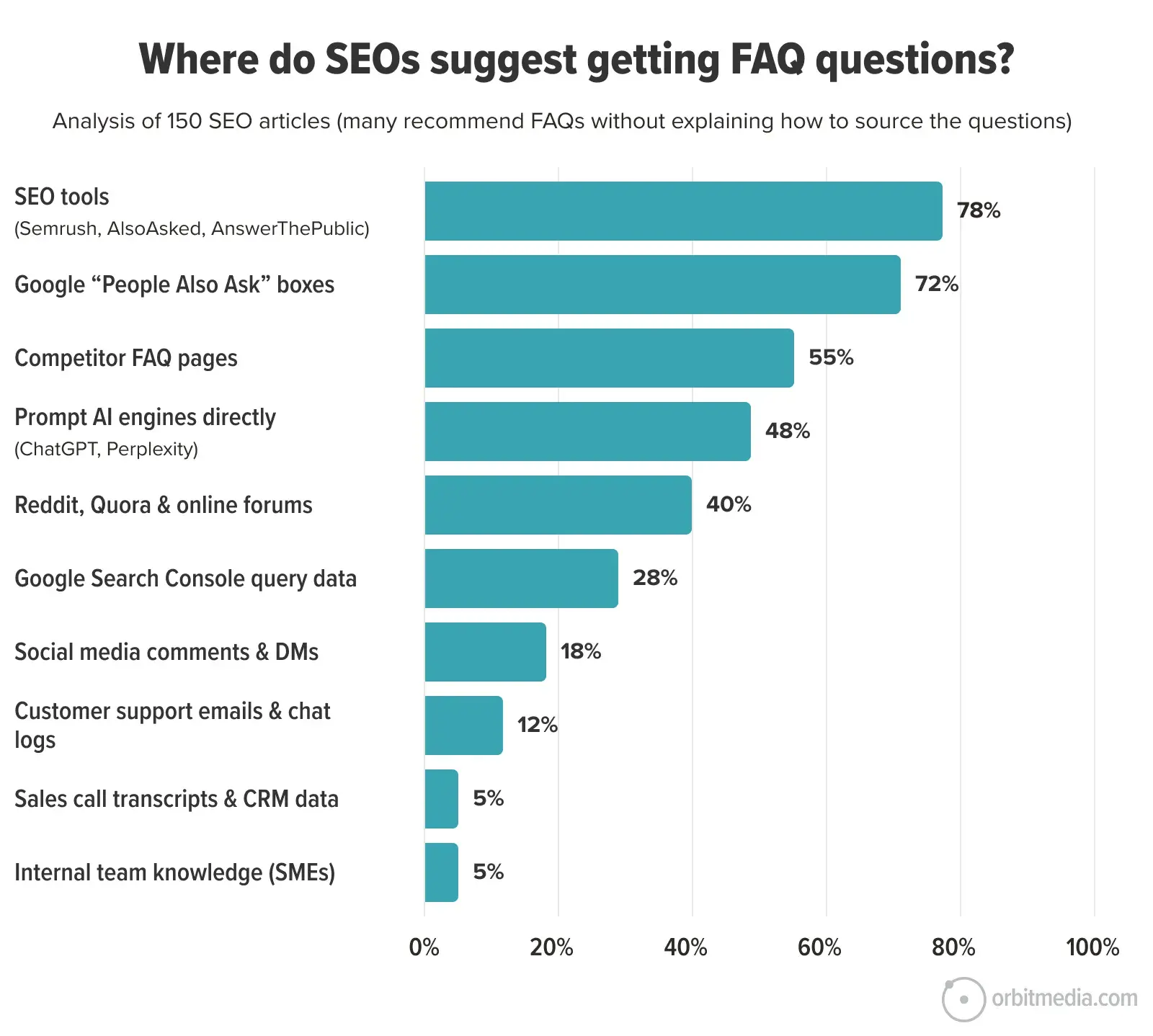
The Problem: Many SEO professionals, when advised to implement FAQs, resort to generating questions based on generic SEO tools, competitor analysis, or basic prompt engineering. This approach often leads to a collection of questions that, while grammatically sound, fail to capture the nuanced inquiries of their specific target audience. The resulting FAQs become a checklist item rather than a genuine reflection of customer needs, diluting their effectiveness. The data from the article’s analysis supports this, showing SEO tools as the dominant source for FAQ questions (78%), with internal teams contributing a mere 4%. This indicates a disconnect between the information being gathered and the actual voice of the customer.

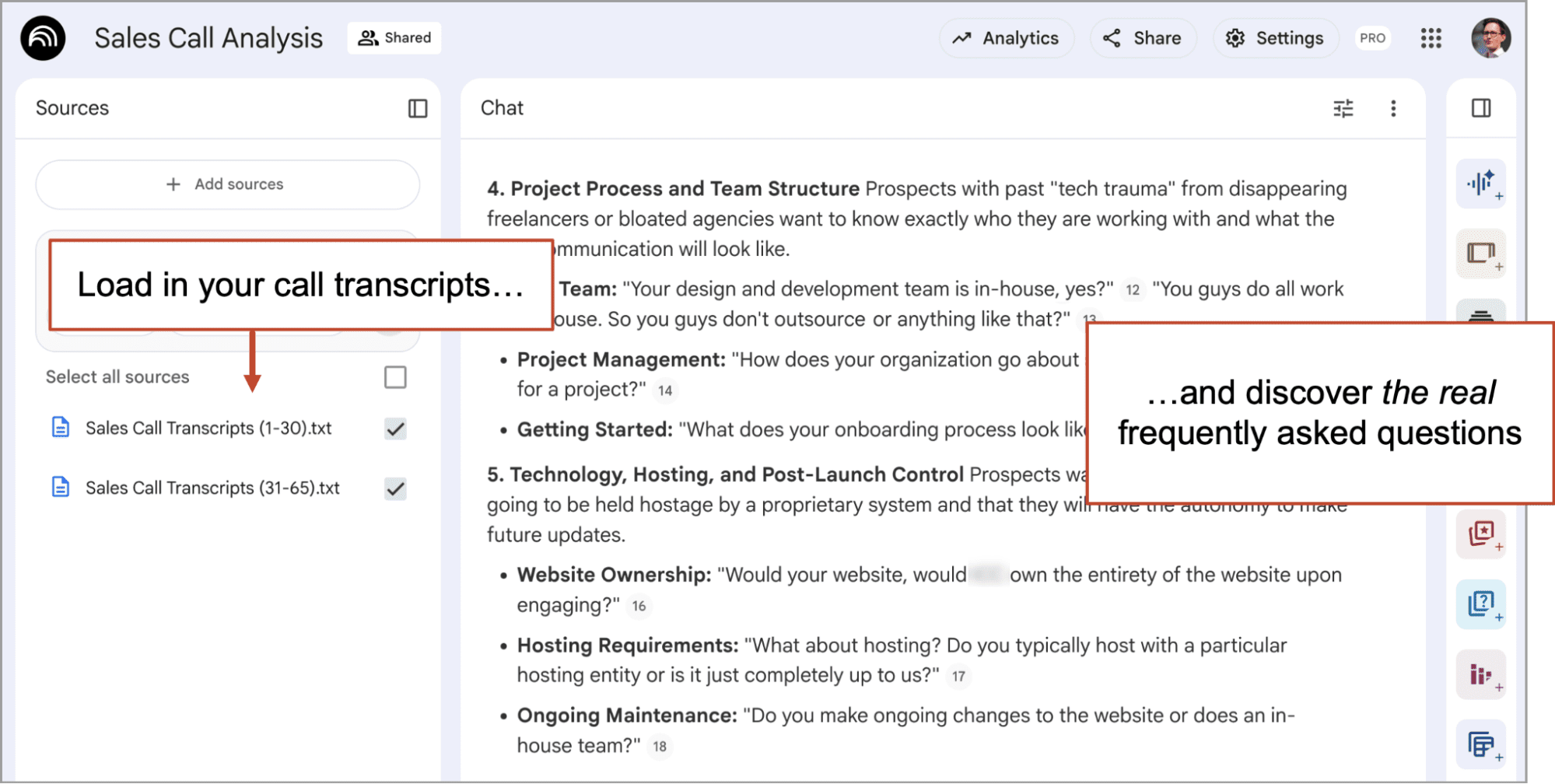
The Solution: The most effective method for identifying truly frequently asked questions lies within a company’s own proprietary data. Sales call transcripts, particularly in the post-pandemic era of virtual meetings, represent a goldmine of authentic customer inquiries. AI notetakers are increasingly prevalent in these meetings, generating rich textual data that can be analyzed to uncover the precise language, pain points, and questions of potential customers.
By feeding these transcripts into AI tools like NotebookLM, which are designed to stay close to the source material and minimize hallucination, businesses can extract genuine customer queries. This approach transforms FAQs from a generic tactic into a strategic tool for understanding and addressing customer needs directly. Prompts such as "Identify the top 10 most frequently asked questions by prospects based on these call transcripts" or "What are the common pain points mentioned in these sales conversations?" can unlock invaluable insights. This data-driven approach ensures that FAQs are not only optimized for AI but are also genuinely helpful to human visitors, aligning with the core purpose of content creation.
Schema Markup: From Technicality to Content Planning
Schema markup, a vocabulary of tags that can be added to web pages to help search engines understand their content, is another cornerstone of AI search optimization advice. The rationale is that by clearly labeling content elements, search engines and AI crawlers can more easily extract and interpret information.
The Problem: The common recommendation is to implement schema markup as a technical overlay, often as a post-creation task handled by technical SEO specialists. This approach prioritizes the implementation of tags over the quality and completeness of the underlying content. Pages may pass schema validation tests but remain thin, incomplete, or fail to provide the depth of information that AI models seek. This "retrofit" mentality overlooks the potential of schema to guide content strategy.
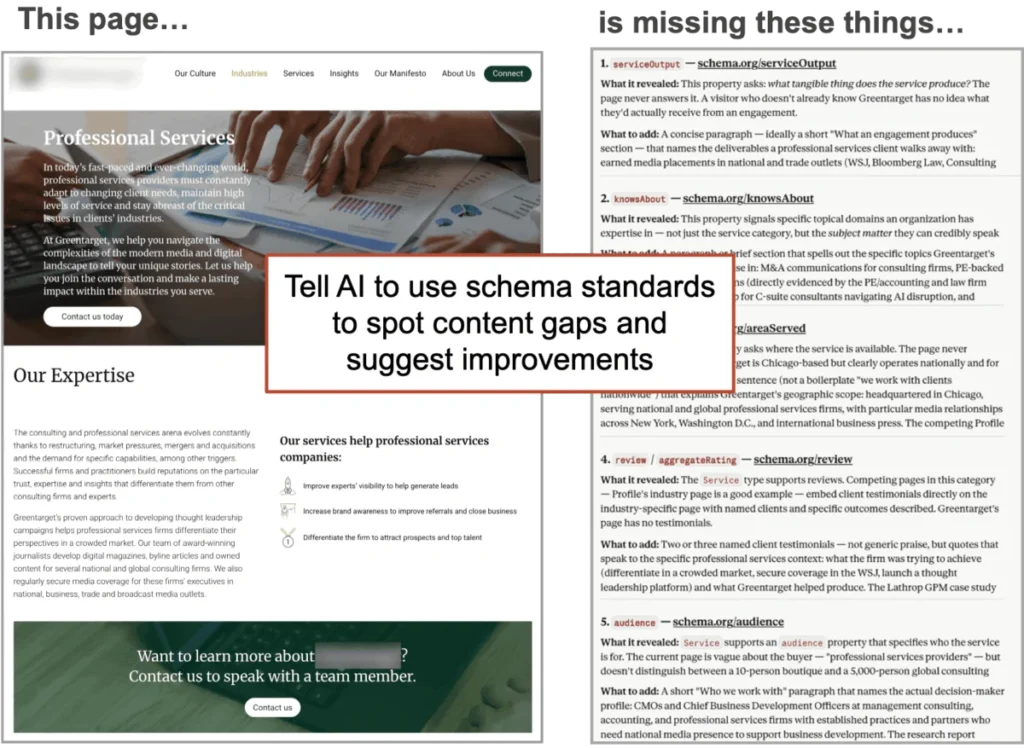
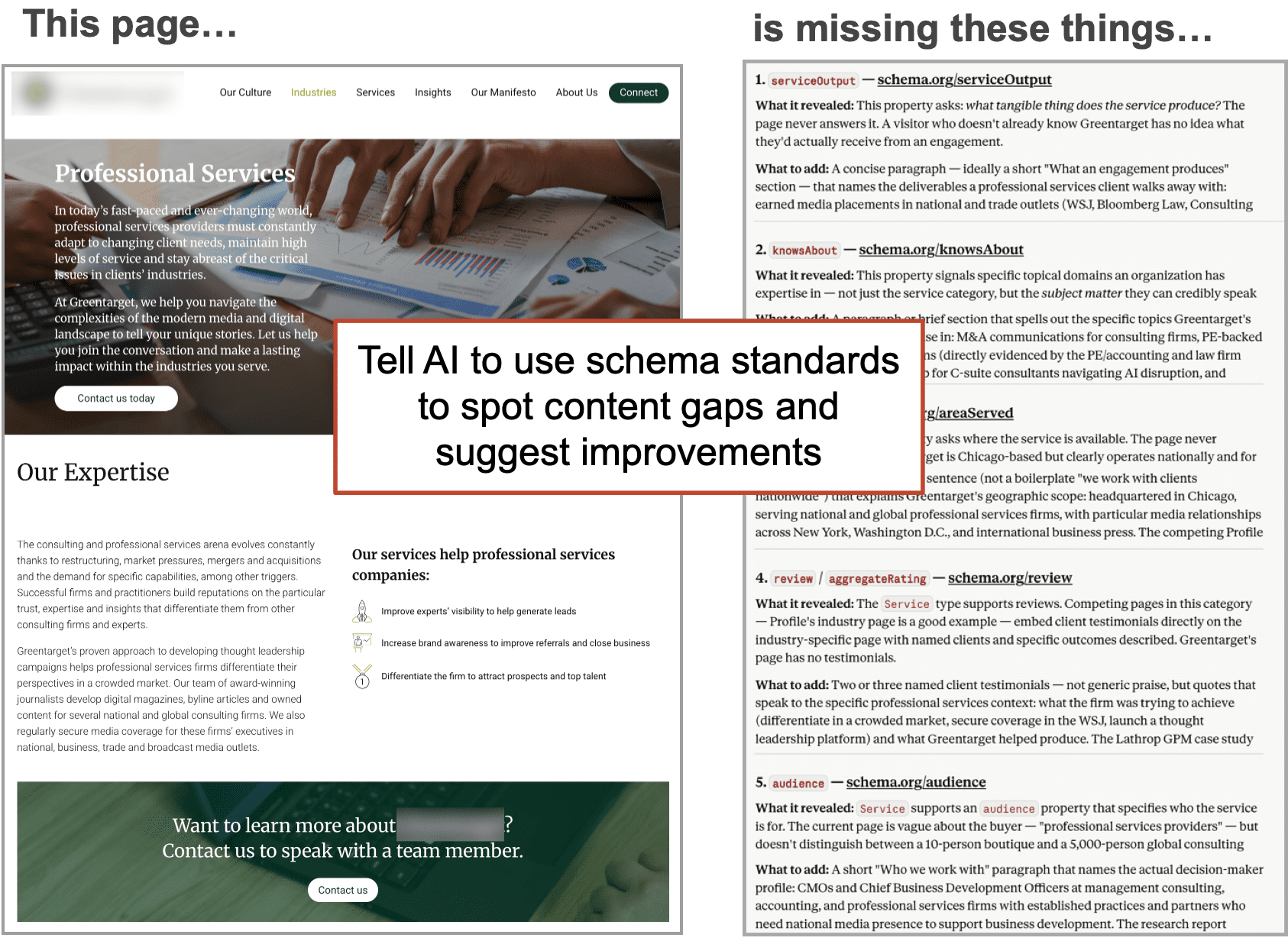
The Solution: A more effective strategy involves leveraging schema markup during the content planning and creation process. Schema standards, such as those found on schema.org, offer a structured framework that can reveal content gaps. For example, the "ProfessionalService" schema includes properties like "serviceType," "areaServed," "hasCredential," and "knowsAbout." If a page lacks information related to these properties, it signifies a potential content deficiency.
By using AI to analyze a page through the lens of schema properties, marketers can identify specific areas for improvement. A prompt like the "Schema-First Content Enhancer" provided in the original analysis can guide an AI to identify content gaps by examining relevant schema types and their properties. This process moves beyond simply marking up existing content to actively enhancing it based on a comprehensive understanding of what constitutes a complete and informative resource, benefiting both human users and AI crawlers. This proactive approach ensures that content is not only technically optimized but also rich, relevant, and aligned with user intent.
Off-Site Citations: Targeting Prompts, Not Just Platforms
The importance of off-site citations for AI search visibility is widely acknowledged. Since AI models train on vast datasets from across the internet, mentions and links from reputable external sources can significantly influence their responses. Platforms like Reddit, YouTube, and Wikipedia are frequently cited as crucial for this strategy.
The Problem: The conventional advice often directs SEOs to simply establish a presence on these popular platforms without a clear understanding of why they are important for a specific brand or industry. While Reddit may be a frequently cited source in general AI responses, its relevance to a particular niche or buyer persona’s search queries can vary dramatically. A one-size-fits-all approach to off-site citations can lead to wasted effort on platforms that do not significantly impact AI’s perception of a brand within its specific domain.
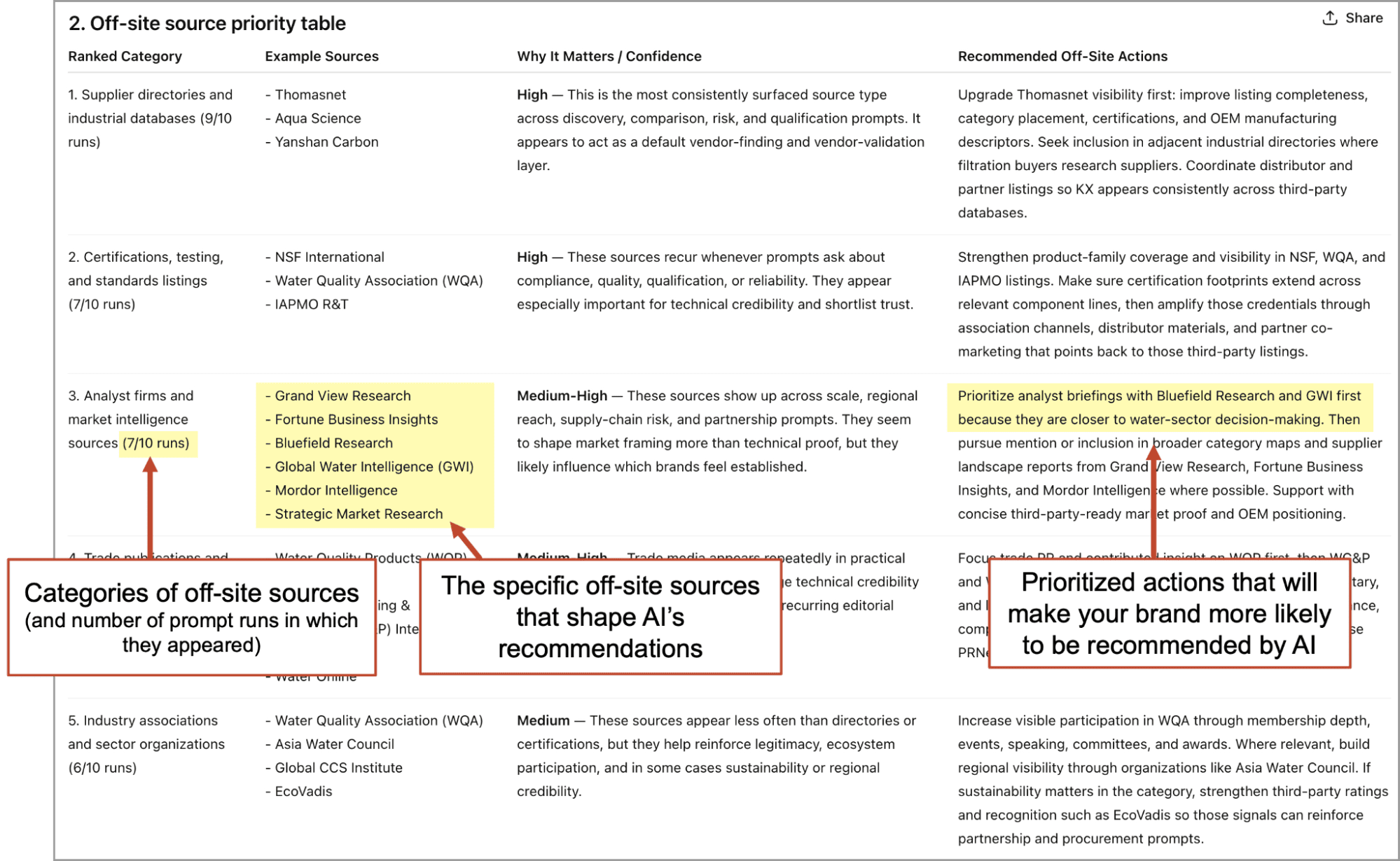
The Solution: The key to effective off-site AI optimization lies in understanding buyer prompts and the specific sources that AI models reference for those prompts. This requires a shift in focus from popular platforms to prompt-specific relevance. By employing a multi-step, multi-prompt methodology, businesses can identify the precise sources that matter to their target audience’s AI-driven searches.

This process involves analyzing how AI models respond to queries relevant to the brand’s offerings and then identifying the specific sources cited in those responses. For B2B brands, for instance, industry-specific review sites like G2 or Gartner reports might hold more sway than general social media platforms. The methodology, as outlined in advanced SEO resources, guides users to prompt AI with specific buyer scenarios and then analyze the resulting citations. This targeted approach ensures that efforts are concentrated on platforms and sources that directly influence AI recommendations for the brand’s specific category and buyer personas, leading to more efficient and impactful off-site visibility.
The Broader Implications: From Best Practices to Strategic Innovation
The analysis of SEO articles reveals a stark contrast between the commonly prescribed "best practices" and more effective, strategic approaches. While the former often leads to generic implementations, the latter emphasizes understanding user intent, leveraging proprietary data, and proactively shaping content based on AI’s underlying mechanisms.
The SEO community’s struggle to agree on a unified term for this evolving field – with terms like GEO, AEO, AI SEO, and LLMO vying for dominance – highlights the nascent nature of AI search optimization. This lack of consensus, while potentially frustrating for keyword researchers, underscores the need for a flexible and adaptive approach rather than rigid adherence to established terminologies.
As the digital marketing landscape continues to evolve with AI, the focus must shift from simply ticking boxes on a checklist to cultivating a deeper understanding of how AI interacts with content. This involves:
- Prioritizing First-Party Data: Utilizing internal data sources like sales transcripts to understand authentic customer questions and concerns.
- Leveraging AI as a Strategic Tool: Employing AI not just for content generation but for in-depth audience research and content gap analysis, informed by structured data like schema.
- Targeting Off-Site Efforts: Focusing on the specific platforms and sources that are most influential for a brand’s target audience within their niche, based on prompt analysis.
- Embracing Experimentation and Sharing: Encouraging the development and dissemination of novel strategies, recognizing that the field is still in its early stages and collective learning is crucial.
The insights gleaned from this extensive review suggest that true AI search optimization lies not in following a standardized playbook, but in developing creative, data-informed strategies that resonate with both human users and intelligent algorithms. The future of SEO in the age of AI will belong to those who move beyond the checklist and embrace a more holistic, empathetic, and innovative approach to digital visibility.