
For more than a decade, the anatomy of social media marketing operated on a predictable, linear equation: accumulate a vast follower base, amplify reach, drive engagement, convert sales, and secure larger marketing budgets to repeat the cycle. This playbook, which prioritized the sheer scale of an audience above all else, has officially reached obsolescence. In its place, a new operational paradigm has emerged—one driven entirely by algorithmic recommendation engines, search optimization, and radical content relevance.
Modern social media platforms no longer operate primarily as chronological broadcast channels directed at an existing community. Instead, they function as dynamic discovery engines where the vast majority of content consumption occurs among non-followers. This fundamental architectural shift has redefined how brands, creators, and corporate employees must approach digital visibility, altering everything from influencer partnerships to the foundational mechanics of search engine optimization.
The Shifting Mechanics of Algorithmic Reach
The transition from follower-centric feeds to algorithmic recommendation feeds, exemplified by TikTok’s For You page and Instagram’s Reels tab, represents the most significant structural change in social media since the introduction of the smartphone. Data compiled by industry analysts and platform insights reveals that algorithmic feeds routinely deliver over 70% of a post’s total views to users who do not follow the publishing account.
This transformation has fundamentally altered consumer behavior. Contemporary audience data indicates that only a minor fraction—roughly 17%—of social media users check an account’s follower count before deciding to follow or trust the creator themselves. Consequently, raw audience size has largely ceased to function as a reliable trust signal. In a recommendation-driven ecosystem, relevance, content quality, and immediate engagement metrics serve as the primary predictors of performance.
For brand strategists, this reality invalidates traditional Key Performance Indicators (KPIs). When selecting creative partners or evaluating campaign potential, prioritizing follower counts is no longer an effective strategy. Instead, performance metrics must focus on topic resonance and community engagement rates, effectively dismantling the era of the vanity metric.
The Rise of Niche Creators and Micro-Influencers
As algorithms favor relevance over raw reach, the influencer marketing landscape has undergone a parallel democratization. Niche creators and micro-influencers, despite commanding smaller audiences, consistently deliver superior engagement rates and higher consumer purchase intent compared to their mega-influencer counterparts.
Recent consumer surveys underscore this shift, demonstrating that modern buyers are statistically more likely to make a purchase based on a recommendation from a niche creator than from a mega-influencer, with roughly 21% of consumers preferring niche voices over 15% for macro-scale personalities. This disparity highlights the enduring power of community trust. Smaller-scale influencers typically cultivate hyper-engaged audiences that pay closer attention to recommendations, resulting in more authentic, relatable content.
Furthermore, consumer expectations regarding product promotion have evolved. A clear majority of contemporary shoppers—approximately 80%—believe that influencers should genuinely use the products they promote, with nearly half preferring that creators be long-term, authentic users before endorsing a brand. Micro-influencers are inherently better positioned to meet this standard, as their specialized content tracks closely with their personal interests and community needs, avoiding the impersonal megaphone effect often associated with mega-influencer campaigns.
Frontline Employees as Brand Advocates

While external creators continue to play a vital role, the quest for authenticity has unlocked an entirely new tier of brand storytelling: internal employee advocacy. Rather than relying on polished, top-down messaging from corporate marketing departments or C-suite executives, audiences increasingly gravitate toward frontline workers who document their everyday experiences within organizations.
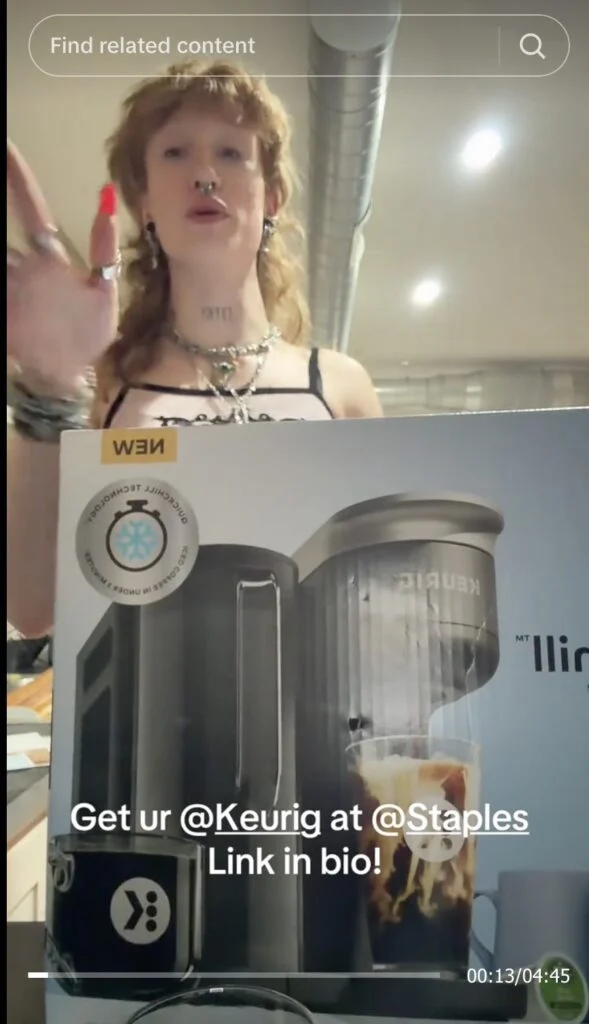
This phenomenon gained widespread mainstream attention through viral digital personalities, such as retail workers sharing behind-the-scenes realities of corporate supply chains and everyday store operations. Industry research indicates that employee-generated content now drives product discovery at least monthly for roughly 40% of consumers—a figure that surges past 60% among Generation Z demographics.
Recognizing the immense value of this organic trust, forward-thinking enterprises are beginning to formalize employee advocacy programs. Major retail and service brands, including Gap Inc. and Starbucks, have introduced structured frameworks that provide employees with clear creative guidelines while offering fair compensation for digital content creation that extends beyond standard job descriptions. This formalized approach allows frontline workers—such as baristas and stockroom associates—to maintain their authentic voices while operating within corporate safety parameters.
The Convergence of Social Media SEO and Discoverability
Beyond algorithmic recommendations on native platforms, social media content has increasingly assumed the function of a primary search engine. Demographic data highlights that social platforms represent the second most commonly utilized search method across all age groups, trailing traditional search engines while frequently surpassing AI chat tools and peer recommendations, particularly among younger cohorts.
This development has forced digital marketers to adopt specialized Social Media Search Optimization (SOSEO) strategies. Unlike traditional web optimization, which primarily relies on text crawlers reading static web pages, social algorithms parse a complex array of inputs. Platforms ingest spoken audio, on-screen text overlays, closed captions, and engagement signals to categorize video themes and distribute content to relevant users. Consequently, content engineered without targeted keyword alignment in audio and text experiences diminished reach, regardless of its creative quality.
The Implications of Search Engine and Answer Engine Integration
The boundaries of social discoverability have expanded well beyond the walled gardens of individual applications. Major search engines have integrated dedicated video tabs that pull directly from short-form social video repositories, while Answer Engines—including platforms powered by OpenAI, Anthropic, and Google—regularly index public social discussions and forum content to formulate direct user responses.
This integration has fundamentally altered the lifecycle of digital content. Historically, social media posts suffered from a rapid decay rate, losing relevance within 24 to 48 hours of publication. Today, the convergence of SOSEO and Answer Engine Optimization (AEO) extends the shelf life of social assets significantly. Content that is properly optimized can experience multiple waves of discovery and distribution over extended periods as it gets repeatedly indexed and resurfaced across the broader internet ecosystem.
Strategic Implications for the Post-Follower Era
The systemic shift toward algorithmic feeds, micro-influencers, employee advocates, and social search signals signals the definitive close of the follower-accumulation era. Brands that continue to optimize primarily for audience size risk investing in outdated metrics that no longer correlate with business growth.
Winning organizations in the post-follower landscape are those that systematically design their digital ecosystems for discoverability at every level. This requires a comprehensive approach: identifying and partnering with relevant niche creators, empowering frontline employees to share authentic brand narratives, and rigorously optimizing all video and text assets for multi-platform search visibility. By aligning content strategies with the realities of algorithmic recommendation and search indexing, modern enterprises can secure sustainable, compounding reach that transcends traditional audience boundaries.