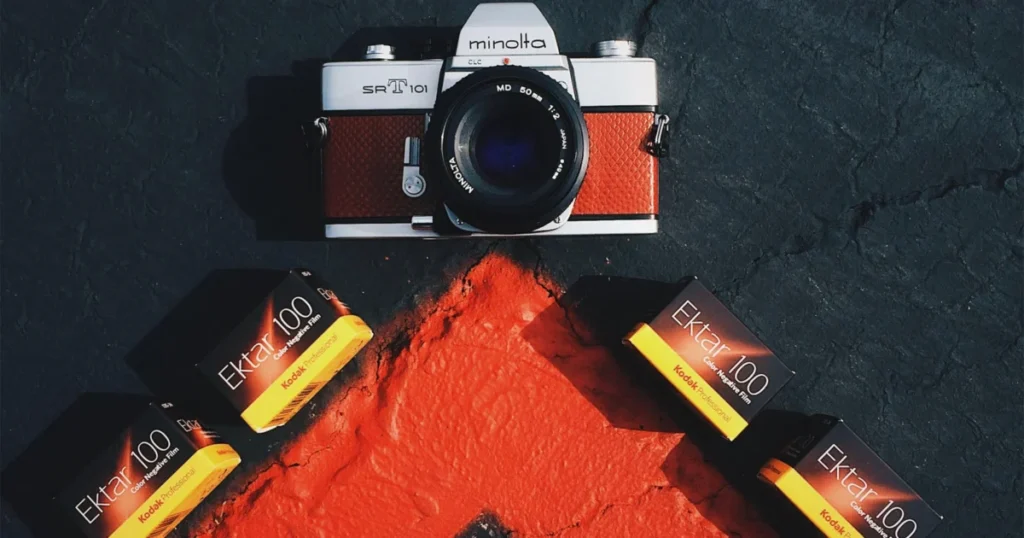

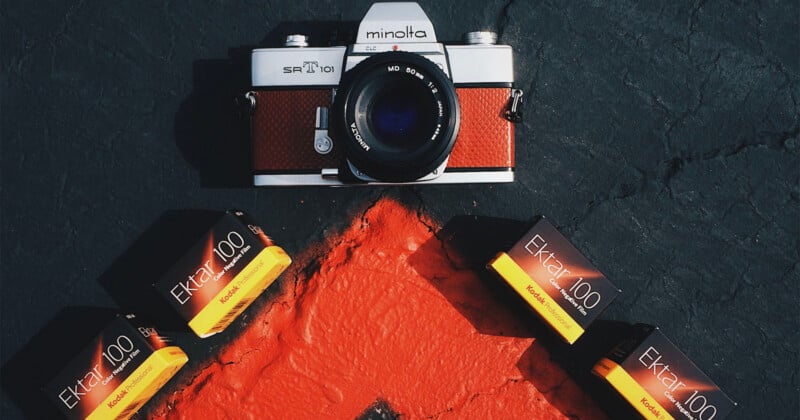
The resurgence of analog photography has transformed from a niche hobby into a sustained cultural movement, and at the center of this revival stands Kodak Ektar 100. Long celebrated for its distinctive ability to render high-contrast, ultra-saturated images with a grain structure so fine it rivals digital sensors, Ektar 100 has solidified its position as a primary choice for professional and enthusiast photographers alike. As the industry faces shifting supply chains and the discontinuation of legacy stocks, this specific emulsion remains a benchmark for color fidelity in the medium format and 35mm film market.
Historical Context: From Optical Engineering to Chemical Emulsion
The Ektar brand holds a storied position in the history of Eastman Kodak, predating the film stocks that bear the name today. In the 1930s, the "Ektar" moniker was not a designation for film, but rather a badge of excellence for the company’s most advanced professional-grade lenses. The name, a portmanteau of "Eastman Kodak" and "Tessar" (the optical design formula), signified the pinnacle of mid-century optical technology. These lenses were standard equipment on everything from professional large-format field cameras to the iconic Retina folding cameras.
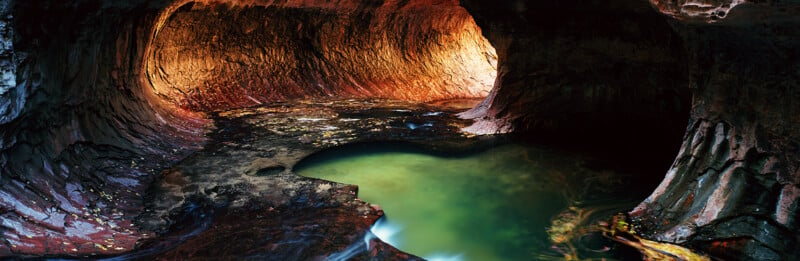
It was not until 1989 that the Ektar name transitioned from the glass elements to the film canisters themselves. The original 1989 Ektar line—notably including the high-speed Ektar 1000 and the ultra-fine grain Ektar 25—introduced the concept of "T-Grain" technology to the consumer market. These films were groundbreaking for their sharpness but were eventually phased out by 1997 as the industry pivoted toward the standardized Ektar-less color negative lineups.

The 2008 Reintroduction and Market Positioning
In September 2008, Eastman Kodak made a strategic decision to re-introduce the Ektar brand to the global market with the launch of Ektar 100. This was a critical juncture for the company, as it sought to provide a high-resolution, professional-grade alternative for photographers mourning the decline of slide films like Kodachrome.

By positioning Ektar 100 as a color-negative film with the saturation characteristics typically associated with reversal (slide) film, Kodak successfully carved out a unique segment of the market. Its introduction was timely, coinciding with a broader industry decline in slide film availability, such as the gradual phasing out of Fujifilm’s legendary Velvia 50. Data from photographic retailers indicates that Ektar 100 quickly became a "crossover" film, appealing to landscape photographers who demanded high resolution and deep, vibrant color, as well as studio photographers looking for the cleanest possible scans.

Technical Specifications and Performance Metrics
The defining characteristic of Ektar 100 is its exceptionally fine grain, which is attributed to its advanced silver halide emulsion technology. In practical application, this fine grain allows for massive enlargement potential. When using large-format (4×5 or 8×10) or even 120 medium-format negatives, the film produces images with such high resolution that the grain is often invisible even under heavy magnification.

However, the film’s unique chemical makeup carries specific technical requirements, particularly regarding long-exposure photography. Like many low-speed color films, Ektar 100 is subject to reciprocity failure—a phenomenon where the film becomes less sensitive to light during long exposures, leading to underexposure and potential color shifts. According to Kodak’s official technical data sheets, users can rely on standard metering for exposures up to one second. Beyond this threshold, however, compensation is necessary. For exposures reaching 30 seconds, the manufacturer recommends an additional stop of light, effectively doubling the exposure time to account for the loss of sensitivity.

Strategic Implications for Modern Photography
The current market landscape for slow-speed color film is notably thin. With limited alternatives, Ektar 100 has become a critical tool for practitioners of long-exposure photography, including pinhole enthusiasts and those utilizing neutral density (ND) filters to manipulate motion in landscapes.

While the film is highly regarded for its color saturation, it does present challenges for portraiture. Because of its propensity for vibrant, high-contrast renditions, the film can occasionally push skin tones toward a ruddy or oversaturated appearance. Professional lab technicians note that this is not a defect, but rather a characteristic of the film’s aggressive color profile. Consequently, photographers often choose to use Ektar 100 for environmental portraiture, where the saturation of the background elements is a desired aesthetic choice rather than a hindrance.

Market Trends and Future Outlook
The availability of Ektar 100 in various formats—from 35mm to 8×10 sheet film—has allowed it to remain a staple in both commercial and fine art photography. Despite the rising cost of raw materials and the logistical complexities of global film distribution, the demand for Ektar remains robust. Industry analysts point to the "analog revival" as a key factor; as digital cameras offer increasingly clinical and "perfect" images, photographers are returning to the specific, warm, and highly saturated look that only a chemical emulsion like Ektar can provide.

Furthermore, the shift toward "hybrid workflows"—where photographers shoot film and then scan the negatives into digital files—has benefited Ektar significantly. Because the grain is so fine, the film scans with remarkable clarity, providing a high-resolution starting point for digital post-processing that mimics the look of a traditional darkroom print.
Conclusion
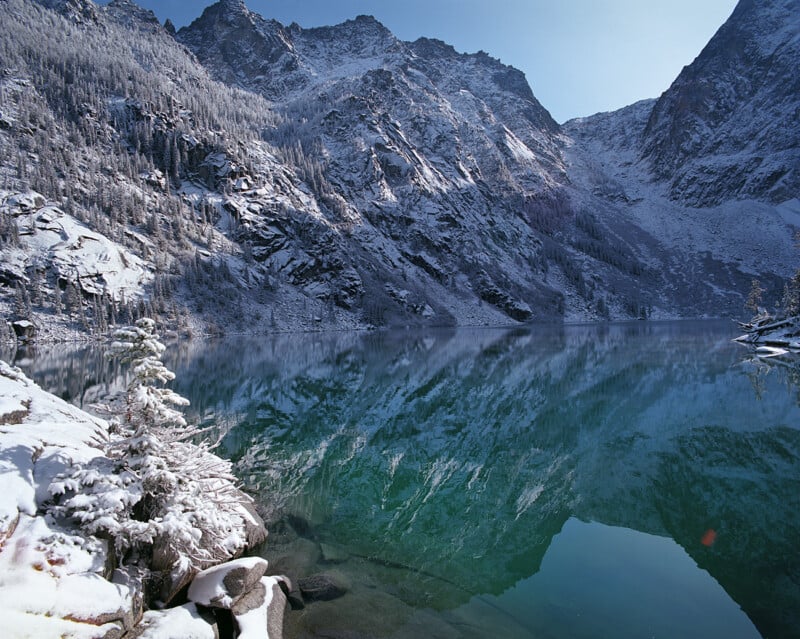
Kodak Ektar 100 serves as a bridge between the traditional high-resolution standards of the mid-20th century and the demands of the modern, digitally-integrated analog photographer. By offering a combination of fine grain, high contrast, and saturated color, it remains one of the few remaining "all-purpose" tools for those looking to push the boundaries of what film can achieve.
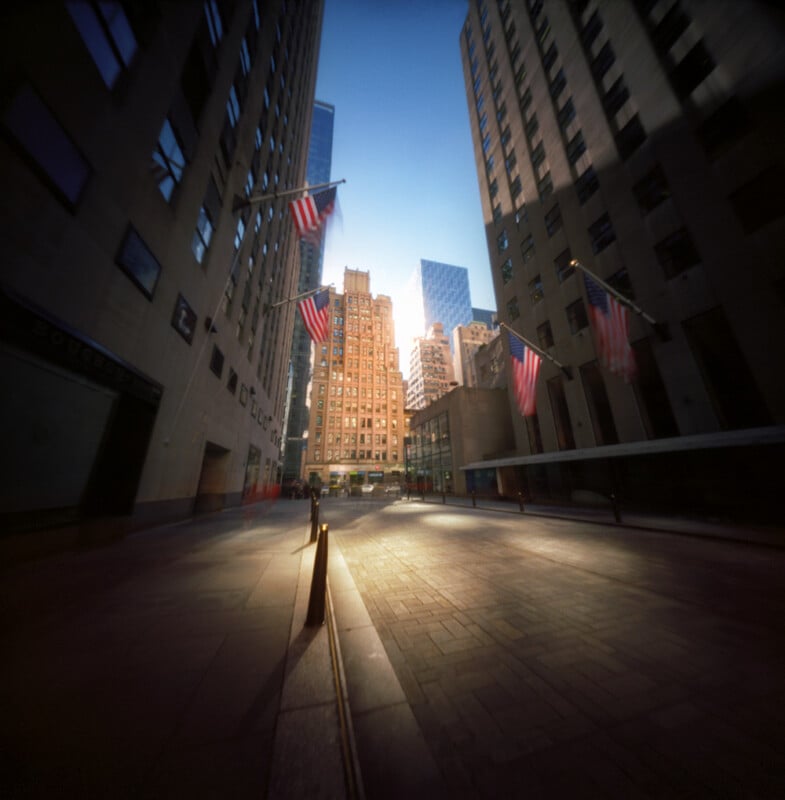
As the photography industry continues to navigate the complexities of a hybrid future, Ektar 100 stands as a testament to the enduring viability of film technology. For landscape photographers, long-exposure artists, and those looking to maximize the resolution of their medium-format equipment, the film remains an essential asset. Whether documenting autumn landscapes or experimental long-exposure architecture, the technical capabilities of this emulsion continue to justify its long-standing reputation as one of the most capable color films currently in production. Retailers and professional labs continue to report steady interest, suggesting that Ektar 100 will remain a primary fixture in the kits of photographers for years to come.