
When pitching modern digital growth strategies to executive leadership, passion and qualitative vision are rarely enough to secure budget approvals. For corporate decision-makers, strategic initiatives must be anchored in rigorous data, clear operational frameworks, and demonstrable returns on investment. As organizations navigate an increasingly saturated digital marketplace, transforming a workforce into an active network of brand ambassadors has emerged as a high-yield priority. Recent data highlights that securing C-suite buy-in for employee advocacy requires leading with hard metrics that directly address core business objectives: brand awareness, lead generation, talent acquisition, and overall revenue acceleration.
The Evolution of Employee Advocacy from Informal Initiative to Standard Strategy

Employee advocacy has undergone a significant operational shift over the past decade. What once began as informal, ad-hoc sharing of company news by enthusiastic staff members has matured into a formalized, highly sophisticated marketing and human resources discipline. Modern enterprises deploy dedicated staff, centralized technological tools, structured training programs, and meticulous governance processes to optimize how employees represent the brand on personal social media channels.
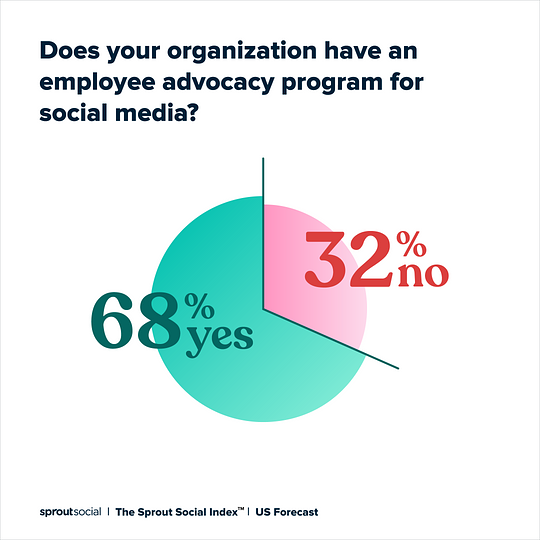
Recent industry research conducted by Sprout Social illustrates the pervasive adoption of this approach. More than two-thirds—specifically 68%—of surveyed marketing professionals report that their organizations currently operate a formalized employee advocacy program. This high adoption rate reframes advocacy from an experimental marketing tactic into an established industry standard. Organizations that fail to institutionalize employee sharing risk ceding top-of-funnel reach to competitors who have successfully mobilized their internal workforces.
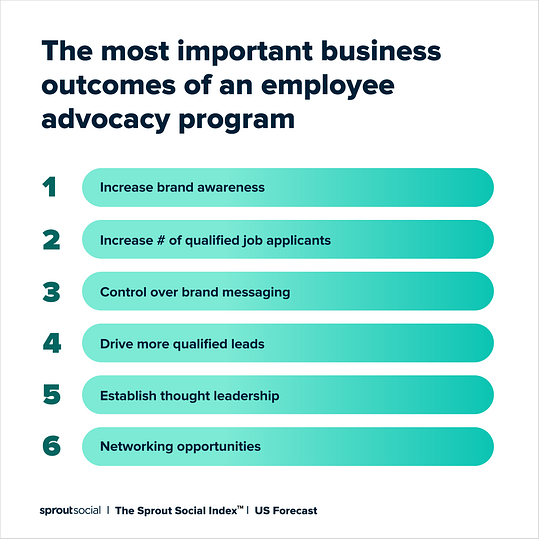
When enterprise leaders evaluate the primary business objectives of launching an advocacy program, three core outcomes consistently top the list: increasing broad brand awareness, attracting a higher volume of qualified job applicants, and exercising tighter control over overarching brand messaging. Secondary benefits frequently cited include generating qualified sales leads, establishing internal and external thought leadership, and creating valuable professional networking opportunities for staff across departments.
Overcoming the Content Supply Challenge
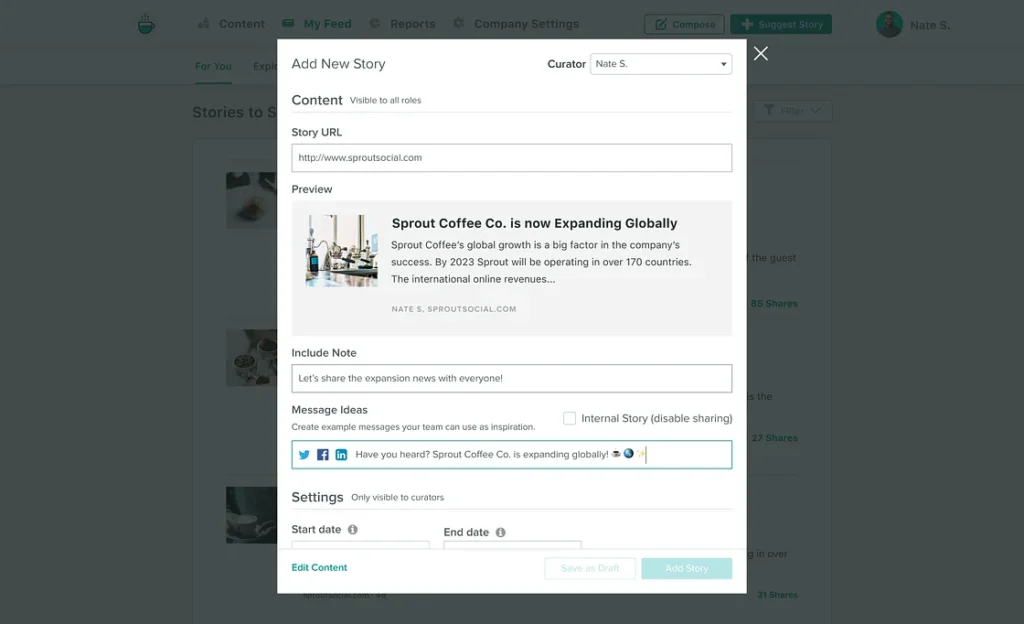
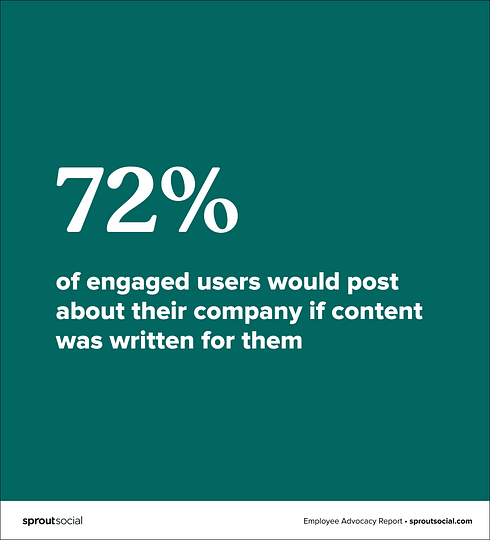
A common misconception among leadership teams is that employees are inherently reluctant to post about their employers on personal social networks. However, data from comprehensive employee advocacy reports dispels this notion, revealing that participation is largely a content-supply problem rather than an unwillingness to engage. When provided with a centralized, curated tool containing pre-approved, high-quality messaging, an impressive 85% of onboarded employees actively share company content on their personal channels. Furthermore, 72% of engaged users explicitly state they would regularly post about their company if the content were written and provided for them.
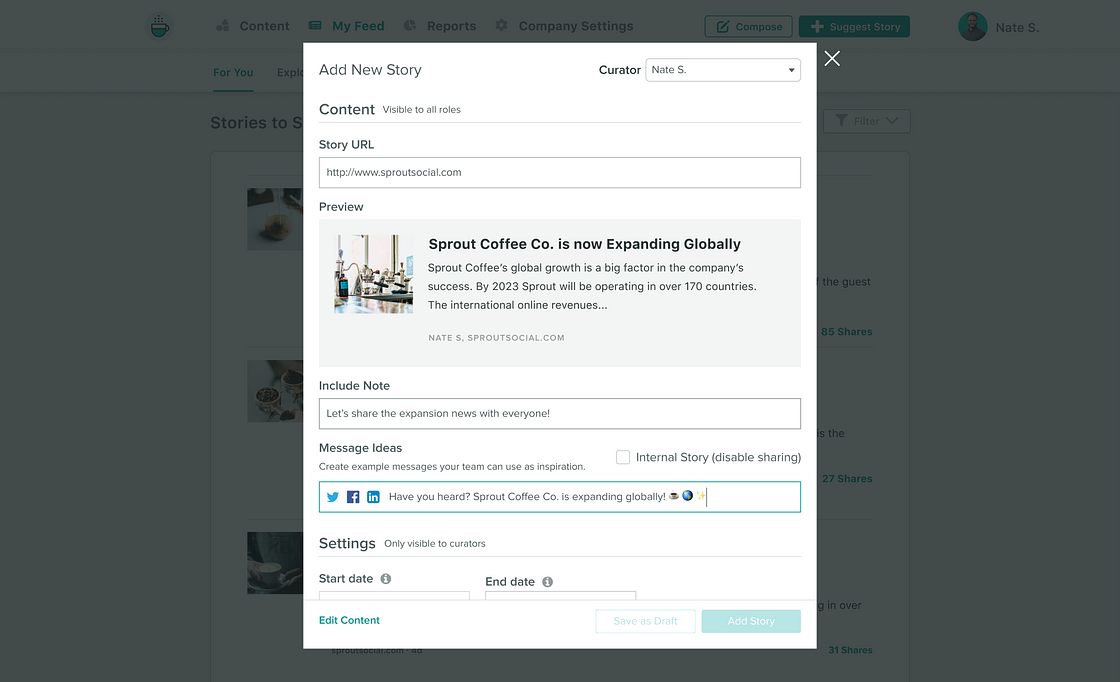
This behavioral insight provides a clear roadmap for corporate communications and marketing teams. By removing the friction of content creation—allowing employees to share polished, compliant messaging in their own authentic voices within seconds—organizations can unlock massive, scalable distribution channels without adding undue administrative burdens to individual contributors.
Humanizing the Brand: Why Employees Outperform Corporate Channels
In the modern digital landscape, traditional paid social media tactics face mounting headwinds. Consumers are increasingly desensitized to polished, corporate advertising, and organic reach for brand-owned social accounts has experienced steady declines. Consequently, audiences have shifted their trust toward peer recommendations and individual human voices.
Data from recent influencer and brand advocacy benchmarks underscores this dynamic. Approximately 40% of consumers discover new products and services through employee-generated content on a monthly basis. More critically, consumer preference heavily favors everyday personnel over executive leadership: 46% of consumers express a desire to hear from frontline staff members, whereas only 10% indicate an interest in hearing directly from C-suite executives.
This stark contrast highlights the unique authenticity that frontline workers bring to public discourse. While corporate accounts are viewed with inherent skepticism, employees possess organic credibility. Activating this workforce capitalizes on the human element that modern audiences actively reward, achieving broad distribution at virtually zero added media cost.
Amplifying Brand Reach and Impressions at Scale
The quantitative impact of employee advocacy on brand amplification is substantial and well-documented across multiple industry case studies. Traditional organic social media efforts are frequently constrained by algorithmic limitations and limited marketing budgets. In contrast, employee networks exponentially expand a company’s total addressable footprint.
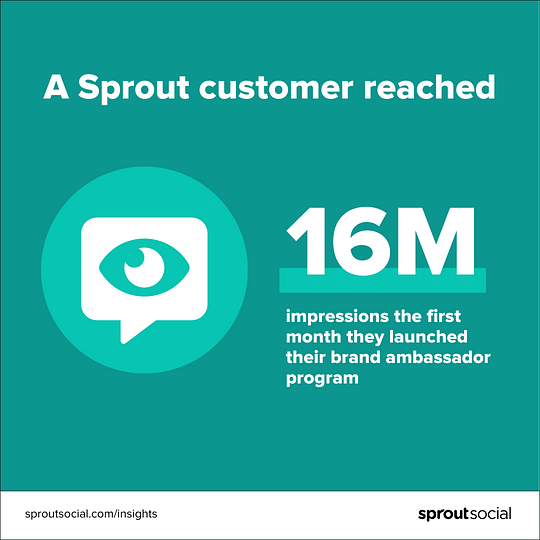
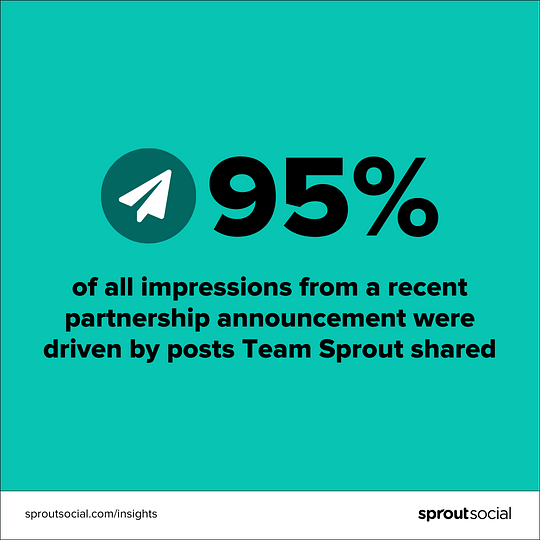
For example, enterprise software provider Ivanti established a structured brand ambassador program utilizing a dedicated advocacy platform, resulting in an immediate expansion of its total reach by 16 million impressions within the first month of launch. Similarly, Sprout Social’s internal advocacy efforts generated more than 28 million impressions through employee-shared content over a single operational year. In another notable instance, 95% of the 740,000 total impressions generated by a major global partnership announcement with Salesforce were driven entirely by organic posts shared by internal team members.
These figures demonstrate that employee networks serve as a primary amplification channel capable of driving spikes in visibility that far exceed the capabilities of standard corporate broadcasting. By treating employee networks as a core component of the media mix rather than an afterthought, organizations can significantly maximize the ROI of their best-performing content.
Accelerating Revenue and Sales Performance
While brand awareness is a critical upper-funnel metric, executive leadership ultimately evaluates strategic investments based on their direct impact on the bottom line. Employee advocacy extends far beyond visibility, serving as a powerful catalyst for lead generation and revenue growth.
By scaling top-performing content through employee networks, brands generate qualified leads without inflating paid advertising expenditures. For instance, enterprise software leader Infor successfully generated $100,000 in earned media value within a single month through its structured employee advocacy initiatives.
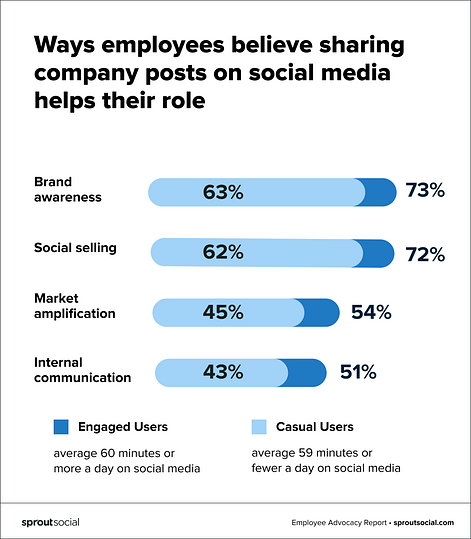
Moreover, advocacy directly empowers internal sales teams through social selling. Sprout Social data indicates that 72% of engaged users and 62% of casual users believe sharing company content directly supports their day-to-day sales and networking efforts. This positions employees as recognized industry thought leaders. According to LinkedIn’s Social Selling Index, sales professionals who actively share company and industry content are 51% more likely to consistently reach their sales quotas compared to peers who rely solely on traditional outreach methods.
When revenue teams integrate advocacy sharing metrics directly into Customer Relationship Management (CRM) pipelines, organizations can accurately quantify earned media value, track conversions, and continuously refine their content strategies to prioritize high-converting topics and representatives.
Transforming Recruitment and Employee Retention
Beyond marketing and sales, employee advocacy plays a pivotal role in human resources by optimizing both talent acquisition and workforce retention. Modern job seekers routinely conduct thorough research on social media platforms, examining how current employees speak about their workplace culture, daily experiences, and organizational values.
Authentic employee posts reach prospective candidates through trusted personal connections, penetrating talent pools that traditional corporate recruitment marketing often fails to engage. When current staff members proudly celebrate company achievements, they significantly strengthen the organization’s employer brand, driving higher volumes of qualified application submissions.
Internally, empowering employees to act as stewards of the corporate brand fosters a profound sense of ownership, loyalty, and organizational belonging. This psychological investment translates directly into improved long-term employee morale, deeper engagement, and lower attrition rates. Organizations frequently leverage internal communication tools—such as automated internal newsletters distributed through advocacy platforms—to broadcast open roles, milestones, and culture-driven stories, enabling staff to share recruitment opportunities instantly with their professional networks.
Future Outlook and Implications for Enterprise Strategy
As digital algorithms continue to evolve and consumer skepticism toward traditional advertising persists, the imperative for human-centric marketing will only intensify. The empirical evidence across multiple sectors confirms that employee advocacy is no longer a peripheral marketing experiment, but a foundational driver of sustainable enterprise growth.
Organizations that successfully formalize their advocacy programs—supported by intuitive technology, robust measurement frameworks, and continuous content curation—consistently outperform competitors in brand visibility, sales productivity, and talent acquisition. By converting an internal workforce into an authentic, trusted extension of the corporate brand, companies unlock a powerful engine of measurable reach and revenue generation that traditional paid channels simply cannot replicate.