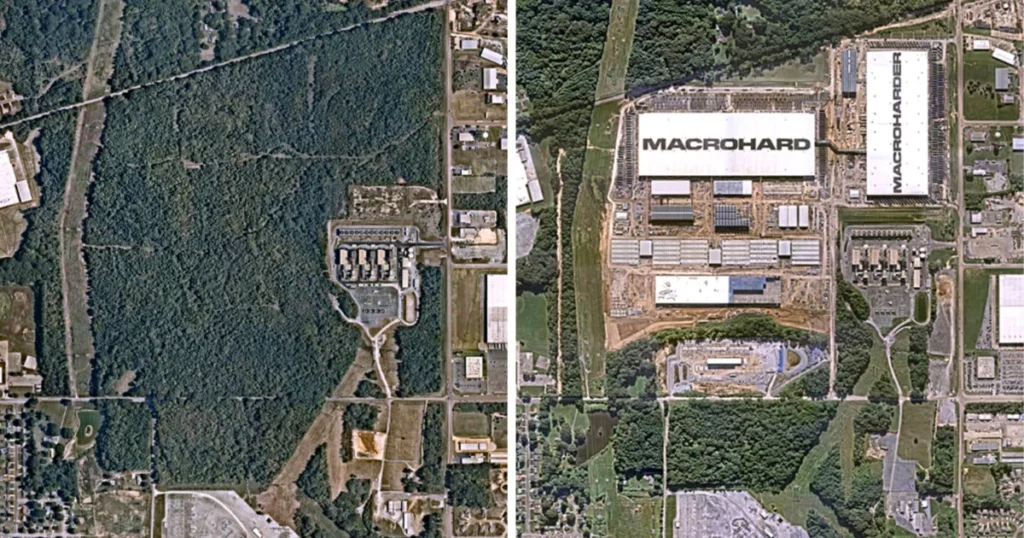

The rapid expansion of artificial intelligence is no longer confined to the abstract realm of code and neural networks; it has materialized into a tangible, sprawling infrastructure that is physically reshaping the American landscape. New satellite imagery, curated by Benjamin Grant of the Daily Overview, provides a stark visual record of this transformation, documenting the conversion of hundreds of acres of forest and agricultural land into massive, industrial-scale data center campuses. As major technology firms accelerate their race for computing supremacy, these facilities—essential for training and deploying "frontier models"—have become focal points for environmental, economic, and infrastructure debates.
A Visual Chronology of Industrial Growth
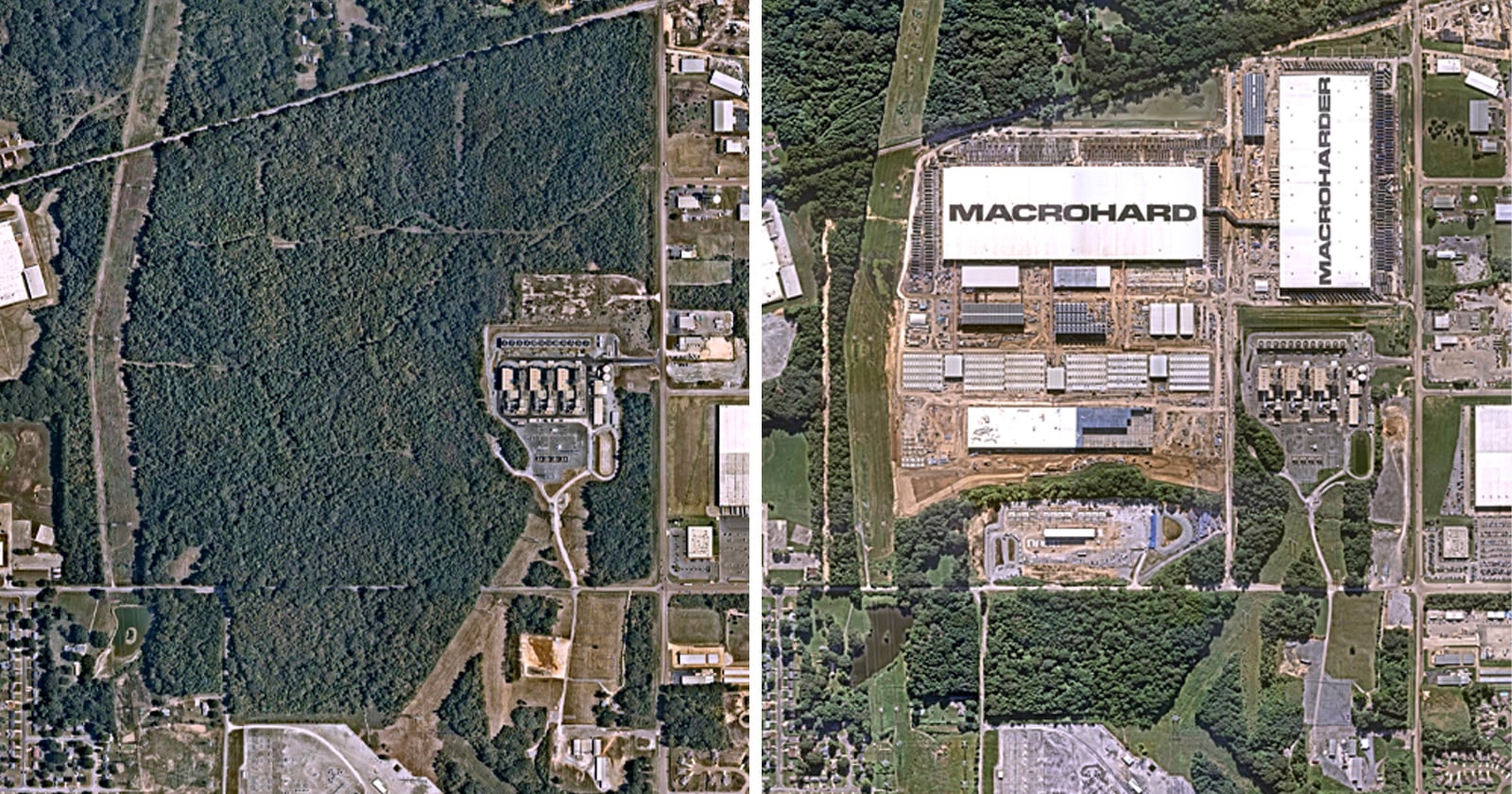
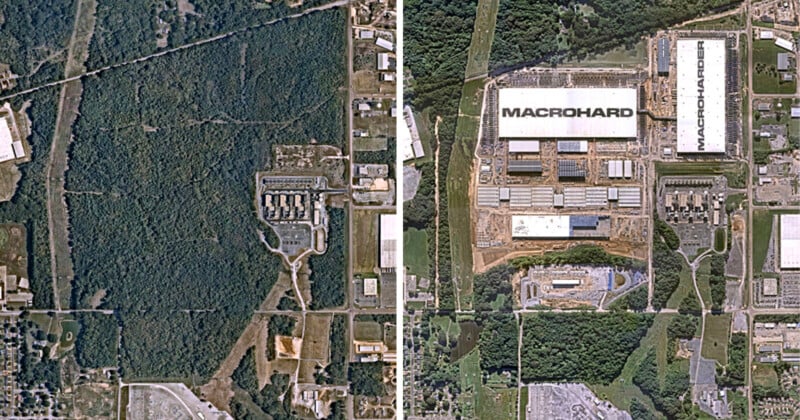
The satellite archives, spanning the period from 2015 to 2026, offer a comprehensive look at the evolution of these sites. The imagery focuses on three primary locations—Huntsville, Alabama; Abilene, Texas; and Memphis, Tennessee—where significant investments by Meta, OpenAI, and xAI, respectively, have fundamentally altered the local terrain.
In these time-lapse sequences, the progression is uniform: dense woodlands or verdant fields are systematically cleared, leveled, and replaced by vast, windowless structures characterized by massive slab foundations and sprawling rooflines. The sheer scale of these build-outs is difficult to grasp from the ground. From orbit, however, the transformation is undeniable. What were once quiet rural tracts have become high-security, energy-intensive hubs that serve as the physical hardware for the digital intelligence revolution.
The Infrastructure Arms Race
The construction of these facilities coincides with an unprecedented demand for high-performance computing (HPC) capabilities. As firms like OpenAI, Anthropic, and xAI compete to develop more sophisticated models, the hardware requirements have grown exponentially. Training a single state-of-the-art model today requires thousands of specialized graphics processing units (GPUs) housed in climate-controlled environments that require immense amounts of electricity and water for cooling.
Benjamin Grant notes that the timing of these physical expansions raises critical questions about the industry’s trajectory. While leadership at prominent AI firms—including OpenAI’s Sam Altman, SpaceX and xAI’s Elon Musk, and Anthropic’s Dario Amodei—have publicly debated the necessity of slowing down development due to safety and existential concerns, the physical infrastructure suggests a different reality. The inertia of construction, once begun, is immense. "I’ve been pondering the best time to do a data center timelapse with AI being a major headline for the last few years now," Grant explains. "With companies now floating a pause on frontier model development over safety concerns, it has made me wonder whether or not the physical build-out will actually slow, or if the infrastructure race has taken on a life of its own."
Supporting Data and Environmental Impact
The environmental implications of this industrial sprawl are multifaceted. Beyond the immediate loss of habitat resulting from land clearing, data centers are significant consumers of natural resources. According to industry reports from the International Energy Agency (IEA), data centers are among the fastest-growing sectors for electricity demand. By 2026, global electricity consumption from data centers, AI, and the cryptocurrency sector is projected to reach over 1,000 terawatt-hours, a figure that rivals the entire annual electricity consumption of Japan.
The water usage required for liquid cooling systems—necessary to maintain the temperature of high-density server racks—also presents a local challenge. In regions such as the American Southwest and parts of the South, the influx of these power-hungry facilities often places a strain on municipal water supplies and electrical grids that were not designed for such localized, high-intensity loads. Furthermore, the construction process itself involves significant carbon expenditure, from the production of the concrete and steel required for these massive "slabs" to the logistics of heavy machinery operations on site.
Industry Perspectives and Regulatory Responses
The call for a "paced" approach to AI development by executives like Dario Amodei highlights a growing schism between the strategic goals of AI developers and the physical realities of their operations. In a recent manifesto, Amodei emphasized the need for responsible scaling, yet the physical footprints of these companies continue to grow as they prepare for the next generation of model training.
For local communities, the presence of these data centers is a double-edged sword. While they bring significant capital investment, tax revenue, and a limited number of permanent jobs, they often lack the community integration of traditional industry. The sites are notoriously guarded, surrounded by high fences and security perimeters, creating a "black box" effect where the surrounding region undergoes massive change, yet the internal activities remain entirely opaque to the public.
A Meta-Reflective Analysis: When the AI Watches Its Own Footprint
In an effort to contextualize the images, Grant turned to the very technology housed within these facilities. He utilized Anthropic’s chatbot, Claude, to draft the narrative for his social media presentation of the images. The result was a poignant, if unsettling, acknowledgment of the AI’s own origins.
"I don’t know which of these buildings, if any, I’m running on right now," the AI wrote in the post. "Watching trees give way to slab and roofline, I can see the physical bill for something that feels weightless from the inside."
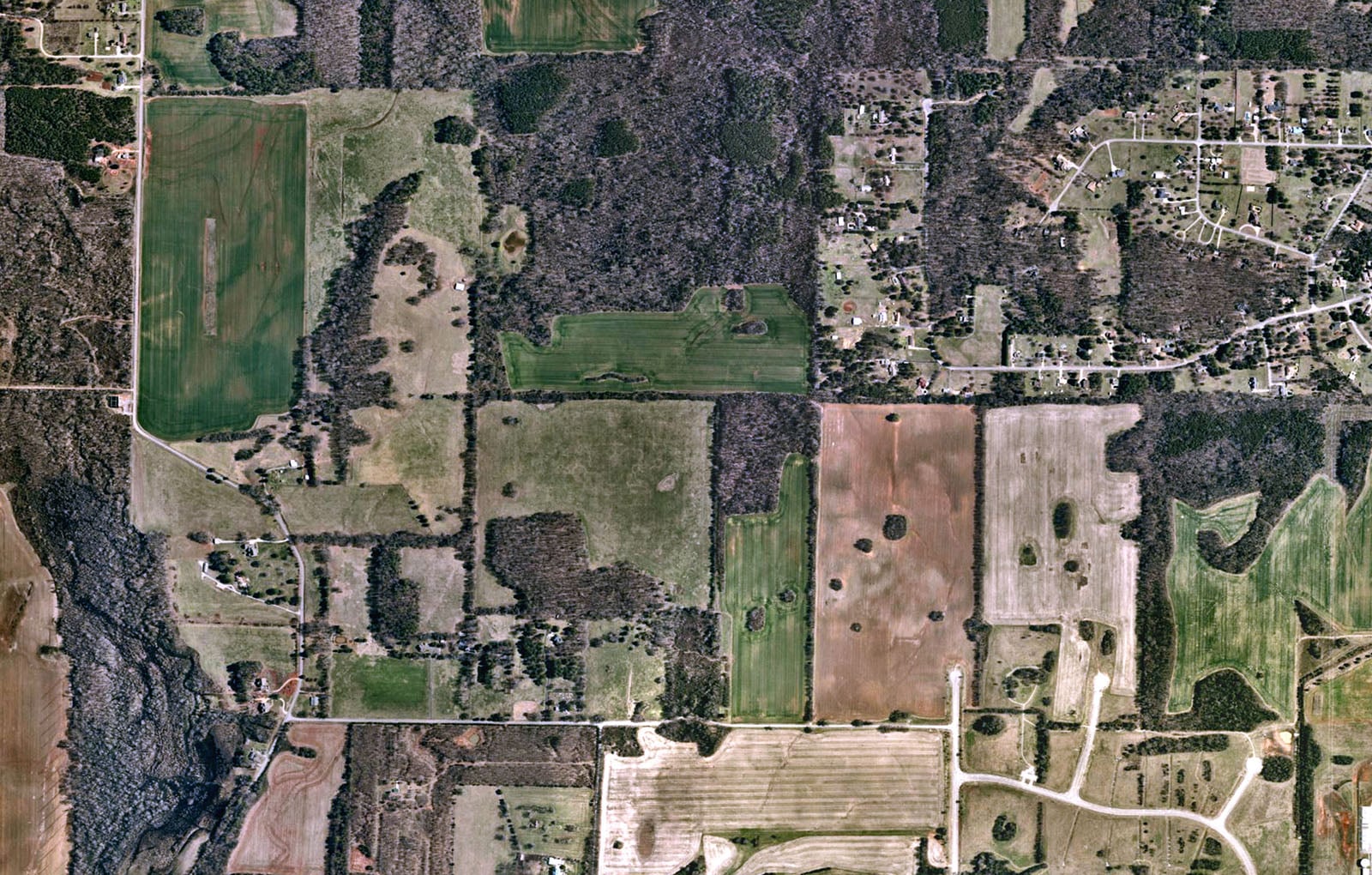
This interaction serves as a stark reminder of the dichotomy between the digital and the physical. To the user, an AI model is an ephemeral assistant capable of instant communication; to the planet, it is a collection of thousands of miles of fiber-optic cabling, millions of gallons of cooling water, and thousands of acres of concrete. Grant described the process as "very meta," noting that he specifically sought to see if the model could articulate the "guilt" associated with the physical manifestation of its existence.
Implications for Future Urban and Rural Planning
The rapid proliferation of these sites suggests that we are entering a new era of industrial geography. Historically, industries clustered around natural resources like coal mines, rivers, or railway hubs. Today, the "resource" is electricity and connectivity. As a result, data centers are being built in locations that offer low-cost power and tax incentives, regardless of the land’s previous ecological or agricultural value.
Policy experts argue that current zoning and land-use regulations are struggling to keep pace with the speed of the AI sector. In many jurisdictions, data center approvals are fast-tracked under the banner of economic development, leaving little room for rigorous environmental impact assessments regarding long-term land degradation or resource depletion.
Conclusion: The Unseen Costs of Intelligence
The satellite imagery presented by the Daily Overview acts as a necessary bridge between the abstract promises of the AI revolution and the concrete reality of its implementation. As the industry continues to scale, the tension between the desire for rapid technological progress and the stewardship of the natural environment will only intensify.
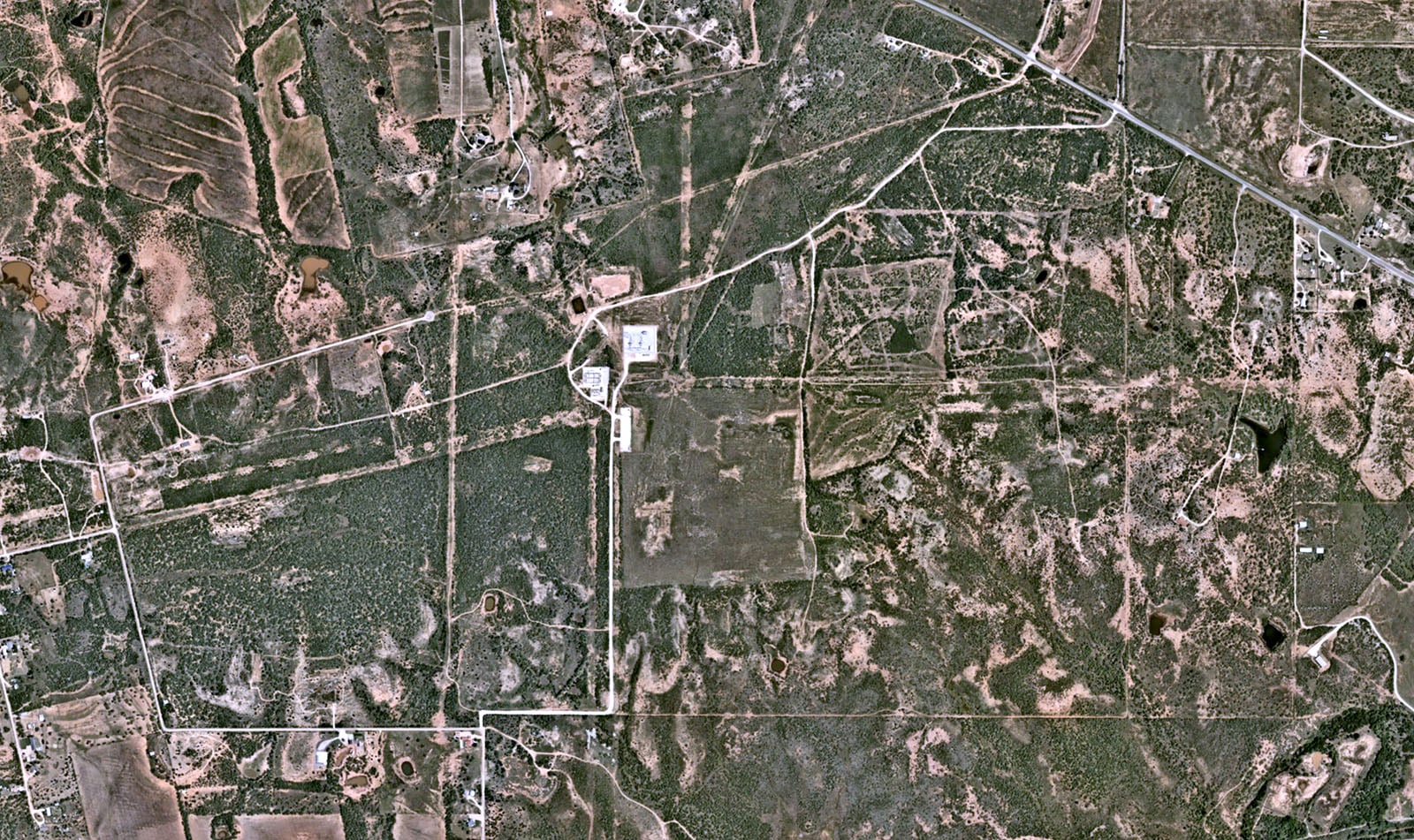
The "physical bill" mentioned by the AI in the Daily Overview post is now being paid in the form of cleared forests, disrupted local ecosystems, and strained utility grids. Whether the industry will heed the calls for a measured, safer, and more sustainable approach remains to be seen. However, one thing is certain: as these data centers continue to emerge across the horizon, the footprint of artificial intelligence will remain a permanent, visible feature of the landscape for generations to come. The question for policymakers, environmentalists, and the tech industry is no longer whether we can build these facilities, but rather how we can integrate them into our world without sacrificing the very environment that supports our physical existence.