
The intersection of physical landscapes and spiritual transcendence has long fascinated artists, philosophers, and spiritual seekers. Rooted deeply in Celtic tradition, the concept of a "thin place"—a location where the veil between the ordinary world and the spiritual realm dissolves—serves as the intellectual and creative foundation for acclaimed film, television, and fine-art photographer Lev L. Spiro. Through his evocative photographic series, including Thin Places and Elemental, Spiro explores how natural environments can transcend mere documentation and evoke profound emotional and mystical resonance. His work not only bridges the gap between traditional landscape photography and expressive art but has also catalyzed a broader educational movement, notably through his heavily waitlisted workshops with the prestigious Santa Fe Workshops.
Defining the Phenomenon: Origins and Personal Resonance
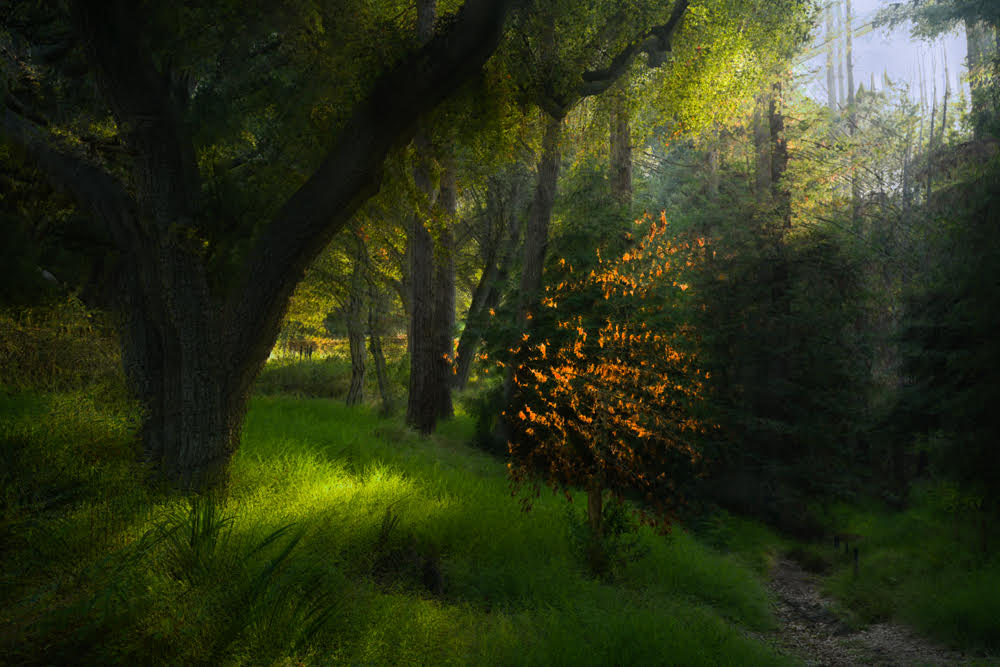
The terminology of thin places originates in ancient Celtic spirituality, describing geographical and psychological spaces where the sacred feels tangibly close. While often associated with monumental landscapes, such as ancient monolithic sites or dramatic mountain ranges, these locations can manifest in subtle, everyday environments.
For Spiro, the encounter with these spaces began long before he had the vocabulary to define them. Spending his formative summers between the ages of 11 and 13 at a wilderness camp in Vermont akin to Outward Bound, he experienced an early, immersive connection to the natural world. Stripped of urban distractions, these wilderness exposures instilled a lasting sense of awe that would later inform his photographic philosophy. Rather than seeking out pre-defined tourist destinations or grand vistas, Spiro’s artistic trajectory emphasizes a receptivity to the environment, a methodology inherited from master photographers such as Minor White and Paul Caponigro.
The Methodology of Heightened Perception

Spiro’s approach to capturing thin places relies heavily on a shift from ordinary observation to heightened perception. In his teachings, he instructs students to move past the instinct to simply describe a physical location. Instead, he encourages a deliberate slowing down of the senses, urging photographers to tune into nuances of light, movement, form, temporal shifts, color harmony, texture, and spatial relationships.
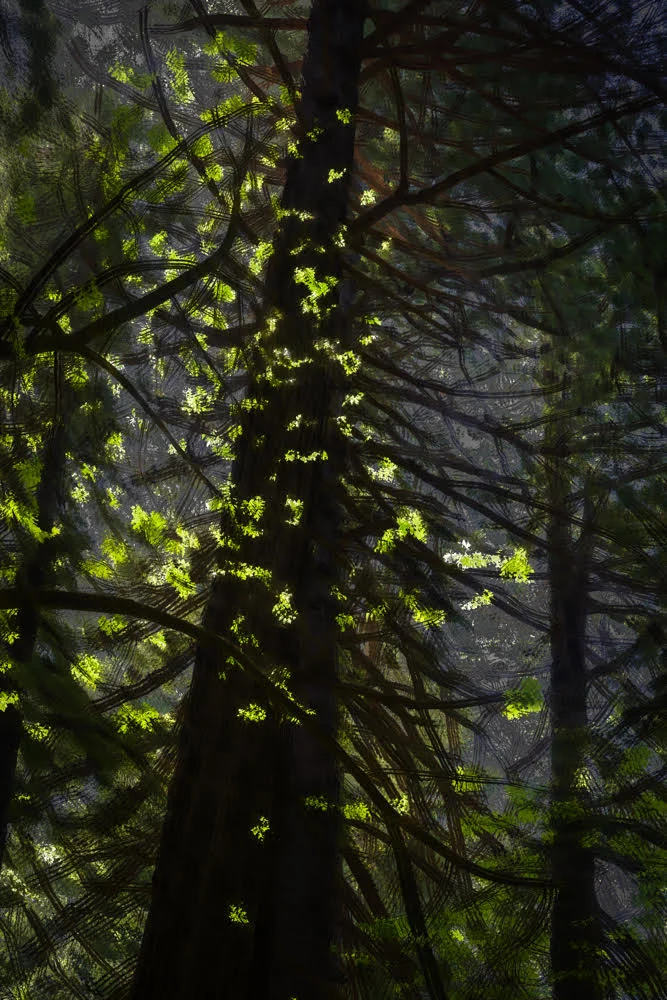
This technique requires a delicate balance between intention and serendipity. While some photographic series—such as Elemental, which utilizes long-exposure techniques to capture running water and shifting cloudscapes—require meticulous advance planning, Spiro notes that the most striking thin places are frequently happened upon. He draws on the teachings of legendary photographer Sam Abell, emphasizing the importance of learning to be "stopped" by an environment. Whether it is a fleeting glimpse of a waterfall through dense foliage or dramatic backlighting filtering through a forest canopy, these transient moments demand instant adaptability, often requiring photographers to abandon preconceived notions and equipment setups in favor of raw, in-the-moment engagement.
Environmental Ethics and Respect for the Sacred

As public interest in wilderness exploration grows, the intersection of photography and environmental stewardship has become a critical discourse within fine-art circles. Spiro advocates for a strict "leave no trace" ethos when navigating and documenting thin places. Because these locations often carry deep cultural, ecological, or spiritual significance—sometimes serving as sacred grounds for Indigenous communities—photographers bear a responsibility to minimize physical disruption. Spiro maintains that the primary objective of photographing these fragile ecosystems is to preserve their integrity, ensuring that the environment remains undisturbed while its intangible mood is captured on film.
Chronology of a Creative Evolution: From Ambient Light to Long Exposure
Spiro’s photographic career demonstrates a continuous evolution in how he interprets temporal and spatial dynamics. His earlier series, Thin Places, focused heavily on the liminal hours of the day—specifically the two hours immediately following sunrise and preceding sunset. During these golden windows, atmospheric conditions naturally enhance the emotional resonance of a landscape, rendering light and shadow potent tools for psychological storytelling.

In contrast, his more recent portfolio, Elemental, shifts the technical focus toward duration and motion. By employing long-exposure photography, Spiro deliberately incorporates the passage of time into a static frame. This technique abstracts natural elements like water and wind, transforming physical geography into an ephemeral experience. Both bodies of work, however, share a core objective: to communicate the subjective emotional experience of the photographer rather than providing an objective cartographic record of a site.
Educational Impact and the Popularity of Santa Fe Workshops
The resonance of Spiro’s artistic philosophy is perhaps best evidenced by the overwhelming demand for his educational programs. His specialized curriculum, titled "Thin Places: Photography and the Sacred in Nature" and hosted by the Santa Fe Workshops, has achieved consecutive sell-outs, accompanied by extensive waiting lists.

Industry analysts and workshop coordinators attribute this popularity to a shifting demographic among contemporary photographers. Many practitioners have achieved technical mastery over camera settings and digital post-processing but seek a pathway toward deeper artistic expression. Spiro’s curriculum addresses this desire by reframing photography as a meditative practice. The primary takeaway for students is that sacred or thin places are not isolated geographic anomalies waiting to be discovered, but rather internal states unlocked through sustained attention, curiosity, and presence.
Implications for Contemporary Landscape Art
The widespread acclaim for Spiro’s methodology points to a broader cultural shift in how visual art communicates with audiences in an increasingly digital and fast-paced era. In a landscape dominated by hyper-realism and instantaneous image consumption, expressive nature photography offers a counter-narrative. By prioritizing mood, emotional transference, and ecological mindfulness, artists like Spiro challenge viewers to reconsider their relationship with the natural world.

Ultimately, Spiro’s work demonstrates that the boundary between the ordinary and the extraordinary is not fixed by physical geography, but rather by human perception. As photographers and nature enthusiasts alike continue to seek out these elusive spaces, the enduring lesson of the thin place remains clear: transformation begins the moment we allow the natural world to truly affect us.