

The Path to Browser Baseline Synchronization
The release cycle of May 2026 is defined by the "Baseline" initiative, a collective effort by browser vendors to define a common set of features that are available across all major engines. Historically, developers have struggled with "polyfilling"—writing extra code to ensure features work in browsers that do not support them natively. With the arrival of Chrome 148, Firefox 151, and Safari 26.5, several critical CSS and API features have finally achieved universal availability.
This month’s most notable technical achievement is the standardization of the :open CSS pseudo-class. With Safari 26.5 finalizing its implementation, developers now have a native, semantic method to style interactive elements like <details>, <dialog>, <select>, and custom input pickers based on their visibility state. By deprecating the need for attribute-based selectors like details[open], the web platform moves toward a more declarative and readable styling model. Industry analysts note that this shift reduces the complexity of UI state management, allowing for cleaner codebases and potentially improved performance in complex web applications.
Chronology of May 2026 Platform Advancements
The deployment schedule for May followed a coordinated rollout. Chrome 148 initiated the wave of updates, emphasizing performance optimization through native media handling. Firefox 151 followed shortly thereafter, focusing on developer experience and hardware connectivity. Safari 26.5 concluded the month’s updates with critical refinements to its CSS engine.
Key technical milestones achieved this month include:
- May 5 – 12: Initial deployment of Chrome 148, introducing native lazy loading for audio and video, significantly reducing initial page load payloads.
- May 15 – 20: Firefox 151 deployment, which finalized support for container style queries and the Document Picture-in-Picture API, broadening the scope for multi-window web applications.
- May 25 – 29: Safari 26.5 release, which completed the "Baseline" status for the
:openpseudo-class and provided necessary stability patches for existing web platform features.
Enhancing Performance and Media Handling
One of the most impactful changes in the May cycle is the native implementation of lazy loading for <video> and <audio> tags in Chrome 148. Previously, developers were required to implement custom JavaScript-based "intersection observers" to prevent media from loading until the user scrolled to the relevant section of a page. By moving this logic to the browser engine, the platform reduces the execution load on the main thread.
Data from performance monitoring firms suggests that lazy loading can reduce initial page weight by 15% to 30% on media-heavy landing pages. By standardizing loading="lazy" across major media elements, the web ecosystem is effectively discouraging the use of heavy, proprietary third-party libraries for basic resource management. This aligns with broader industry goals regarding Core Web Vitals, specifically those concerning Largest Contentful Paint (LCP) and Cumulative Layout Shift (CLS).
Container Queries: A New Era for Responsive Design
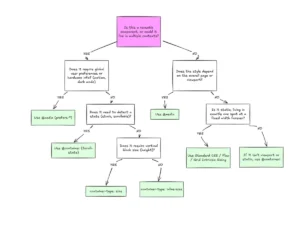
The transition of "name-only" container queries to Baseline status in Chrome 148 is perhaps the most significant architectural shift for front-end engineers. Since the inception of responsive design, the web has relied on "media queries" that check the size of the entire browser window. Container queries, however, allow components to adapt to the size of their parent element.
The removal of the requirement to define container-type on every ancestor makes the API significantly more ergonomic. Developers can now target specific components by name, simplifying the CSS required for complex layout patterns such as sidebars or modular dashboard widgets. Early reports from the developer community suggest that this improvement will likely accelerate the adoption of component-driven architecture, as it decouples individual UI elements from the global page layout.

Hardware Interoperability and the Web Serial API
Firefox 151 has expanded the reach of the Web Serial API to desktop platforms, a move that signals the web’s growing role in industrial and educational hardware management. The API allows web applications to communicate directly with microcontrollers, 3D printers, and peripheral devices.
While browser vendors have historically been cautious about hardware-level access for security reasons, the implementation in Firefox 151 uses a "site permission add-on" model. This approach balances user safety with functionality, ensuring that users maintain control over which hardware a website can access. The addition of Chrome 148 support for the Web Serial API on Android devices further bridges the gap between mobile computing and embedded systems, allowing for on-the-go configuration of hardware devices via standard web browsers.
The Document Picture-in-Picture API
The introduction of the Document Picture-in-Picture API in Firefox 151 represents a departure from traditional, video-only Picture-in-Picture modes. By allowing developers to place arbitrary HTML into an "always-on-top" window, the API enables new interaction models. This is particularly relevant for video conferencing software, where users can now maintain a grid of participants or active controls in a detached, persistent window while navigating through other tabs or applications.
Looking Ahead: Beta Previews for June and July
The beta releases of Chrome 149 and Firefox 152 offer a glimpse into the next cycle of web evolution. Chrome 149 is testing CSS gap decorations, which will allow developers to apply styles directly to the whitespace within flex and grid layouts—a persistent "pain point" that has required cumbersome workarounds in the past.
Furthermore, the beta testing of programmatic scroll methods returning Promises suggests a future where scroll-based animations and transitions can be reliably sequenced without complex setTimeout logic or reliance on non-standard event triggers. Firefox 152’s focus on field-sizing, which enables form controls to auto-adjust to their contents, points toward a more intuitive, user-centric approach to form design that will require less manual CSS intervention.
Broader Implications and Industry Impact
The cumulative effect of these updates is a more robust, performant, and flexible web platform. By standardizing features like container queries and the :open pseudo-class, the W3C and browser vendors are reducing the "tax" of web development. Developers spend less time patching browser-specific bugs and more time building user-facing functionality.
The focus on native lazy loading and improved API connectivity also indicates a mature web platform that is increasingly capable of competing with native desktop applications. As these technologies become standard across the desktop and mobile landscape, the barrier to entry for high-performance, hardware-integrated, and highly responsive web applications continues to lower. The industry response to the May 2026 updates has been largely positive, with major frameworks expected to update their tooling to leverage these native features within the coming weeks.
In summary, the May 2026 browser releases demonstrate a continued commitment to web platform stability. By prioritizing developer-requested features—such as name-only container queries and improved media loading—the major browser vendors have taken a decisive step toward a more unified web. As these features move from beta to stable, the resulting improvements in code maintainability and application performance will be felt across the entire digital ecosystem.