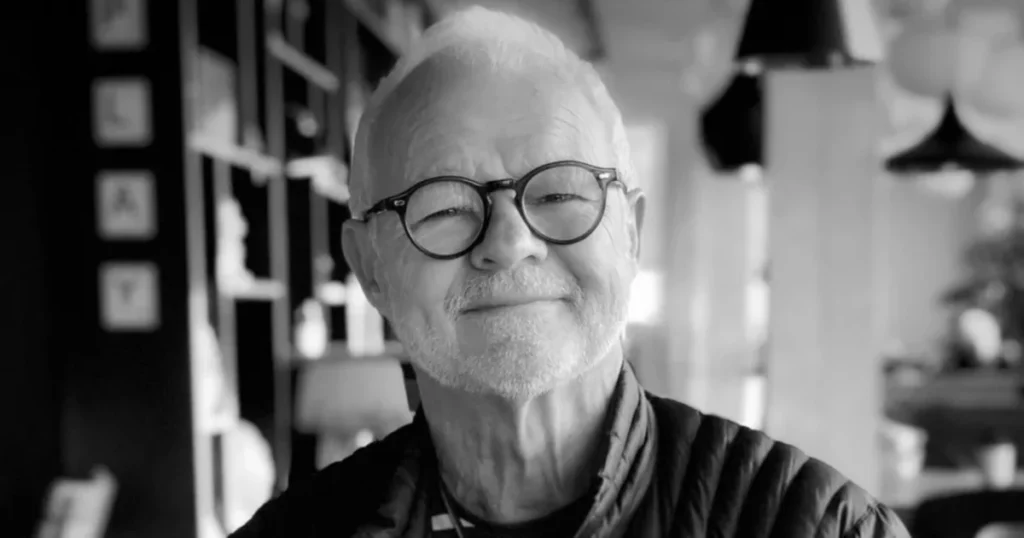

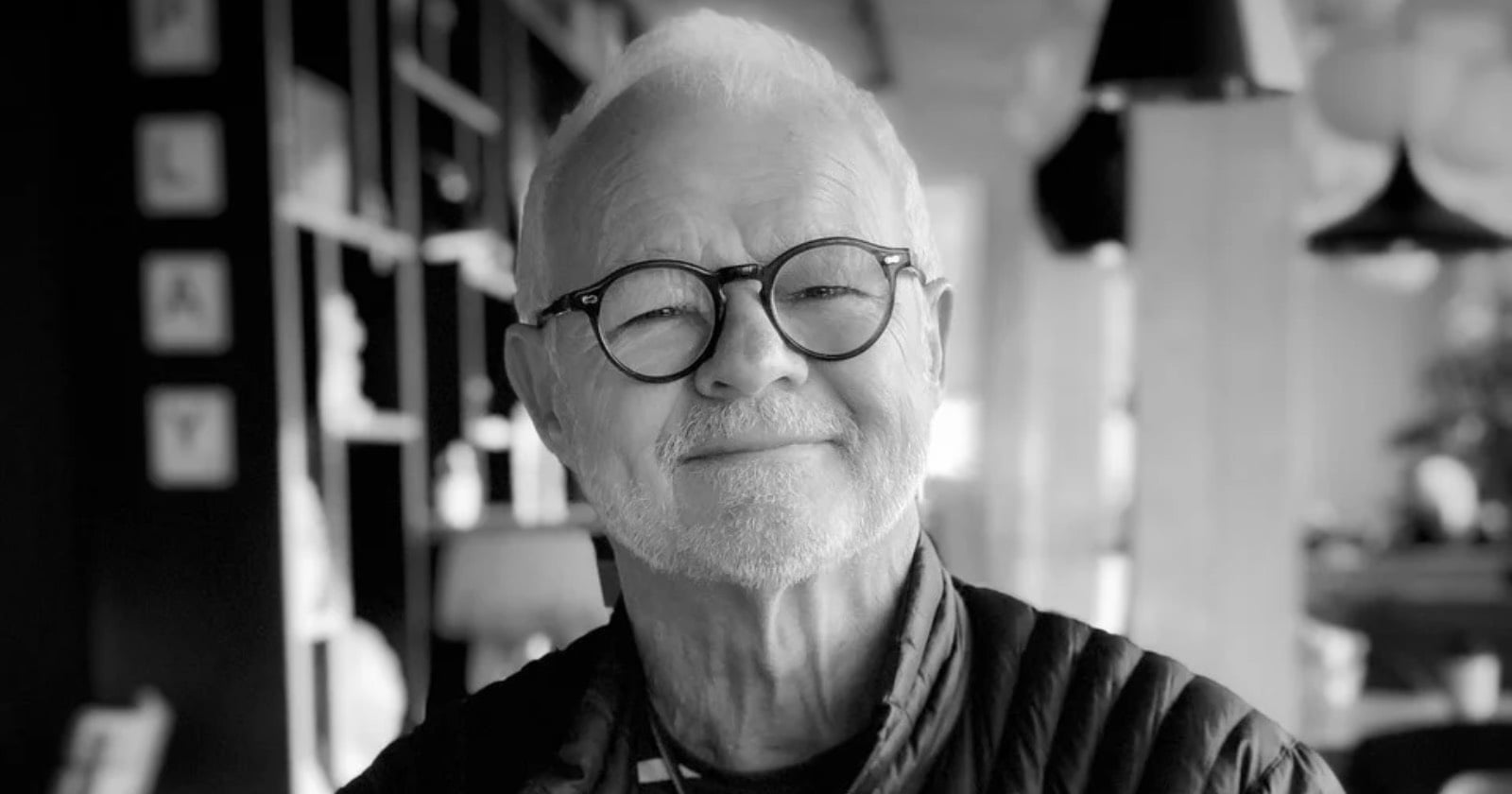
The international filmmaking community is mourning the loss of Rodney Charters, the New Zealand-born director of photography whose kinetic, immersive visual style fundamentally altered the landscape of modern television. Charters, a distinguished member of the American Society of Cinematographers (ASC), passed away suddenly on September 13 in Amsterdam. He was 80 years old. His death, confirmed by the ASC, marks the end of a prolific career that bridged the gap between traditional film techniques and the high-octane demands of 21st-century digital production.
A Legacy Defined by the Ticking Clock
For audiences worldwide, Charters is best remembered as the primary visual architect of the hit Fox series 24. Starring Kiefer Sutherland as federal agent Jack Bauer, the show became a cultural phenomenon upon its debut in 2001. Its premise—that each 24-episode season represented a single, continuous 24-hour day—demanded a visual language that could sustain tension and urgency for months at a time.
Charters was instrumental in establishing this aesthetic. Over the course of the show’s first eight seasons, he shot 184 episodes, acting as the consistent visual anchor for a series that often utilized multiple directors. His work on the show earned him two Primetime Emmy Award nominations, in 2005 and 2006, recognizing his ability to maintain narrative fluidity under the extreme pressures of a "real-time" production schedule. Beyond the core series, Charters also lent his expertise to the 2008 telefilm 24: Redemption, cementing his status as the definitive visual voice of the Jack Bauer saga.
Chronology of a Storied Career
Born in New Zealand, Charters’ path to Hollywood was rooted in a lifelong proximity to the medium. He famously described himself as being "raised in the darkroom," a sentiment inherited from his father, who worked as both a portrait photographer and a filmmaker. This early exposure to the interplay of light and shadow provided the foundation for a technical mastery that would eventually define his professional output.
Before his tenure on 24, Charters honed his craft in the late 1990s through a series of high-profile television assignments. Between 1997 and 2000, he served as the director of photography for 57 episodes of NBC’s The Pretender, a role that allowed him to experiment with the darker, moody lighting schemes that would later characterize his work on 24. This was followed by a 19-episode stint on the second season of the science-fiction series Roswell, where he further developed his proficiency in shooting ensemble casts in fast-paced environments.
Following his monumental run on 24, which concluded its original eight-season arc in 2010, Charters did not slow down. He pivoted to the dark comedy-drama Shameless, serving as the director of photography for the first three seasons from 2011 to 2013. His ability to adapt his aggressive, handheld camera style to suit the gritty, naturalistic aesthetic of the Gallagher family’s Chicago home demonstrated his versatility as a visual storyteller.
The Aggressive Camera Style: A Technical Revolution
The American Society of Cinematographers has characterized Charters’ technique as an "aggressive camera style." In the early 2000s, television cinematography was largely static, relying on traditional multi-camera setups that prioritized clear, reliable coverage. Charters shattered this convention. By incorporating whip pans, rapid snap zooms, and a restless, handheld camera that seemed to breathe with the characters, he transformed the act of watching television into a visceral, physical experience.
In a 2004 interview with American Cinematographer magazine, Charters detailed the unorthodox methodology that fueled the production of 24. "We’ve evolved to the point where we always shoot a scene in its entirety—it’s never broken into setups," he explained. This approach required a high level of trust between the cinematographer, the directors, and the cast. By allowing the actors to block and stage scenes privately, Charters ensured that the camera captured the raw, spontaneous energy of the performance rather than a rehearsed, clinical movement.
His collaboration with executive producer and director Stephen Hopkins proved particularly fruitful in this regard. Hopkins often challenged Charters to find the most uncomfortable or unconventional camera angles, pushing the cinematographer to "imagine where the camera would never be." This deliberate rejection of traditional "safe" framing became a hallmark of the series, influencing a generation of television dramas that sought to emulate the high-stakes realism of 24.
Industry Impact and Official Recognition
The news of Charters’ passing has triggered an outpouring of tributes from across the industry. The American Society of Cinematographers, of which Charters was a long-standing and respected member, issued a formal statement acknowledging his contributions to the craft. Peers have noted that his influence extends far beyond his specific credits; he was a pioneer in the transition from film to digital workflows, often serving as a mentor to younger cinematographers navigating the rapidly changing landscape of the late 2000s.
While he never secured the Primetime Emmy Award for his work on 24, his nominations in 2005 and 2006 were widely regarded as a significant acknowledgement of his influence on the industry. The broader implication of his work is found in the current ubiquity of the "cinematic TV" style. Today, handheld, high-energy camerawork is a standard tool in the television cinematographer’s kit, a development that owes a debt to the techniques Charters refined on the set of 24.
Analysis: A Shift in Television Production
From a historical perspective, Charters’ career serves as a bridge between the traditional episodic television model and the modern "prestige" era. During his peak years, the industry was grappling with the limitations of standard-definition broadcasts and the constraints of tight production schedules. Charters managed to elevate the visual quality of network television without sacrificing the speed necessary to meet weekly delivery deadlines.
His approach was not merely about visual flair; it was about efficiency. By capturing scenes in their entirety and avoiding excessive coverage, he allowed for more screen time for the actors, which in turn increased the intensity of the performances. This efficiency was essential for the success of a show like 24, which had a notoriously grueling production schedule. His ability to blend technical precision with artistic audacity ensured that the show remained visually engaging even after hundreds of episodes.
Conclusion
As the industry reflects on the life and work of Rodney Charters, it is clear that his legacy is woven into the fabric of the modern television experience. He taught audiences to expect more from the small screen, proving that television could be as visually sophisticated, daring, and immersive as any major motion picture. From the darkrooms of his youth to the high-pressure sets of Hollywood, Charters maintained a relentless commitment to the art of the image. While his voice and lens are now stilled, the visual language he helped create remains a vital and enduring component of how stories are told on screen today. His contributions to cinematography will continue to be studied and admired by those who seek to push the boundaries of what a camera can do.